
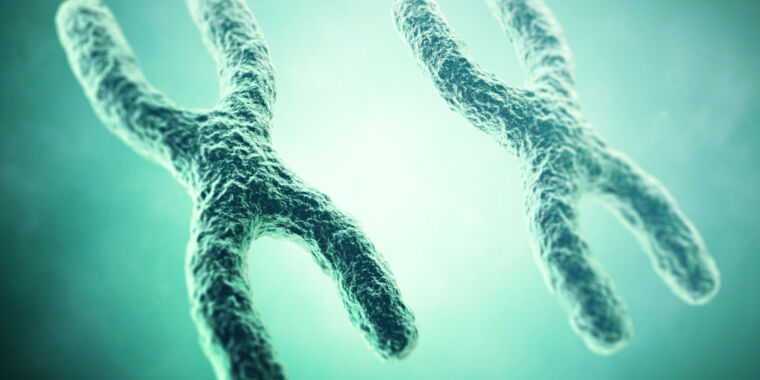
"Uncovering the Link: X Chromosome's Role in Women's Proneness to Autoimmune Diseases"
A new paper explains why females are more prone to autoimmune diseases, attributing it to their double complement of X chromosomes. The X inactivation process, involving the Xist RNA and protein complex, leads to genetic mosaicism in females. Researchers at Stanford University found that introducing a mutated Xist gene into male mice led to the development of autoimmune diseases, mimicking the severity seen in females. This study sheds light on the role of Xist in autoimmune diseases and may lead to new targets for diagnosis and treatment.