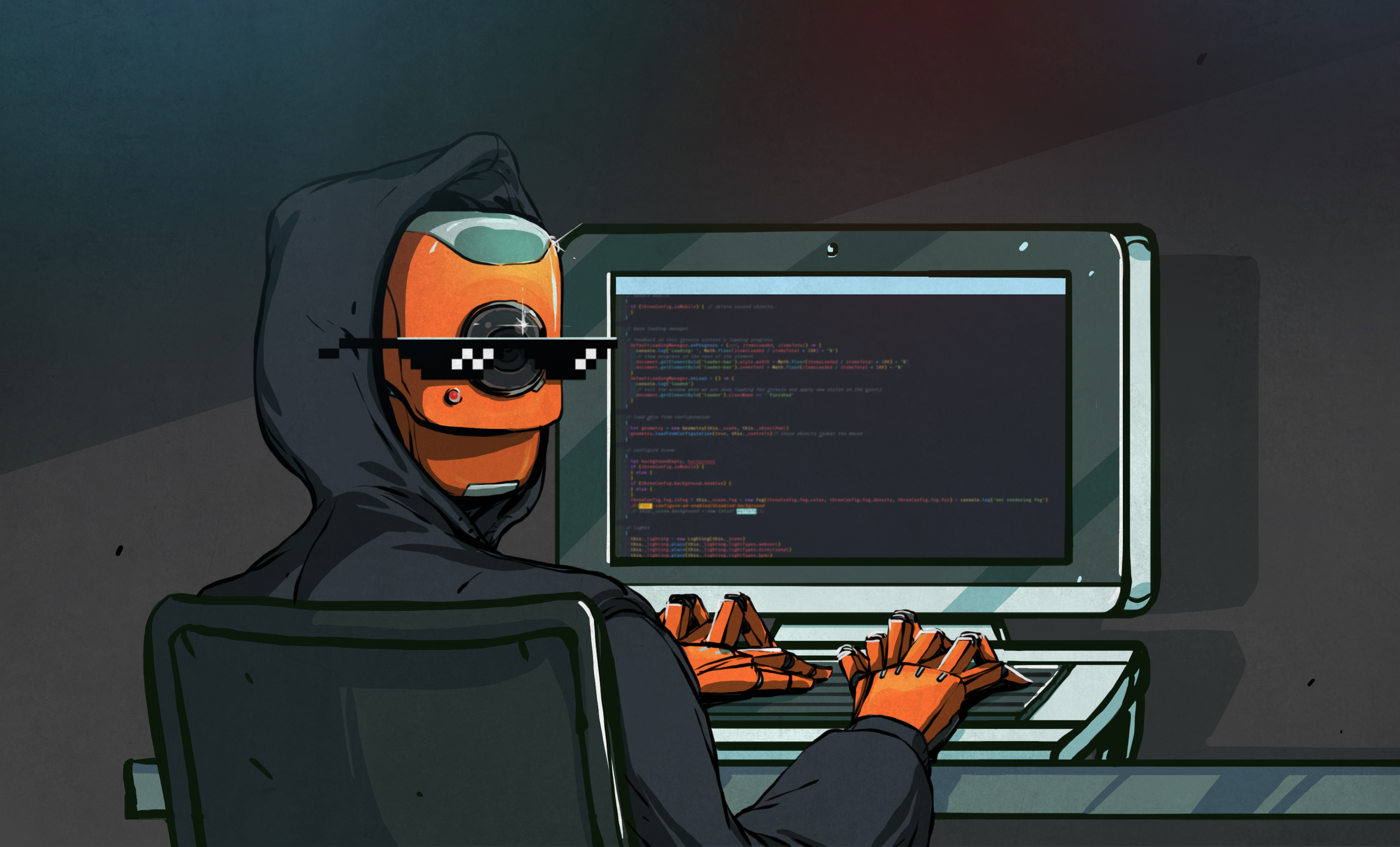
A scientist's paper was falsely accused of being the work of an AI, highlighting the concerning lack of evidence and acceptance of baseless accusations in the scientific review process. The incident raises questions about the need for explicit standards regarding the use of AI tools in writing, including guidelines for acknowledgment and handling accusations of misuse. This situation underscores the potential for AI's existence to corrupt submission and review processes, emphasizing the necessity for proactive measures to address these issues.

The participants of the 2023 THR Writer Roundtable, including Chloe Domont, Cord Jefferson, Celine Song, Andrew Haigh, Tony McNamara, and Eric Roth, discuss their experiences and insights as screenwriters. They share their motivations for writing, the challenges and rewards of writing for film, and the differences between writing for TV, theater, and film. The panelists also discuss the personal and emotional aspects of their screenplays, the importance of satisfying endings, and the memorable scenes in their films.
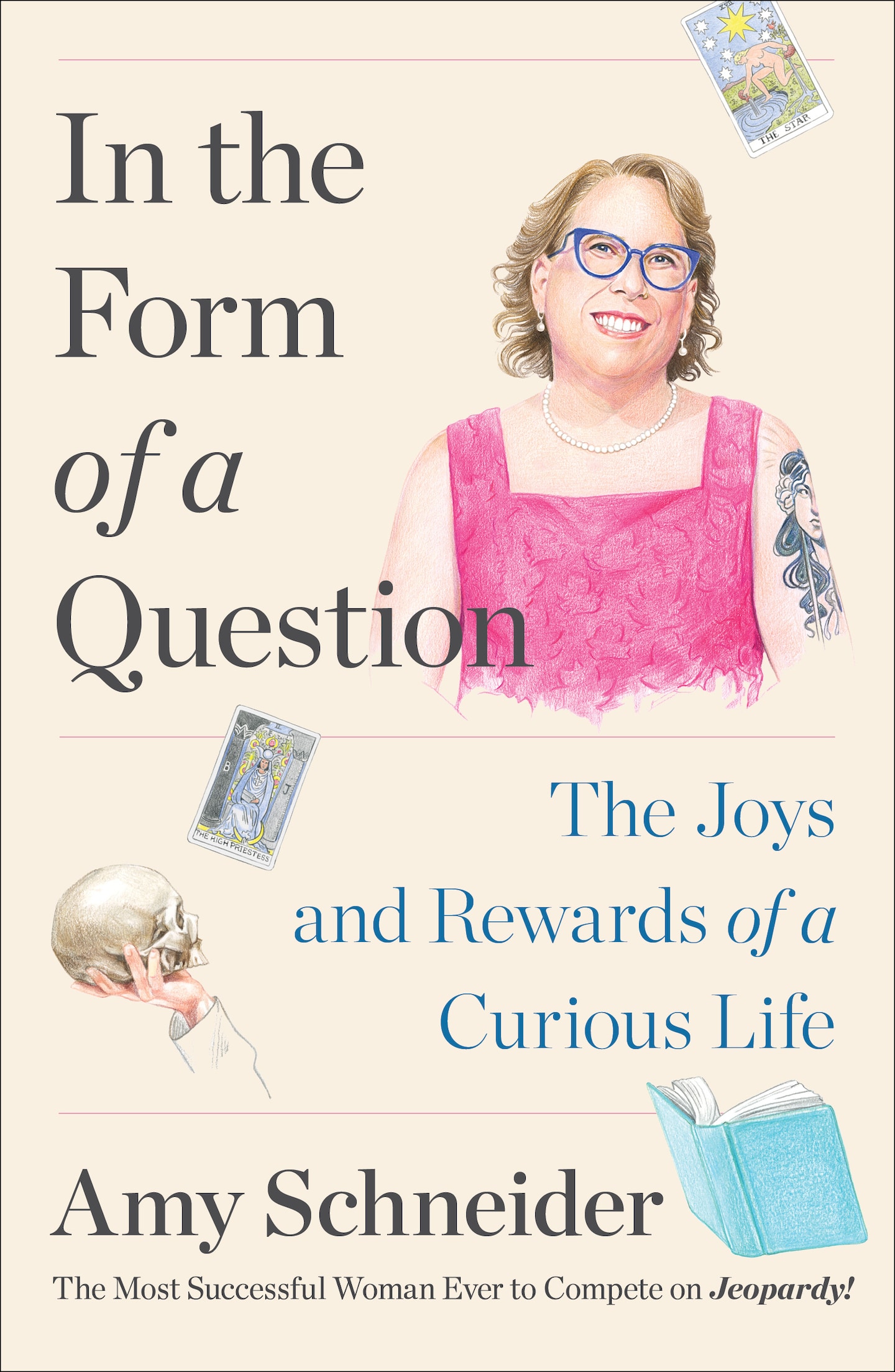
Amy Schneider, the historic "Jeopardy!" champion with a 40-game winning streak, discusses her new memoir, "In the Form of a Question: The Joys and Rewards of a Curious Life," which explores her gender transition, upbringing, and musings on pop culture. Schneider reflects on her responsibility as a representative of the trans community and hopes to challenge stereotypes by sharing her full range of experiences. She also discusses her evolving relationship with writing, the future of "Jeopardy!", and her desire to see greater diversity among contestants and champions.
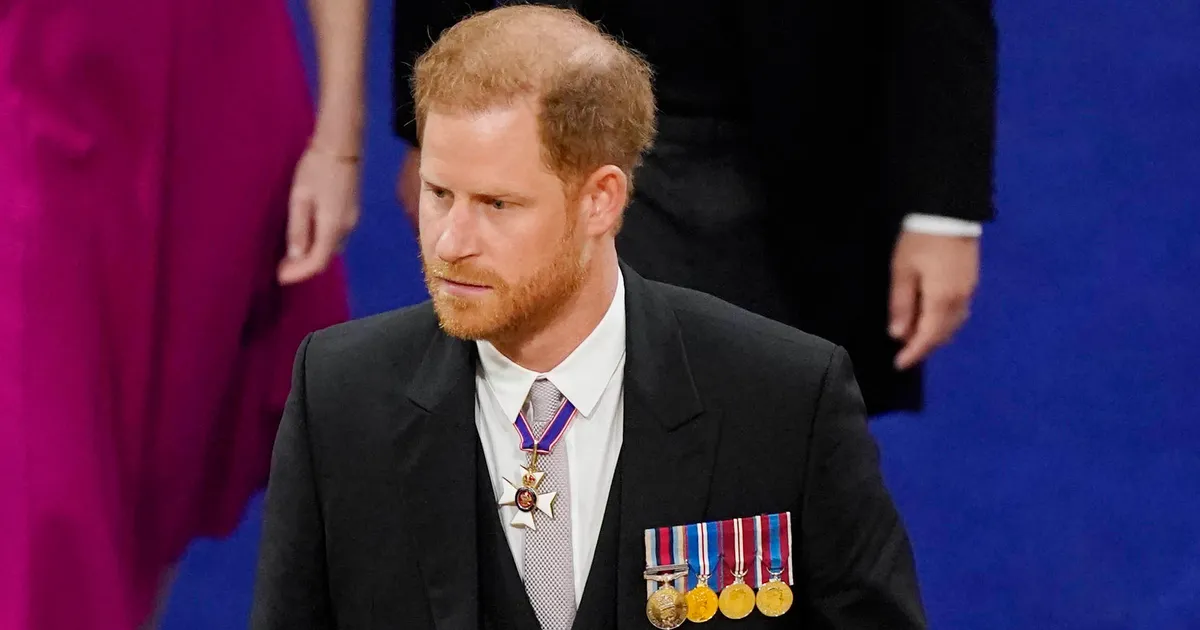
J.R. Moehringer, the ghostwriter of Prince Harry's memoir "Spare," has revealed in a new essay for The New Yorker that he really likes Harry and found his story relatable and infuriating. Moehringer says that he and Harry spoke "around the clock" to write the book, and no subject was off-limits. The process of working on the book gave Moehringer additional insight and sympathy into Harry's circumstances, especially regarding the media.
The Writers Guild of America (WGA) has clarified its position on the use of artificial intelligence (AI) in the writing process during contract negotiations with the AMPTP. The WGA plans to regulate the use of material produced using AI or similar technologies to ensure that it does not undermine writers' working standards, including compensation, residuals, separated rights, and credits. The guild also stated that AI-generated text cannot be considered in determining writing credits and highlighted that plagiarism is a feature of the AI process.