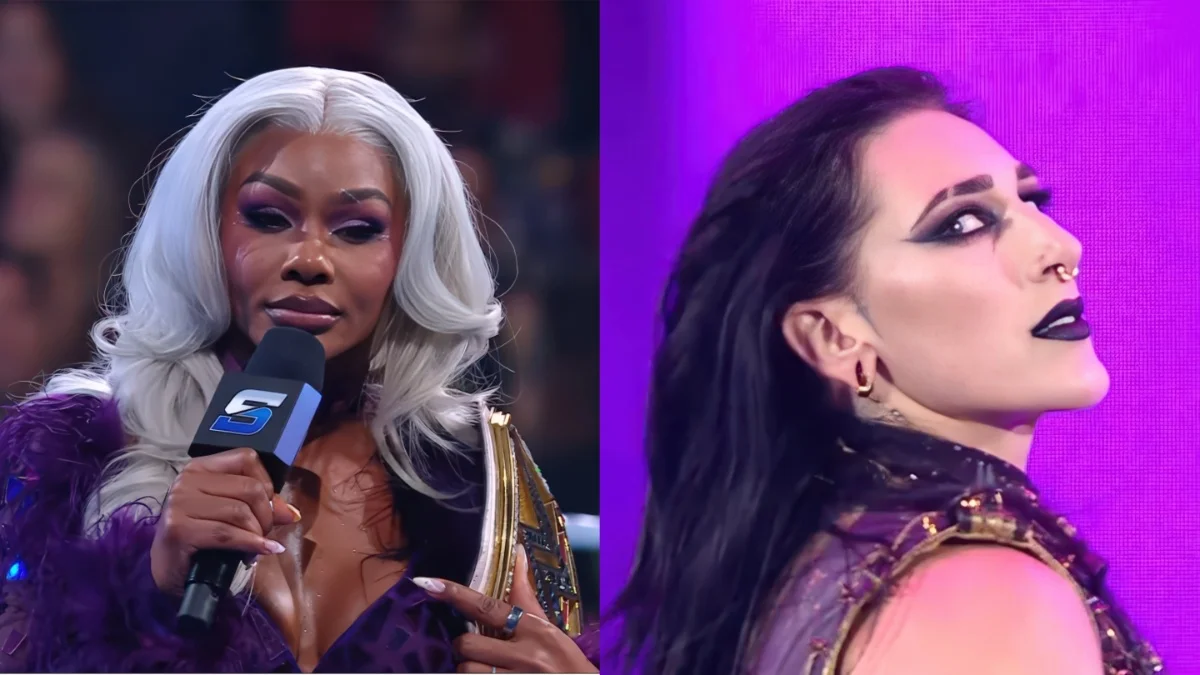
Cargill Alleges Ripley Brought Complaints to WWE Writers
Jade Cargill claims Rhea Ripley went to WWE writers with complaints about a storyline, signaling backstage drama and tension surrounding their ongoing interactions.

All articles tagged with #writers
Jade Cargill claims Rhea Ripley went to WWE writers with complaints about a storyline, signaling backstage drama and tension surrounding their ongoing interactions.
Shogun Season 2 announces new and returning cast members, including Asami Mizukawa and Masataka Kubota, with returning directors Hiromi Kamata and Takeshi Fukunaga, and new episodes to continue the saga set ten years after Season 1, based on James Clavell's novel.
Silicon Valley showrunner John Altschuler criticizes Europe's lack of respect for showrunners and writers, contrasting it with Hollywood's recognition of their crucial role, while acknowledging Europe's cultural influence and strengths in art and culture. He advocates for greater appreciation of writers and showrunners in Europe to succeed in the global marketplace.
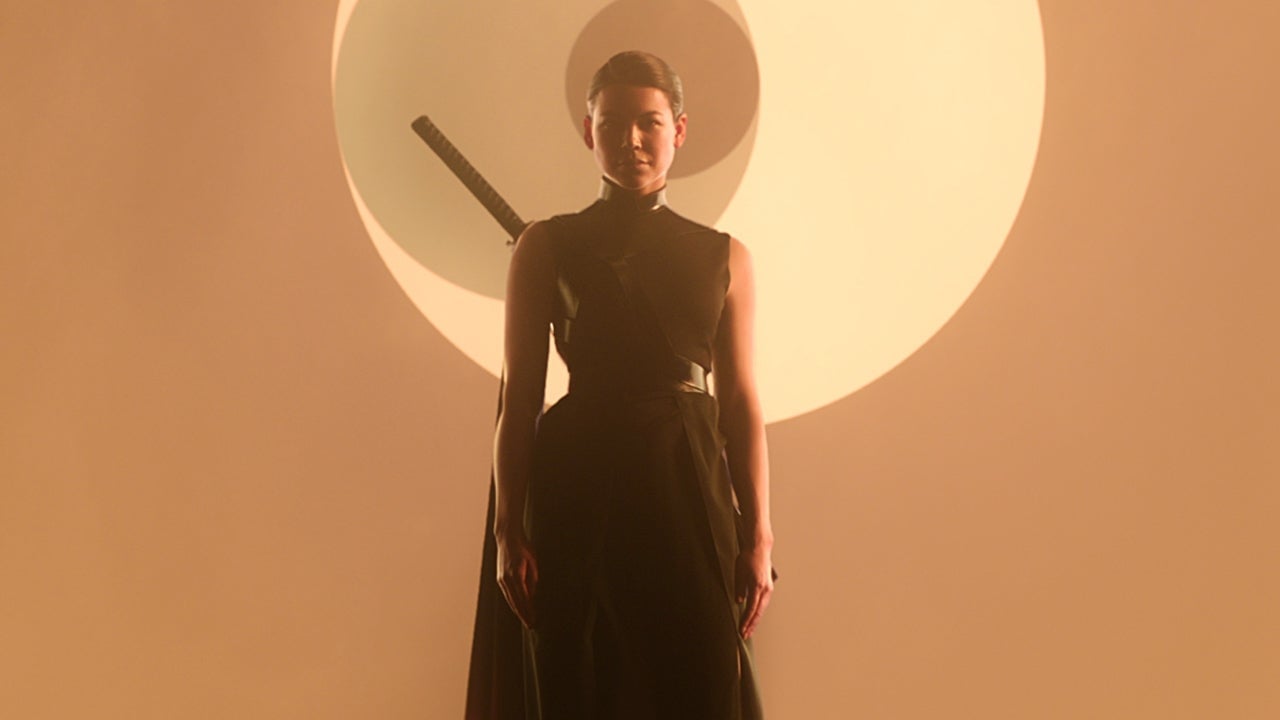
Netflix has enlisted the writers behind Game of Thrones and True Blood to adapt Liu Cixin’s The Three-Body Problem into a series, aiming to make the complex sci-fi narrative appealing to global audiences. The writers emphasize the importance of staying true to the book's character-focused storytelling while diversifying the ensemble of characters and internationalizing the story. The adaptation, set to premiere on March 21, seeks to capture the spirit of the novels while creating an exciting and compelling show that will draw viewers to the source material.
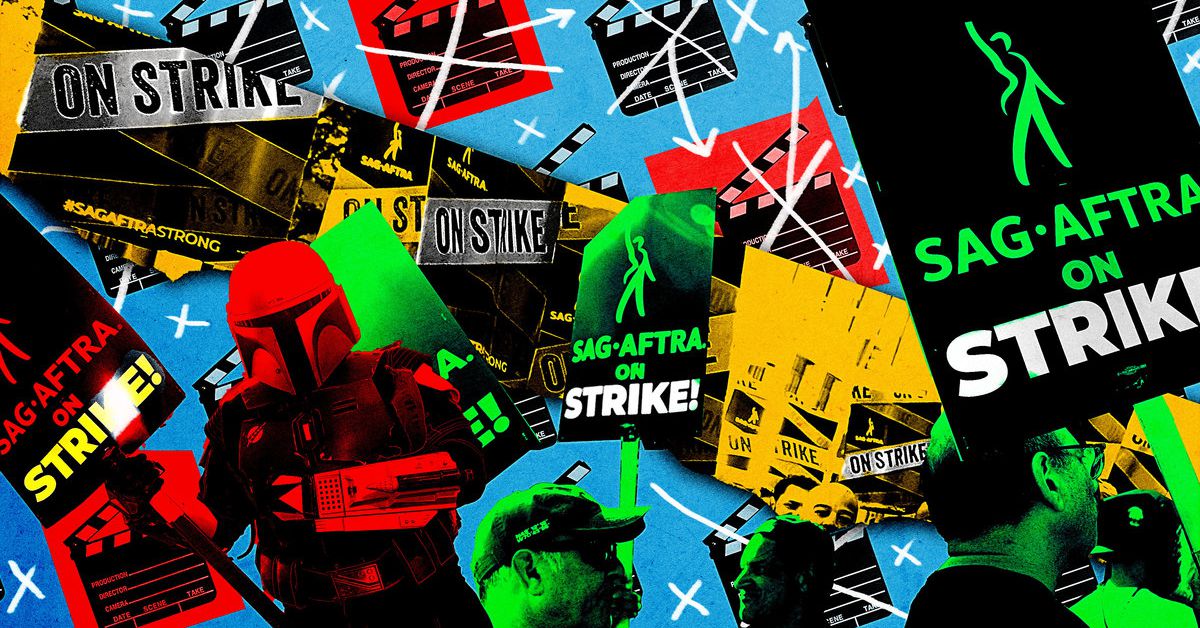
The Hollywood strikes of 2023 had a profound impact on the entertainment industry, causing lost wages and emotional exhaustion for writers and actors. Despite the challenges, some individuals experienced moments of hope and success. Actor David Krumholtz, who had been out of work for 16 months, was given a significant role in a Christopher Nolan film. Writer Andra Whipple became a strike captain and faced dangerous situations while picketing. Writer Samy Burch had one movie, "May December," receive Oscar buzz, while another film, "Coyote Vs. Acme," was shelved by Warner Bros. Discovery. The strikes garnered public support, and pressure from the creative class led to the studio reconsidering the fate of "Coyote Vs. Acme." The year also saw a shift in audience preferences, with unique films like "Barbie" and "Oppenheimer" outperforming franchise movies.
The 2023 Black List, a selection of the most-liked screenplays by film executives, has been announced, with Travis Braun's "Bad Boy" taking the top spot. The list features 76 feature screenplays by 80 writers, including Justin Piasecki's "Stakehorse" in second place. The Black List aims to highlight the value of writers in the industry and has a track record of success, with many of its selected scripts being produced into successful films.
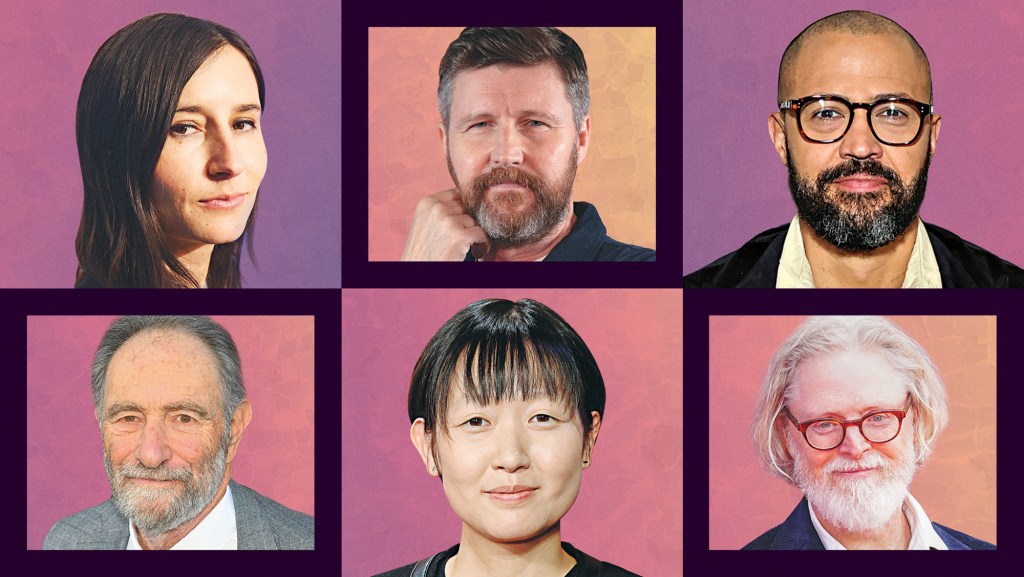
The participants of the 2023 THR Writer Roundtable, including Chloe Domont, Cord Jefferson, Celine Song, Andrew Haigh, Tony McNamara, and Eric Roth, discuss their experiences and insights as screenwriters. They share their motivations for writing, the challenges and rewards of writing for film, and the differences between writing for TV, theater, and film. The panelists also discuss the personal and emotional aspects of their screenplays, the importance of satisfying endings, and the memorable scenes in their films.
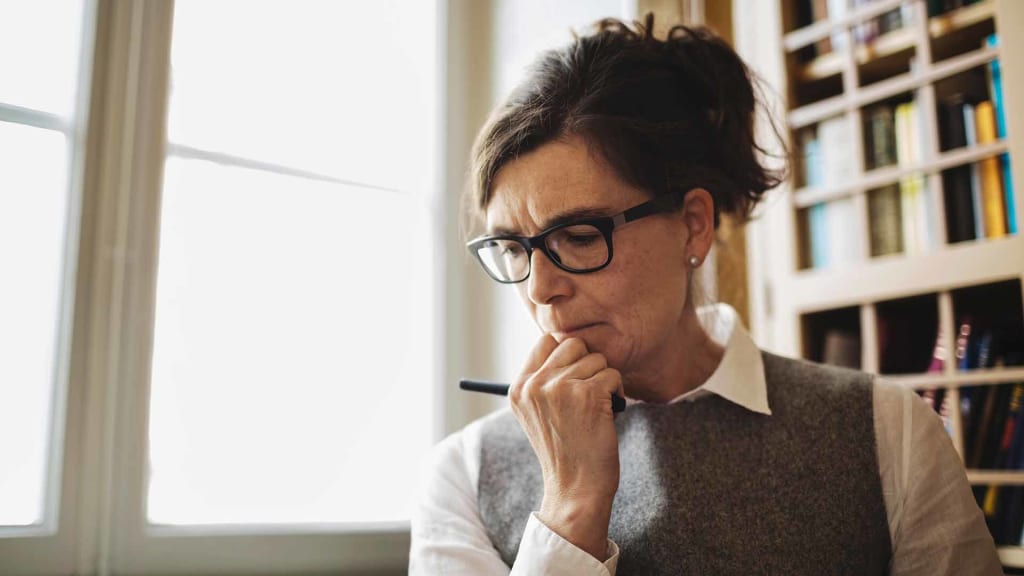
Great writers and thinkers throughout history have embraced forced boredom as a catalyst for exceptional creativity. From Ian Fleming locking himself in a dull hotel room to Maya Angelou removing art from her writing space, many renowned figures have used boredom to fuel their creative process. Modern research also supports the connection between enforced boredom and increased creativity. Boredom forces the brain to delve into its deepest recesses, make unlikely connections, and confront truths. To tap into this creative potential, experts suggest scheduling empty "non-time" or simply allowing oneself to experience boredom without distractions. Embracing boredom may lead to surprising creative breakthroughs, as demonstrated by history's greatest thinkers.
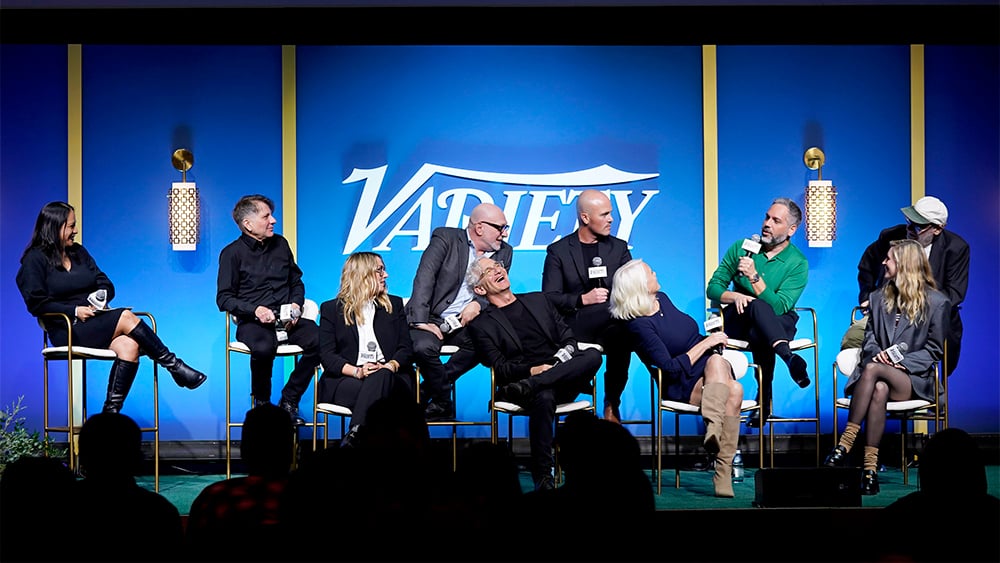
Writers of various limited series shared their origin stories and insights into crafting compelling standalone stories during a panel discussion. They discussed topics such as adapting books into series, exploring historical figures, and reinventing genres. The writers expressed their enthusiasm for returning to the business of making TV and film after the industry strike.

Hollywood's historic AI deal, which allows for the creation of digital replicas and synthetic performers, is facing criticism from some in the industry who argue that it could lead to job losses for performers and crew. Concerns include the potential for big-name stars and their AI-generated clones to dominate multiple projects, pushing out emerging actors. The agreement also raises questions about the use of AI to draft scripts without permission and the protection of actors' likeness rights. Critics worry about the vague language in the deal and the potential for studios to bypass consent using First Amendment protections. The agreement highlights the need for ongoing discussions about worker protection and the balance of power between labor and capital in the entertainment industry.
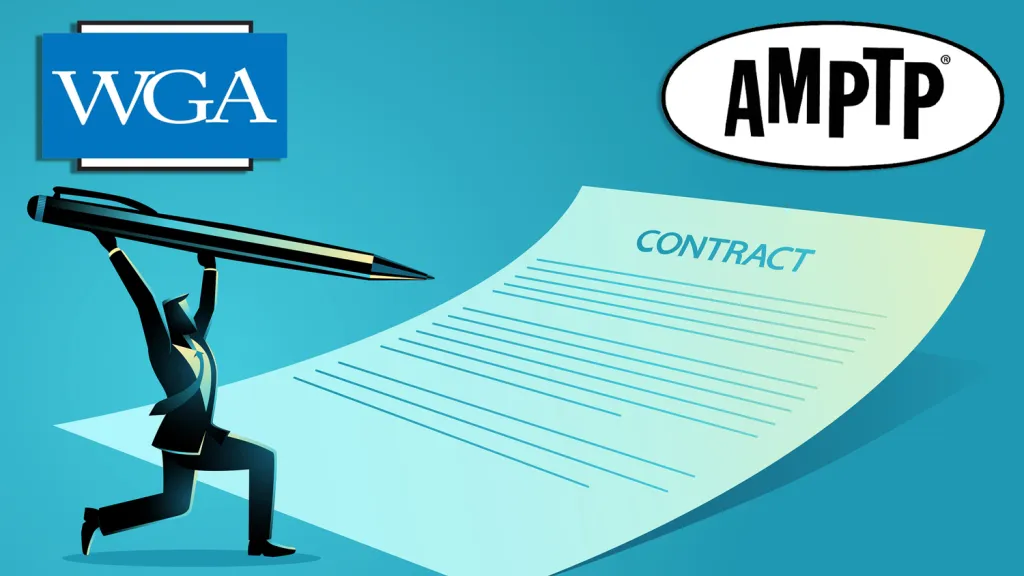
The Writers Guild of America (WGA) members have ratified a new contract with the Alliance of Motion Picture and Television Producers, officially ending the five-month-long strike. The three-year agreement includes improvements in areas such as artificial intelligence guardrails, residuals, writers room staffing, data transparency, and pay hikes. The deal runs from September 2023 to May 2026. The WGA is now urging the studios to negotiate a fair contract with the still-striking SAG-AFTRA, and until then, WGA members will continue to support their fellow performers on the picket lines.
Universal Studio Group has reinstated the overall deals of its writing and non-writing producers that were suspended during the WGA strike, but without extending their terms. This decision affects writers the most, as their deals were suspended for the entire five-month duration of the strike, resulting in significant financial losses. While other studios have been making extension decisions on a case-by-case basis, USG has opted for a uniform policy, adhering to the original terms of all deals. This move saves money for parent company NBCUniversal, but other studios, like Warner Bros TV, have also chosen not to extend a significant portion of their suspended deals.
The Hollywood Reporter writer, futurist, and author of a book about James Cameron, Scott Brown, discovers that his book is one of the 183,000 pirated books being used to train generative AI systems at companies like Meta and Bloomberg. This revelation raises concerns about the future of writing as AI tools become more advanced and potentially replace human writers. The Authors Guild, including well-known writers such as John Grisham and George R.R. Martin, has filed lawsuits against OpenAI and Meta over alleged copyright infringement. The legal landscape surrounding fair use and AI remains uncertain, and the Writers Guild is negotiating protections for writers in their deal with studios. The future implications of AI in writing and the potential exploitation of writers' work are still to be determined.

During the WGA strike, writers found ways to stay busy and creative by working on passion projects such as writing comic books, outlining movie ideas, and engaging in hobbies like miniature wargaming. Some writers formed their own virtual writers' room, while others explored different genres to expand their skills. Now that the strike is over, these projects could potentially make their way to the market as spec scripts.
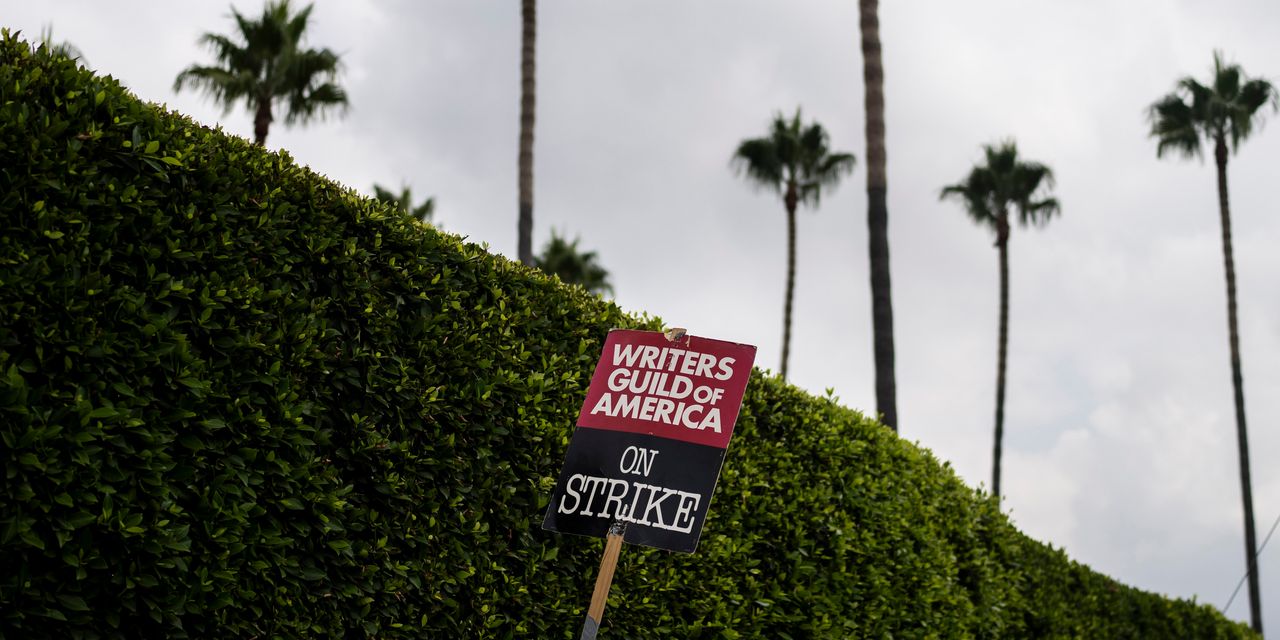
Hollywood studios have reached a tentative deal that would allow them to use writers' work to train artificial intelligence (AI) models. The agreement, which is still subject to approval, would enable studios to utilize AI technology to analyze and learn from vast amounts of written content, potentially improving the efficiency of script development and content creation processes. However, concerns have been raised about the potential impact on writers' intellectual property rights and the need for fair compensation.