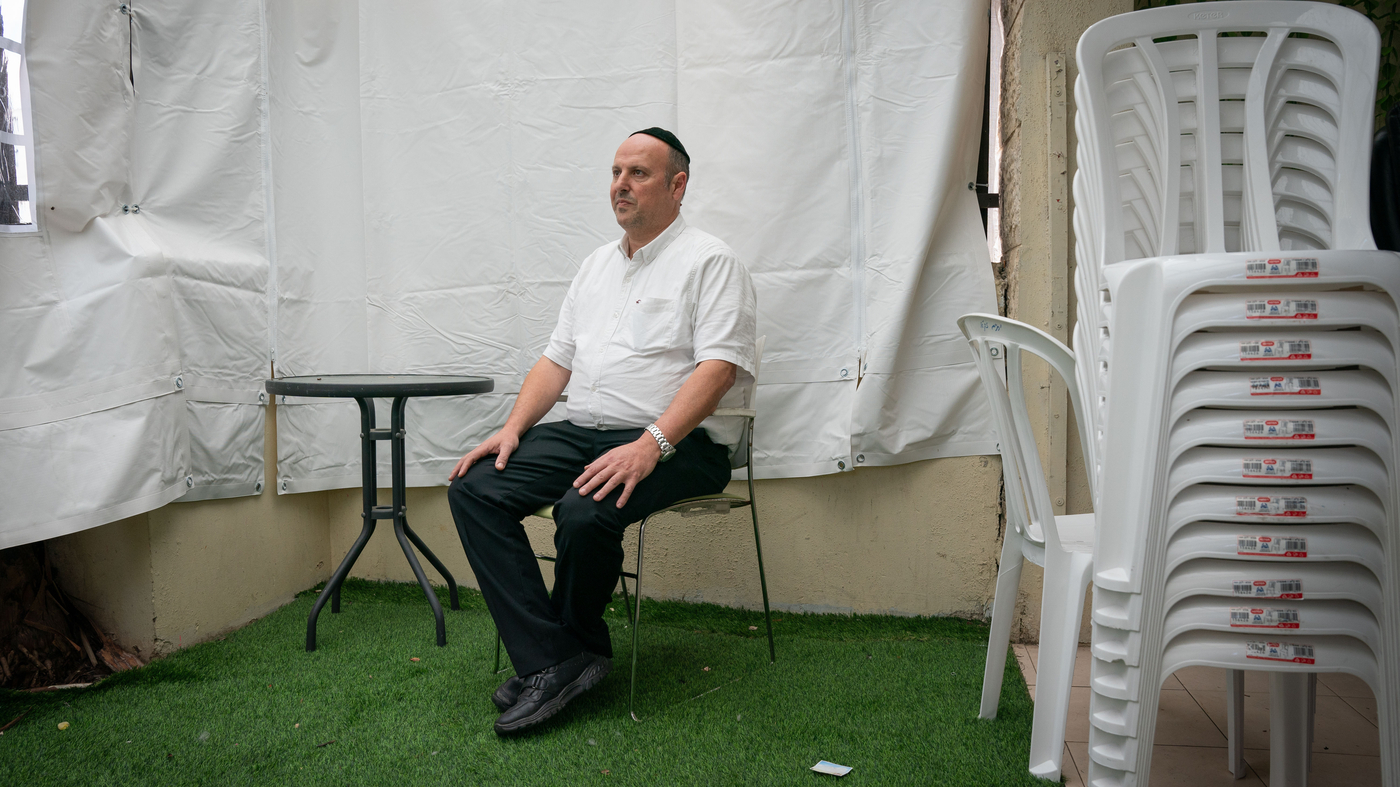
Sderot, the largest Israeli city attacked by Hamas, has seen 85% of its residents return after being evacuated during the war. The reopening is uneasy, with children experiencing panic attacks at the sight of planes and explosions. The city's schools have welcomed back traumatized students, some of whom lost relatives in the attacks. Meanwhile, across the border in north Gaza, there is no return for residents, as the conflict continues.
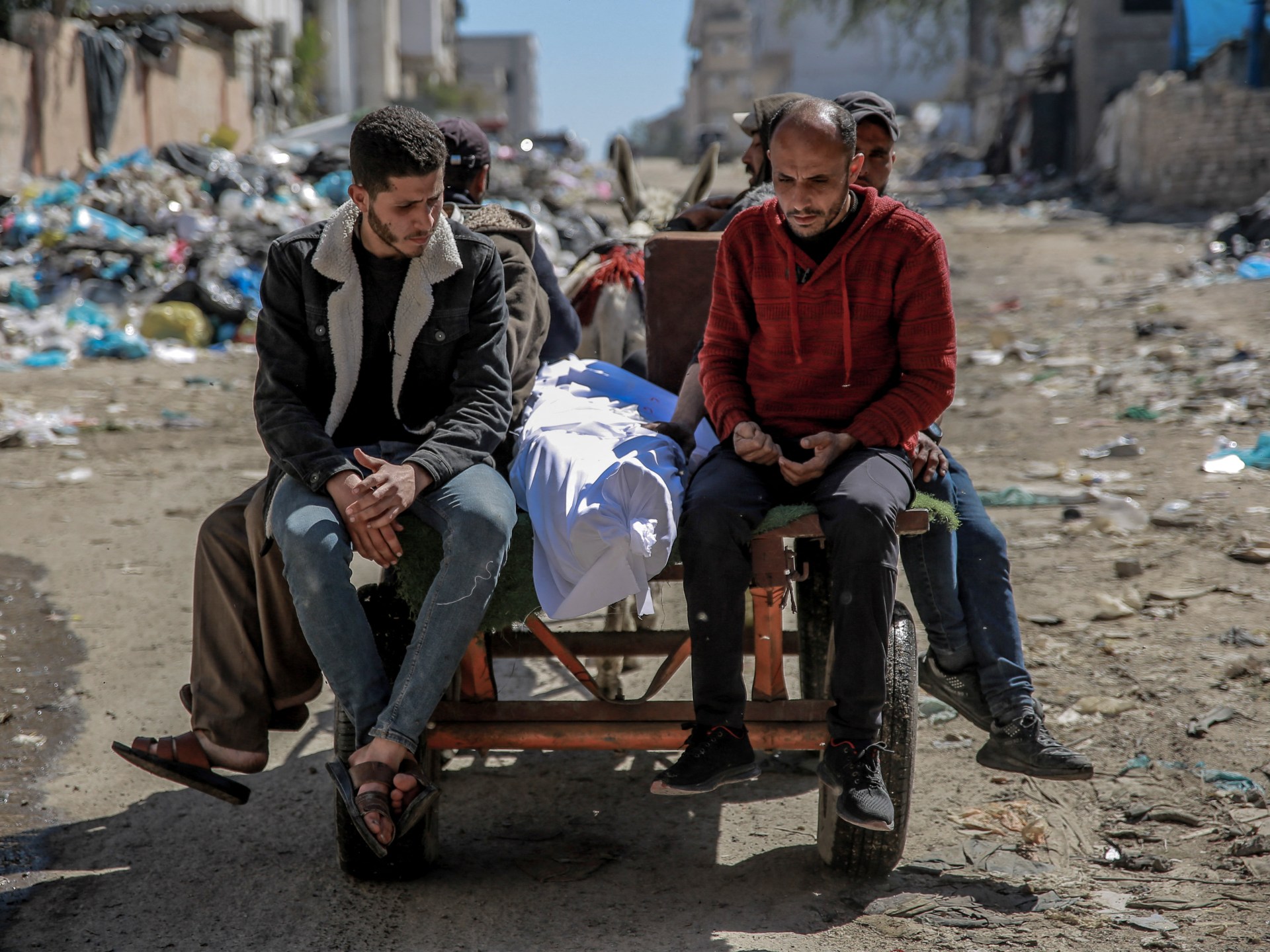
Health workers in northern Gaza have exhumed the first corpses from mass graves in and around Al-Shifa Hospital, where they said Israeli forces killed hundreds of Palestinians and left their bodies to decompose during a two-week siege. The bodies were found buried or above ground, with some completely disfigured and unable to be identified. Witnesses and civilians trapped inside the hospital when it was raided described the area as "full of bodies." Israel Defense Forces claimed to have completed operations against terrorist operatives and infrastructure at Al-Shifa, apprehending suspects and eliminating terrorists. The siege has left specialized facilities within the hospital complex out of service, and UN experts accused Israel of denying access to healthcare to those most in need. Palestinians at Al-Shifa are searching for missing family members and demanding to know the fate of their loved ones.
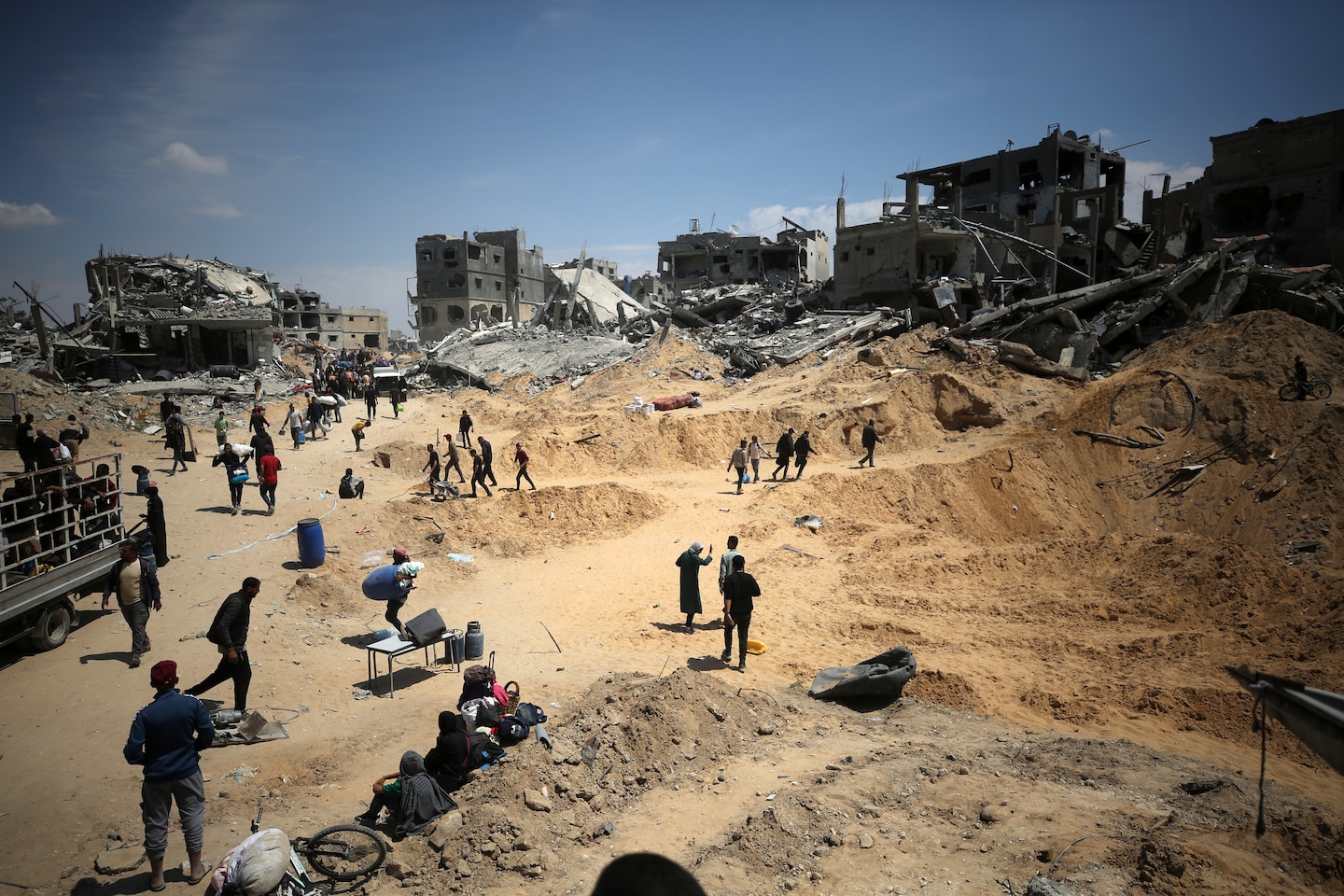
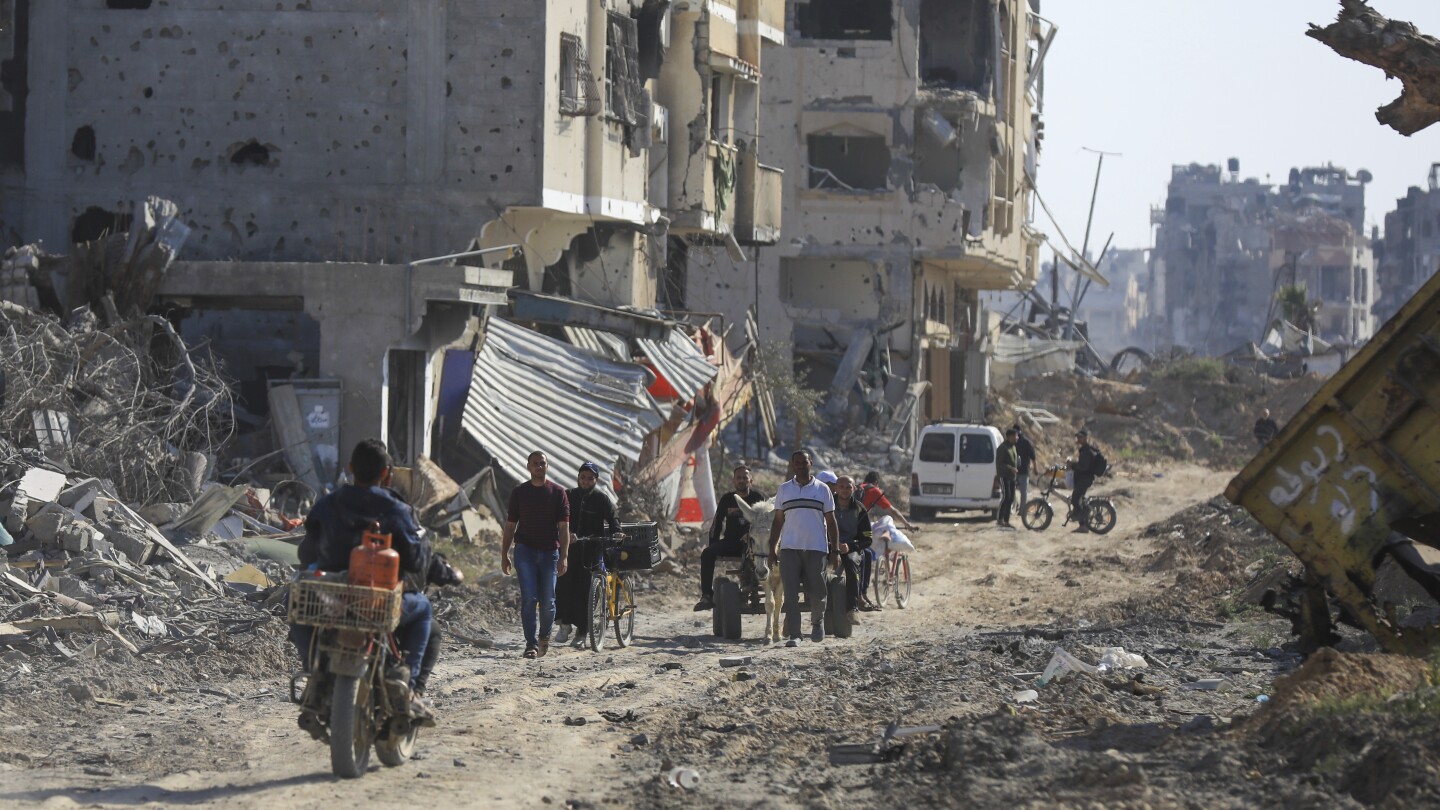
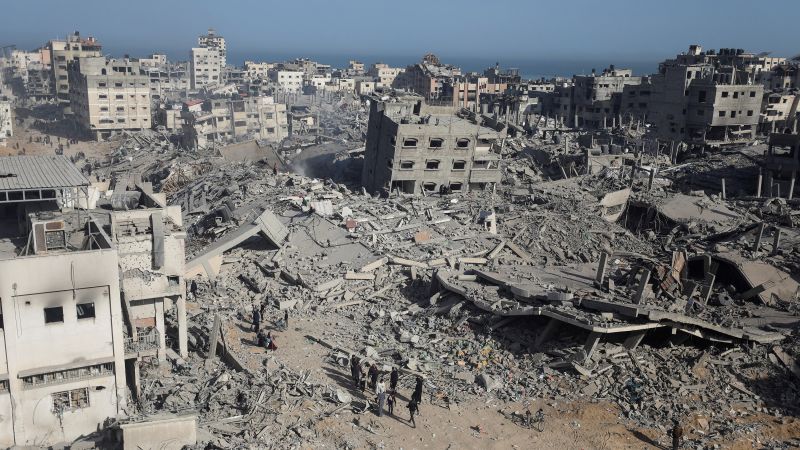
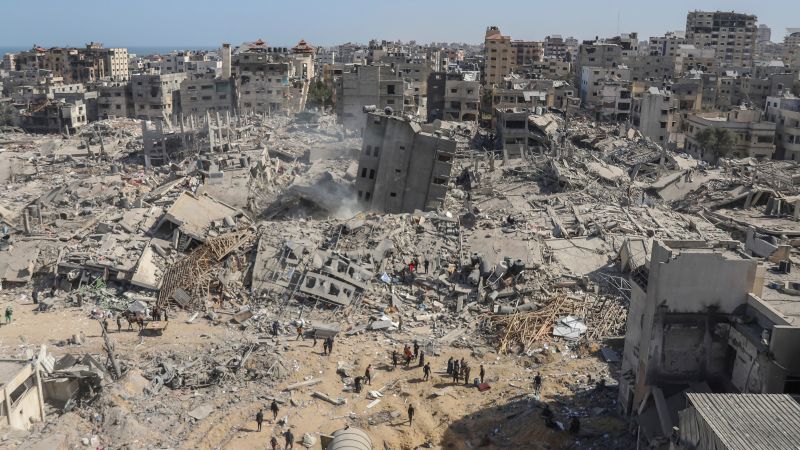
After Israel withdrew its forces from Khan Younis, Gaza, civilians returned to find the city devastated beyond recognition, with thousands of buildings destroyed and over 33,000 people killed. The humanitarian crisis has left residents struggling to survive, with many displaced and living in fear. The city's rich cultural history has been marred by the conflict, and the scale of destruction has made navigation difficult for returning residents.
Palestinians return to Khan Younis in southern Gaza after Israeli troops withdraw, only to find their city unrecognizable, with thousands of buildings destroyed or damaged. The war, now in its seventh month, has left vast swaths of the territory unlivable for its 2.3 million people. With the city now unlivable, many have little immediate chance to return, and the fate of those sheltering in Rafah, Hamas' last major stronghold, remains uncertain as Israel plans a potential invasion. Israel's military aims to destroy Hamas' military and governing capabilities and return the remaining hostages, with negotiations for a ceasefire and hostage release underway.
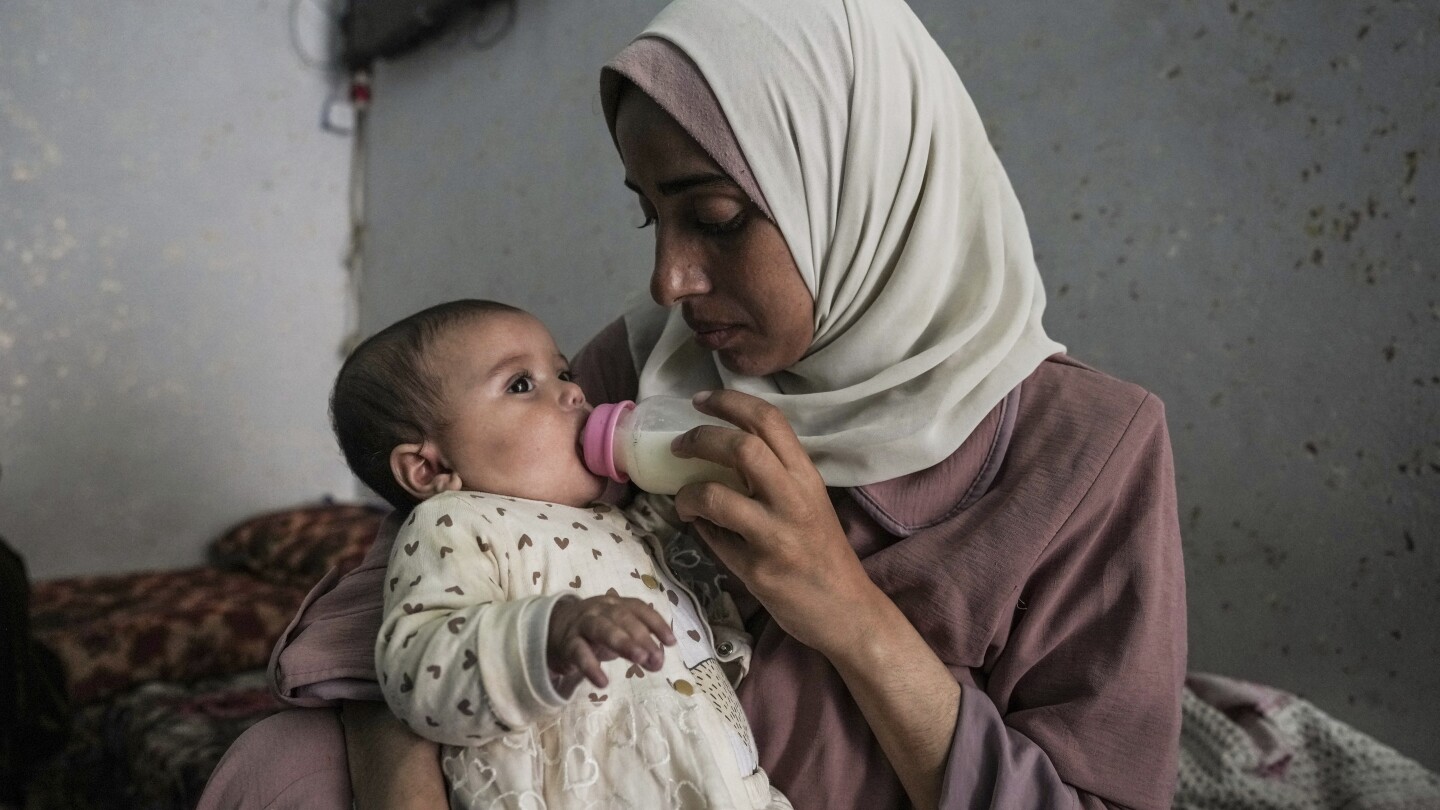
Palestinian mothers in Gaza gave birth to their babies amidst a war between Israel and Hamas, with their homes destroyed by airstrikes and limited access to medical treatment and supplies. The infants are suffering from malnutrition and lack of proper care, with the families struggling to provide for their children in the midst of the ongoing conflict, leaving their envisioned lives for their babies uncertain.
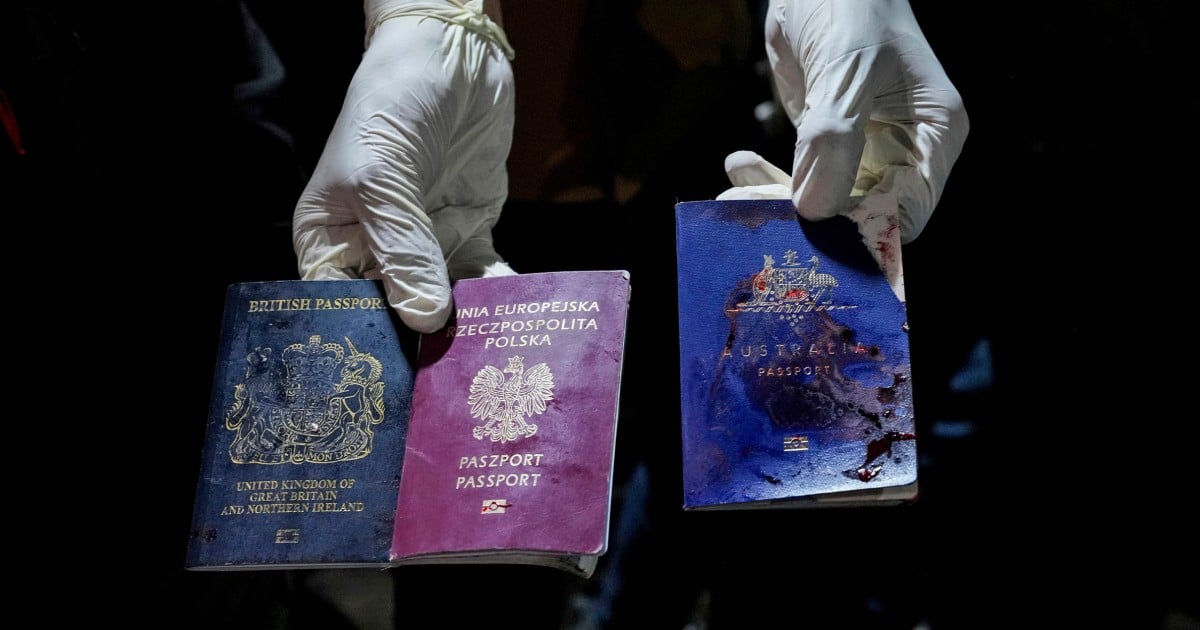
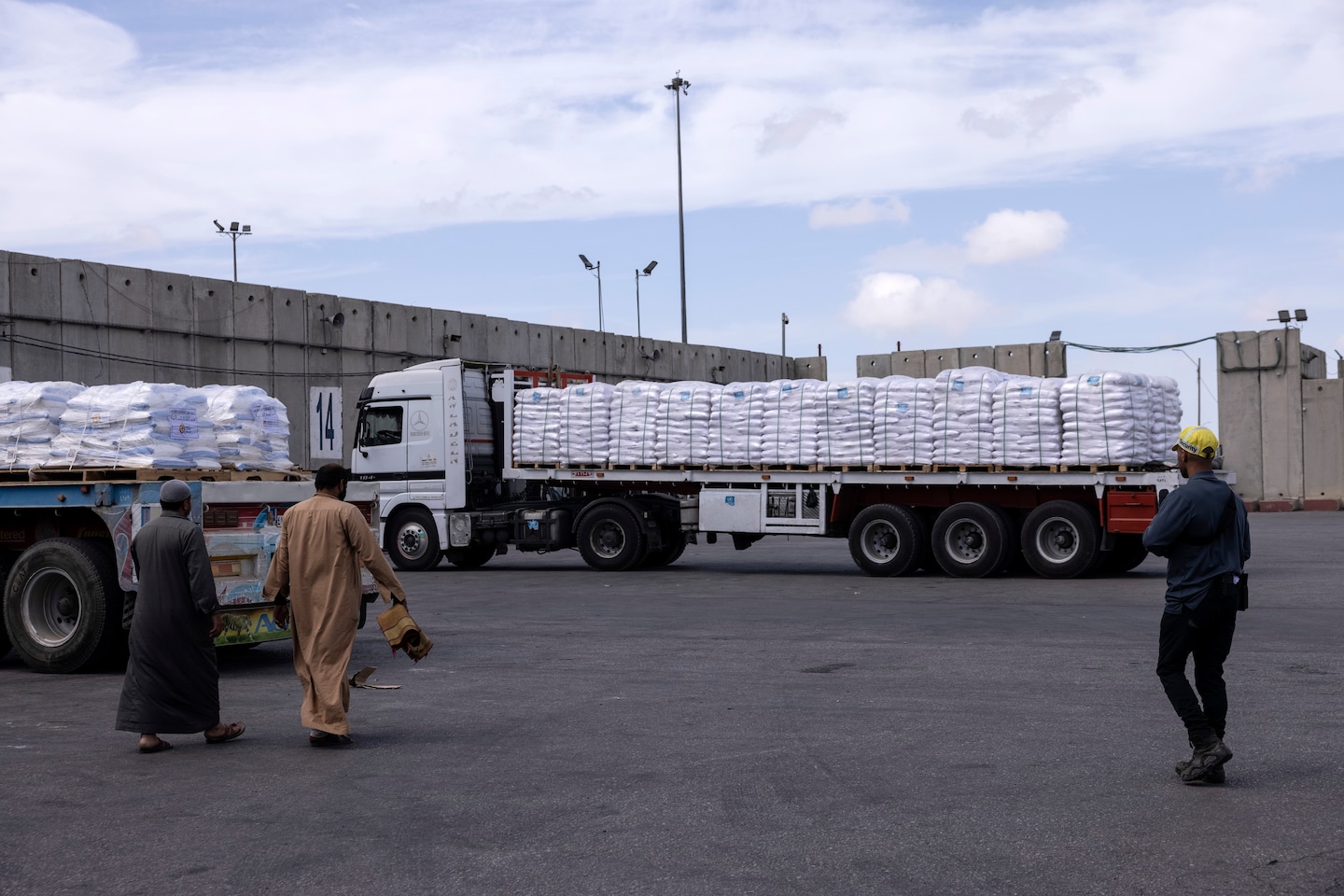
Aid agencies accuse the Israeli military of systemic failings in protecting humanitarian workers in Gaza, citing a pattern of attacks on aid workers and infrastructure. The killing of seven aid workers from World Central Kitchen has sparked global outrage and international pressure on Israel, leading to rare expressions of contrition and the removal of two senior officers from their posts. The attacks have resulted in the curtailment of aid deliveries to Gaza's starving population, despite agencies' efforts to coordinate with Israeli authorities for protection. The IDF's preliminary investigation into the recent attack found multiple errors in targeting the aid convoy, but the mounting toll faced by aid agencies suggests deeper systemic issues in the military's approach to protecting humanitarian workers.
Israeli troops have withdrawn from Gaza's Al-Shifa hospital after a 14-day siege, leaving behind destruction and bodies scattered across the complex. The IDF claims to have killed Hamas militants and seized weaponry and intelligence documents, while Gaza's Civil Defense reports finding at least 300 bodies so far. The hospital is largely destroyed, making it difficult for medical crews to recover bodies and aid survivors. International organizations have condemned the siege, warning of a looming famine in northern Gaza.
Israeli troops have withdrawn from Gaza's largest hospital, Shifa Hospital, after a two-week raid, during which they claimed to have killed 200 militants and detained hundreds more. The raid caused extensive destruction and casualties, with the U.N. health agency reporting over 20 patient deaths and dozens at risk. Israel accuses Hamas of using hospitals for military purposes, while Palestinians deny these allegations and criticize the army for endangering civilians and decimating the overwhelmed health sector. The heavy fighting at Shifa Hospital demonstrates Hamas's resilience, despite previous Israeli claims of dismantling the group in northern Gaza. Israeli Prime Minister Benjamin Netanyahu vows to continue the offensive until Hamas is destroyed and all hostages are freed, facing pressure from both Israelis and allied countries.
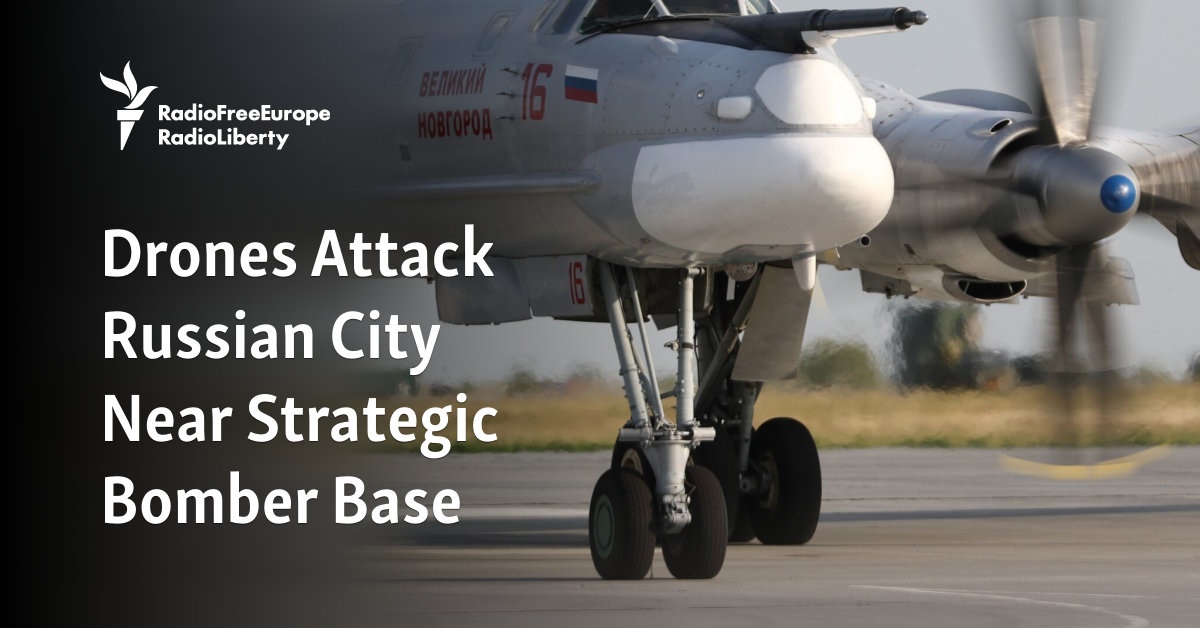
Russian shelling kills 5 in Kharkiv, while Kyiv's forces strike Russia's Belgorod region; Ukrainian drones attack Russian air base; U.S. imposes sanctions on Russian firms for supporting disinformation efforts; Afghan explosion kills 4, wounds 25 in Kandahar; Montenegro to extradite "Cryptocurrency King" to South Korea; Kyrgyz activist Askat Jetigen sent to pretrial detention 2 days after release.
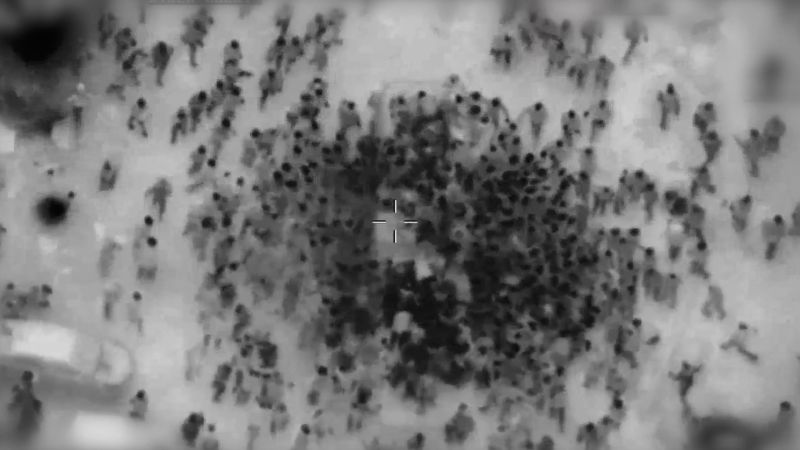
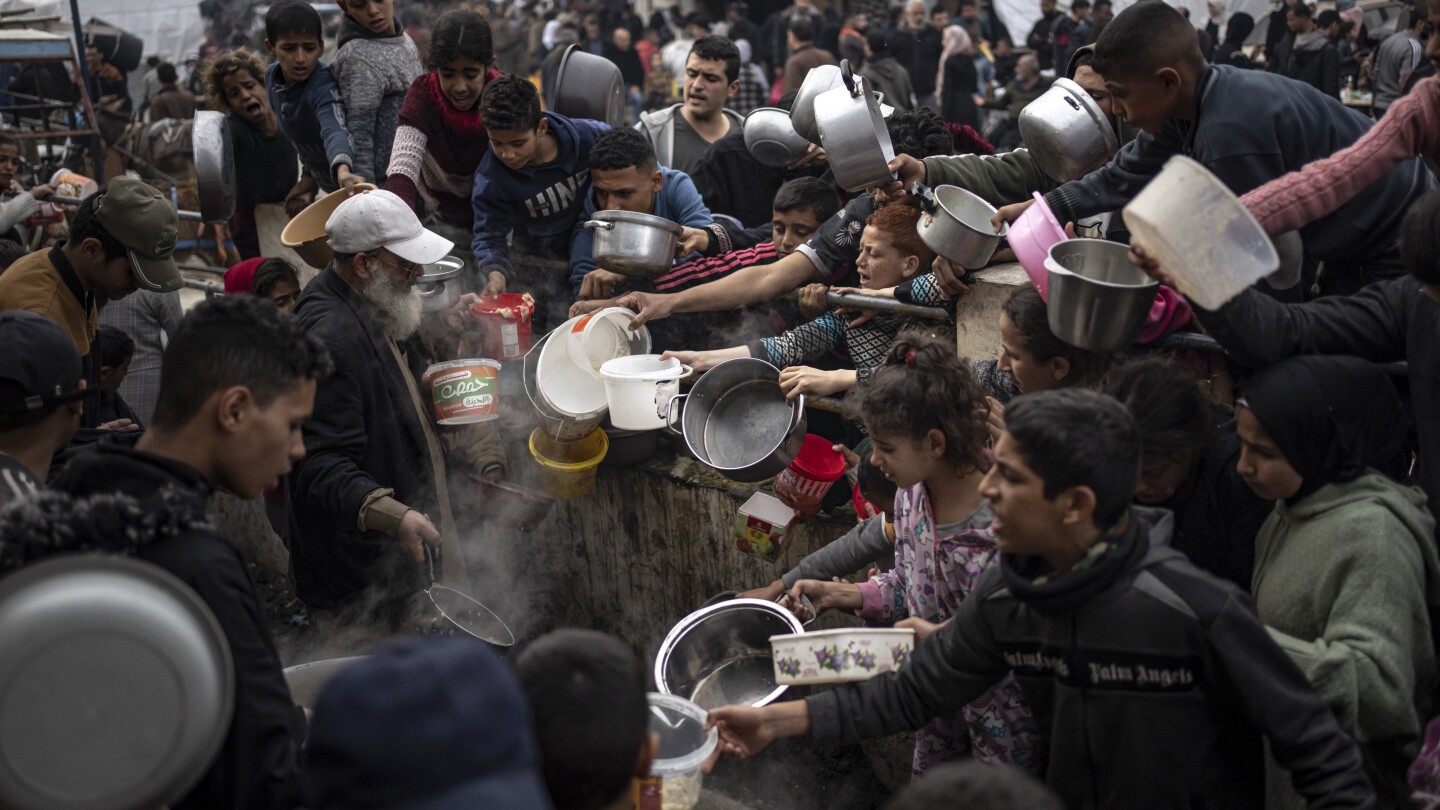
At least 20 people were killed and over 150 wounded in what Palestinian officials and witnesses claim was an Israeli attack on a crowd waiting for aid in Gaza, while Israel's military denies responsibility. The incident occurred as Gaza faces a hunger crisis, with humanitarian officials attributing it to Israel's obstruction of aid. Israel's war cabinet is evaluating a new cease-fire proposal by Hamas, as the United States reviews a hostage release offer from the militant group.
Chaim Otmazgin, an Israeli military reservist and Zaka volunteer, faced challenges investigating the aftermath of the Hamas-led attack on Israel on Oct. 7, including handling remains and documenting evidence of alleged sexual violence. The investigation has been hindered by ongoing conflict, lack of survivors, and limited forensic evidence. The UN report found "reasonable grounds to believe" that sexual violence occurred in at least three locations on Oct. 7, but also noted challenges in interpreting evidence gathered by untrained responders. The response by Zaka, a volunteer rescue group, has faced criticism, including concerns about mishandling of remains and fundraising efforts.
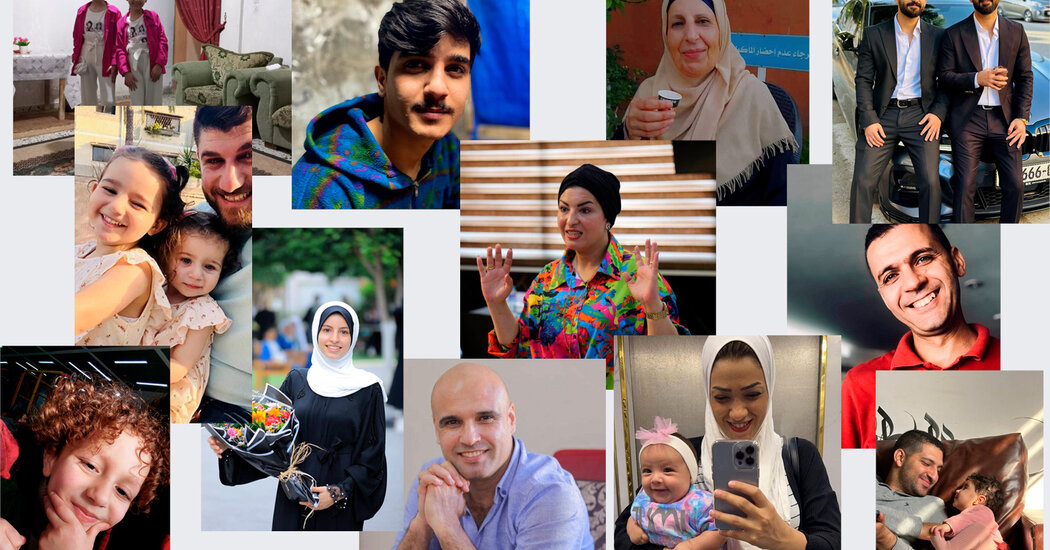
More than 30,000 people have been killed in Gaza in four and a half months of war, with over two-thirds of the total deaths being women and children. The stories of those killed offer a glimpse into the vast human loss, including children who loved playing and learning, young adults with dreams of careers and families, and older individuals who had lived through multiple conflicts. The blockade imposed by Israel and Egypt since 2007 has shaped nearly every aspect of life in Gaza, limiting the movement of goods and making it difficult for many Gazans to leave.
At least 112 people were killed and 760 injured in Gaza City as they gathered around food aid trucks, with conflicting narratives from Israel and eyewitnesses. The incident occurred amid widespread hunger and dire poverty in the besieged enclave, prompting calls for an immediate ceasefire and investigation from the UN and international community. The tragedy has raised concerns about the ongoing negotiations between Israel and Hamas, with the US pressing for answers and urging for more aid to be allowed into Gaza.
Israeli troops opened fire on Palestinians waiting for food aid in Gaza, killing at least 112 and wounding over 750. Witnesses described it as a massacre, while Israel initially blamed the crowd and later claimed their troops felt threatened. Aid deliveries have been delayed, exacerbating the risk of famine, and the international community has condemned the incident. The killings could impact negotiations between Israel and Hamas, with Hamas warning it could stop participating, and US President Biden working to continue the talks.
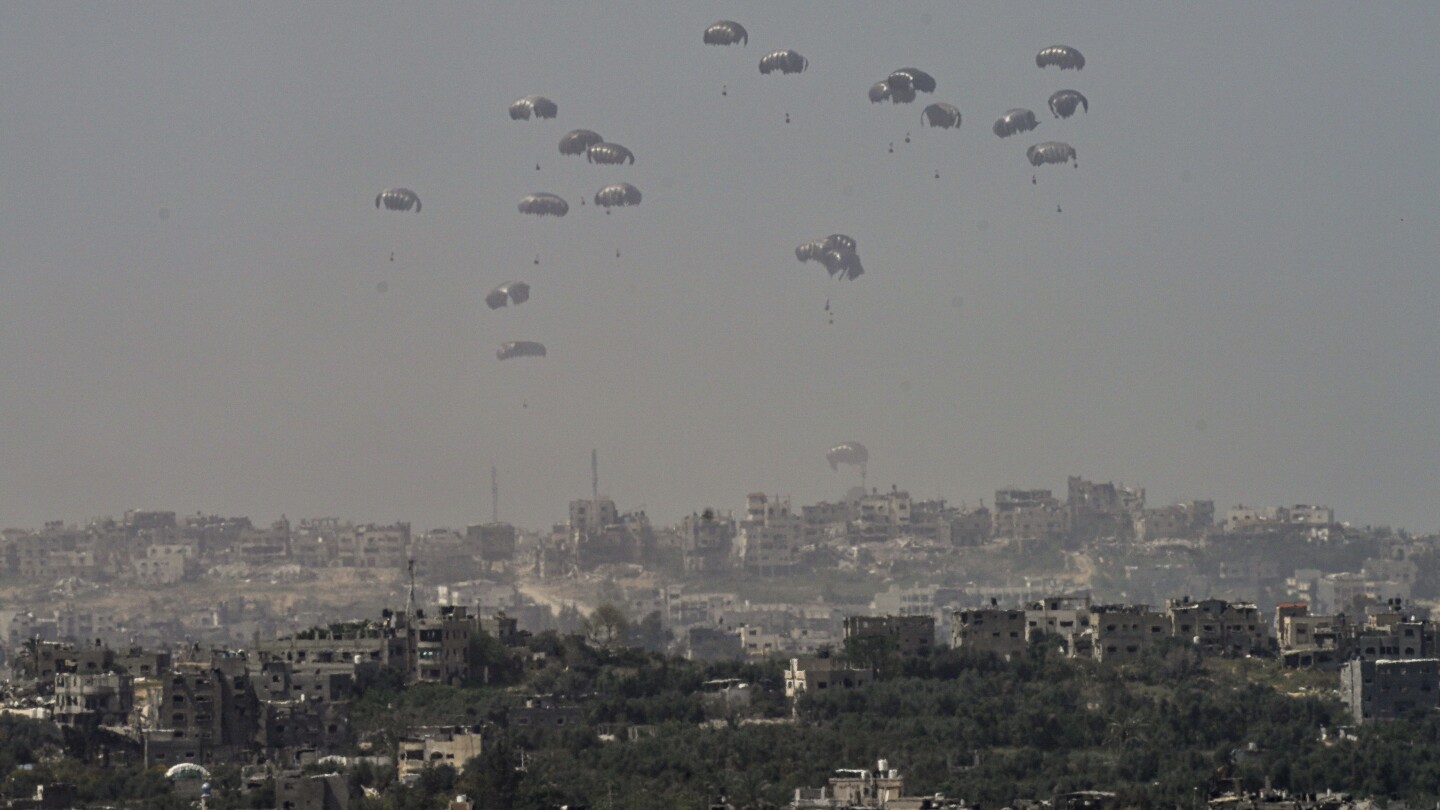
A strike on Palestinians waiting for humanitarian aid in Gaza City killed at least 70 people, bringing the death toll since the start of the Israel-Hamas war to more than 30,000, with another 70,457 wounded. The U.N. warns of further mass casualties if Israel attacks the southernmost city of Rafah, where more than half of Gaza’s population has taken refuge. Aid delivery to Gaza has been hampered by ongoing hostilities, breakdown of public order, and difficulty coordinating with the Israeli military, leading to a dire humanitarian crisis with a quarter of Gaza’s 2.3 million Palestinians facing starvation and around 80% having fled their homes.