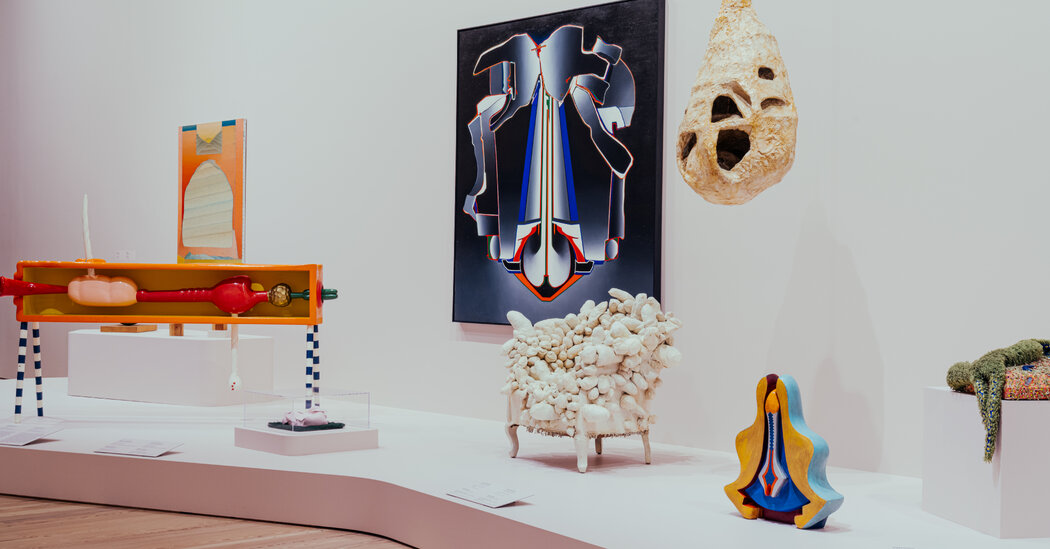
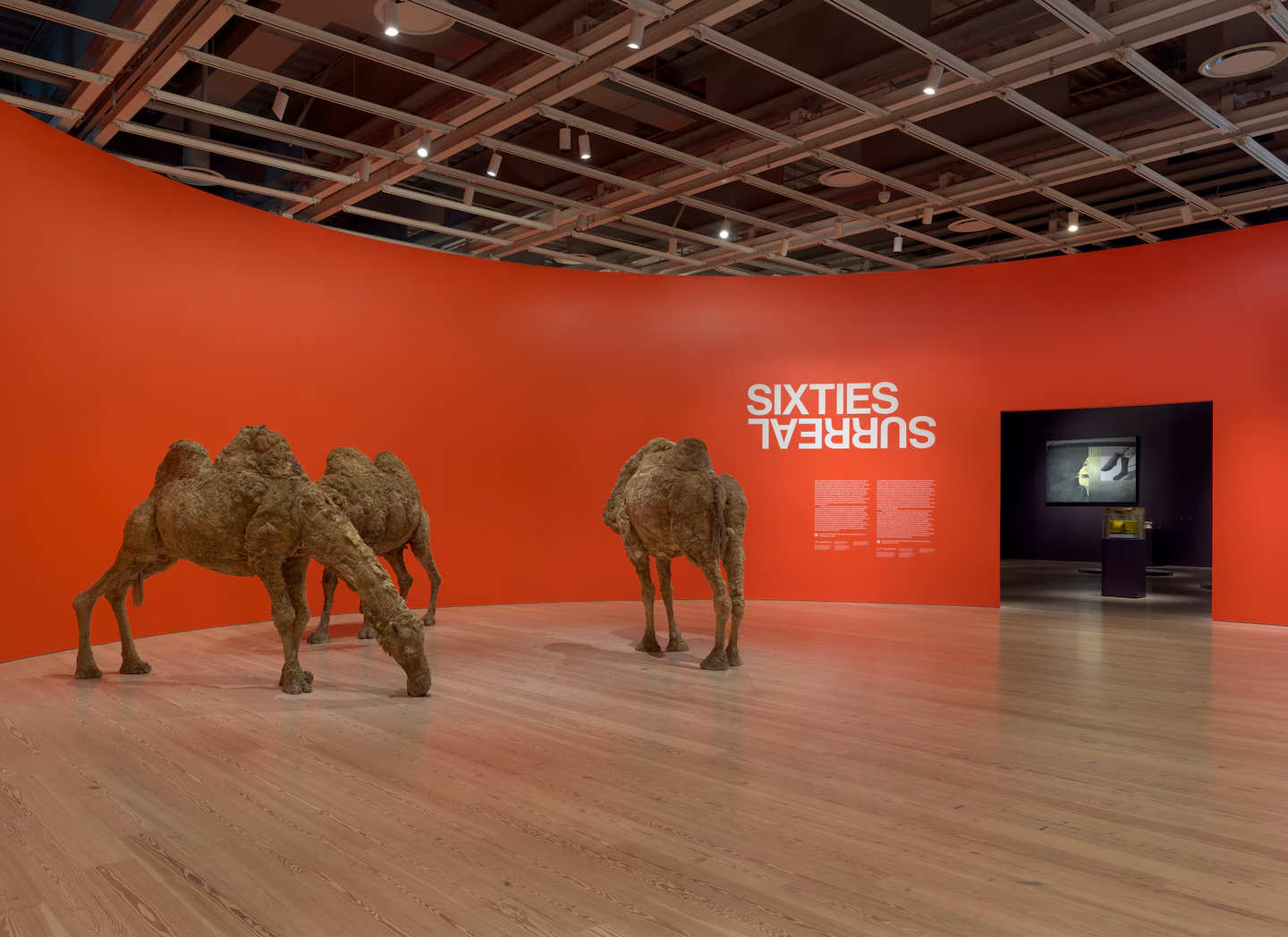
The article highlights nine art exhibitions to visit before they close, including the 'Sixties Surreal' at the Whitney Museum, which features over 150 works from the 1960s that explore counterculture, social unrest, and marginalized artists, offering a revisionist perspective on the era's art.
The Whitney Museum's 'Sixties Surreal' exhibition, intended to explore a pivotal decade of American art, is criticized for being a disorganized collection of disparate works that fails to effectively convey the era's artistic or political significance.
The Whitney Museum has suspended its prestigious Independent Study Program for the 2024-25 academic year following a dispute over a Gaza support event and concerns about censorship and policies, with plans to resume in 2026-27.
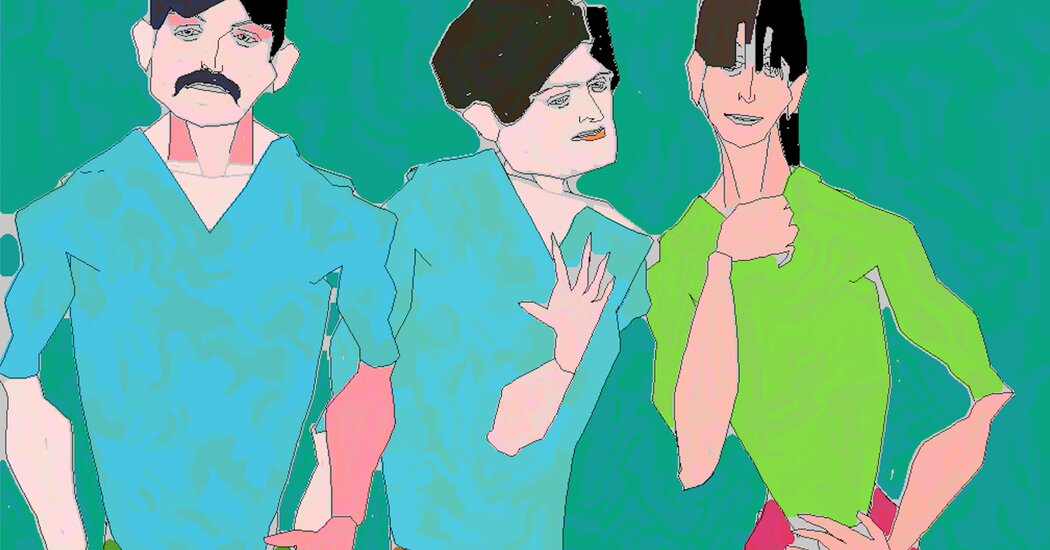
A.I.-generated art takes center stage at the Whitney Museum with "AARON," a software developed by British painter Harold Cohen over four decades. Unlike other A.I. art, Cohen saw A.I. as a tool rather than a shortcut, resulting in increasingly sophisticated art created in collaboration with the software. From abstract linework to intricate compositions of human figures and plants, AARON's evolution is showcased, demonstrating its unique style and the man-machine team's creative partnership.
The Whitney Museum of American Art is hosting the first institutional solo exhibition of Harry Smith, a painter, filmmaker, folk musicologist, and underground legend. The exhibition, titled "Fragments of a Faith Forgotten: The Art of Harry Smith," showcases Smith's diverse body of work, including paintings, drawings, prints, photographs, and films. Despite his reputation as an experimental filmmaker, Smith is best known for his compilation of the six-disc LP collection called the "Anthology of American Folk Music," which played a significant role in shaping the sociopolitical landscape during the civil rights and Vietnam era. The exhibition presents the challenge of presenting Smith's multidisciplinary work in a traditional museum setting, which is addressed through the installation design by sculptor Carol Bove.
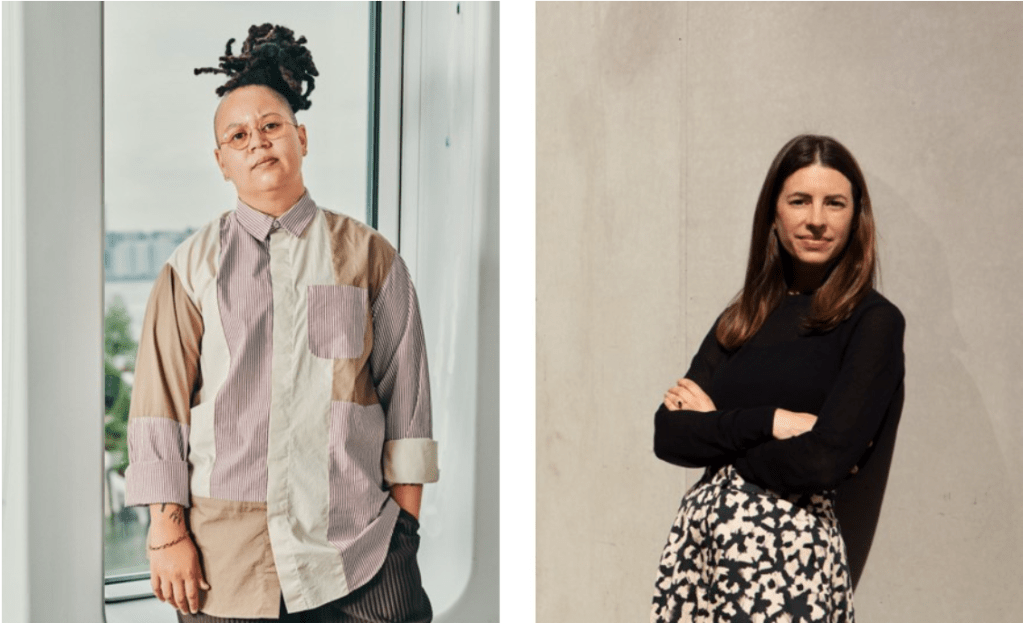
The Whitney Museum of American Art in New York has appointed Meg Onli as its new curator-at-large, a position that has been vacant for almost 15 years. Onli will curate exhibitions, propose acquisitions, and serve as an ambassador and advisor on special projects. The museum has also promoted Laura Phipps to associate curator. Phipps most recently stewarded the landmark retrospective “Jaune Quick-to-See Smith: Memory Map,” on view through August 13, at the Whitney Museum.
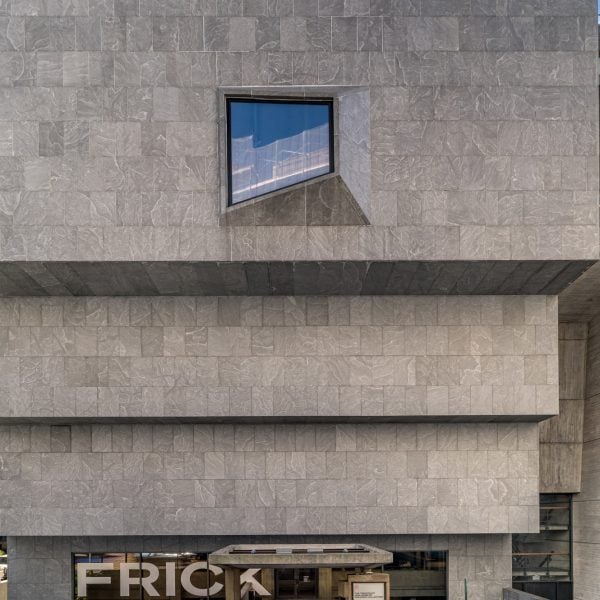
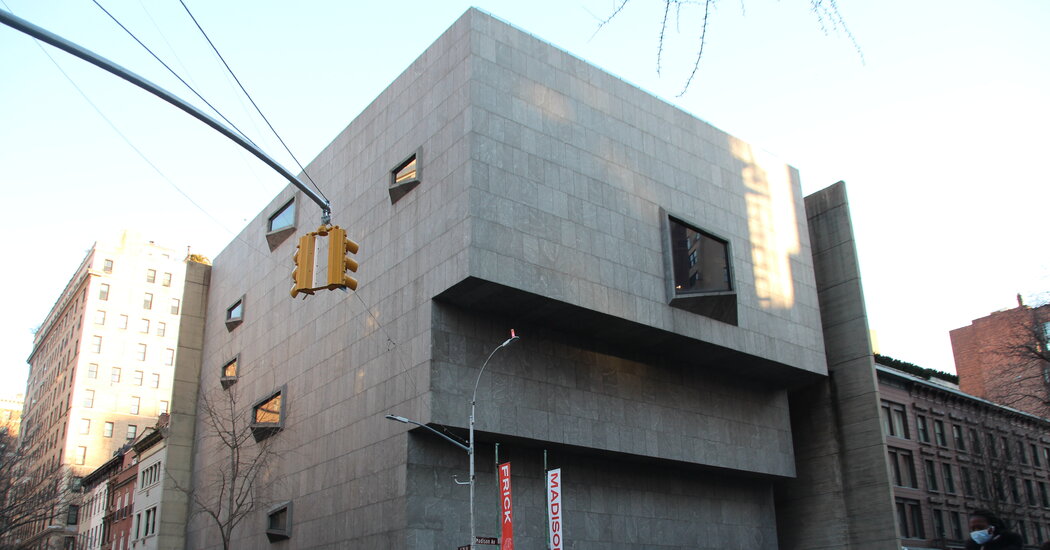
Sotheby's has acquired the Whitney Museum of American Art's Marcel Breuer-designed building on Madison Avenue in Manhattan and plans to turn it into a flagship gallery for the brand. The company will employ an architect to "review and maintain" the structure after it takes possession in September 2024. The building, known as the Breuer Building, is a brutalist structure with a stepped form and a concrete-panel facade. Sotheby's will maintain a collection there that will be open to the public, who can view the auction house's collections before items are sold to private owners.
Sotheby's has purchased the Whitney Museum of American Art's landmark building, the 1966 Brutalist building designed by Marcel Breuer, for about $100 million. Sotheby's will move its headquarters there from York Avenue in 2025, making it their flagship location. The Whitney Museum had leased the building to the Metropolitan Museum of Art and the Frick after moving to the Meatpacking District. The Breuer building will provide Sotheby's with an opportunity to move closer to the Upper East Side art world and improve on its York Avenue location.