Two former executives have filed a lawsuit accusing the Los Angeles Film School of operating a large-scale scam involving fake job placements for graduates to fraudulently secure federal student aid, with allegations of lying to regulators and manipulating employment statistics to maintain accreditation and funding.
A federal judge ordered CVS Health's pharmacy benefit manager unit to pay nearly $290 million in damages and penalties for overcharging Medicare for prescription drugs, citing fraudulent billing practices motivated by financial gain. CVS plans to appeal the decision, which stems from allegations that CVS Caremark inflated claims submitted to Medicare since 2010, damaging public trust and violating the False Claims Act.
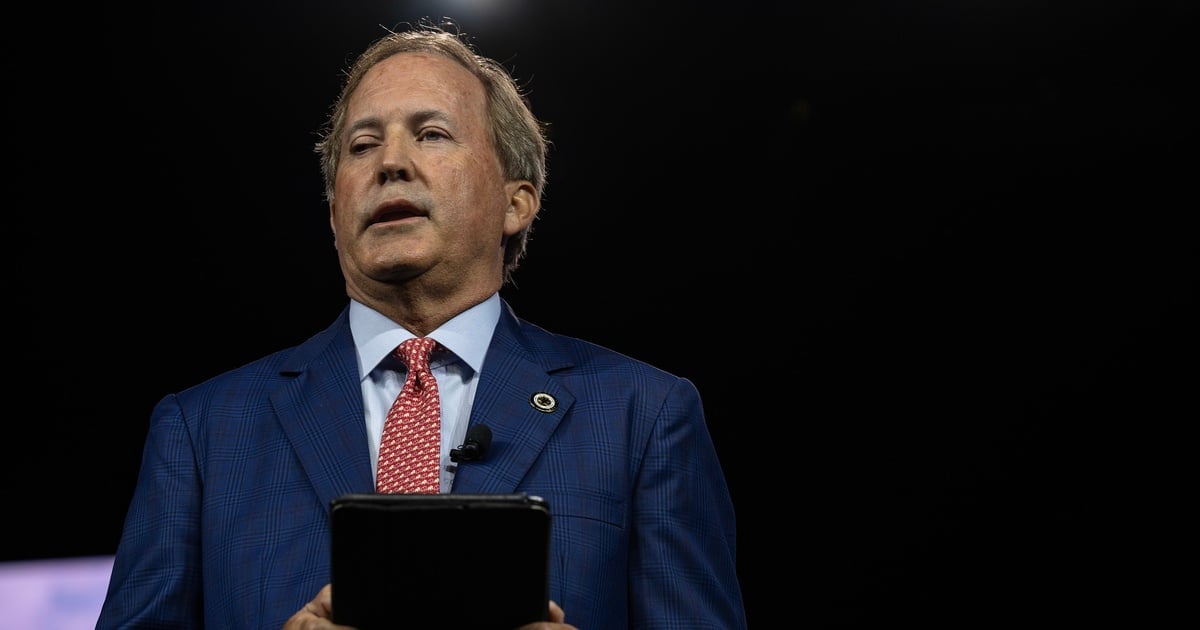
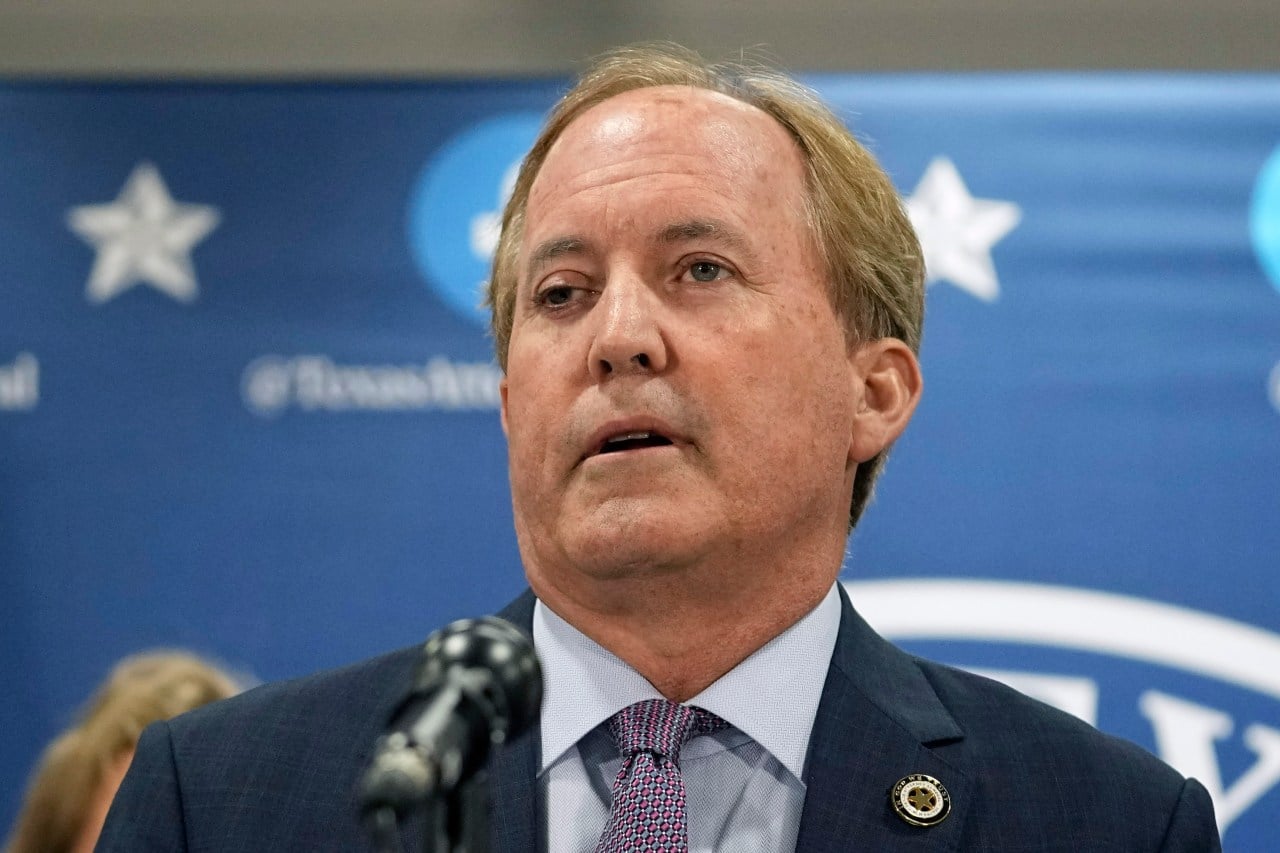
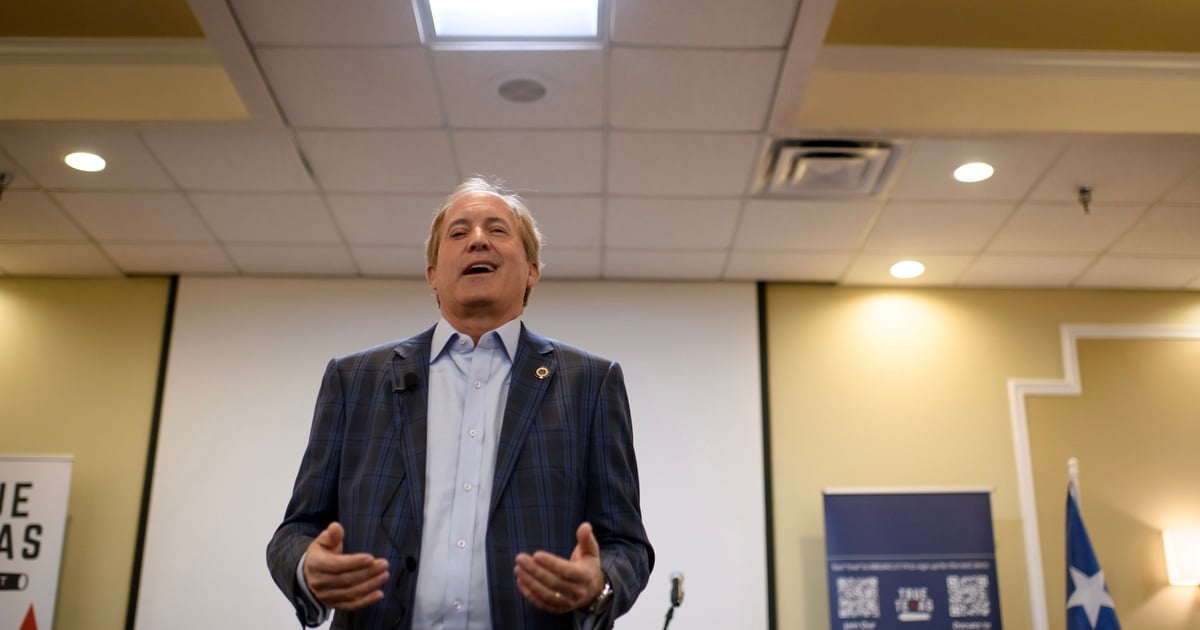
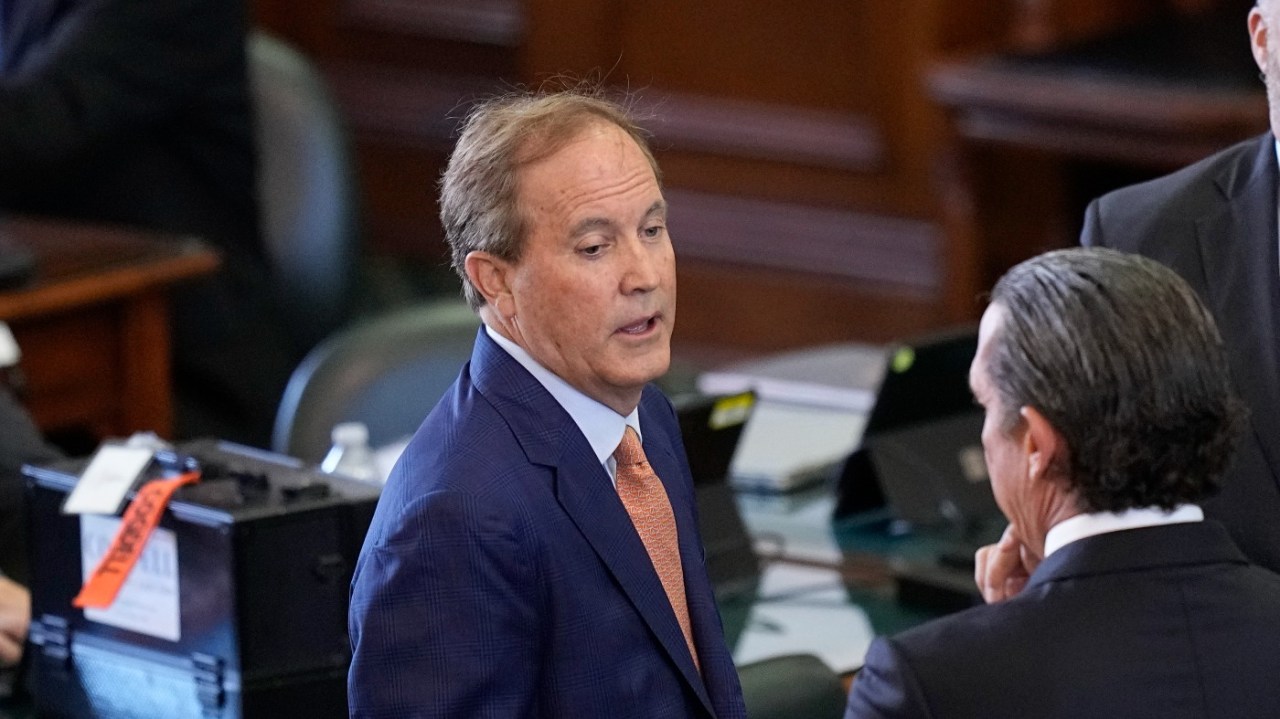
The Texas Supreme Court ruled that Attorney General Ken Paxton will not have to testify under oath in a whistleblower lawsuit filed by four former aides who accused him of corruption and wrongful termination. The court's decision, which Paxton's office hailed as a victory against politically-motivated litigation, prevents the whistleblowers from deposing Paxton and his deputies. The lawsuit, which Paxton has agreed not to contest, alleges violations of the state's Whistleblower Act. Despite the ruling, the lawsuit and related federal investigations continue.
The United States has filed a complaint against Regeneron Pharmaceuticals, alleging that the company fraudulently manipulated Medicare reimbursement for its drug, Eylea, by knowingly submitting false average sales price (ASP) reports to Medicare. The complaint alleges that Regeneron inflated Eylea’s ASP by paying credit card processing fees for the benefit of physician-customers purchasing Eylea, without properly reporting these payments as price concessions to ASP, resulting in hundreds of millions of dollars in inflated reimbursements by Medicare. The government's investigation was prompted by False Claims Act allegations brought in a whistleblower lawsuit, and if found liable, Regeneron could face significant financial penalties.
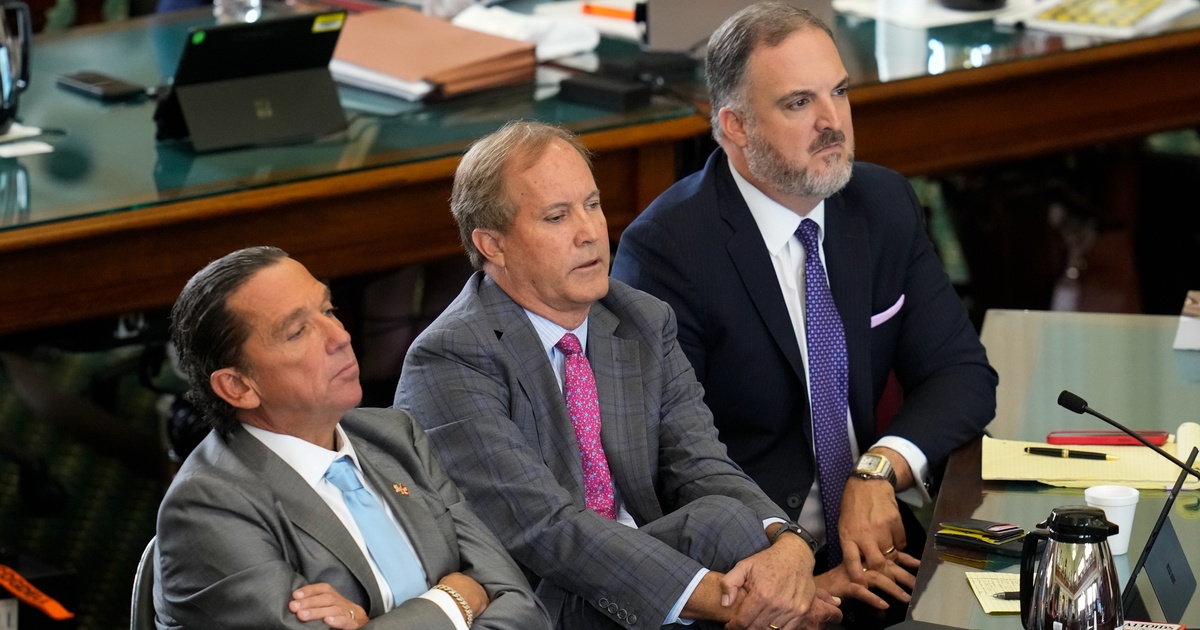
Texas Attorney General Ken Paxton may face a public trial after a judge declined to end a whistleblower lawsuit in his favor without a trial. The lawsuit, filed by former deputies, alleges that Paxton fired them for reporting him to the FBI for allegedly abusing his office to help a wealthy friend and political donor. Despite Paxton's announcement that he won't contest the facts of the case, the judge's decision means he may have to be questioned on the record in open court. The case has been complicated by legal maneuvers and political pressure, including a recent order from the Texas Supreme Court staying depositions.
The Texas Office of the Attorney General has filed an emergency request with the Texas Supreme Court to block depositions from Ken Paxton and his deputies in a whistleblower lawsuit, arguing that Paxton previously elected not to contest any issue of fact in the case. The whistleblowers' attorneys have filed a response urging the Supreme Court to deny the request. Separately, a Travis County court will have a hearing over the OAG's motion for entry of a judgment in the case, and State Sen. Drew Springer has sent a letter asking the Texas Senate and lieutenant governor to consider reopening the impeachment process based on Paxton's recent legal maneuvers.
Texas state senator Drew Springer is calling for the impeachment inquiry against Attorney General Ken Paxton to be reopened after Paxton indicated he would not contest allegations in a whistleblower lawsuit. Springer, who initially voted for Paxton's acquittal, now questions whether Paxton and his legal team misled the Senate. The whistleblower lawsuit alleges that Paxton misused his power to help a real estate developer and unjustly terminated four former employees who reported him to the FBI. Paxton's recent decision not to contest the lawsuit is seen by Springer as an admission of guilt that should be reviewed by the legislature.
Texas Sen. Drew Springer, who previously voted to acquit Attorney General Ken Paxton of impeachment charges, is now calling for the Senate to reconsider impeachment after Paxton's recent legal maneuvers in a whistleblower lawsuit. Springer accuses Paxton of possibly misleading the Senate and exposing taxpayers to a $3.3 million settlement. Paxton's attempts to settle the lawsuit and block his deposition have raised concerns among some senators, including Democrat Sarah Eckhardt. Paxton, who has maintained his innocence, is scheduled to be deposed on Feb. 1.
Texas Senator Drew Springer, who previously voted to acquit Texas Attorney General Ken Paxton in an impeachment trial, is now calling for the trial to be reopened after Paxton's office indicated they would not contest accusations of violating the Whistleblower Act. The accusations stem from Paxton's alleged retaliation against employees who reported him to the FBI for bribery and corruption. Springer's letter to his Senate colleagues expresses concern that failing to reconsider the impeachment proceedings could allow Paxton to mock the Texas Senate, prompting a response from Paxton accusing Springer of having sour grapes.
Republican state senator Drew Springer, who previously voted to acquit Attorney General Ken Paxton in his impeachment trial, has called for the Texas Senate to consider reopening the proceedings following Paxton's decision not to contest the whistleblower lawsuit. Springer expressed concern that Paxton's actions could undermine the Senate's credibility and criticized Paxton for potentially burdening taxpayers with a settlement. Despite Paxton's recent reversal, he still faces a deposition in the lawsuit, and Springer's letter comes as he is freer from political consequences due to not seeking reelection.
Texas Attorney General Ken Paxton has announced that he will no longer contest the facts of the whistleblower lawsuit against him and is prepared to accept any judgment, effectively dropping his denial of violating the Texas Whistleblowers Act. This move comes after exhausting options to avoid sitting for a deposition. Paxton's former top deputies allege they were illegally fired for reporting him to law enforcement, and the case has been a costly and distracting legal battle. Despite Paxton's latest maneuver, the whistleblowers are determined to have their day in court and see Paxton answer questions under oath.
Texas Attorney General Ken Paxton has announced that he will no longer contest the facts of the whistleblower lawsuit against him and is prepared to accept any judgment, seeking to end the long-running legal battle. The lawsuit, brought by four former top deputies, alleges they were fired for reporting Paxton to the FBI for alleged abuses of office. Paxton's office portrayed the move as a way to end the costly and distracting litigation, but the whistleblowers' lawyer called it a desperate stunt to prevent the truth from coming out. Paxton has been trying to derail the lawsuit since his impeachment trial, but multiple judges have rejected his arguments, and a Travis County district judge ordered the case to move forward with depositions.
The Texas Supreme Court denied Attorney General Ken Paxton’s request to block his deposition in a whistleblower lawsuit filed by his former top-ranking deputies, who allege Paxton wrongfully terminated them after reporting him to federal authorities. The court also denied Paxton’s request to dismiss the lawsuit altogether. This decision will likely compel Paxton to answer questions about allegations of bribery and abuse of power. The lawsuit stems from 2020, when high-ranking officials in Paxton’s office were fired after reporting him to the FBI, and was previously settled for $3.3 million before a House committee initiated an investigation, triggering Paxton’s impeachment and temporary suspension from office.
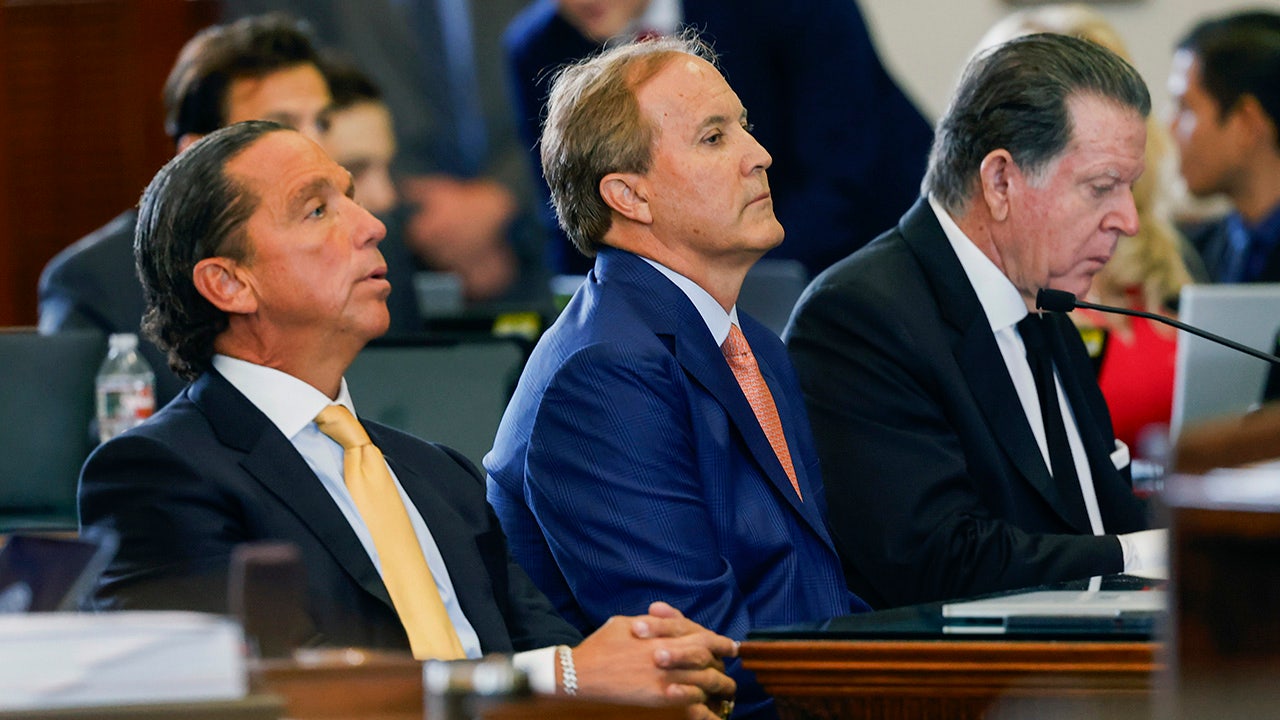
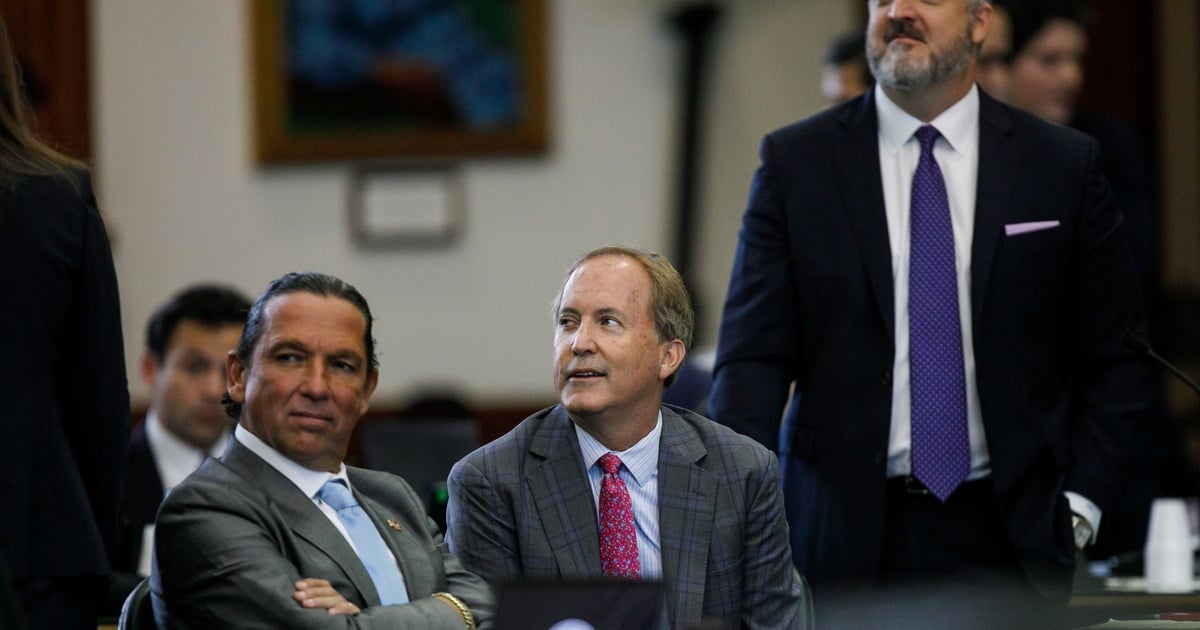
A Travis County judge has ordered Texas Attorney General Ken Paxton and three other top aides to testify under oath in a three-year-old wrongful termination lawsuit filed by former deputies. The lawsuit stems from allegations that Paxton abused his office to help a friend and campaign donor. Paxton had previously reached a settlement with the whistleblowers, but the case resumed after the Texas Supreme Court paved the way. Paxton's lawyers argued against the depositions, claiming legal protection for high-ranking officials, but the judge ruled that their testimony is critical due to their unique knowledge of the case. No dates have been set for the depositions.
A judge has ordered Texas Attorney General Ken Paxton and three top aides to sit for depositions in a whistleblower lawsuit against him. The whistleblowers, former top deputies who sued Paxton in 2020, alleged that he improperly fired them after they reported him to the FBI for abusing his office to help a wealthy friend and donor. Paxton's office had previously attempted to settle the case for $3.3 million, but the Texas House rejected the use of taxpayer dollars for the settlement. The depositions will provide an opportunity for the whistleblowers to gather evidence and seek accountability from Paxton and his aides.