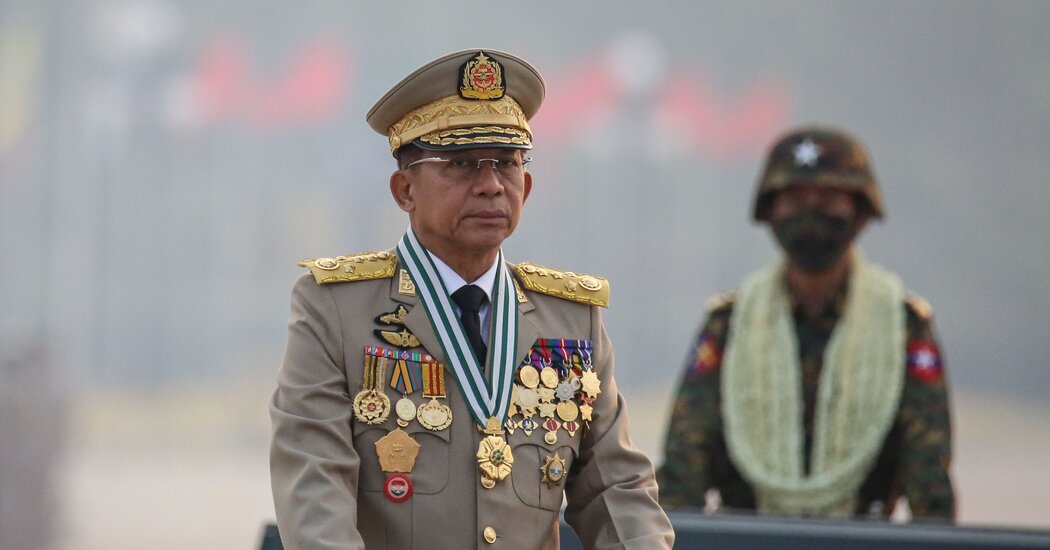
The International Criminal Court's prosecutor has requested an arrest warrant for Myanmar's junta leader, accusing him of war crimes and crimes against humanity. This move is part of ongoing efforts to hold Myanmar's military accountable for its actions against the Rohingya and other ethnic groups.

The International Criminal Court (ICC) can prosecute leaders of non-member states like Israel if alleged crimes occur in territories of member states or if the United Nations Security Council refers a situation to the ICC. This jurisdictional reach allows the ICC to investigate potential war crimes or crimes against humanity committed in Palestinian territories, which are recognized by the ICC as a member state.
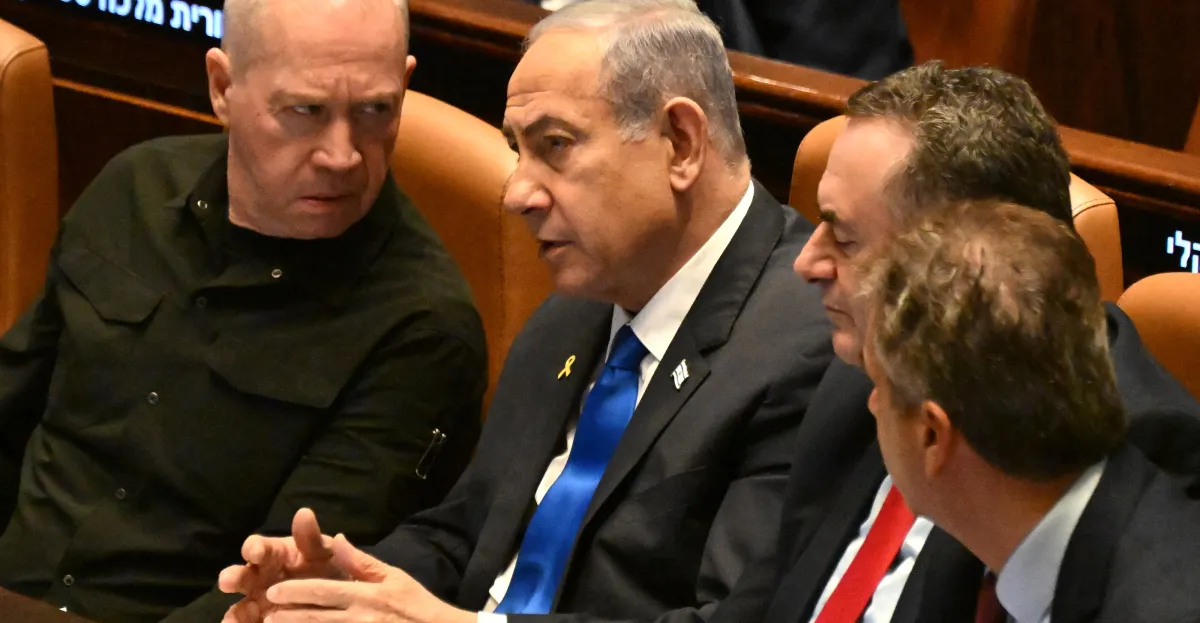
The International Criminal Court (ICC) has issued arrest warrants for Israeli Prime Minister Benjamin Netanyahu, former Defense Minister Yoav Gallant, and Hamas military chief Mohammed Deif for war crimes and crimes against humanity. While the warrants complicate international travel for Netanyahu and Gallant, immediate arrest is unlikely as Israel and the US are not ICC signatories. The warrants may strain diplomatic relations and affect military aid, particularly from European countries. The charges, which include blocking humanitarian aid to Gaza, will persist without a statute of limitations.
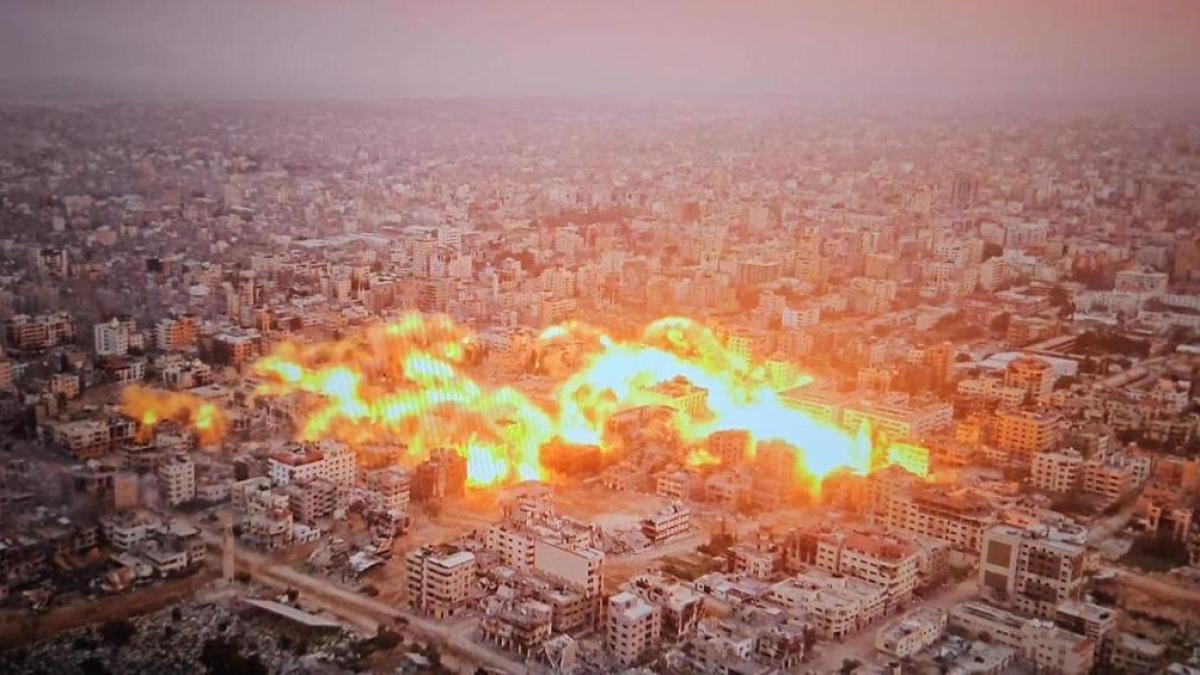
The International Criminal Court has issued arrest warrants for Israeli Prime Minister Benjamin Netanyahu and former Defense Minister Yoav Gallant, accusing them of war crimes and crimes against humanity in the Gaza Strip. The charges include using starvation as a weapon and targeting civilians. Additionally, a warrant was issued for Hamas' military chief Mohammed Deif, though his death has been claimed by Israel but not confirmed by Hamas. Previous warrants for other Hamas leaders were withdrawn after their deaths were confirmed.
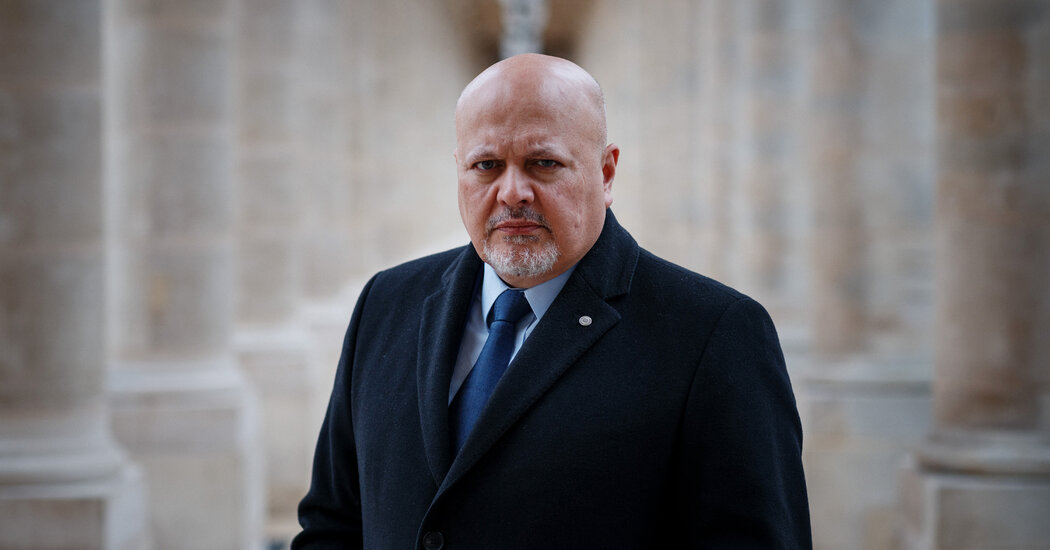
The International Criminal Court (ICC) prosecutor, who is pursuing the arrest of Israeli leaders over alleged war crimes, is now facing an inquiry himself. This development adds complexity to the ongoing legal and diplomatic tensions surrounding the ICC's investigations into actions by Israeli officials.
Chef and philanthropist Jose Andres accuses Israel of committing a "war against humanity" following the deaths of seven World Central Kitchen aid workers in an Israeli airstrike in Gaza. Israel called the attack a "grave mistake" and said it misidentified a worker as a Hamas gunman, but Andres dismissed this explanation, stating that it's "unforgivable." President Joe Biden expressed outrage over the deaths and emphasized that U.S. support in the Gaza war depends on "immediate" steps to protect civilians and aid workers.
Alan Dershowitz, a high-profile attorney, is reportedly being considered to represent Israel at the International Court of Justice against accusations of war crimes in Gaza made by South Africa. Critics argue that Dershowitz's defense, which includes denying Israel's war crimes and accusing Hamas of using human shields, is weak and ignores substantial evidence of Israel's aggressive military tactics in Gaza. The article questions the effectiveness of Dershowitz's arguments and his ability to provide a robust defense for Israel at The Hague.
The author, a resident of Gaza, recounts the harrowing experiences of war, including the destruction of their home and the death of family members. Despite the devastation and ongoing conflict, the author lit a candle for Gaza amidst the darkness of bombings, symbolizing a glimmer of hope and the desire for survival and peace as they enter the New Year. The narrative highlights the severe impact of the conflict on civilians, the loss of human life, and the struggle for basic necessities in the face of war.
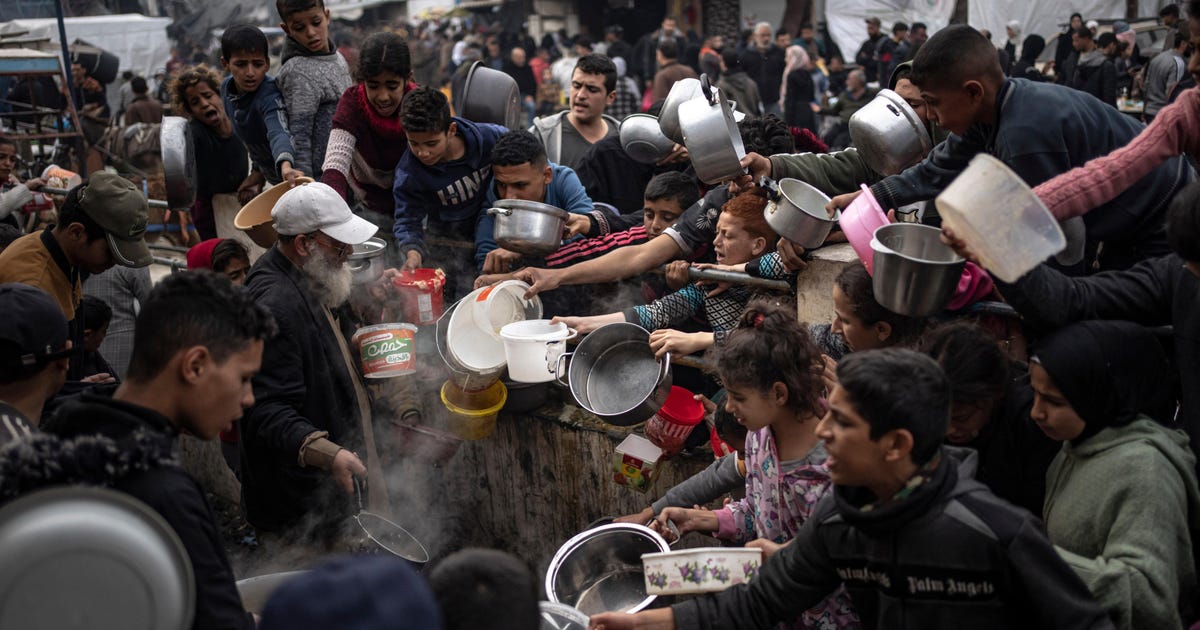
Reports and visual evidence from the Gaza Strip indicate a dire humanitarian situation with widespread famine, disease, and a critical lack of medical supplies. Gazans are resorting to collecting weeds for food, and the extreme conditions are affecting the health of mothers and children. The severity of the crisis raises questions about the moral and legal implications for Israel, suggesting that even staunch supporters may reconsider their stance in light of potential war crimes due to the minimal sustenance provided to Gazans.