The article examines how Dick Cheney's aggressive pursuit of presidential power and his disdain for constitutional checks helped shape the modern presidency, ultimately paving the way for Donald Trump's rise and approach to governance, despite Cheney's later opposition to Trump.
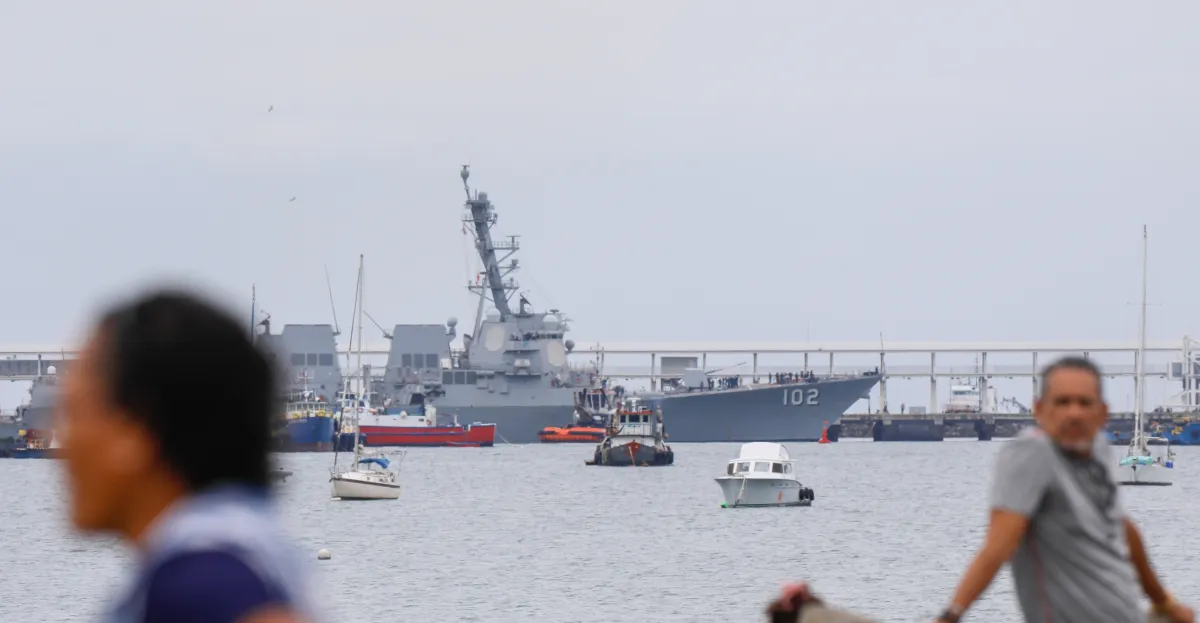
The article discusses how President Trump is integrating military tactics from the war on terror into the fight against drug cartels in Latin America, including designating criminal groups as terrorist organizations and conducting military strikes, exemplified by a recent attack on a Venezuelan drug boat and increased military presence in the region.
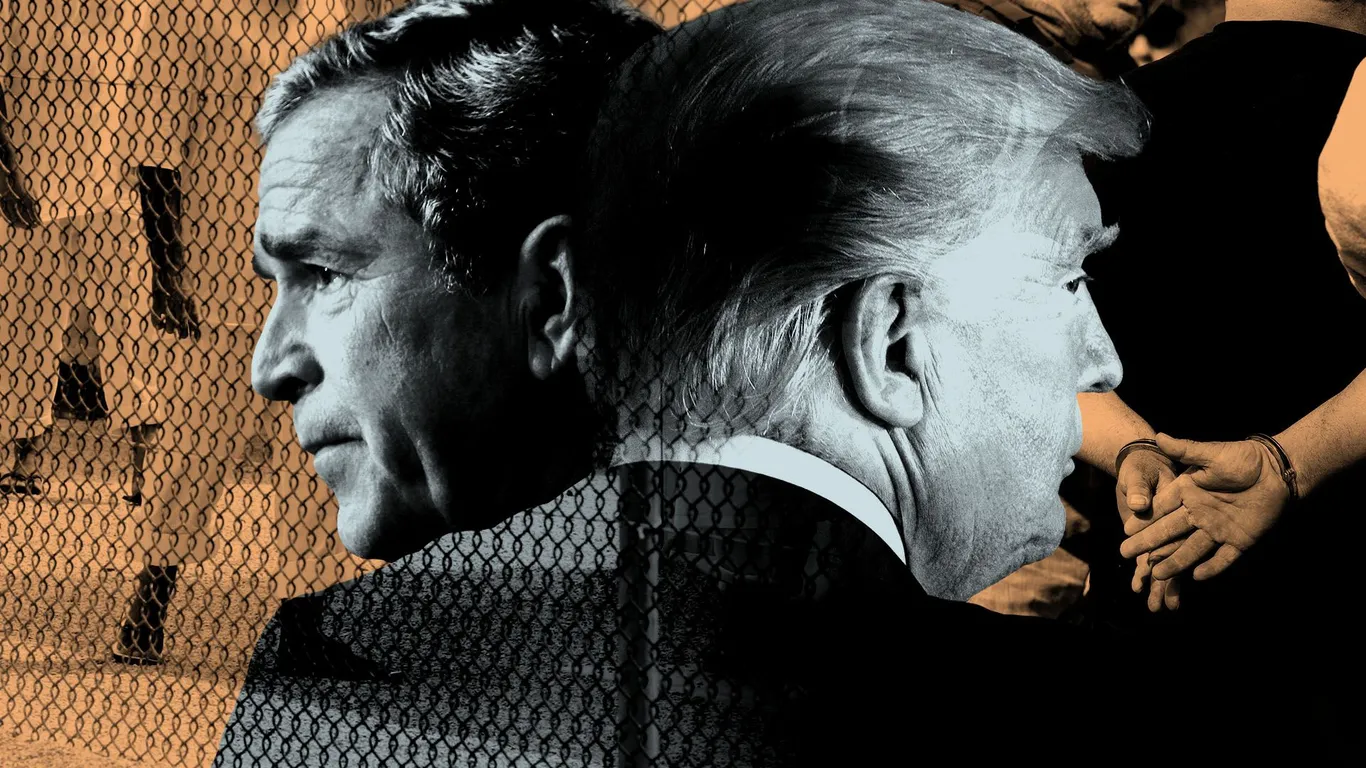
The article compares Donald Trump's post-9/11 policies to those of George W. Bush, highlighting similarities in surveillance, military actions, detention practices, and legal strategies, while noting broader scope and more aggressive deportation efforts under Trump.
In the early 2000s, Southeast Asia faced a significant threat from Jemaah Islamiyah (JI), a group linked to al-Qaeda and responsible for multiple terror attacks. However, through targeted counterterrorism efforts, including the enactment of antiterrorism legislation, arrests, and the creation of specialized units, governments in the region, particularly Indonesia, effectively curtailed the regional threat. The success can be attributed to a combination of factors, including political will, intelligence sharing, deradicalization programs, and the fracturing of JI due to internal disputes. While JI remains active, its focus has shifted to non-violent activities. However, the threat of terrorism in Southeast Asia persists, with other groups like Jamaah Ansharut Daulah (JAD) emerging. The region remains vigilant, as the emergence of new leaders or changes in the global environment could quickly alter the landscape.
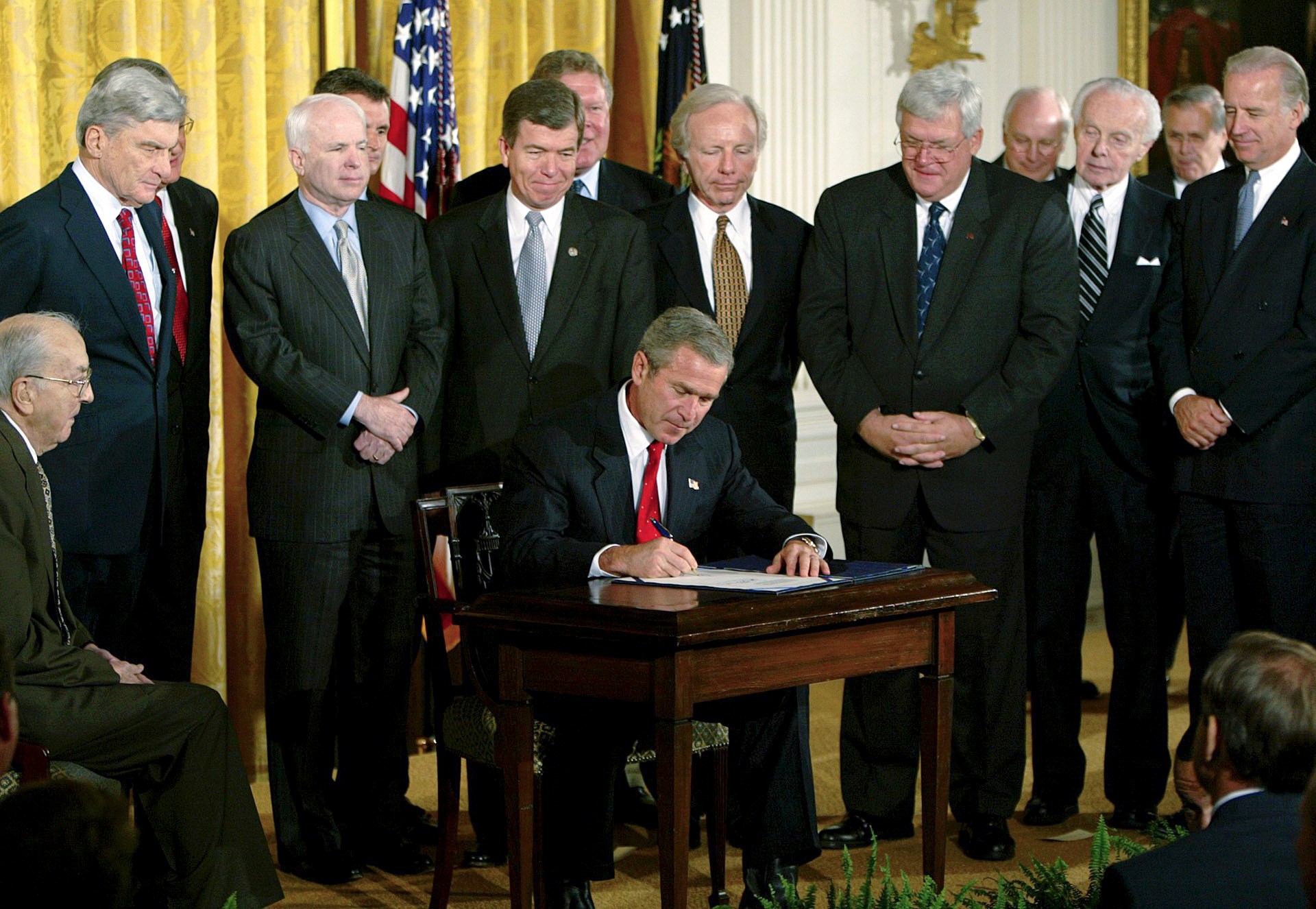
The US Senate has voted to repeal the legal authorisation for the 2003 Iraq War, as well as a 1991 Iraq AUMF that coincided with the Gulf War, in a move hailed by critics who have long called for legislators to address the legal architecture of Washington’s post-September 11, 2001, “war on terror”. The move represents the first time since the 1970s that the Senate has voted to revoke an authorisation for presidential use of force. The House of Representatives is expected to face a steeper battle, but observers agree that the repeal has a reasonable chance.