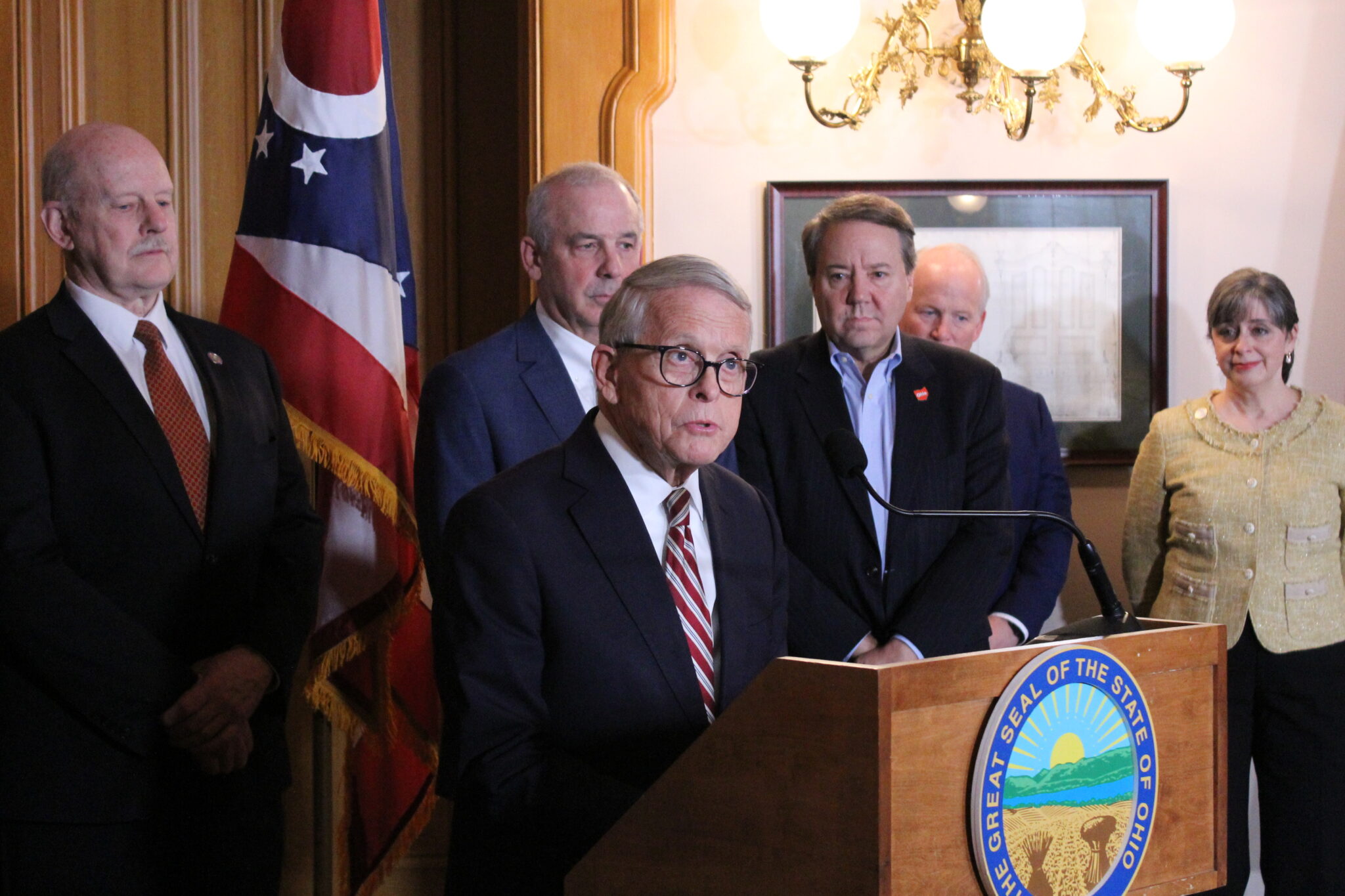
Ohio Governor Mike DeWine signed legislation including property tax measures and Avery's Law, despite concerns over voting restrictions and property tax initiatives, aiming to provide tax relief and enhance dog attack protections, amid ongoing debates over election laws and tax policies.
The MLB All-Star Game, previously moved out of Atlanta in 2021 due to Georgia's voting laws, is returning to the city in 2025 amid a changed political climate.
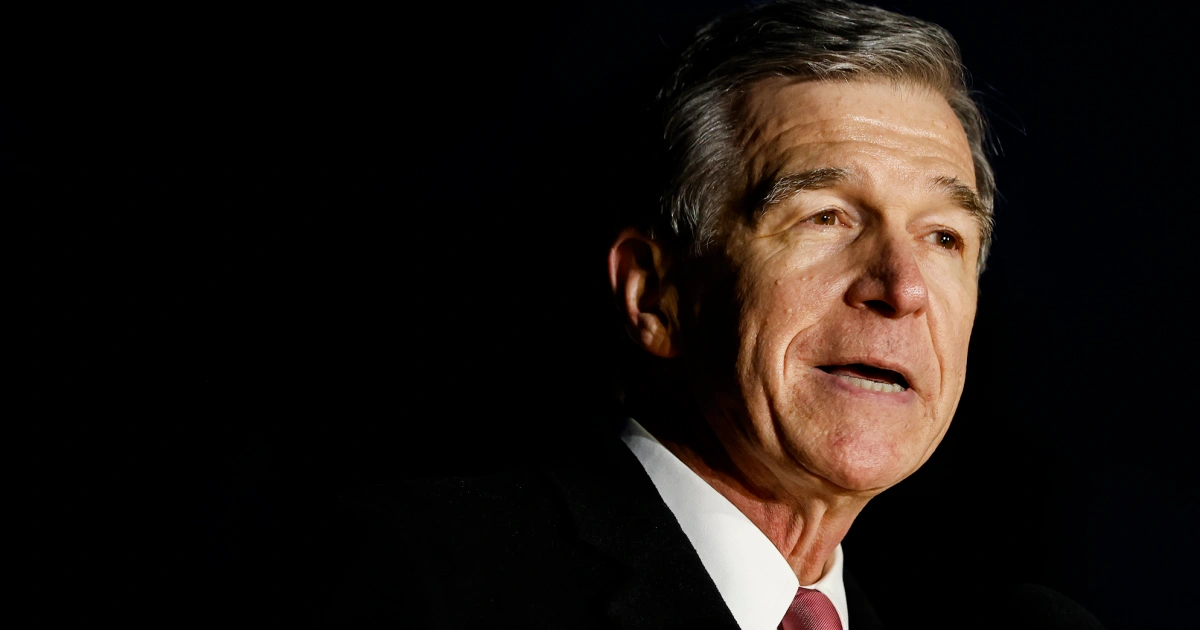
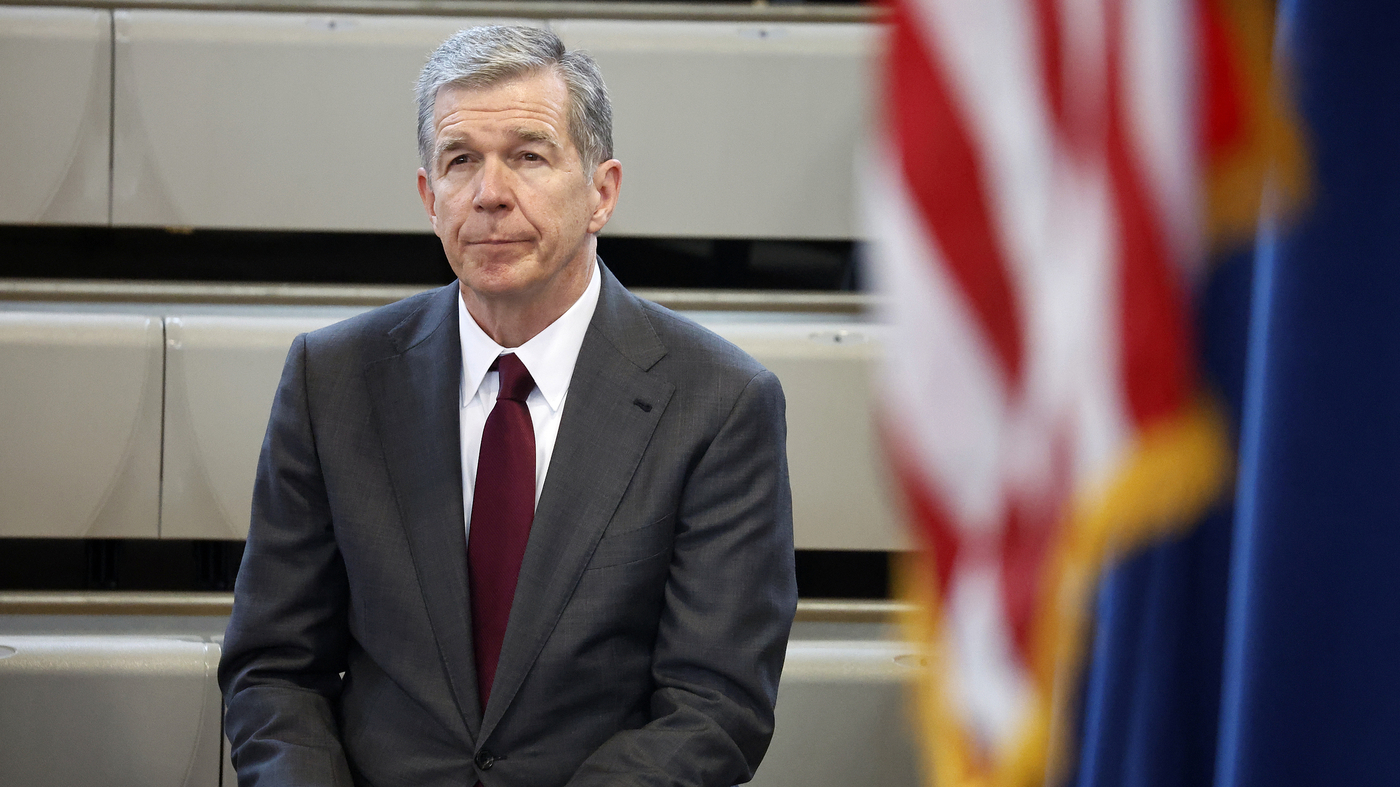
North Carolina Republicans have successfully overridden the vetoes of two election bills by the Democratic governor, granting themselves more control over election administration and imposing voting restrictions. The bills rework the composition of state and local election boards, removing the governor from the process and creating evenly divided boards appointed by state legislative leaders. Critics argue that this could lead to gridlock and limit early voting. Another bill adds restrictions such as banning drop boxes and shortening the deadline for receiving mail ballots. Litigation is expected, potentially delaying or blocking the implementation of challenged provisions.
North Carolina Republicans have overridden Democratic Governor Roy Cooper's vetoes to enact vote-count restrictions and weaken the governor's oversight of elections and state regulatory bodies. The new laws eliminate the governor's power to appoint the State Board of Elections and end the three-day grace period for counting absentee ballots. These changes, part of a wave of GOP election laws, are likely to face legal challenges as the 2024 elections approach. Critics argue that the legislation will suppress voting and give Republicans an advantage in close races. The laws also limit the governor's authority to appoint members to other boards and commissions.
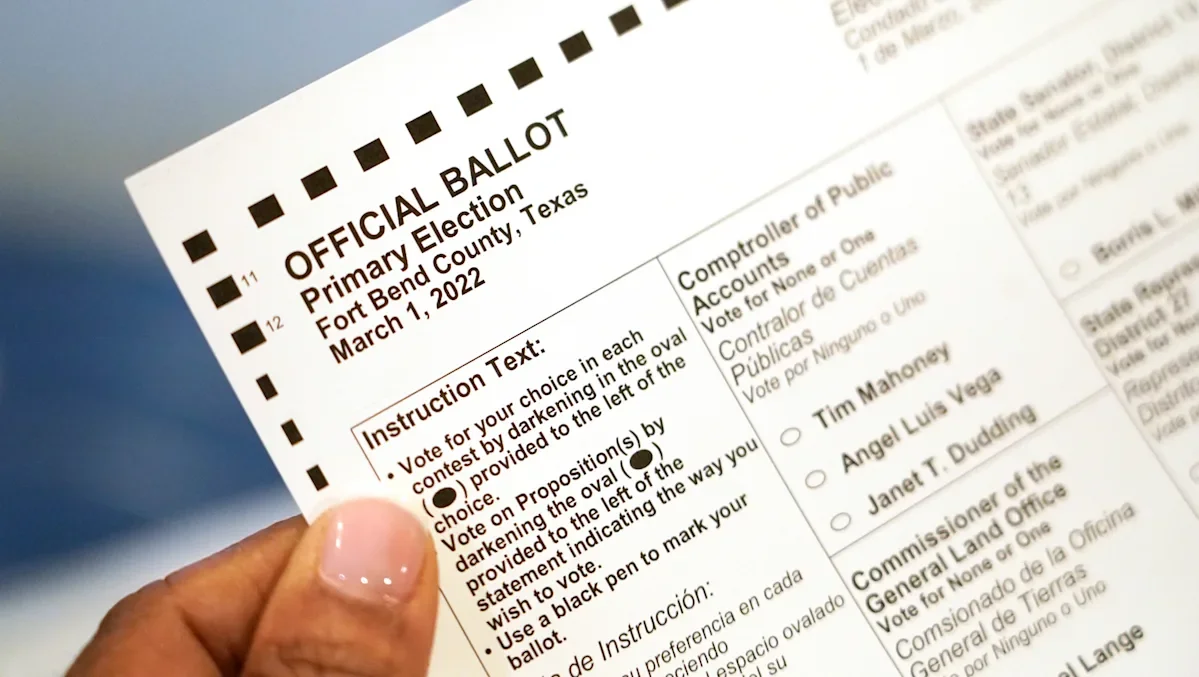
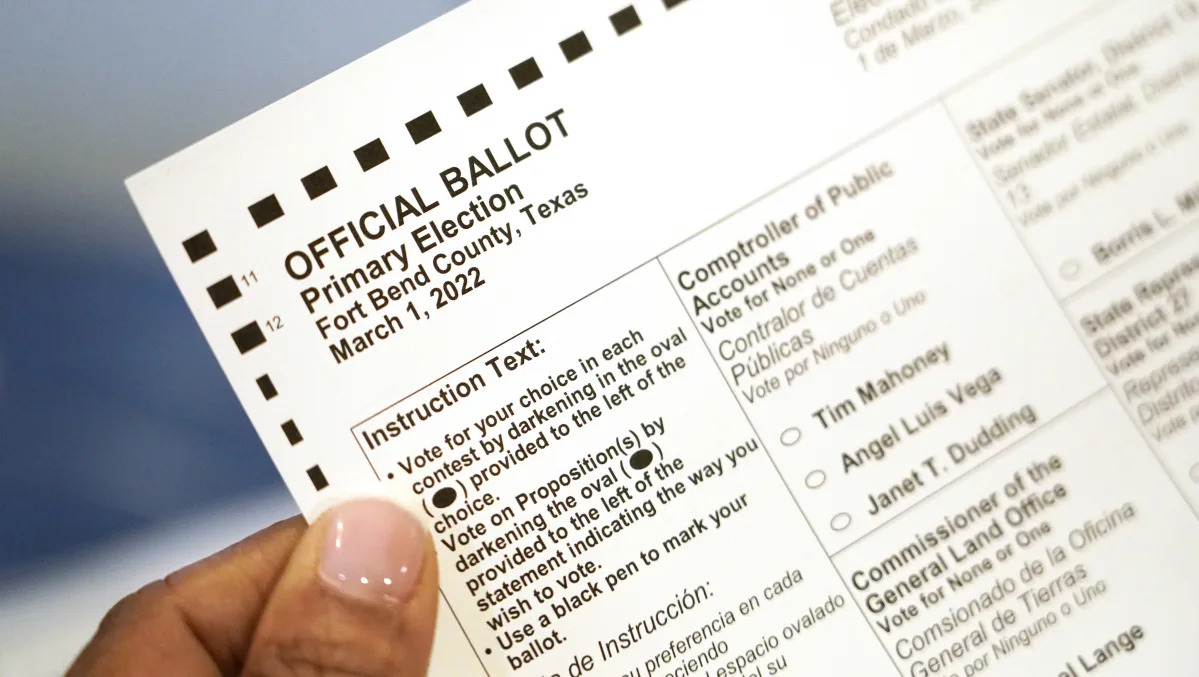
A trial has begun over a Texas voting law that led to a 38-day walkout by Democrats in 2021, as part of Republican efforts to pass new voting restrictions following former President Donald Trump's false claims of a stolen election. The lawsuit, brought by a coalition of voting rights groups, challenges the changes signed into law by Republican Governor Greg Abbott. The trial's outcome could impact the voting rules for the 2024 elections in Texas, although any decision is likely to be appealed. The law includes a ban on 24-hour polling places and drive-thru voting, with many changes targeting Harris County. During the rollout of the law, over 23,000 mail ballots were rejected in the March 2022 primary elections, and the rejection rate remained higher than normal in the November general election.
A trial has begun over a Texas voting law that led to a 38-day walkout by Democrats in 2021, as part of Republican efforts to pass new voting restrictions following former President Donald Trump's false claims of a stolen election. The lawsuit, brought by a coalition of voting rights groups, challenges the law signed by Republican Governor Greg Abbott. The trial could last weeks, and the outcome could impact the voting rules for the 2024 elections in Texas. The law includes measures such as a ban on 24-hour polling places and drive-thru voting, which have already taken effect. The law has faced criticism for disproportionately affecting Harris County, where Republican candidates are challenging their defeats from the previous year's elections. During the primary elections in March 2022, over 23,000 mail ballots were rejected due to the new rules, and although the rejection rate decreased in the general election, it remained higher than normal.
A federal court in Mississippi has temporarily blocked a voting law that would have restricted who can assist someone while voting by mail. The law, known as Senate Bill 2358, was challenged by voting rights and disability rights advocates who argued that it violated federal protections. The court ruled that the law infringed on voters' rights to choose who helps them cast a ballot. Supporters of the law claimed it was necessary to prevent ballot harvesting, but the court found no evidence of a widespread problem. The injunction applies to the upcoming general election in November and the state's August primary.
Texas Republicans are targeting Houston, the state's largest city and Democratic stronghold, with a series of bills that would limit local authority to administer elections and give that power to the state. The bills would impact elections in Harris county, the third most populous county in the country, and could give the Texas secretary of state administrative oversight of a county office administering elections. The move is part of a trend of Republicans trying to make it more difficult to vote and to subvert local control. The county is planning to file a lawsuit, and advocates and Democratic lawmakers are concerned that a handover of election duties so shortly before an election could cause chaos.
The GOP-controlled Legislature in Texas has approved a bill that would abolish the position of Harris County elections administrator, which oversees more than 2 million voters around Houston, and return elections oversight to the tax assessor and county clerk, both of which are currently held by Democrats. The move comes after last year's elections in Harris County, which saw paper ballot shortages and delayed poll openings. Republicans have also advanced a separate plan that would allow the state to take greater control over elections in Harris County if there is a "pattern of problems."
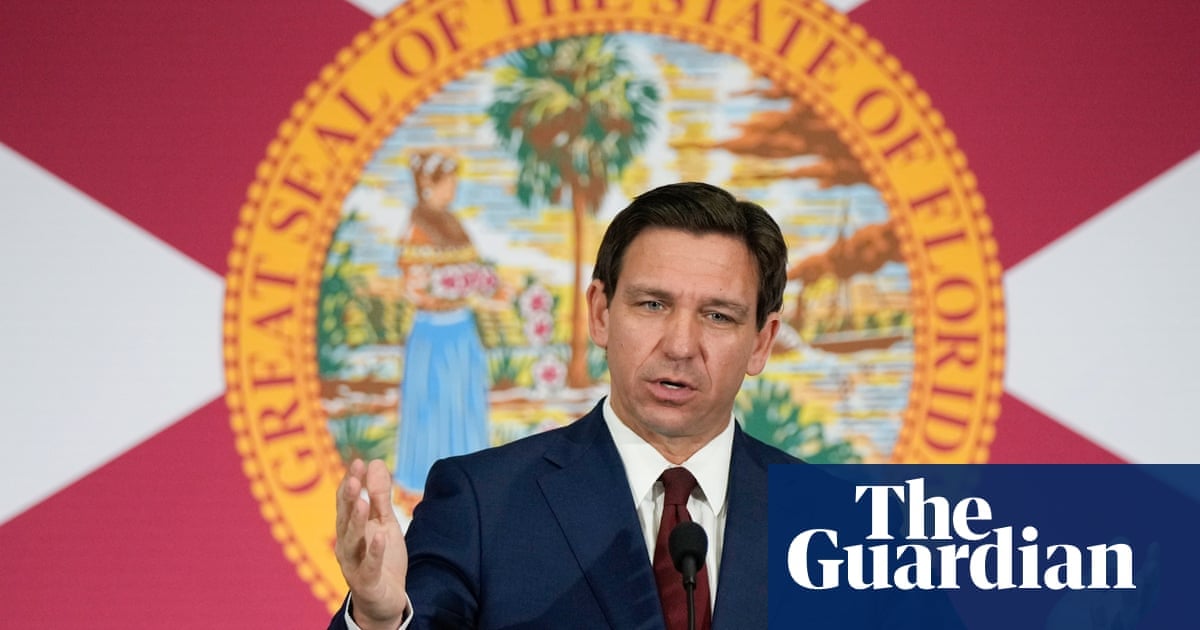
Florida Governor Ron DeSantis is set to sign a bill that exempts him from the state's "resign-to-run" law, allowing him to run for president while serving as governor. The bill also imposes new voting restrictions and reduces transparency over political spending and DeSantis's travel. Another bill signed by DeSantis shields records related to his travel from public view, citing security concerns. Critics argue that the move is an attempt to keep DeSantis's travel secret and make it virtually impossible to hold him accountable. The same bill also makes it harder to know where political committees in Florida, including DeSantis's, are raising money from.
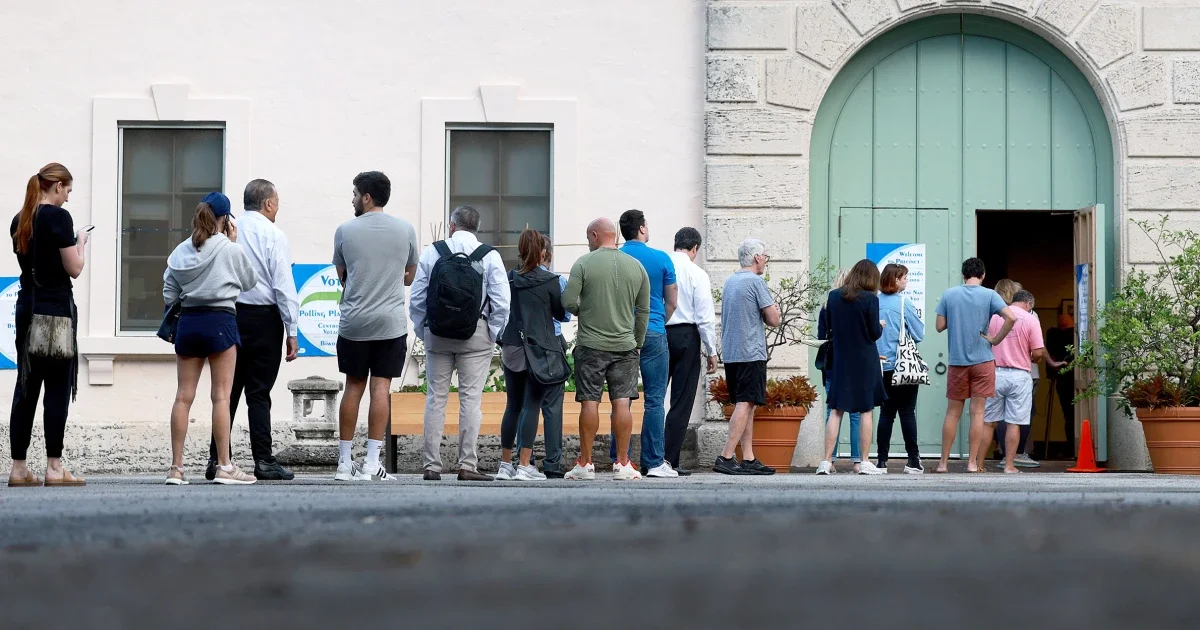
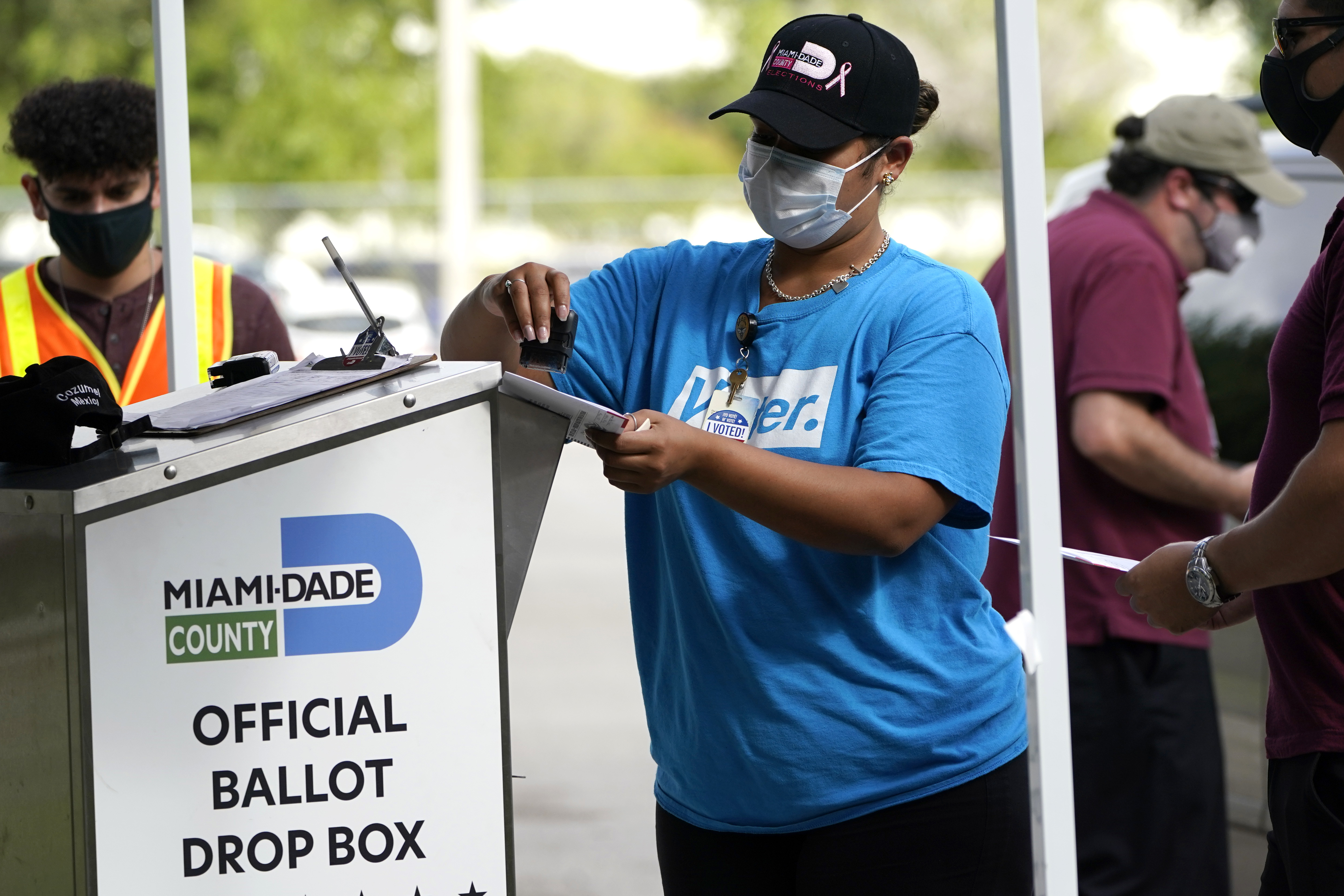
A federal appeals court has upheld several Republican-backed voting restrictions in Florida, overruling a lower court judge who had found the laws intentionally discriminated against minority voters. The laws include limiting the use of ballot drop boxes, barring third-party organizations from collecting voter registration forms, and preventing people from engaging with voters in line. The appeals court ruled that the evidence did not show that lawmakers deliberately targeted Black voters when they passed these provisions. Several civil rights groups challenged the law in court, and the ruling has thrown out the preclearance requirement.
A federal appeals court overturned a lower court's decision on a controversial voting law approved by Florida's Republican-controlled Legislature in 2021, which placed restrictions on the use of drop boxes and set new requirements for voter registration groups, among other things. The appeals court determined that the lower court's order was based on legal errors and "clearly erroneous" findings of fact. The court also reversed the requirement that Florida needs prior clearance to change parts of voting law. The law was challenged in federal court, with the lower court framing the law as another in a long line of changes that were aimed at Democrats and placed illegal burden on minorities.
A federal appeals court has upheld several Republican-backed voting restrictions in Florida, overruling a lower court judge who had found the laws intentionally discriminated against minority voters. The laws include limiting the use of ballot drop boxes, barring third-party organizations from collecting voter registration forms, and preventing people from engaging with voters in line. Civil rights groups challenged the law in court, but the appeals court ruled that the evidence did not show that lawmakers deliberately targeted Black voters when they passed the provisions.