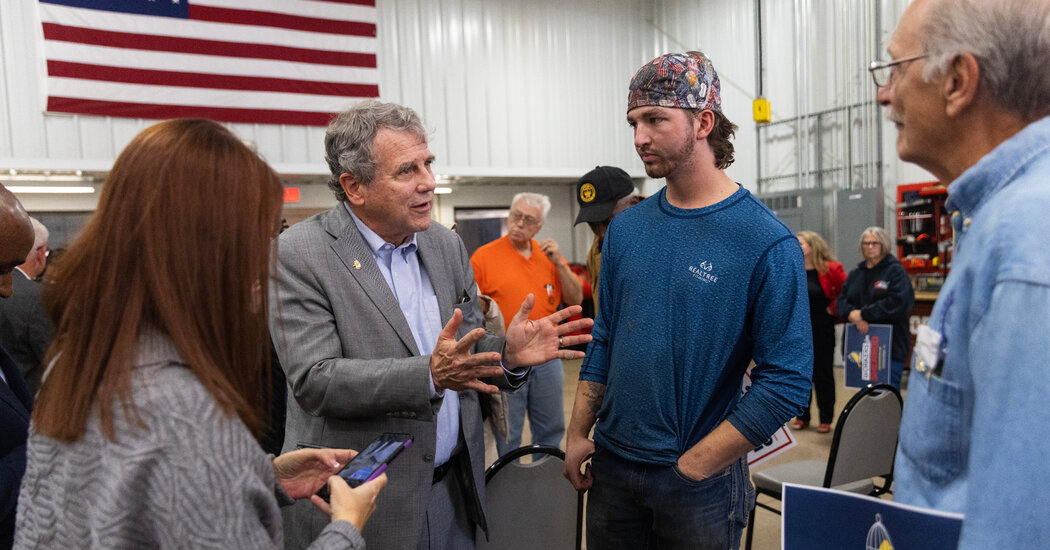
The article explores the declining support for the Democratic Party among white working-class voters, examining historical trends and recent shifts in political allegiance. It discusses factors contributing to this change, such as economic concerns and cultural issues, and considers the implications for future elections.
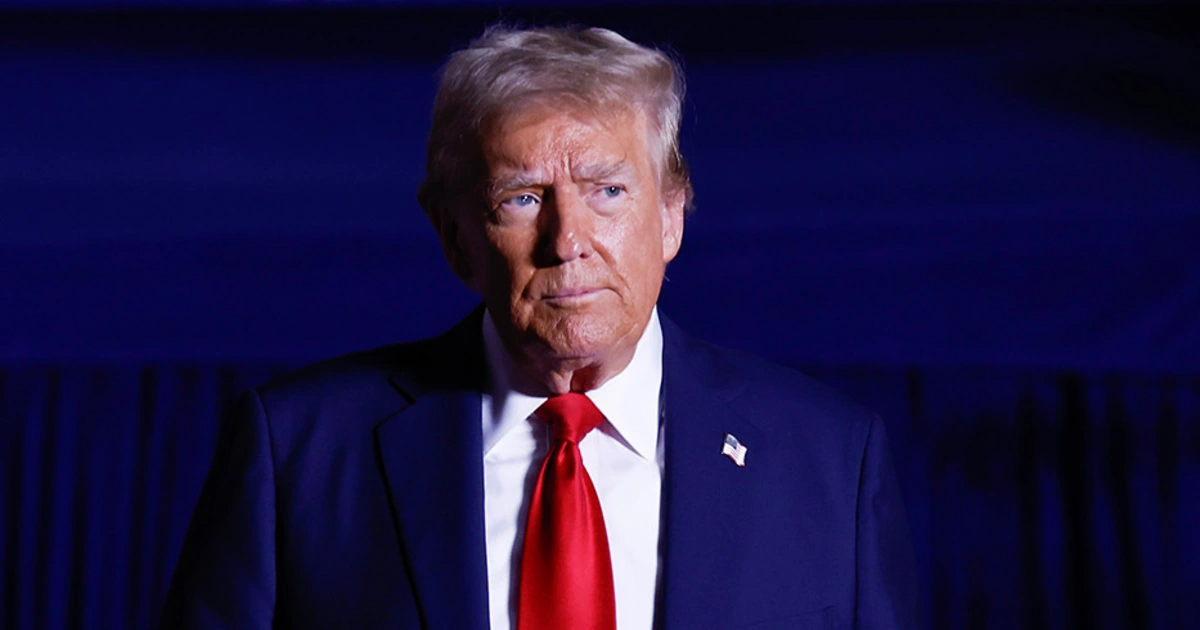
Donald Trump's recent electoral success has significantly shifted the political landscape, with notable gains among Latino men, working-class voters, and other demographics traditionally leaning Democratic. This shift has prompted concern within the Democratic Party, as Trump's diverse coalition challenges long-standing voting patterns. Factors such as economic dissatisfaction, immigration issues, and Trump's anti-establishment appeal have contributed to this realignment, leaving Democrats with a challenging path forward to regain lost support.
Donald Trump is projected to win key battleground states in the 2024 election, marking a shift in voter demographics compared to 2016 and 2020. Exit polls indicate that while Kamala Harris struggled to increase support among women, Trump gained traction with Latino men and younger voters. The economy's poor perception benefited Trump, despite increased support for abortion rights. Harris saw gains among White college-educated voters, but lost some support among voters of color. Trump's strategy to engage new voters paid off, as he won over first-time voters in 2024.
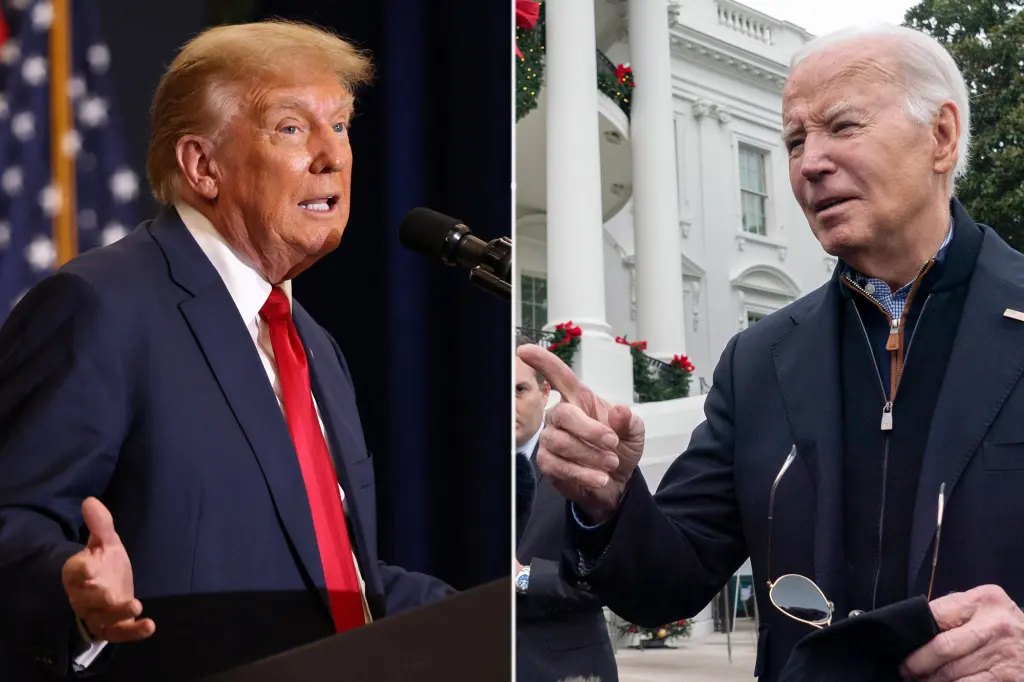
A USA TODAY/Suffolk University Poll reveals President Biden's declining support among key voter demographics, including black, Hispanic, and young voters, as he heads into the 2024 election cycle. Biden trails former President Trump in these groups, with Trump leading among young voters (37%-33%) and Hispanic voters (39%-34%). Despite this, Biden remains the frontrunner in the Democratic primary with 74% support. Trump, facing legal challenges, continues to lead the GOP field and has strong support among his base. Biden's overall approval rating is at 39%, with economic recovery views slightly improving. The poll indicates a potential challenge for Biden in swing states and among voters dissatisfied with both parties, with some considering third-party candidates.