
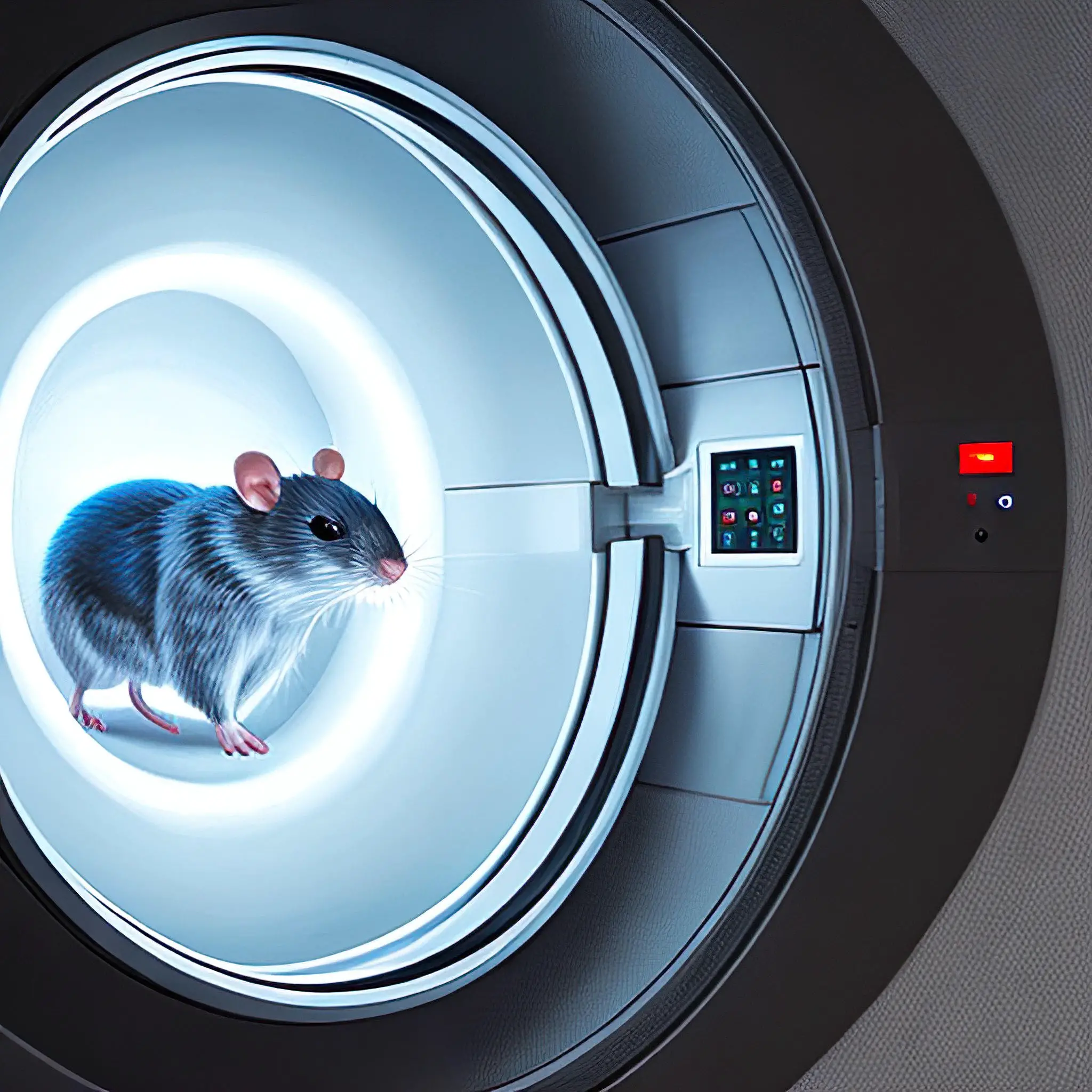
Unveiling the Unexpected Flexibility of Adult Vision
Researchers have discovered that the adult mammalian brain retains a high degree of plasticity, challenging the belief that it becomes rigid after a critical developmental period. Using a novel setup involving rodent MRI scanners, the study found that when rodents deprived of light from birth were exposed to light in adulthood, their brains underwent significant reorganization and adaptation. This suggests that the adult brain can process new visual signals, opening up new possibilities for visual rehabilitation treatments in adults. The findings also have potential implications for predicting treatment responses in patients and understanding disease progression in animal models.