Moonlake AI, founded by Stanford PhDs, is developing AI software to create virtual 3D worlds that can generate data for training advanced AI models, addressing the current data scarcity in AI development. The company has raised $28 million and joins other firms exploring virtual environments for AI training, amidst a broader industry push for AI infrastructure and innovation.
Google's AI model, Genie 2, can dynamically generate a wide range of 3D virtual environments for training and evaluating embodied agents, potentially impacting the future of game development by reducing the need for human developers.
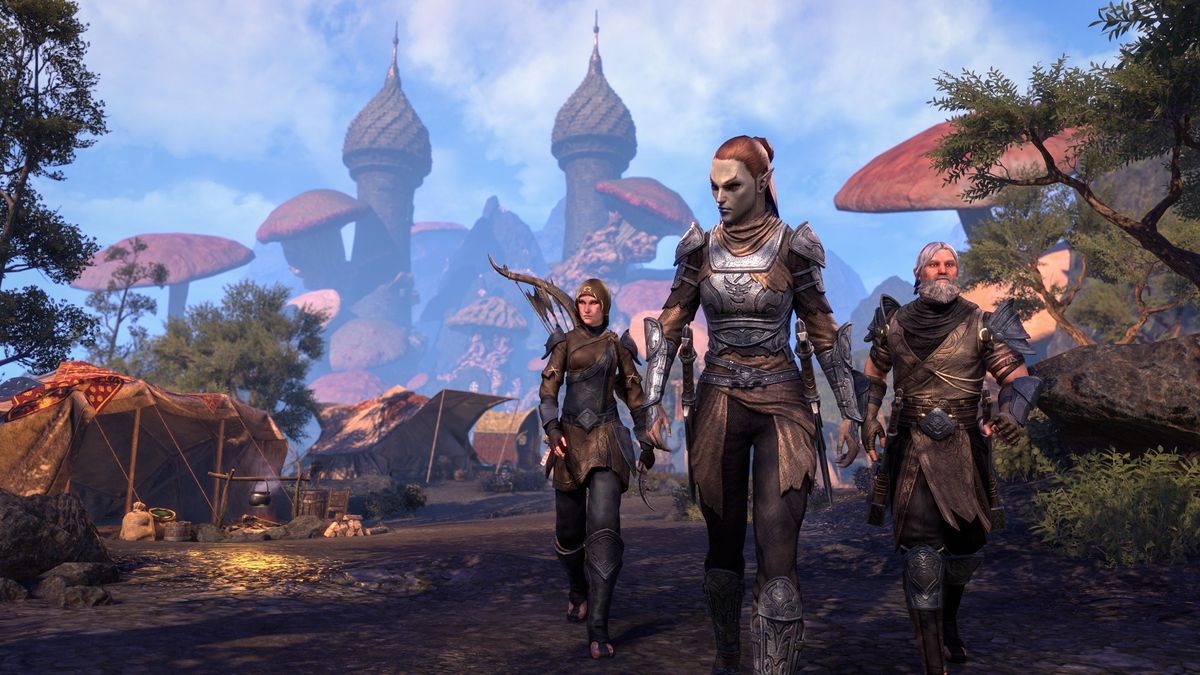
The creative director of The Elder Scrolls Online, Matt Firor, criticizes the hype around the Metaverse, stating that virtual worlds and MMOs have been providing similar experiences for over 20 years. He emphasizes the importance of community and content over speculative virtual property, and suggests that the tech for displaying virtual worlds has been around for decades. Firor's comments reflect a sentiment shared by many in the gaming industry, highlighting the disconnect between the Metaverse's sales pitch and the existing capabilities of MMOs and virtual worlds.
Google has unveiled Genie, an AI model that can create playable virtual worlds from a single image, text prompt, or sketch. Trained on a large dataset of internet videos, Genie can convert any image into a playable 2D world and predict future frames based on player actions. While it's currently a research project with no release date, the underlying technology and approaches to content generation developed during its creation could have significant implications for AI and robotics.
Epic Games and Disney are teaming up to create an "entertainment universe" within Fortnite, leveraging Disney's vast intellectual property vault to bring its characters to life in the game. This partnership, backed by a $1.5 billion investment from Disney, positions Fortnite as a dominant force in the evolving metaverse. With its expanding ecosystem and user-generated content, Fortnite is poised to introduce a wide range of new players to a virtual world that blurs the lines between social networks and gaming, potentially reshaping the future of online multiplayer experiences.
A modder has used OpenAI's ChatGPT to give NPCs in the VR edition of Skyrim the ability to generate new dialogue and have conversations with players. By using a text-to-speech modulator and OpenAI's speech-to-text model, the modder was able to converse with in-game characters by speaking into their mic. The NPCs were even able to remember past events and conversations. This is an exciting demonstration of how AI technologies could enhance video games in the future.
Developer Linden Labs is creating a mobile version of the 20-year-old metaverse game Second Life, which is expected to launch later this year. The game will be built using Unity and will be available on both iOS and Android phones/tablets. Second Life has over 73 million accounts and 900,000 active users, and offers virtual events such as live music performances, shopping fairs, and art exhibitions. Linden Labs had previously been working on a VR version of the game called Sansar, but stopped development and sold off the rights in 2020.
Second Life, the virtual world that launched on desktop web in 2003, is coming to mobile for the first time with a beta version of the app set to launch this year. The app was built using Unity and will be available on multiple platforms, including iOS and Android. While a mobile version may not greatly expand the audience for the virtual world, it will be a welcome development for its surprisingly vibrant community of diehards.