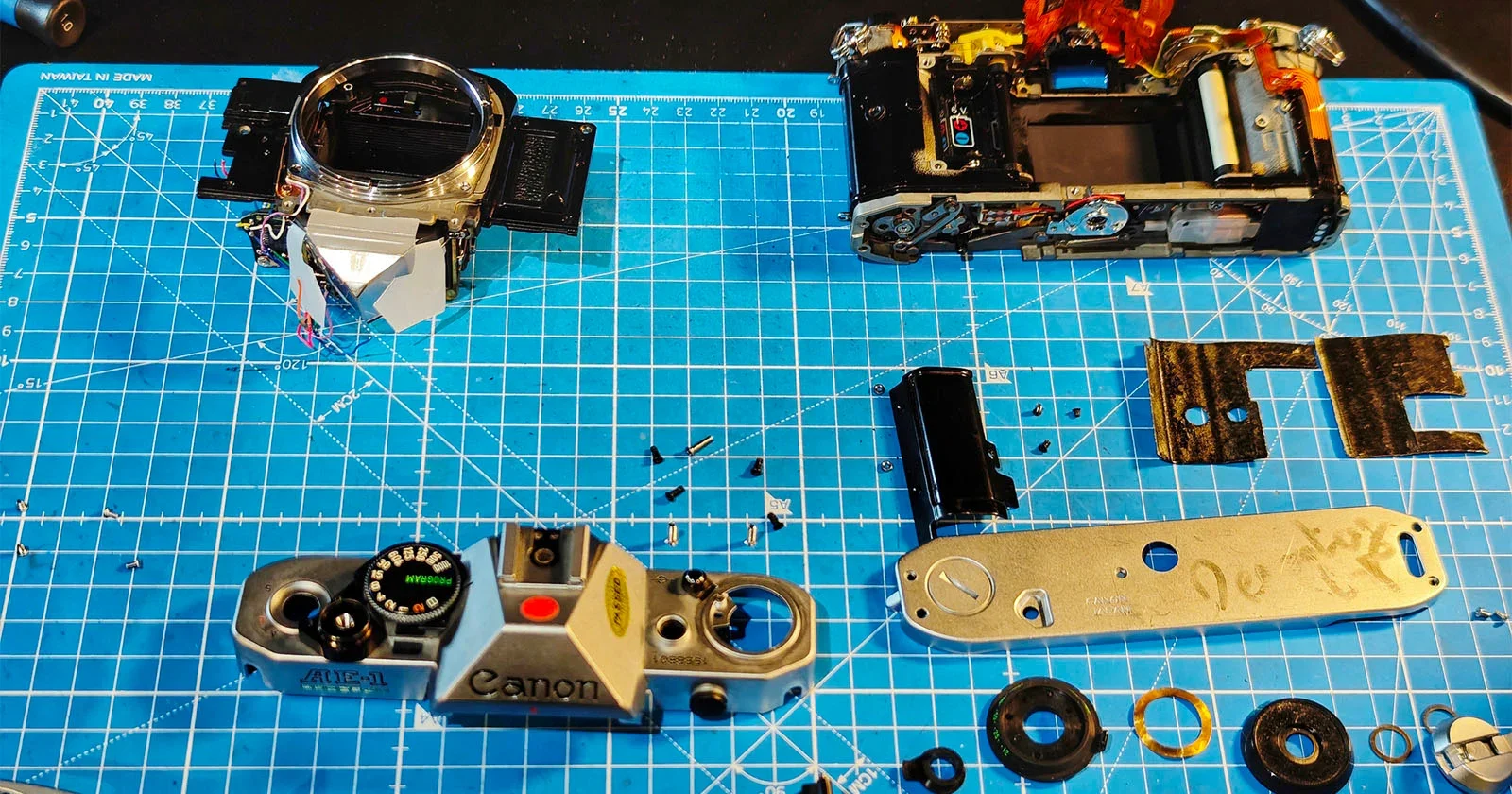
Vintage camera repairers, mostly older and nearing retirement, are facing a future where their skills may be lost as fewer new technicians enter the field, raising concerns about the preservation of film camera repair expertise. Younger repairmen like Daniel Ward are optimistic about technological solutions like 3D printing to address parts shortages, and some believe film photography will persist even as digital fades.
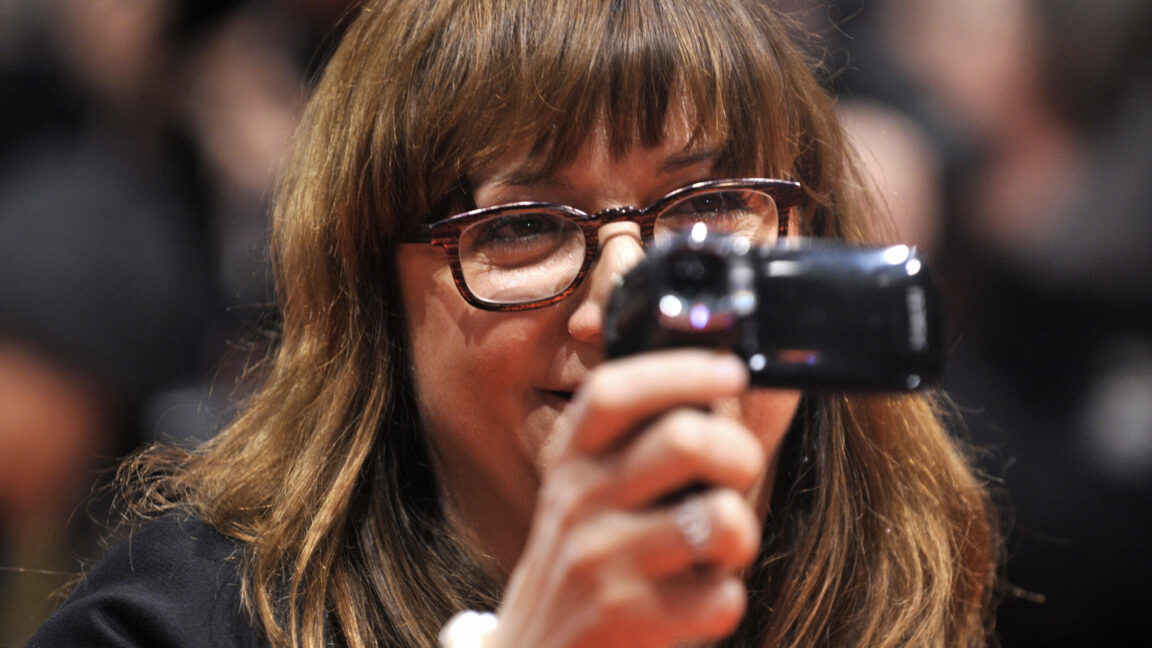
In an era dominated by AI-enhanced smartphone photography, a growing number of young photographers are turning to vintage digital cameras, or "digicams," for their unique aesthetic and nostalgic appeal. These early 2000s cameras, known for their quirky flaws and low-resolution images, are being embraced as an artistic statement, reminiscent of the MySpace era. The trend has led to a resurgence in interest and rising prices for these old models, despite challenges like outdated technology and limited availability of parts. Enthusiasts appreciate the distinct, imperfect images these cameras produce, which contrast sharply with the polished results of modern devices.
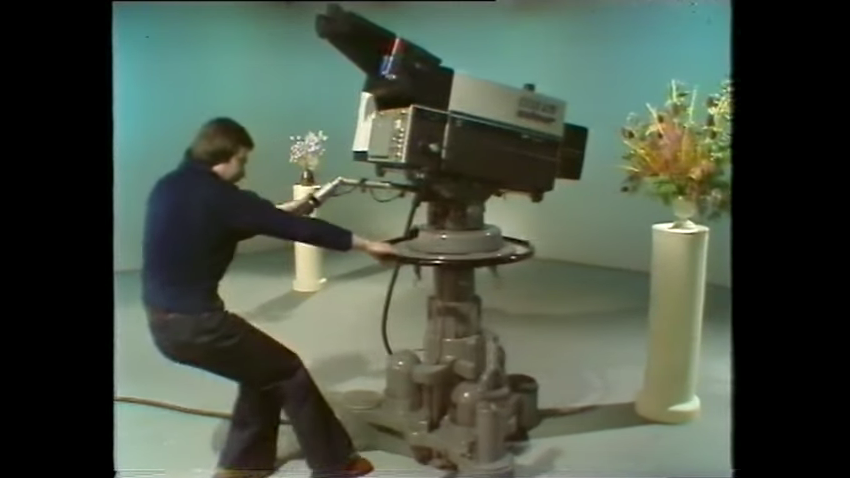
A 1982 BBC training film on studio camera operations showcases the physicality and technical skills required to operate vintage cameras. The film highlights the size and weight of the equipment, emphasizing the need for upper-body strength and full-body workouts. It also emphasizes the importance of fine motor control, particularly in focus pulling, and provides insights into framing, composing shots, and creating a smooth and professional look. The training film offers technical details on the pedestal and includes follow-up videos on shooting interview programs and capturing moving on-air talent.
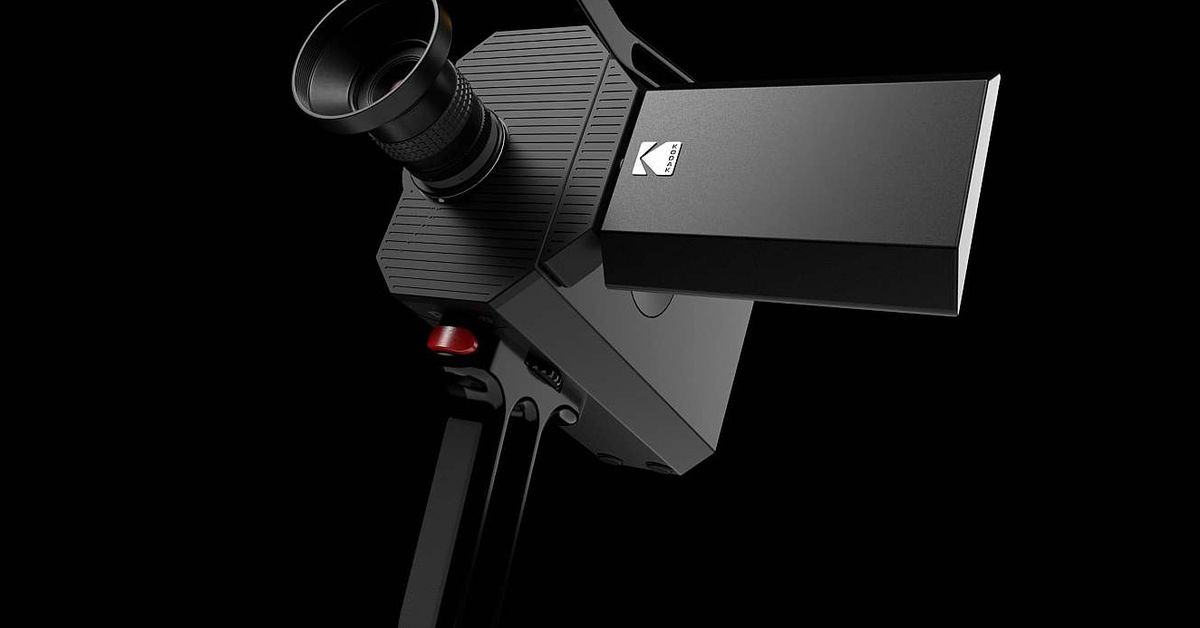
Kodak is set to release its Super 8 film camera, which was first announced in 2016, with limited quantities available in the US on December 4th. The camera will cost $5,495, significantly higher than the initially projected price range of $400 to $750. Despite the high price tag, the camera offers modern features such as a four-inch LCD viewfinder, detachable lenses, and a microSD card for audio recording. Interested customers can sign up for more details, but should be aware that shooting on film can be costly, with one cartridge only capturing about two and a half minutes of footage.