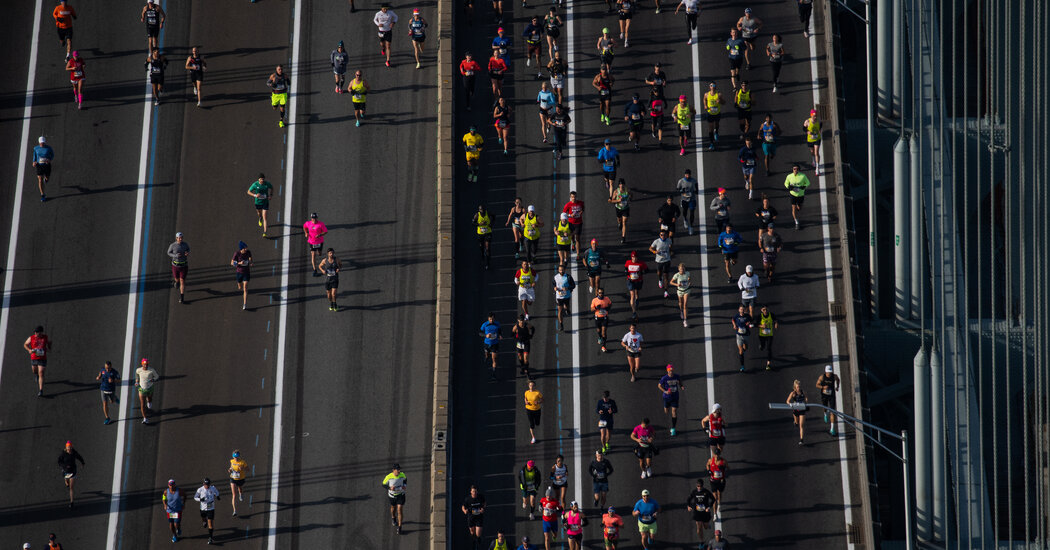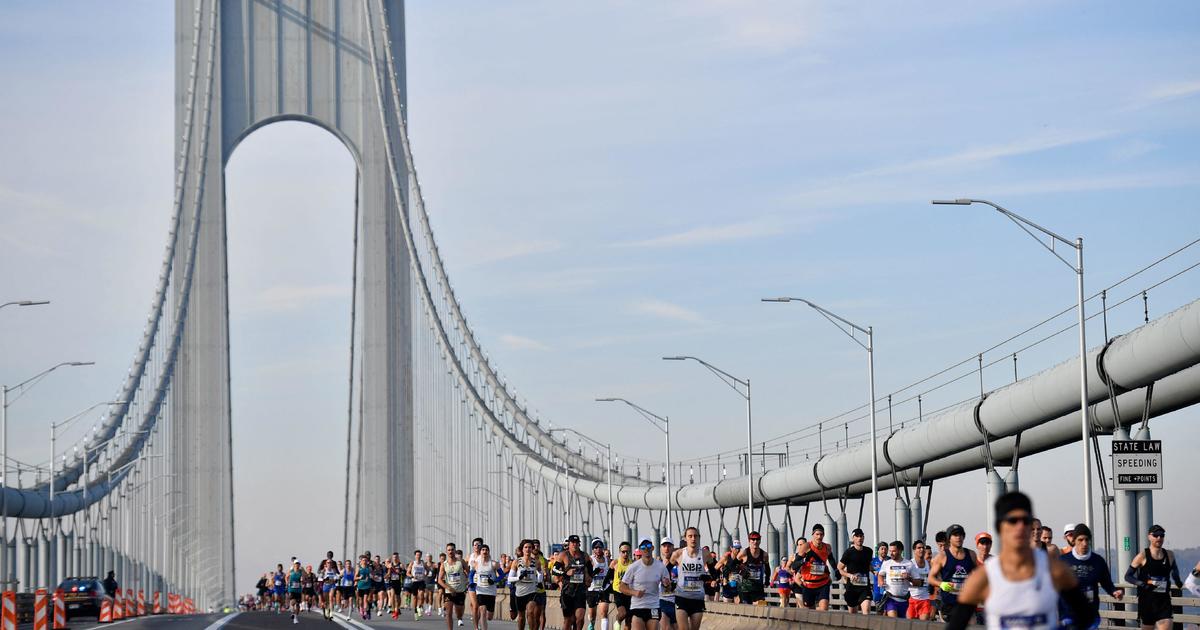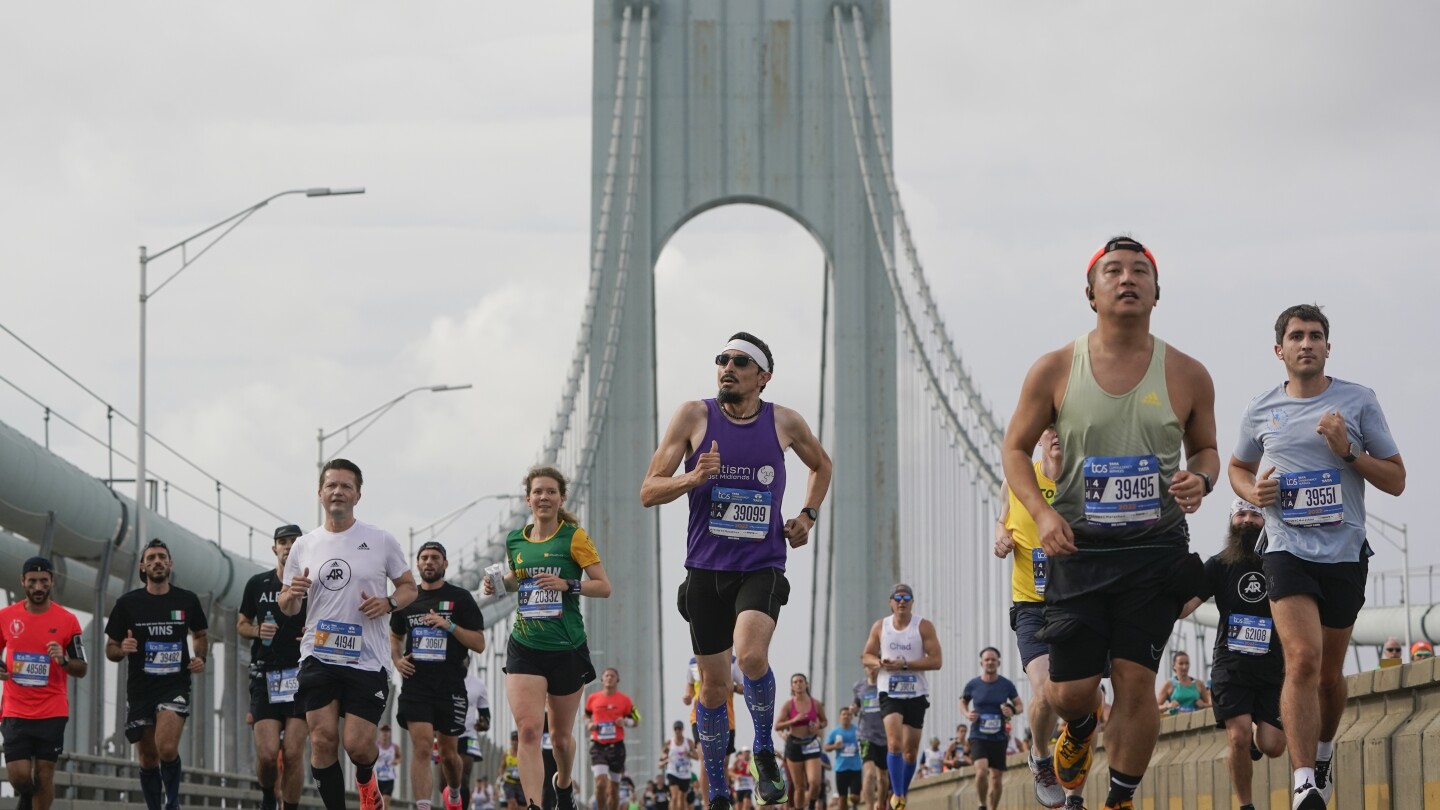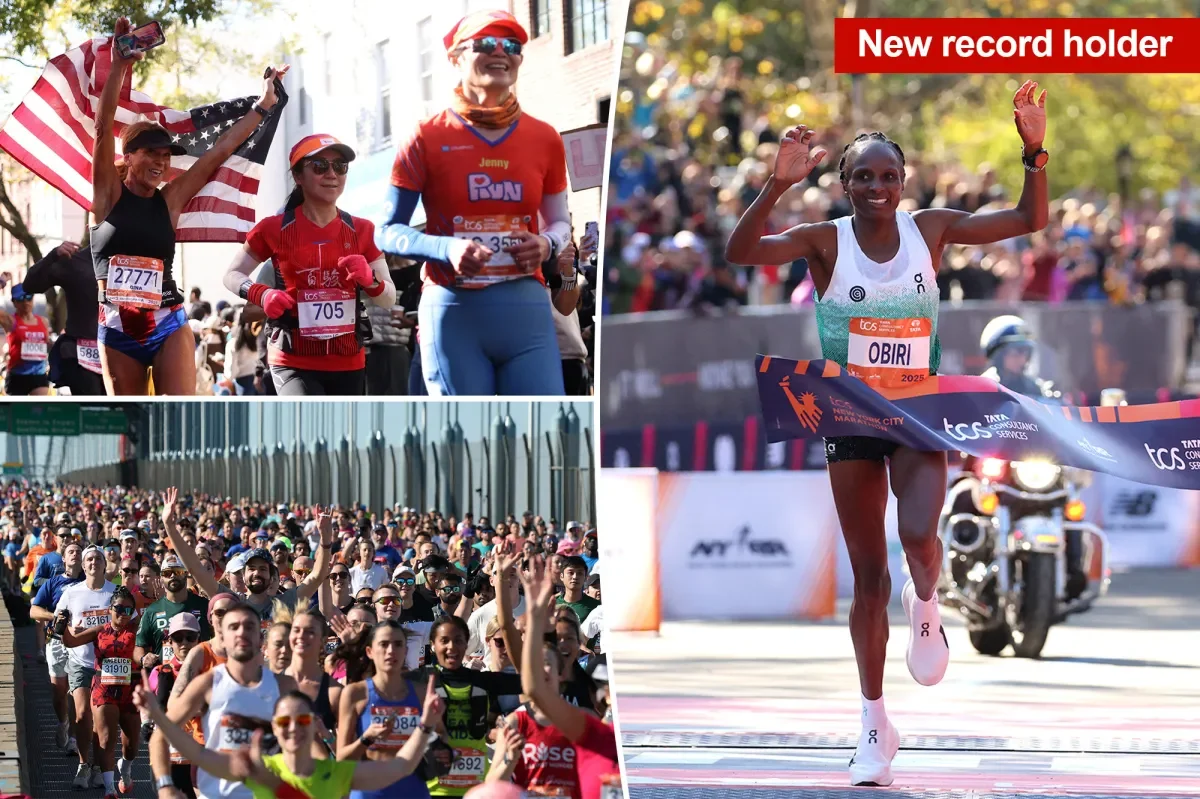
The 2025 NYC Marathon saw thousands of runners assemble to compete in the iconic race, with Kenyan athletes Benson Kipruto and Hellen Obiri winning the men's and women's elite races, respectively, while Switzerland’s Marcel Hug secured victory in the men's wheelchair race.
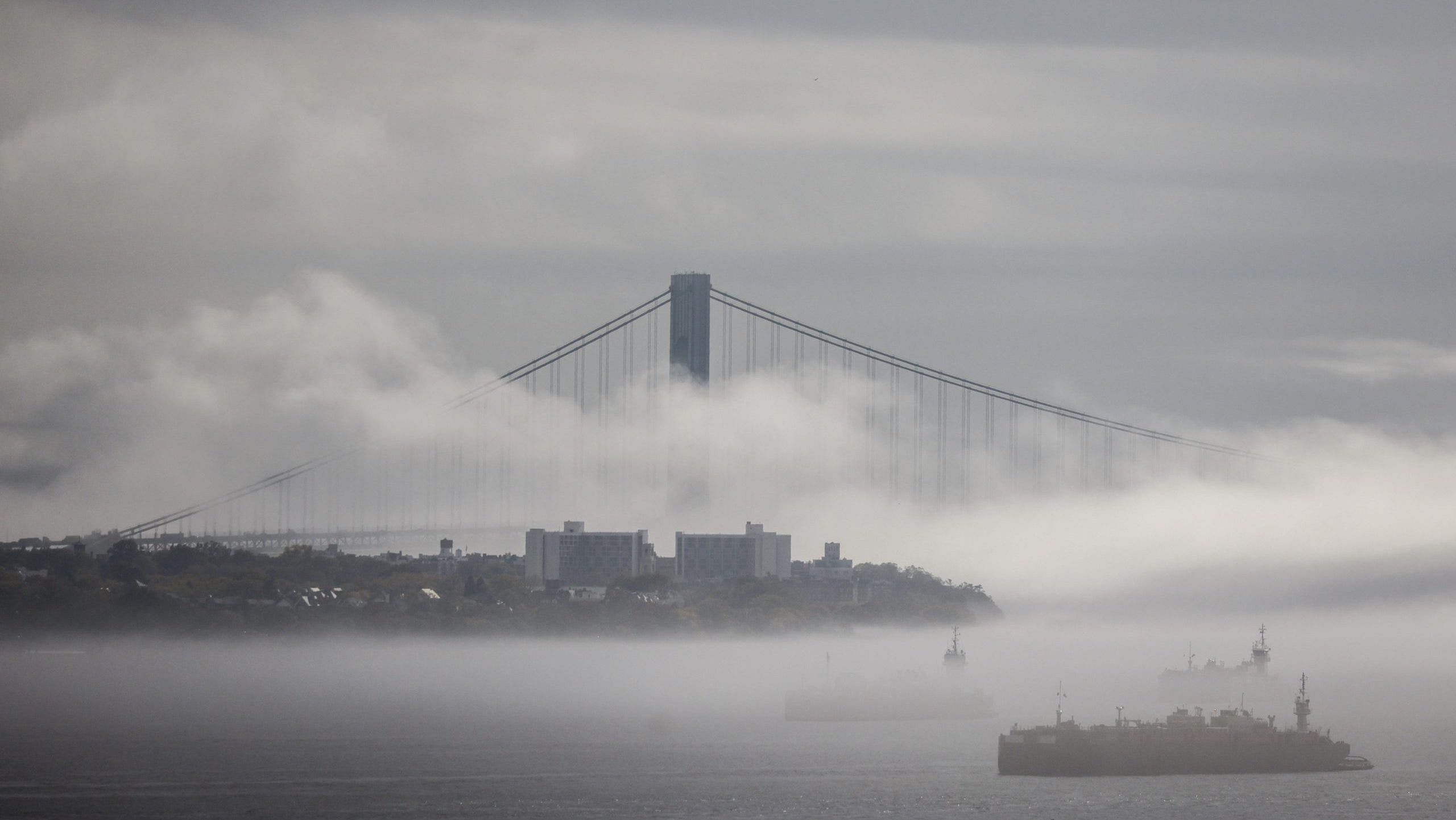
The APL Qingdao, a large container ship, lost propulsion in New York Harbor near the Verrazzano-Narrows Bridge, but was safely anchored with the help of tugboats. This incident, unlike the recent tragedy in Baltimore Harbor, did not result in any casualties. The U.S. Coast Guard clarified that the vessel suffered a "loss of propulsion," not a "loss of power," and ordered certified repairs before allowing the ship to depart. The vessel, owned by CMA CGM, reached Norfolk, Virginia, after the incident.
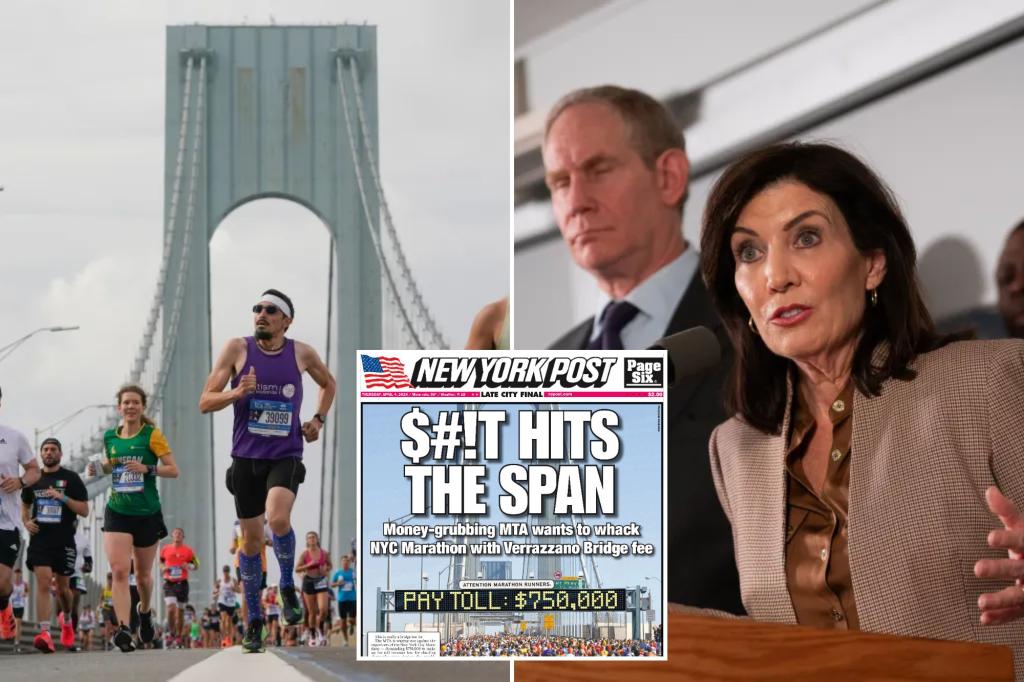
New York Governor Kathy Hochul has ordered the Metropolitan Transportation Authority to cease pressuring the New York City Marathon to pay $750,000 for lost toll revenue on the Verrazzano-Narrows Bridge, allowing the marathon to proceed as usual. This decision follows reports that the M.T.A. threatened to limit the marathon's use of the bridge unless it agreed to pay. The New York Road Runners, which oversees the marathon, had sought the governor's intervention, and it remains unclear if the reprieve also applies to Bike New York, which faced similar reimbursement demands.
New York Governor Kathy Hochul intervened to stop the Metropolitan Transportation Authority's attempt to impose a $750,000 toll on the organizers of the New York City Marathon, following public outrage and criticism. The MTA had demanded the hefty sum to cover lost toll revenue from shutting down the Verrazzano-Narrows Bridge during the race, but the governor ordered the MTA to revert to the original deal, involving a $150,000 payment for security and staffing to close the bridge. Hochul also encouraged the non-profit to find other ways to generate revenue, and opposed raising the marathon entry fee to recoup MTA costs.
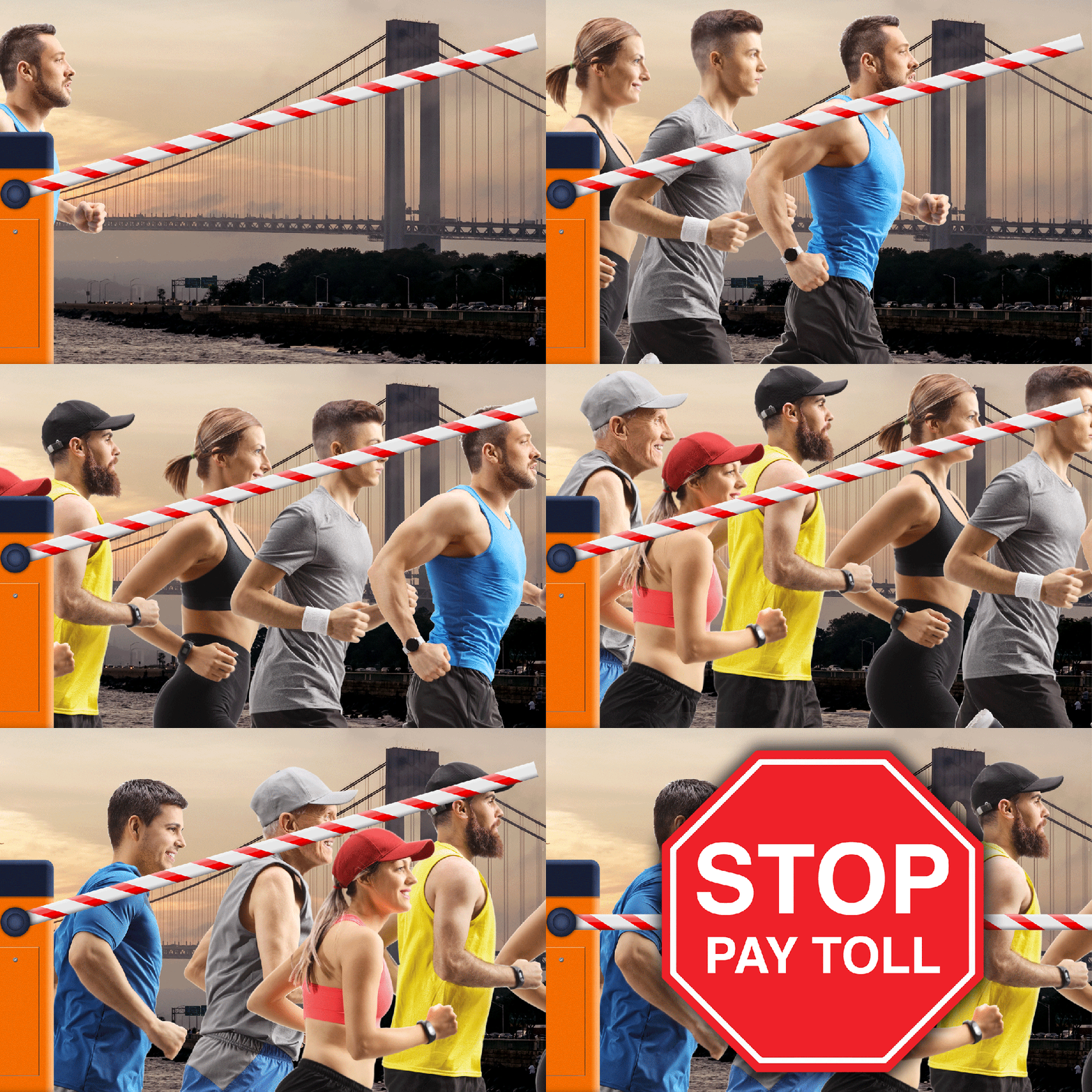
The Metropolitan Transportation Authority is demanding that the New York City Marathon organizers pay approximately $750,000 for the use of the Verrazzano-Narrows Bridge, citing lost toll revenue when the bridge is closed for the race. The New York Road Runners argue that the MTA benefits from increased transit ridership during marathon week, offsetting any lost toll revenue, and have requested data to support the MTA's claim. The MTA has threatened to restrict the marathon's use of the bridge if the payment is not made, but the Road Runners warn that this could significantly impact the race. Both parties are open to negotiation to reach a resolution.
The MTA is seeking to charge the New York City Marathon organizers $750,000 per year for toll revenue lost when the Verrazzano-Narrows Bridge is closed for the race, prompting outrage from runners and local leaders. The marathon officials argue that this could lead to increased entry fees for participants and are willing to negotiate with the MTA, emphasizing the significant value the marathon brings to the city. Critics view the MTA's move as a money grab and call for finding a solution that doesn't burden the runners or affect the event's accessibility.
The Metropolitan Transportation Authority is demanding that the New York City Marathon organizers pay roughly $750,000 for use of the Verrazzano-Narrows Bridge, citing lost toll revenue when the bridge is closed for the race. The organizers argue that the MTA benefits from increased transit ridership during marathon week, which offsets any lost toll revenue. They also highlight the significant economic impact of the marathon on the city. The MTA has threatened to restrict the marathon's use of the bridge if the payment is not made, but the organizers are willing to negotiate for a resolution that reflects the value the marathon brings to the city.
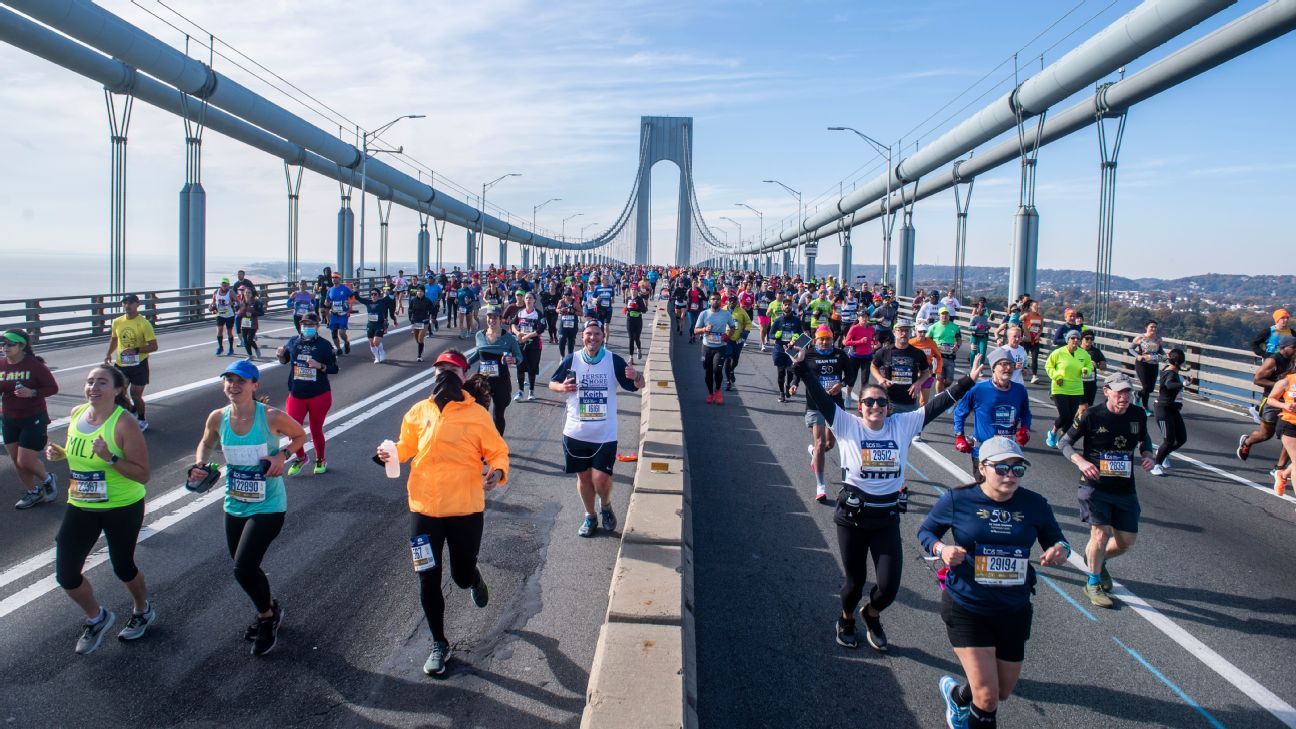
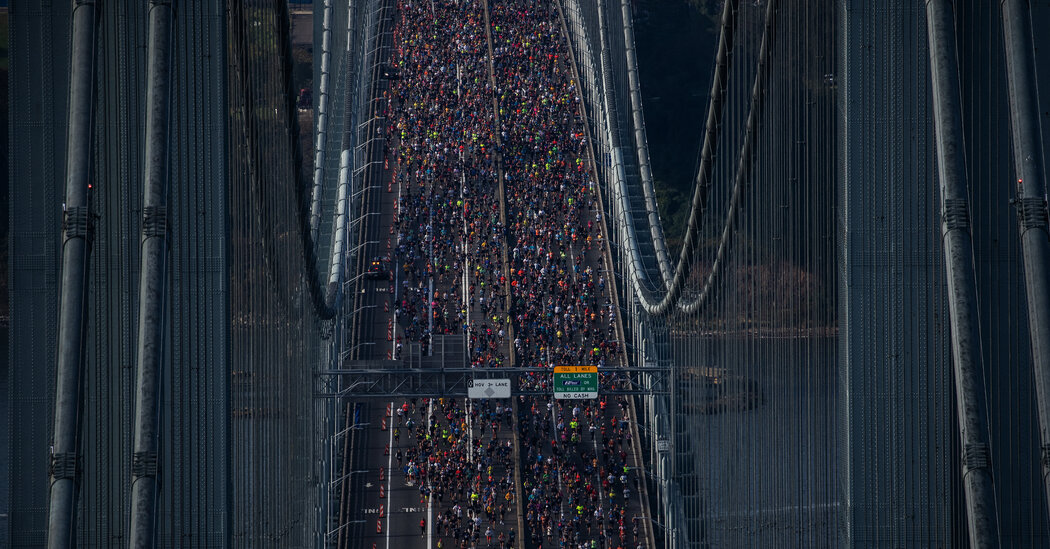
The Metropolitan Transportation Authority (M.T.A.) is demanding roughly $750,000 a year from the organization that runs the New York City Marathon to make up for toll revenue lost when the Verrazzano-Narrows Bridge is closed for the event. The M.T.A. has threatened to restrict runners to either the upper or lower level of the bridge if the organization does not agree to payment, prompting a standoff as the marathon has historically used both decks since 1988.
The MTA is demanding $750,000 from New York City Marathon organizers to make up for toll revenue lost during the race, threatening to restrict bridge use if not paid. The marathon, which draws 50,000 runners, has used both decks of the Verrazzano Bridge for 36 years. The MTA argues that taxpayers should not subsidize the event, while the organizers claim the race benefits the city's economy. The MTA has also demanded payment from Bike New York for using the bridge.