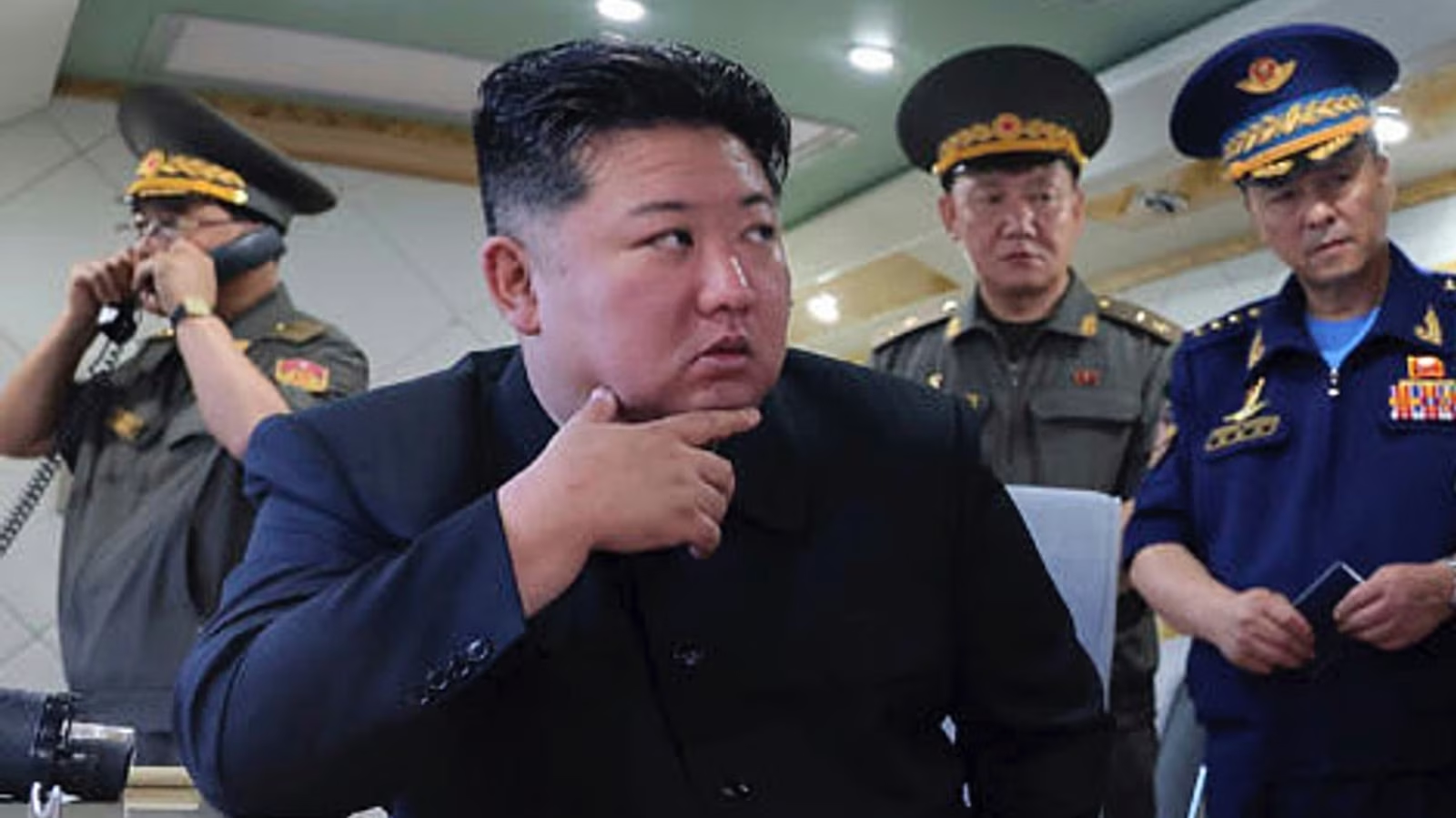
North Korea conducted missile tests of two new anti-aircraft missiles overseen by Kim Jong Un, amid ongoing US-South Korea military exercises, which North Korea claims increase regional tension and threaten peace.
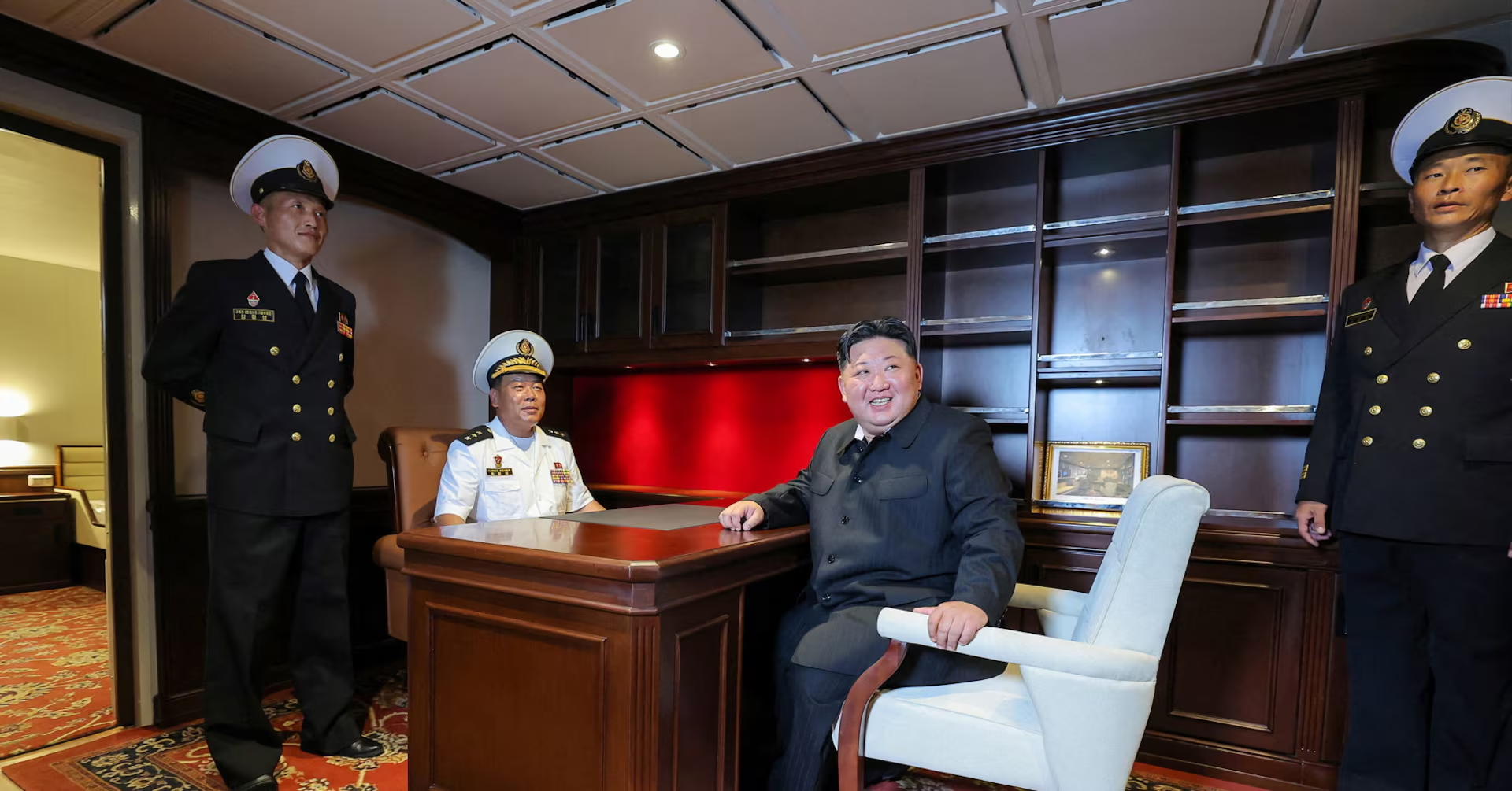
North Korean leader Kim Jong Un has called for a rapid expansion of his country's nuclear arsenal and condemned US-South Korea military exercises as provocative, amid ongoing tensions and North Korea's plans to build new destroyers and test missiles. The drills, seen by Pyongyang as hostile, are part of broader efforts to counter North Korea's nuclear development, which remains a key issue in upcoming US-South Korea discussions.
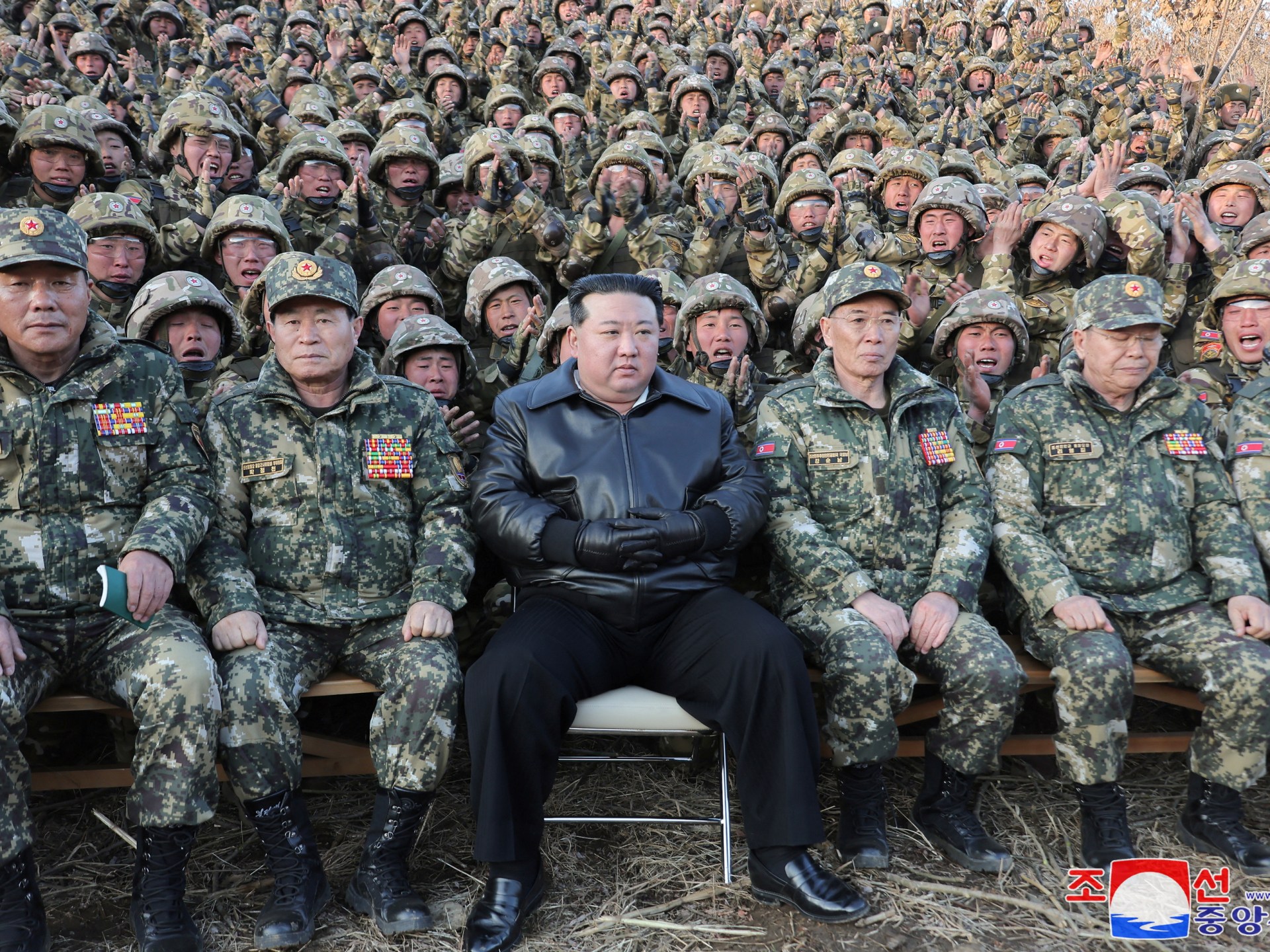
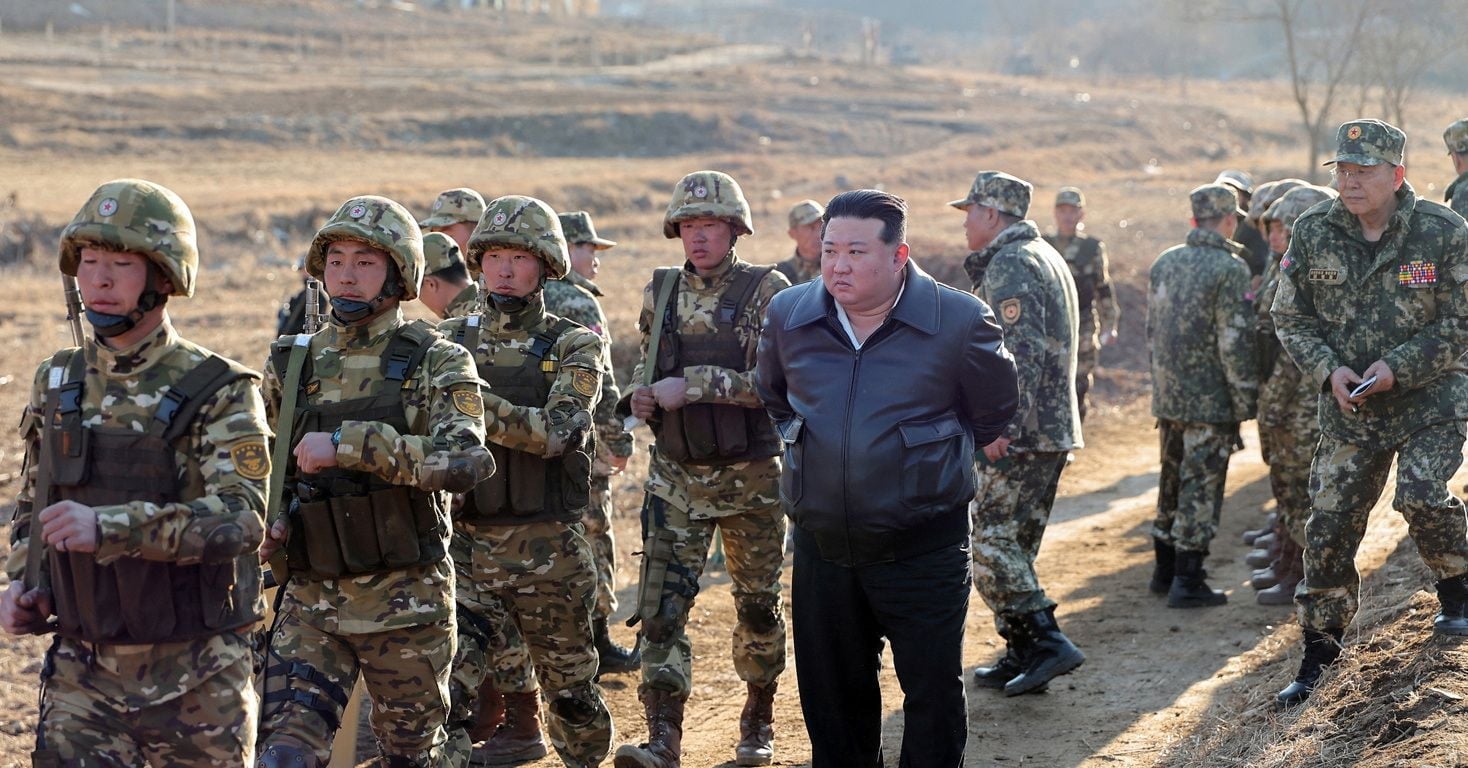
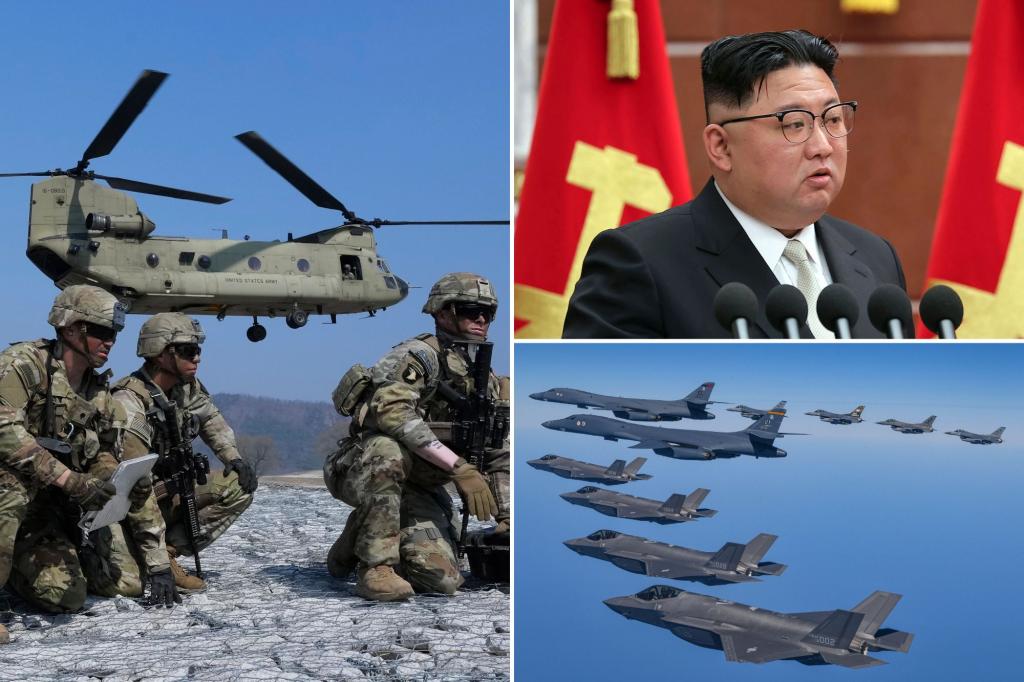
North Korean leader Kim Jong Un has ordered heightened war preparations after inspecting troops at a major military operations base in the country’s west, as the US and South Korea hold joint military exercises. Kim emphasized the need to intensify war drills to rapidly improve combat capabilities, amid ongoing annual military exercises involving thousands of troops. North Korea has long condemned such drills, claiming they are rehearsals for invasion, and has conducted weapons tests in response. The latest comments come as North Korea continues to carry out missile tests this year as part of its military modernization efforts.
North Korean leader Kim Jong Un ordered heightened readiness for war after inspecting field training of troops at a major military operations base in the western region of the country, as annual combined military drills by U.S. and South Korean forces began in the South with twice the number of troops compared to last year. Kim emphasized the need to intensify war preparations and improve combat capabilities, but it was not mentioned whether he directly referred to the U.S.-South Korean drills.
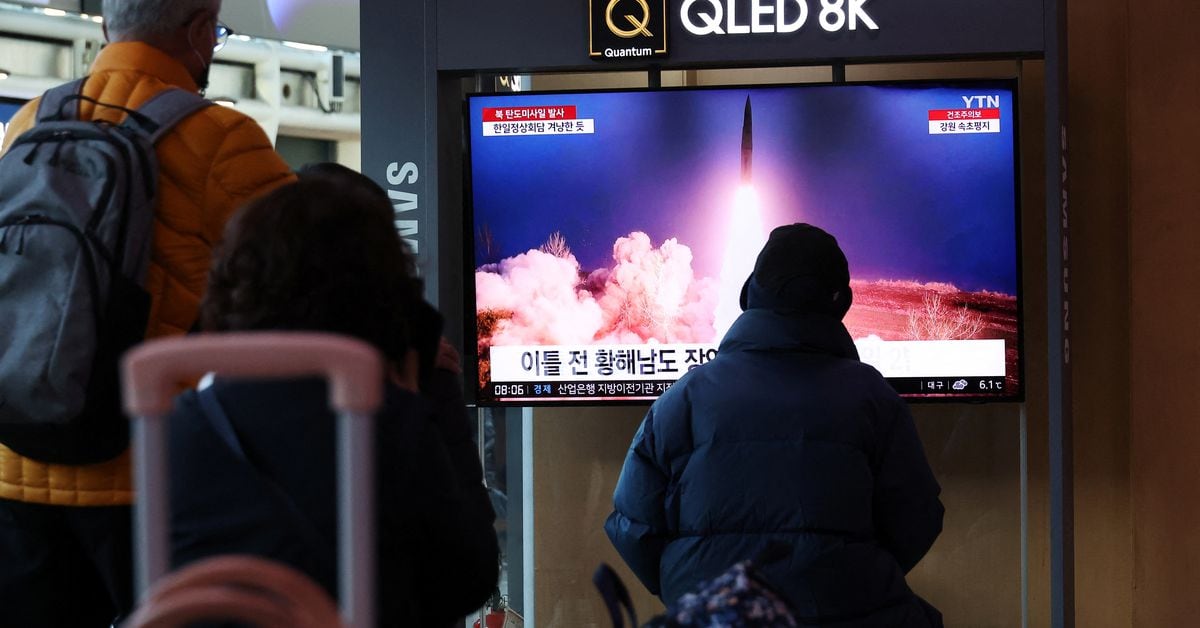
North Korea launched two short-range ballistic missiles towards the sea, hours after the US flew long-range bombers for drills with its allies. The launches, part of North Korea's ongoing weapons tests, coincided with the annual US-South Korean military exercises that North Korea sees as a rehearsal for invasion. The missiles traveled about 360 kilometers (225 miles) before landing in the waters off the Korean Peninsula's east coast. South Korea and Japan condemned the launches as a violation of UN Security Council resolutions. North Korea's recent testing spree has led to an expansion of drills and increased visibility of US strategic assets in the region.
North Korean leader Kim Jong Un has ordered a significant increase in the production of missiles and other weapons, according to state media. This comes as the US and South Korea announced major drills to enhance their joint capability against North Korea's nuclear threats. Kim visited munitions factories and set goals to boost production capacity, including the mass production of missiles. Experts believe Kim aims to use his modernized weapons arsenal to gain concessions from the US. The US-South Korean drills, set to begin next week, have been criticized by North Korea as a practice for invasion. Additionally, it was recently revealed that Russia's defense minister discussed selling more weapons to North Korea for its war with Ukraine.
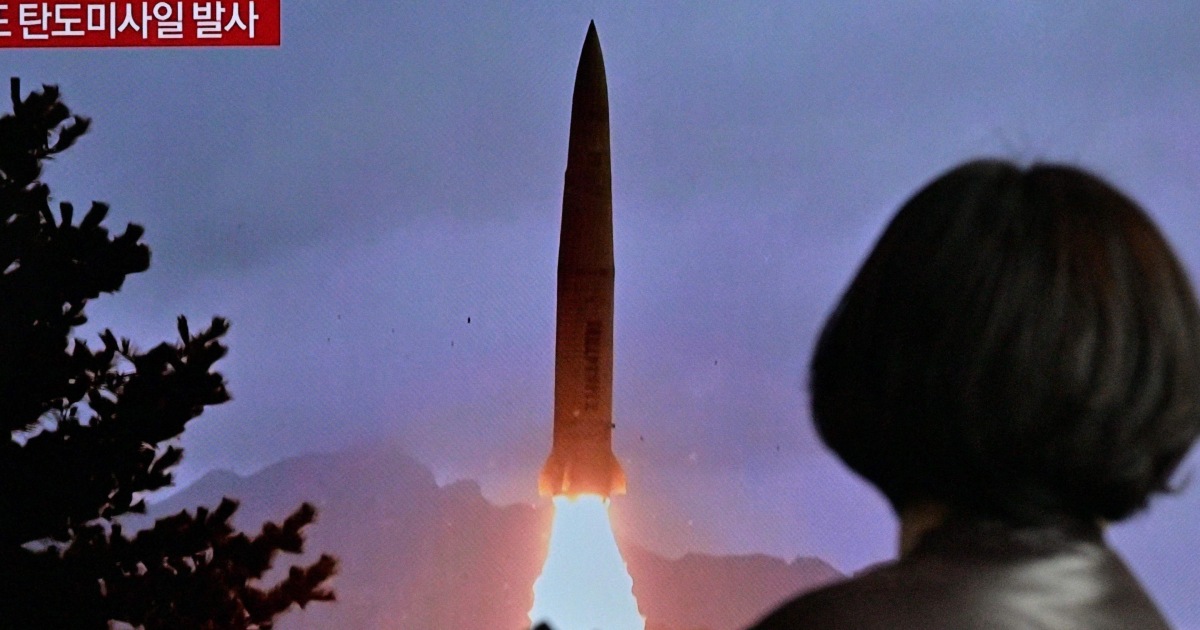
North Korea launched a short-range ballistic missile towards the sea on Sunday, as part of its ongoing missile tests, which it views as a response to the US-South Korean military drills. The missile traveled a distance of about 800 kilometers (500 miles), a range that suggests the weapon could target South Korea. The US, South Korea, and Japan condemned the launch and agreed to strengthen their coordination to issue a firm international response to the North’s action. The launch was the North’s third round of weapons tests since the US and South Korean militaries began their joint military drills last Monday.
North Korea launched a short-range ballistic missile toward the sea on Sunday, its neighbors said, ramping up testing activities in response to ongoing U.S.-South Korean military drills that it views as an invasion rehearsal. The missile traveled a distance of about 500 miles, a range that suggests the weapon could target South Korea. The chief nuclear envoys from South Korea, Japan and the U.S. discussed the launch on the phone and strongly condemned it as a provocation that threatens peace on the Korean Peninsula and in the region.
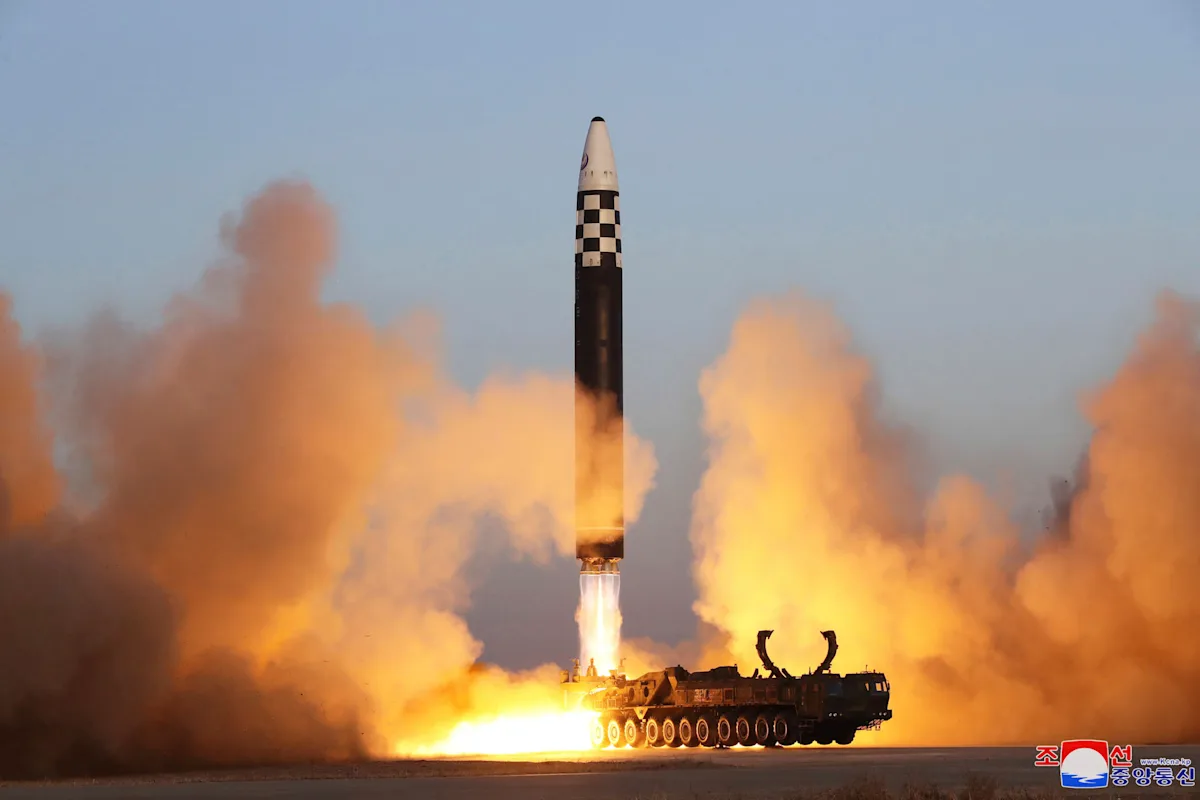
North Korea launched its largest Hwasong-17 intercontinental ballistic missile (ICBM) during a drill to demonstrate a "tough response posture" to ongoing US-South Korea military drills. The missile was launched from Pyongyang's airport and traveled up to a maximum altitude of 6,045 km and flew a distance of 1,000 km for just over 69 minutes before falling into the open sea. The launch did not pose a safety threat to any neighboring countries. The North's ballistic missiles are banned under United Nations Security Council resolutions, and the launch drew condemnation from governments in Seoul, Washington, and Tokyo.