The US proposed a security and economic cooperation plan between Israel and Syria, including a joint economic zone and a fusion cell to oversee demilitarization and diplomatic efforts, aiming to stabilize the border and foster normalization.
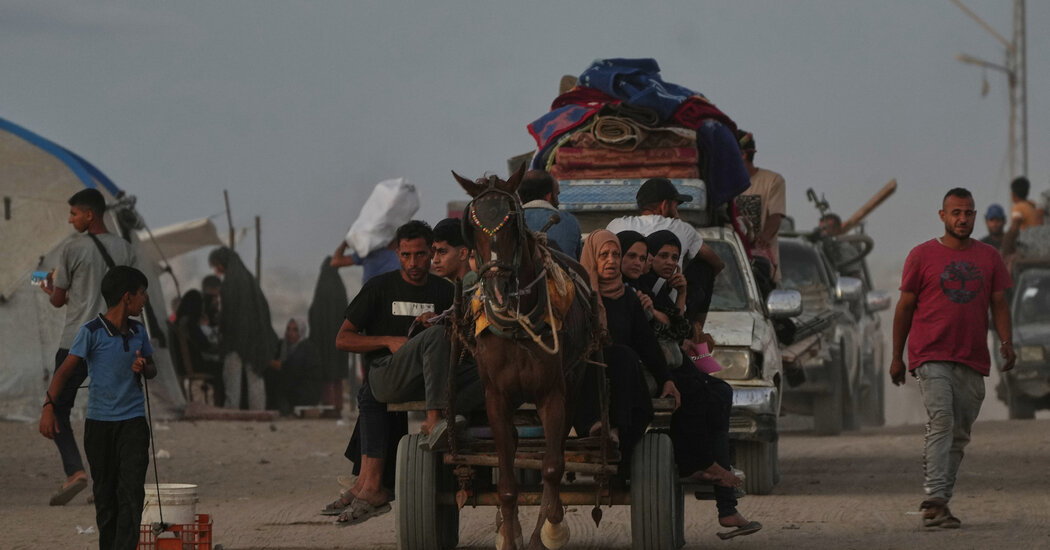
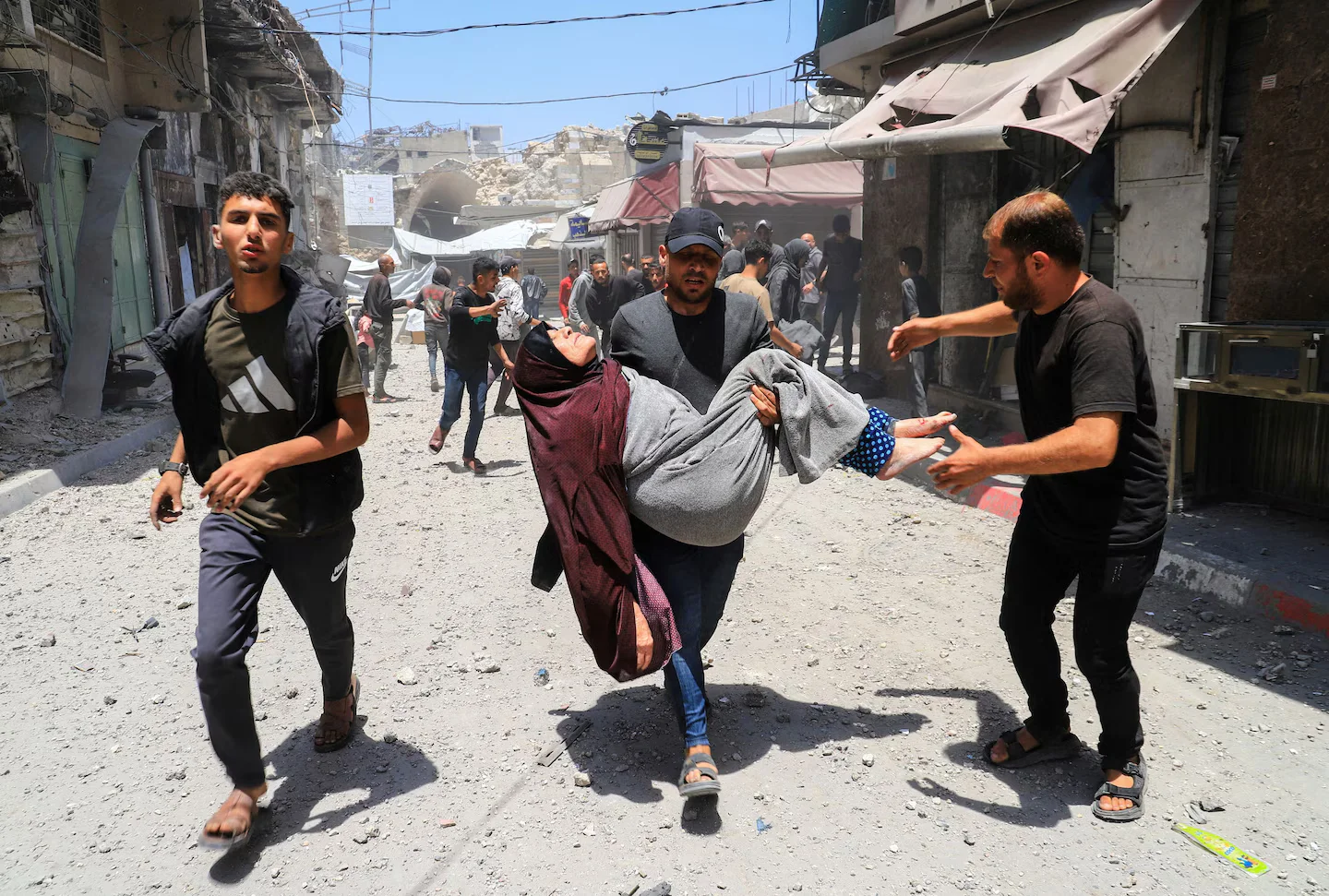
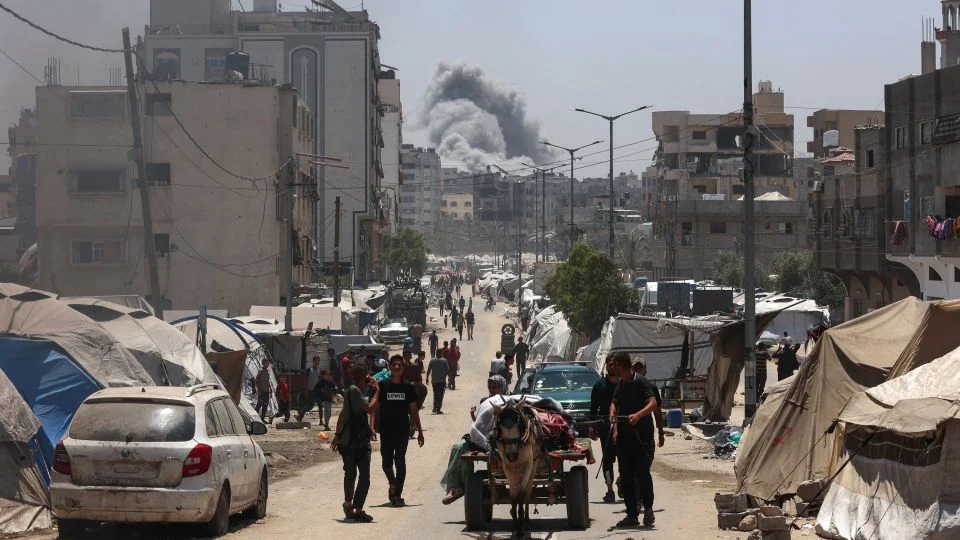
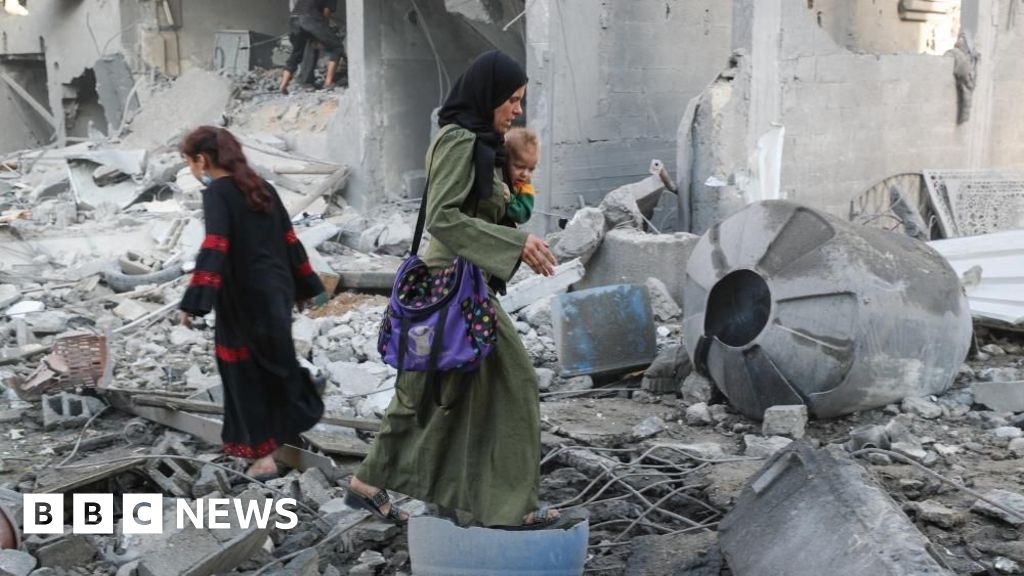
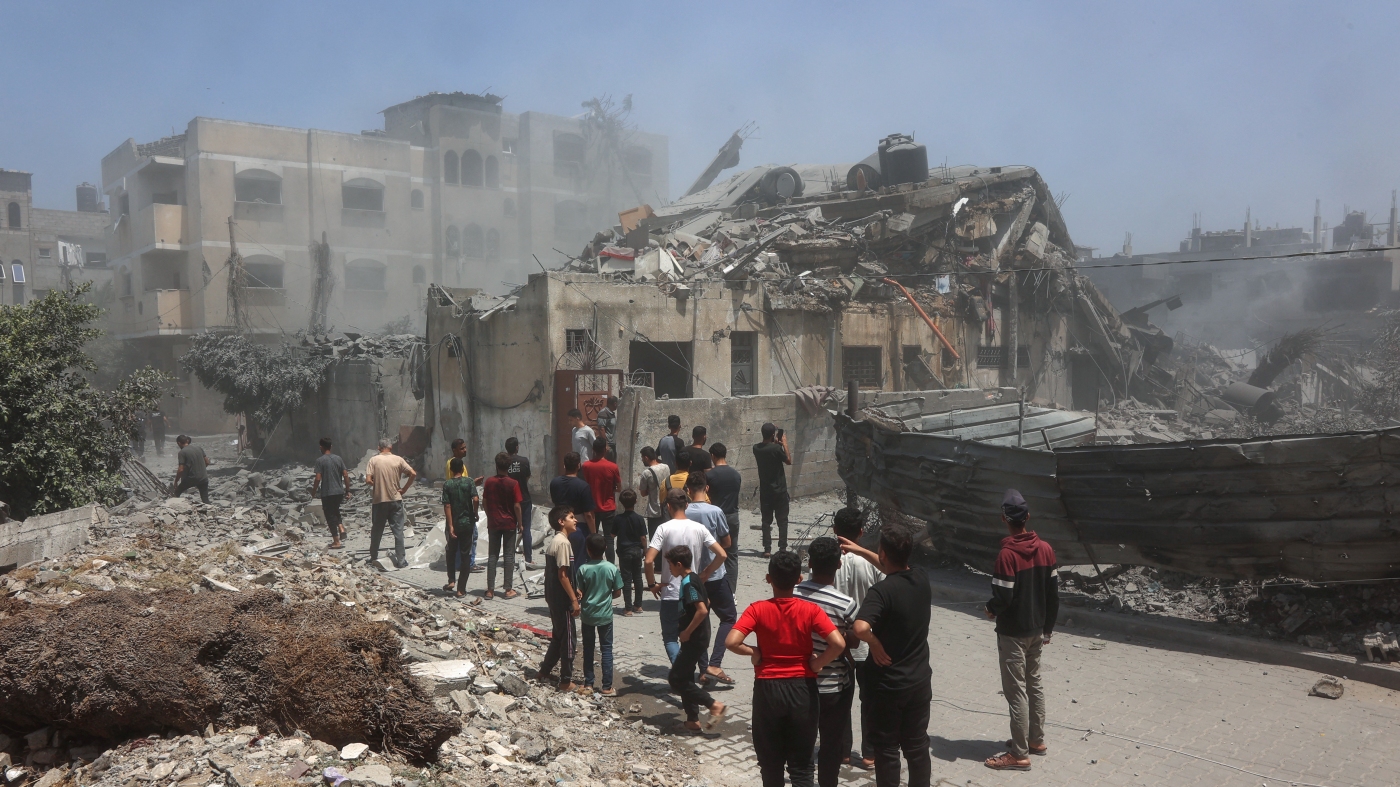
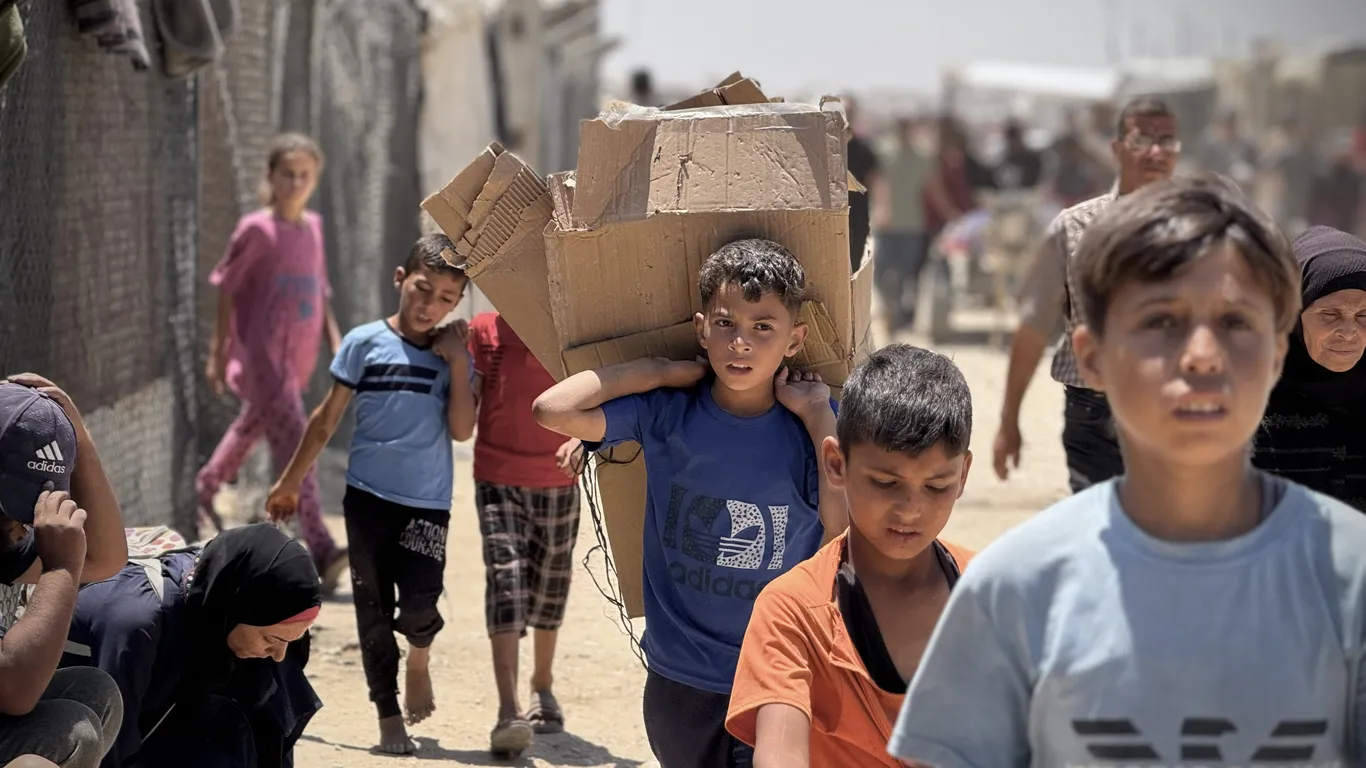
Many Palestinians in Gaza support a US-proposed cease-fire plan to end the ongoing conflict, hoping Hamas will accept it, amid widespread civilian suffering and destruction.
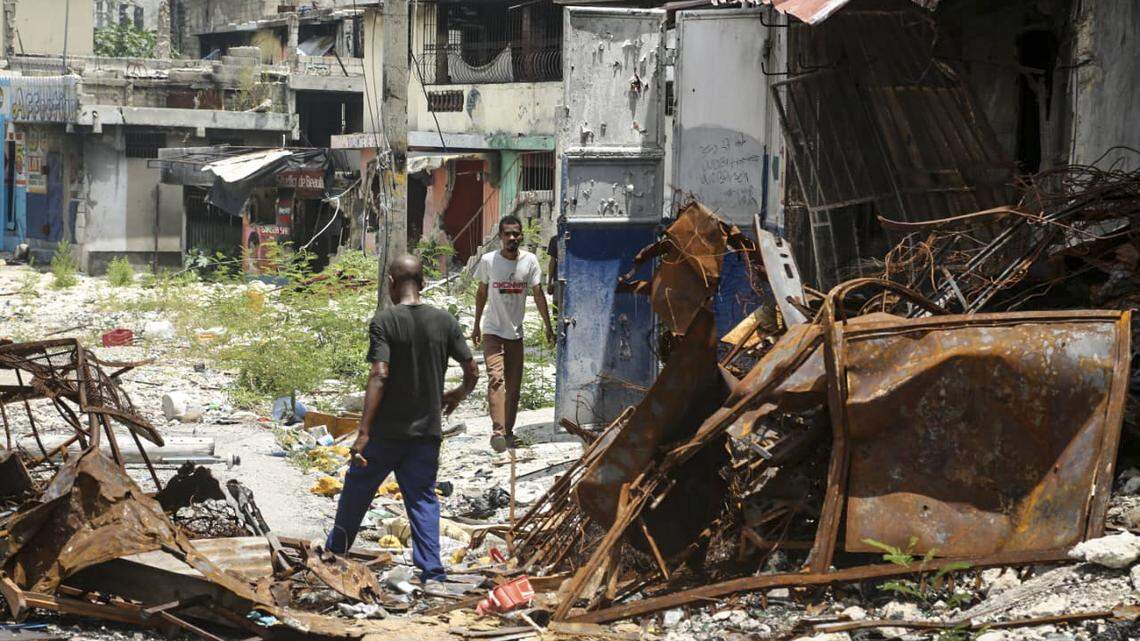
The U.S. proposes transforming the current Kenya-led UN mission in Haiti into a more autonomous and aggressive Gang Suppression Force with increased personnel and logistical support, aiming to better combat violent gangs and stabilize the country, amid ongoing violence and displacement.
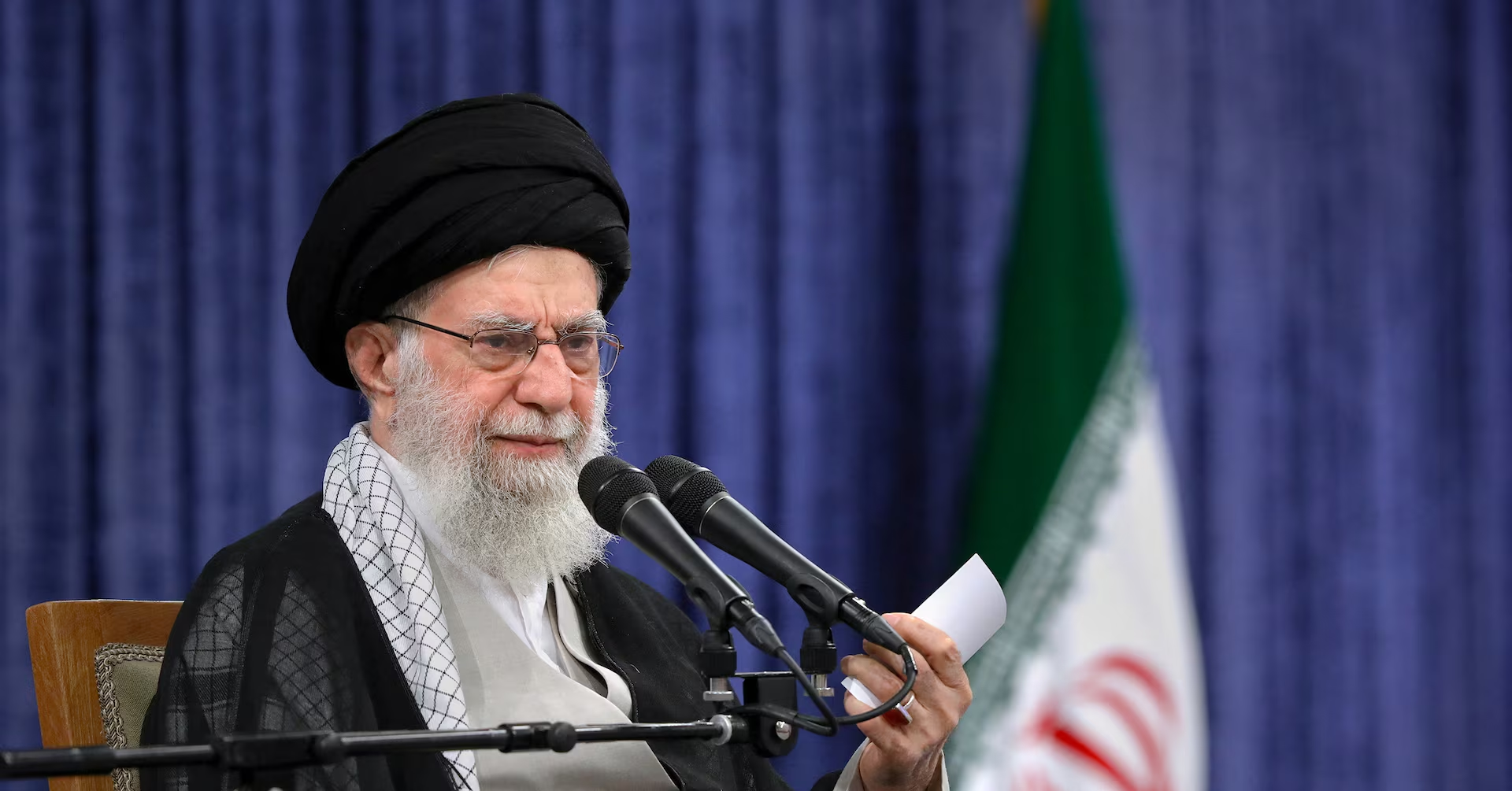
Iran's Supreme Leader Khamenei rejects the US nuclear proposal, emphasizing Iran's right to uranium enrichment and indicating that abandoning enrichment is against Iran's interests, amidst ongoing nuclear negotiations and regional tensions.
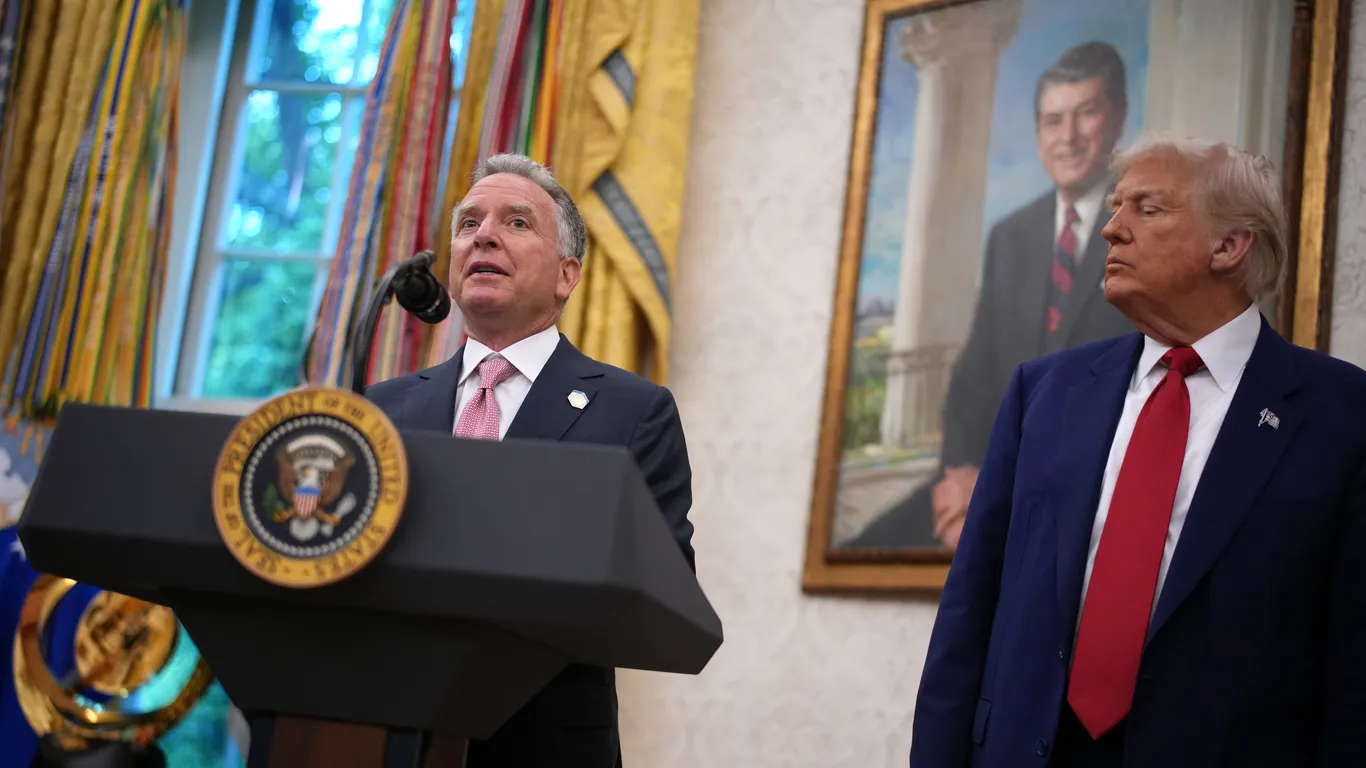
The White House's envoy Steve Witkoff criticized Hamas's rejection of a U.S.-proposed ceasefire and hostage deal, which Hamas demands changes to, including guarantees and sequencing of hostage releases, leading to a deadlock in negotiations amid ongoing efforts by the U.S., Egypt, and Qatar to facilitate an agreement.
Hamas responded to a U.S. ceasefire proposal, demanding a permanent ceasefire, withdrawal from Gaza, aid guarantees, and a prisoner exchange involving Israeli hostages and Palestinian prisoners.
Hamas responded positively to a US-backed Gaza ceasefire plan, calling for a permanent ceasefire, withdrawal, and aid flow, but the US and Israel found Hamas's response unacceptable, demanding further negotiations amid ongoing conflict and humanitarian crises in Gaza.
Hamas responded to a US ceasefire proposal with a conditional offer to release hostages in exchange for Palestinian prisoners and demands for a permanent truce and Israeli withdrawal from Gaza, amid ongoing conflict and complex negotiations.
Hamas has responded to a U.S. ceasefire proposal for Gaza, indicating willingness to release some hostages but seeking additional demands such as Israeli troop withdrawal and a permanent end to the conflict, amidst ongoing violence and casualties.
The U.S. has proposed a 60-day ceasefire in Gaza with exchanges of hostages and prisoners, but Hamas is still studying the offer and has expressed concerns about guarantees and conditions, leading to uncertainty about an imminent breakthrough.
Israel has accepted a US-proposed ceasefire with Hamas, which includes the release of hostages and a 60-day truce, while Hamas is reviewing the proposal; discussions are ongoing amid mixed political reactions within Israel.
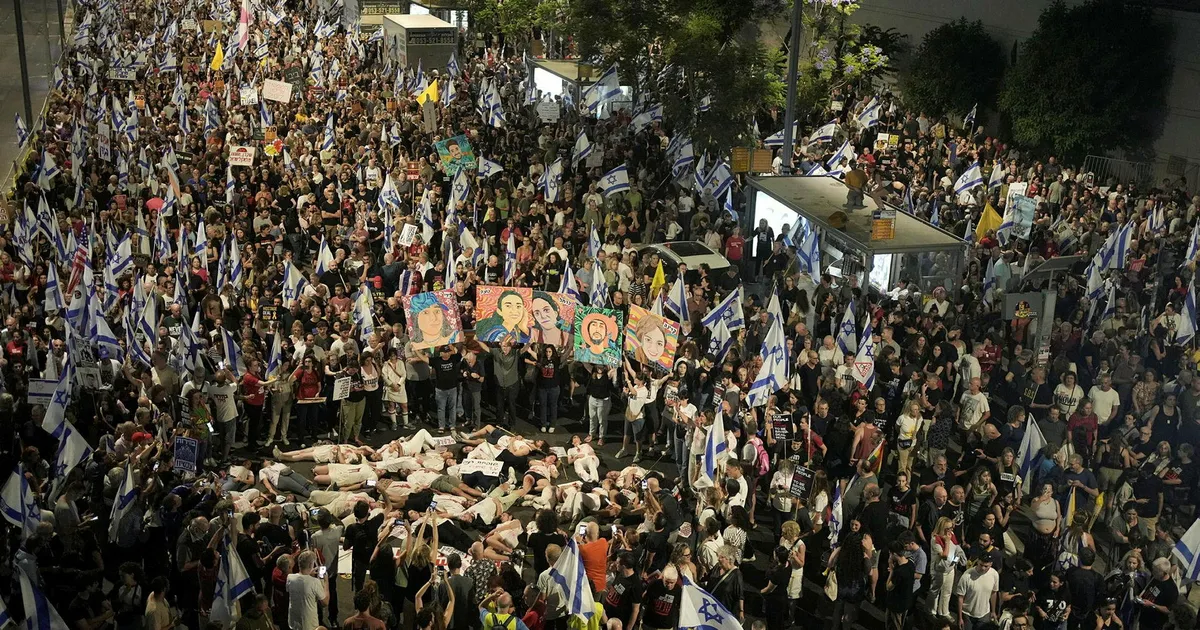
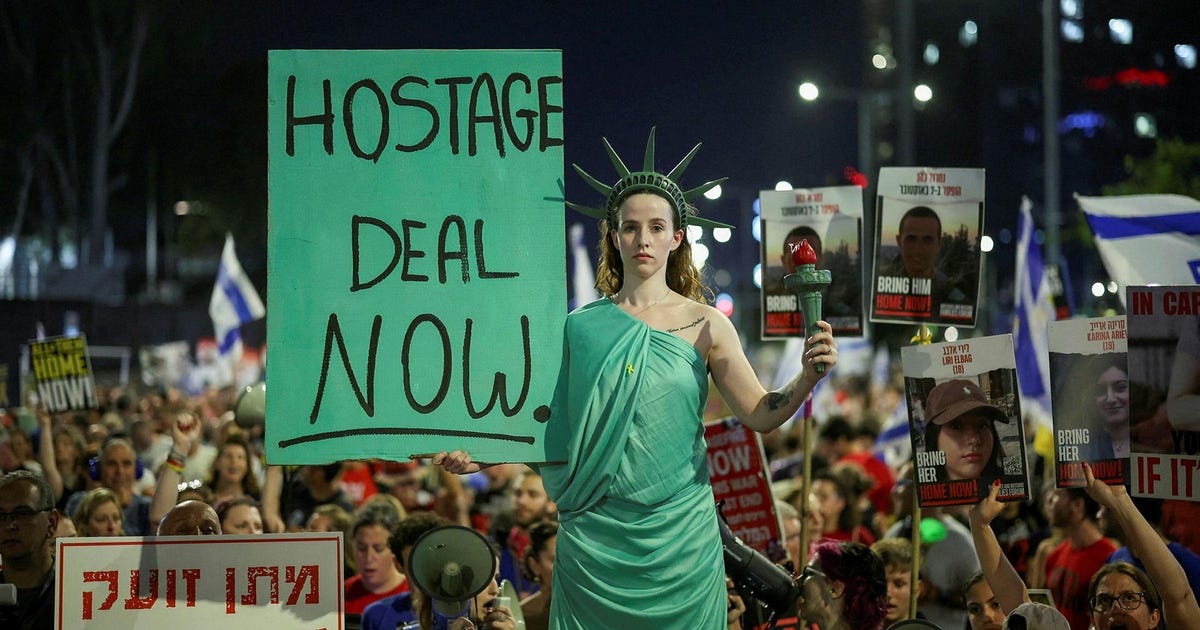
Tens of thousands of Israelis protested in various cities, including Tel Aviv, against the ruling coalition and in support of a U.S. proposal for a hostage release deal. The protests, led by hostages' families, aimed to pressure the government to accept the deal, with clashes reported between police and demonstrators.
Israeli ministers Itamar Ben-Gvir and Bezalel Smotrich have rejected a U.S. proposal for a hostage release deal, calling it an "absolute defeat" and threatening to quit Prime Minister Netanyahu's government. This has sparked protests from hostages' families demanding the acceptance of the deal, while opposition leader Yair Lapid criticized the government's handling of the situation. Concurrently, tensions remain high with ongoing conflicts involving Hezbollah and Hamas, and international scrutiny over Israel's actions in Gaza.
Hostage negotiations between Hamas and Israel are at a standstill after Hamas rejected a US proposal, leading to a suspension of contacts. The refusal has sparked tensions, with Hamas accusing the US of adopting the Israeli position and the US official criticizing Hamas leader Yahya Sinwar for keeping hostages to maintain the conflict. Families of the hostages are calling for action, with one urging a military intervention to retrieve the hostages from Gaza, while another emphasizes the need to return both living and deceased hostages for burial in Israel.
US officials believe that most of the Israeli hostages held by Hamas in Gaza are no longer alive, with reports indicating that 34 have been confirmed dead. Hamas has rejected a US plan for a temporary ceasefire and is demanding a permanent ceasefire and complete IDF withdrawal from Gaza in exchange for the release of hostages. Israel is open to negotiations based on the US proposal but seeks to avoid granting freedom of movement for Gazans before a permanent end to the fighting.