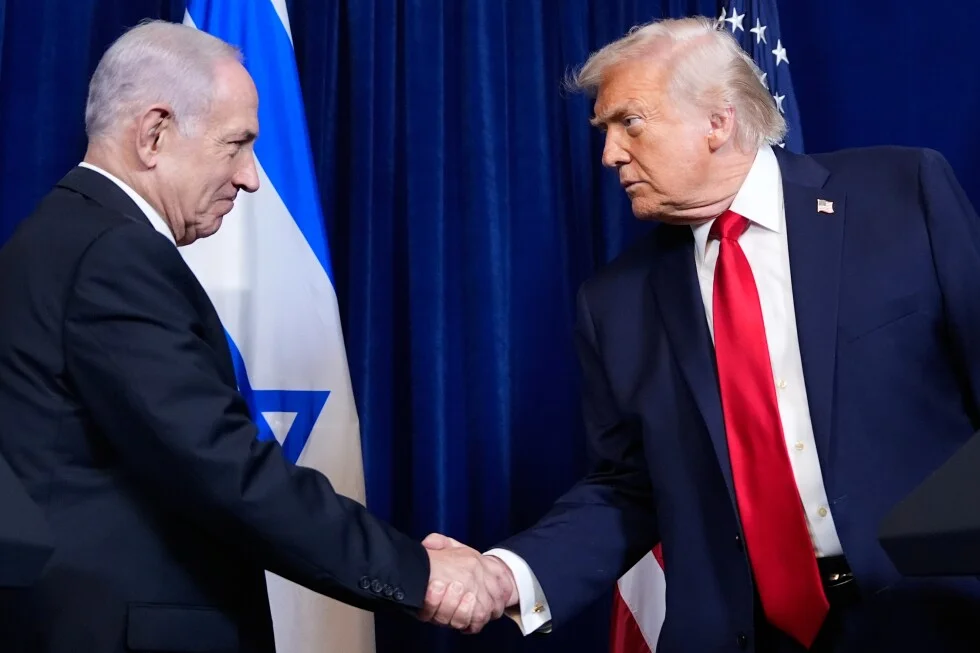
Netanyahu bets on US backing as Iran conflict looms
Israeli Prime Minister Netanyahu defends joining the United States in a war against Iran, a gamble that tests the durability of US-Israeli ties as Tehran faces coordinated strikes.

All articles tagged with #us israel relations
Israeli Prime Minister Netanyahu defends joining the United States in a war against Iran, a gamble that tests the durability of US-Israeli ties as Tehran faces coordinated strikes.
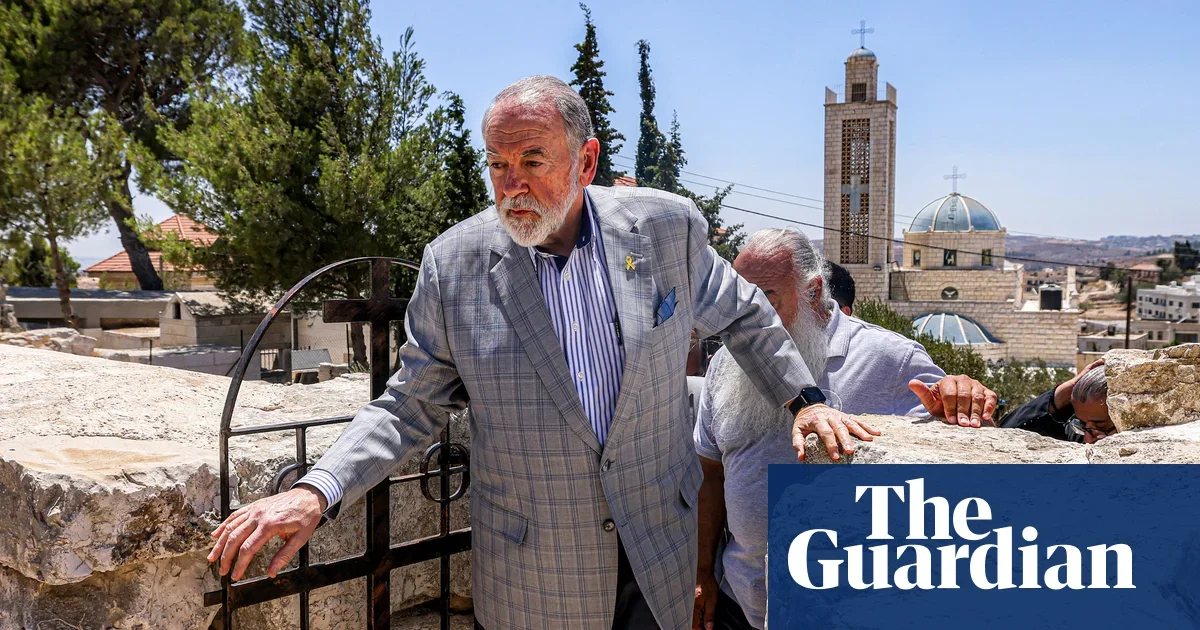
US ambassador to Israel Mike Huckabee told Tucker Carlson that Israel has a biblical right to take over much of the Middle East and that 'it would be fine if they took it all,' citing Abrahamic promises and a land expanse from the wadi of Egypt to the Euphrates; the interview highlighted religious-nationalist views within US-Israel discourse and drew reactions from other leaders, while officials clarified Carlson’s airport questioning was routine and not a detention.
Israel's security cabinet debated reopening Gaza's Rafah crossing, agreeing it would open after the current IDF operation ends—whether or not Ran Gvili's body is found—while inbound reentry remains tied to his remains; the United States and mediators plan a two-way reopening starting Monday.

A notable Iranian move described as a shutdown blunder is depicted as exposing new security vulnerabilities that threaten the United States and Israel, signaling heightened regional volatility and prompting policymakers to watch for potential escalation or retaliation.
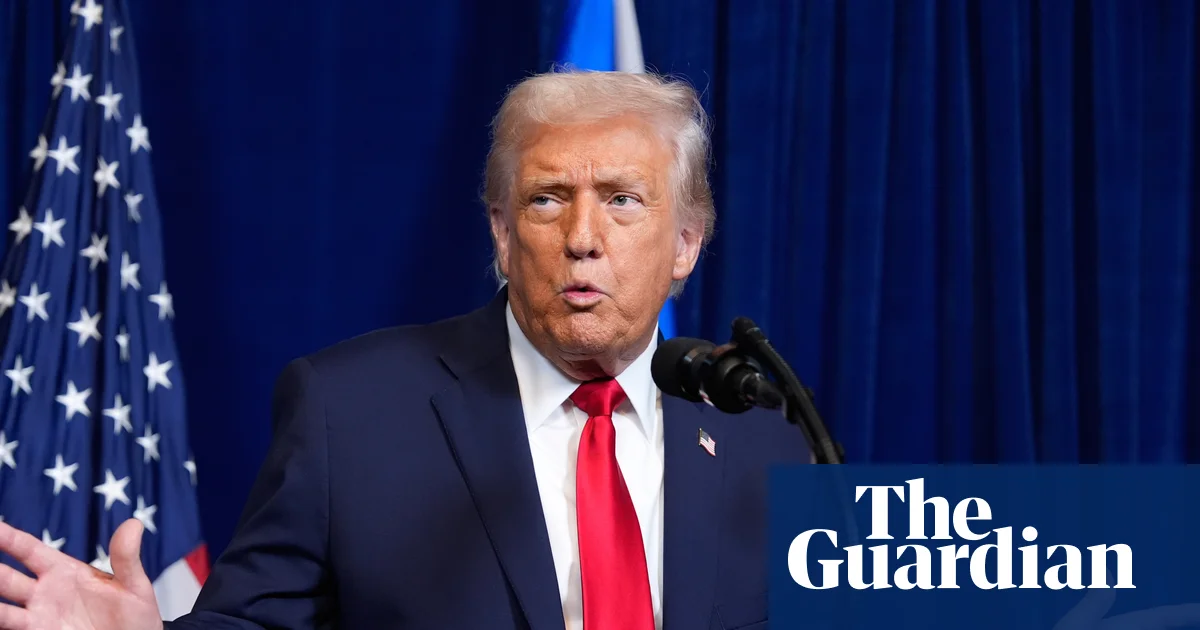
Donald Trump hosted Benjamin Netanyahu at Mar-a-Lago, displaying his usual disdain for diplomatic protocol by making impulsive statements on Iran, Ukraine, and Syria, while praising Netanyahu's leadership and discussing peace plans in Gaza amid underlying tensions and mutual irritation.
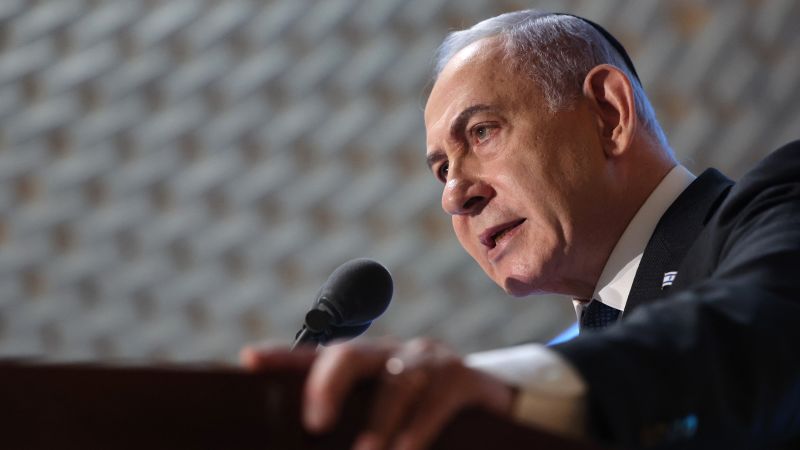
Israeli Prime Minister Benjamin Netanyahu's visit to Mar-a-Lago signals the start of his 2026 reelection campaign, heavily relying on support from US President Donald Trump, with the alliance focusing on regional diplomacy, peace initiatives, and Trump’s influence to bolster Netanyahu’s political prospects amid ongoing regional and domestic challenges.
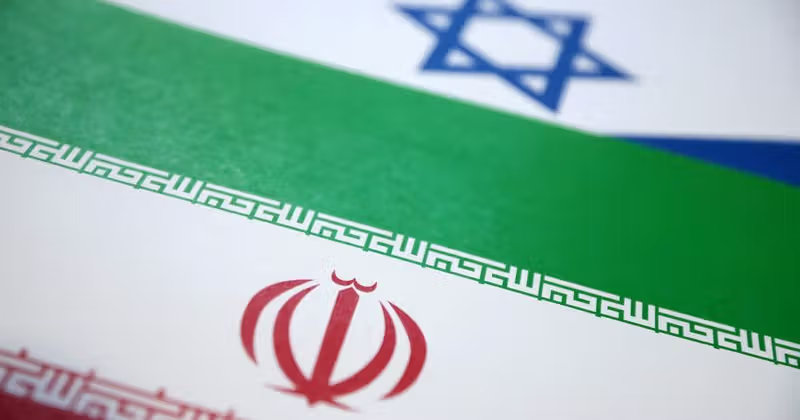
Israel is considering regime change in Iran to prevent ongoing conflicts, with discussions involving US support and military preparations, amid heightened tensions over Iran's nuclear and missile programs and recent military activity.
The US is exploring plans to establish a large military base on Israel's border with Gaza, capable of housing thousands of troops to enhance direct control over the region and support future stabilization efforts, though details remain uncertain and the plan may still be in early stages.
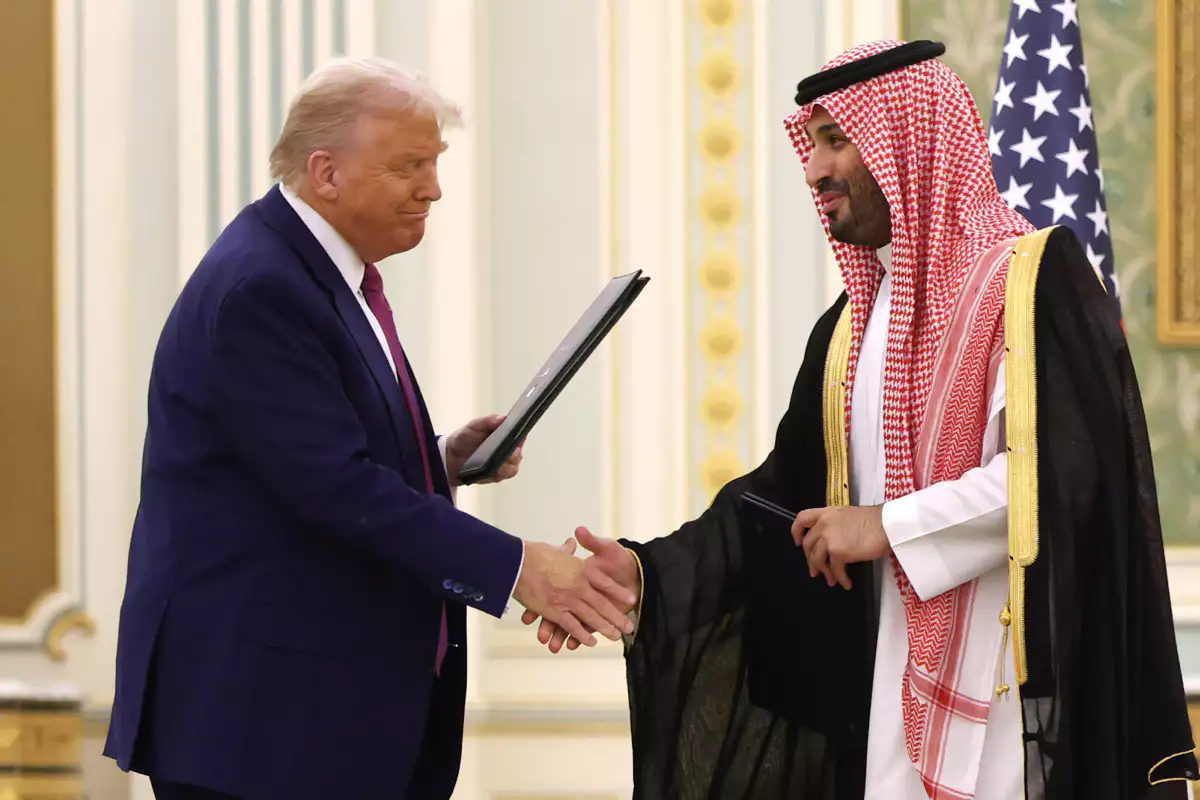
Saudi Crown Prince Mohammed bin Salman plans to present a regional initiative during his US visit, focusing on Middle East peace, including Palestinian recognition, reviving Iran-US negotiations, and promoting regional stability by fostering better relations with Iran and addressing conflicts in Yemen, Lebanon, and Iraq.
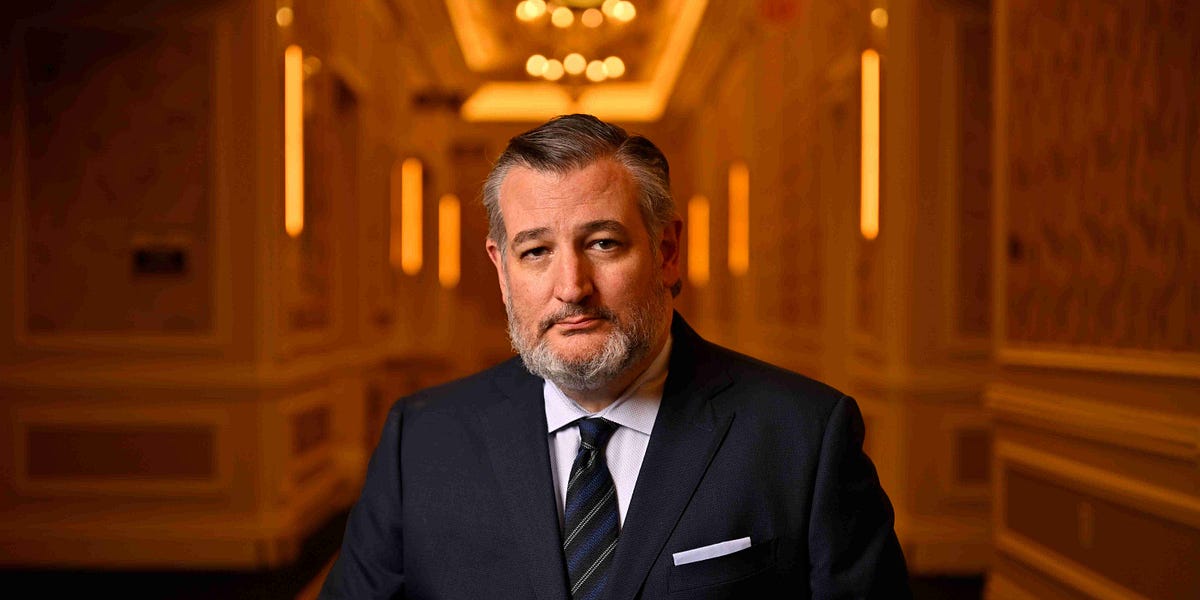
Ted Cruz describes the fight against antisemitism within the right-wing as an 'existential' battle that could determine the future of the country, emphasizing the importance of controlling the Republican Party and the MAGA movement to prevent the rise of antisemitic ideologies.
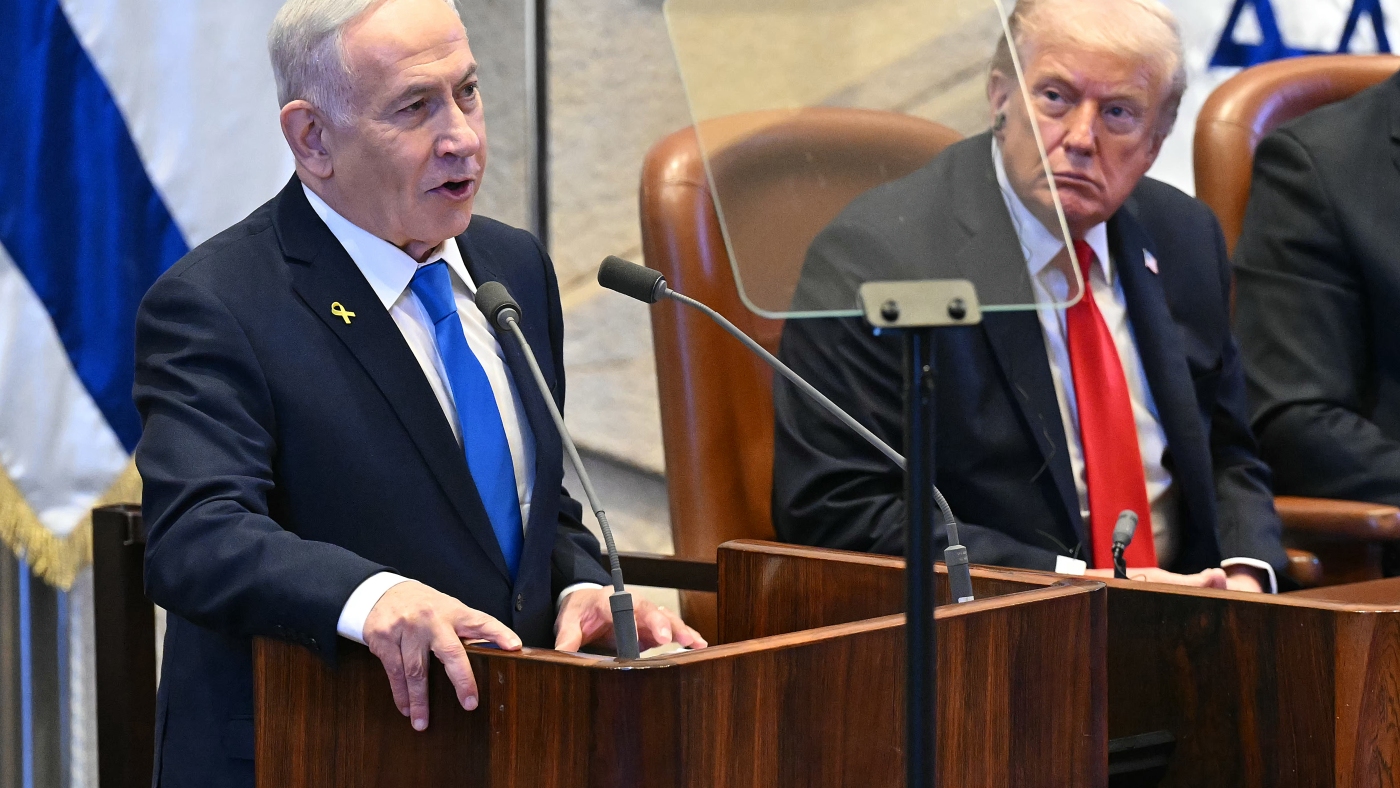
Israel has achieved military victories against its enemies but faces significant international criticism and diplomatic challenges, especially following the recent Gaza conflict, which has strained its global standing and its relationship with the U.S., despite ongoing regional agreements like the Abraham Accords.
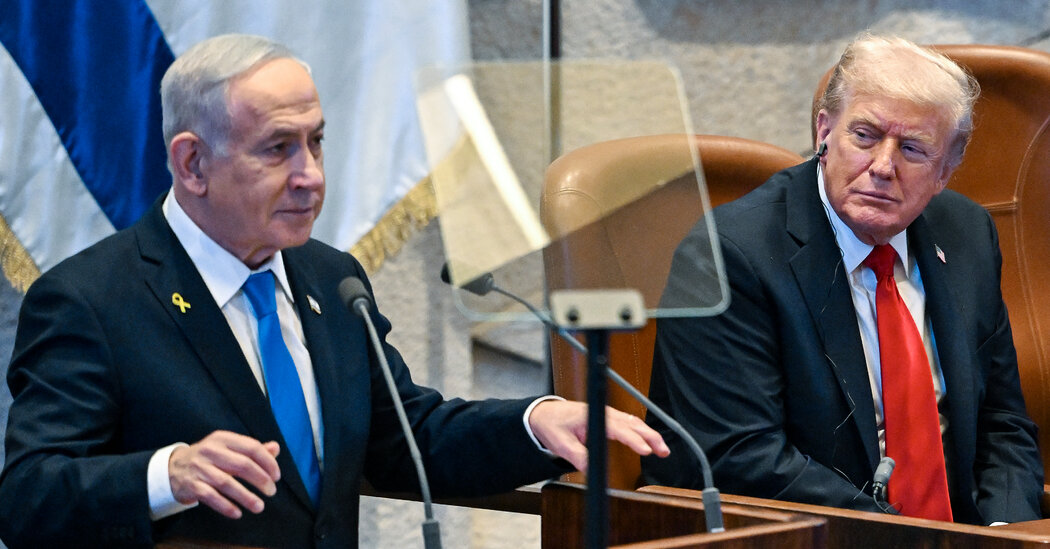
A new phase in the US-Israel relationship is emerging, characterized by increased US oversight and support for Netanyahu's government following the Gaza cease-fire, marking a shift from previous Trump-era policies.
A US official warns that Prime Minister Netanyahu's handling of the Gaza deal could jeopardize the agreement, risking fallout with President Trump, amid ongoing US oversight and regional tensions.
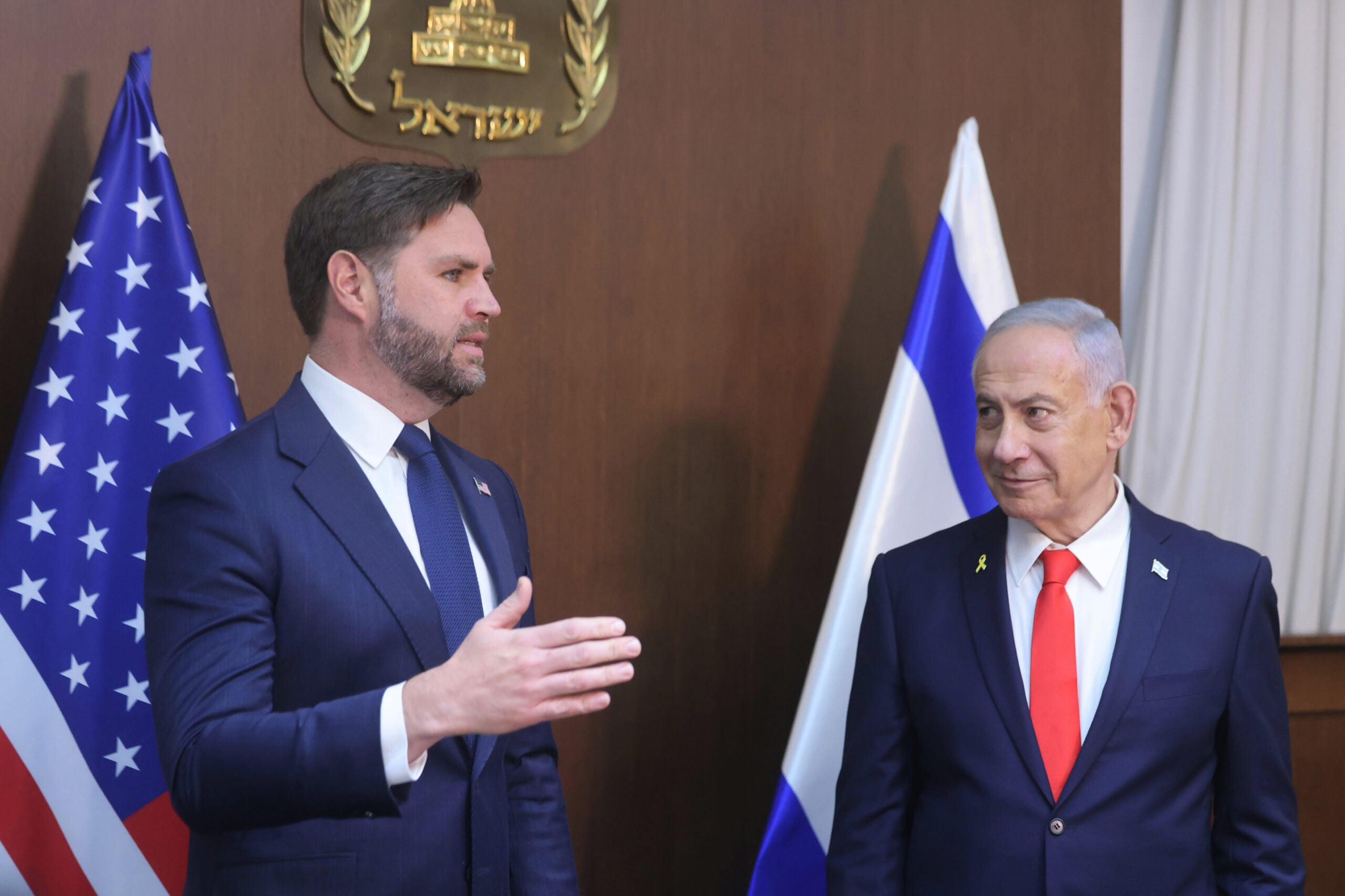
Israeli Prime Minister Netanyahu distanced himself from recent Knesset votes to extend sovereignty to parts of the West Bank, following condemnation from US officials including Trump, Vance, and Rubio, who expressed concerns over annexation efforts and their impact on US support for Israel. Netanyahu's government claims the bills are symbolic and opposition-driven, with efforts underway to manage diplomatic fallout and clarify Israel's stance to the US.
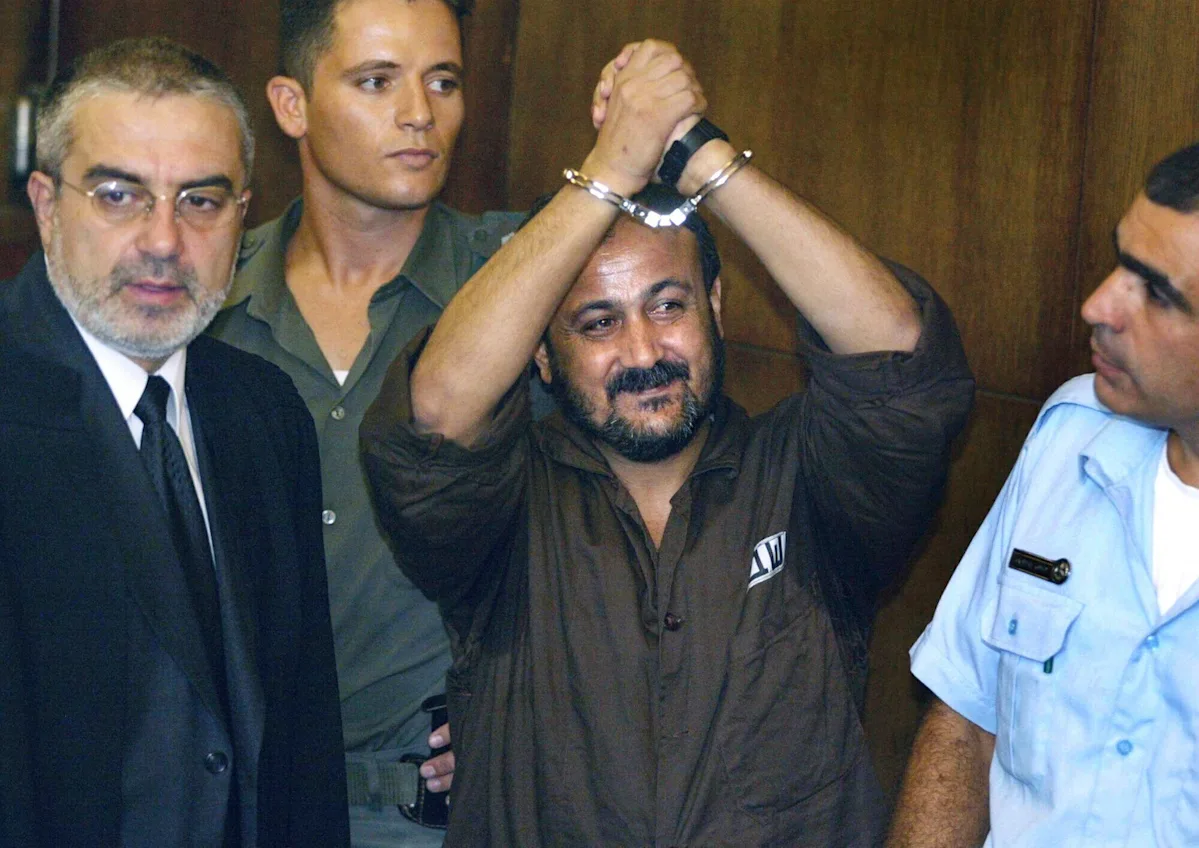
President Trump is considering urging Israel to release Palestinian leader Marwan Barghouti to help fill a leadership void in Gaza post-Hamas, amid ongoing US and Israeli efforts to establish credible governance in the territory. Barghouti, a popular and potentially unifying figure, is currently imprisoned by Israel and viewed as a significant political figure by Palestinians, though Israel considers him a terrorist. The situation is complicated by the recent ceasefire and ongoing reconstruction efforts in Gaza.