U.S. Customs and Border Protection issued a Withhold Release Order against tires made by Linglong International Europe in Serbia due to evidence of forced labor, detaining shipments at U.S. ports to prevent exploitation and ensure fair competition.
US Customs has detained Giant bikes and parts from Taiwan over forced-labor allegations, issuing a Withhold Release Order that affects products exported to the US, while Giant works to address the issues and seek revocation of the order.
The US's removal of the de minimis tariff exemption for low-value parcels has caused an over 80% drop in postal traffic to the US, disrupting global postal services and raising concerns about operational challenges and compliance issues among international postal operators.
The US is ending a tariff exemption for goods under $800, which will lead to higher import duties on international online shopping, potentially causing surprise costs for consumers and delays in delivery. Shoppers are advised to check product origin, shipping terms, and fulfillment locations to estimate costs and avoid unexpected charges.
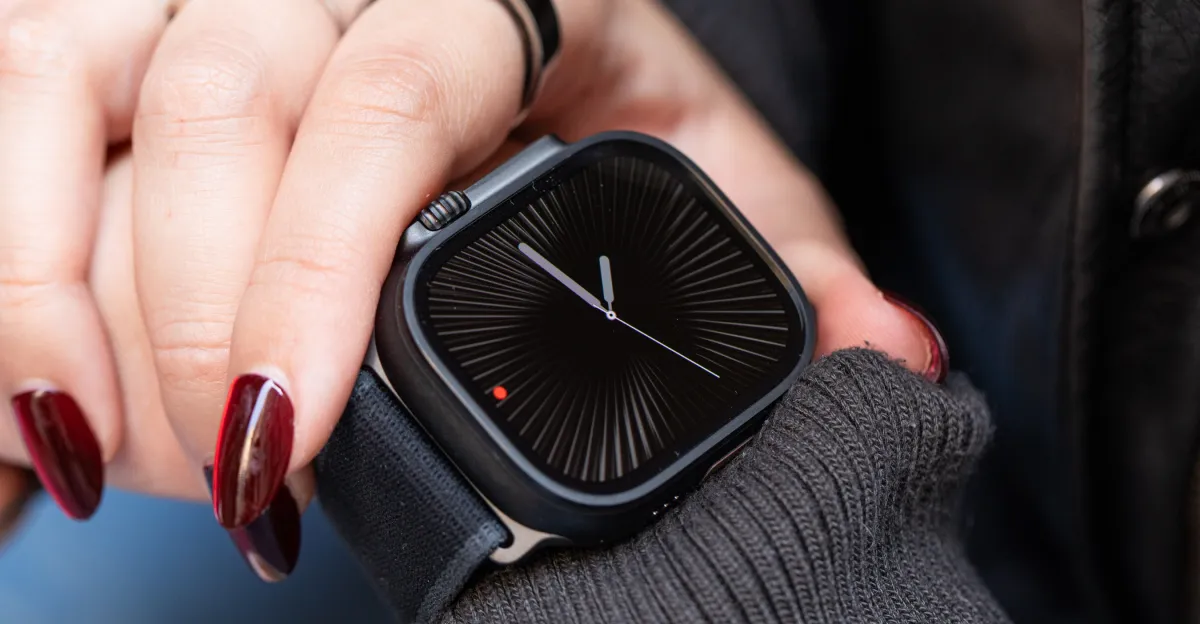
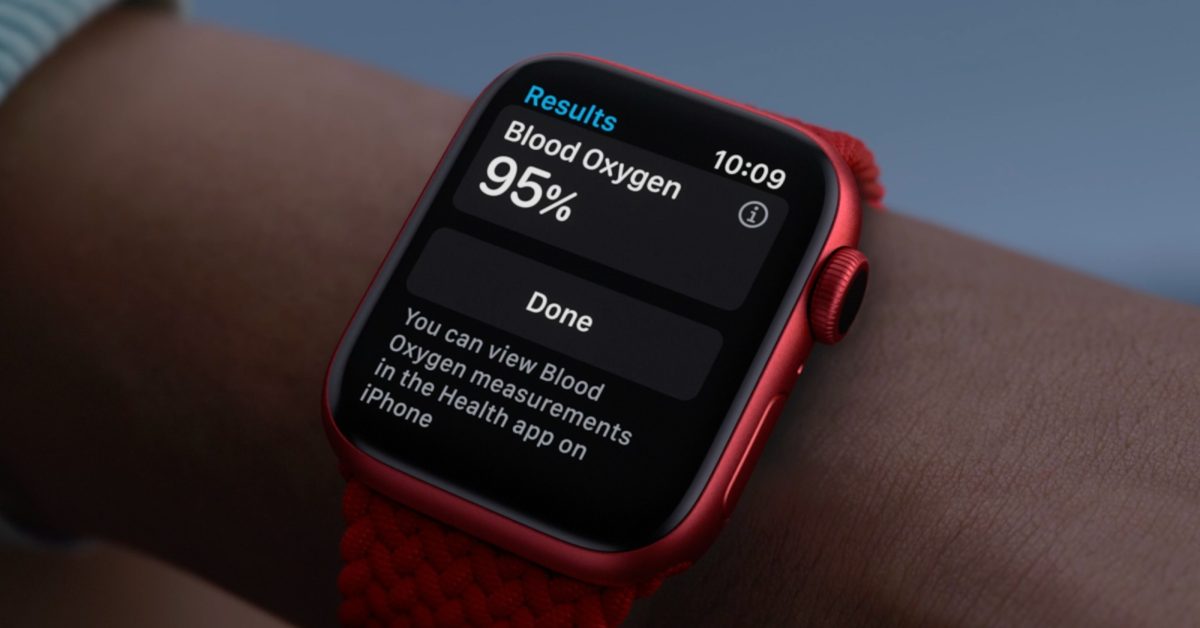
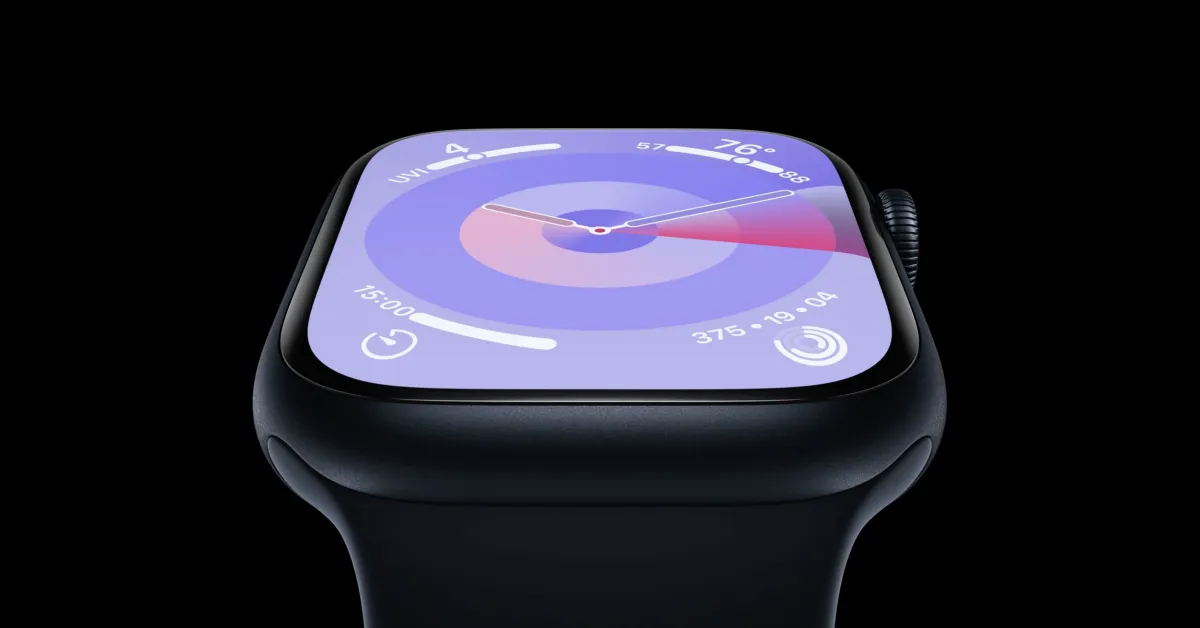
Medical tech company Masimo is suing US Customs and Border Protection to challenge the decision allowing Apple to restore blood oxygen tracking on Apple Watches, claiming the agency failed to notify Masimo of the reversal of import restrictions and alleging patent infringement by Apple.
Masimo has filed a lawsuit against US Customs and Border Protection, alleging they overstepped their authority by reversing a decision that allowed Apple to reintroduce the Blood Oxygen feature on the Apple Watch, which Masimo claims infringes on its patents. The company seeks a court order to reinstate the original ruling and prevent the feature's reintroduction via software updates.
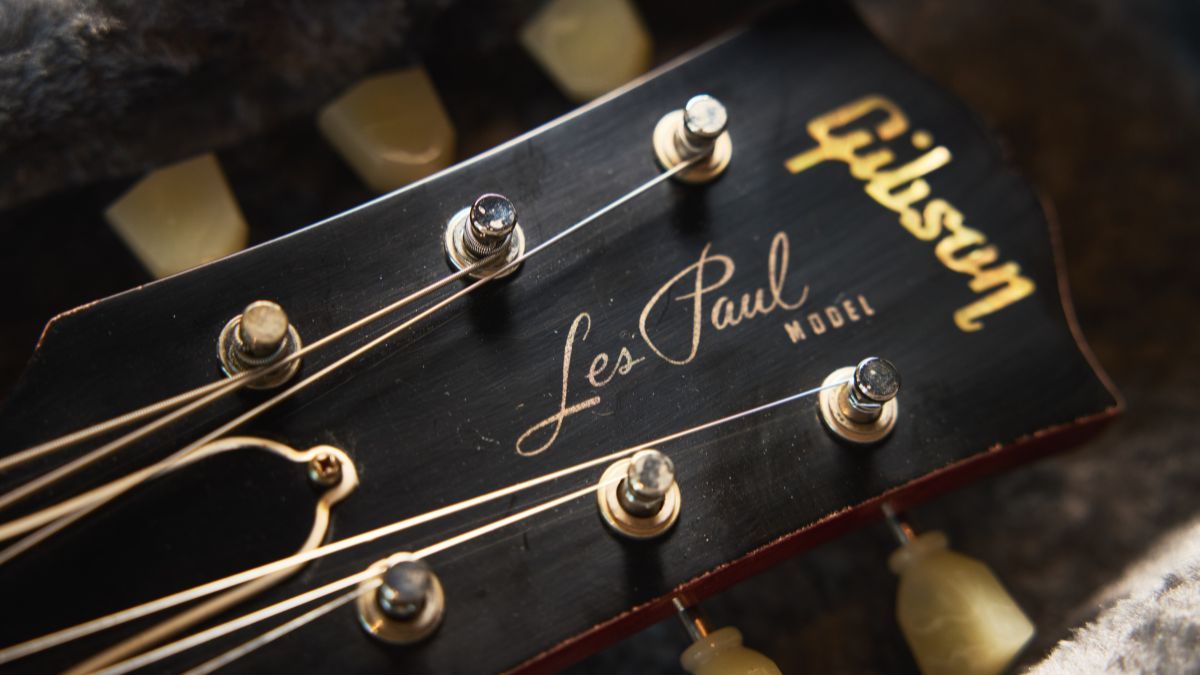
U.S. Customs and Border Protection seized over 3,000 counterfeit Gibson guitars valued at $18 million in one of the largest counterfeit instrument busts in history. The fake guitars, resembling models associated with famous musicians, were intercepted at a warehouse in Carson, California. Authorities warn consumers to be cautious when purchasing instruments, especially from uncertified online marketplaces. The ongoing investigation involves the Department of Homeland Security and the Los Angeles Sheriff's Department, with the counterfeit guitars set to be destroyed.
U.S. Customs and Border Protection, in collaboration with Gibson and other agencies, seized over 3,000 counterfeit Gibson guitars valued at $18 million, marking the largest seizure of fake musical instruments in history. This operation highlights Gibson's ongoing efforts to protect its intellectual property, as the company also warns consumers about fraudulent products on e-commerce platforms. The seizure coincides with Gibson's 130th anniversary celebrations, which include special guitar releases.
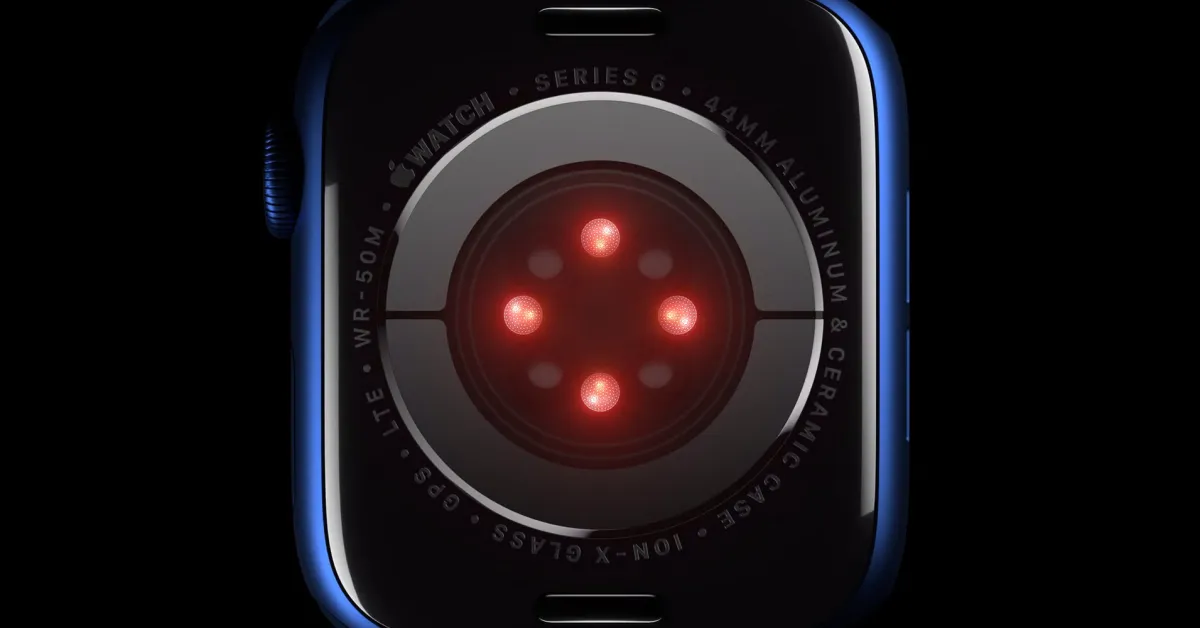
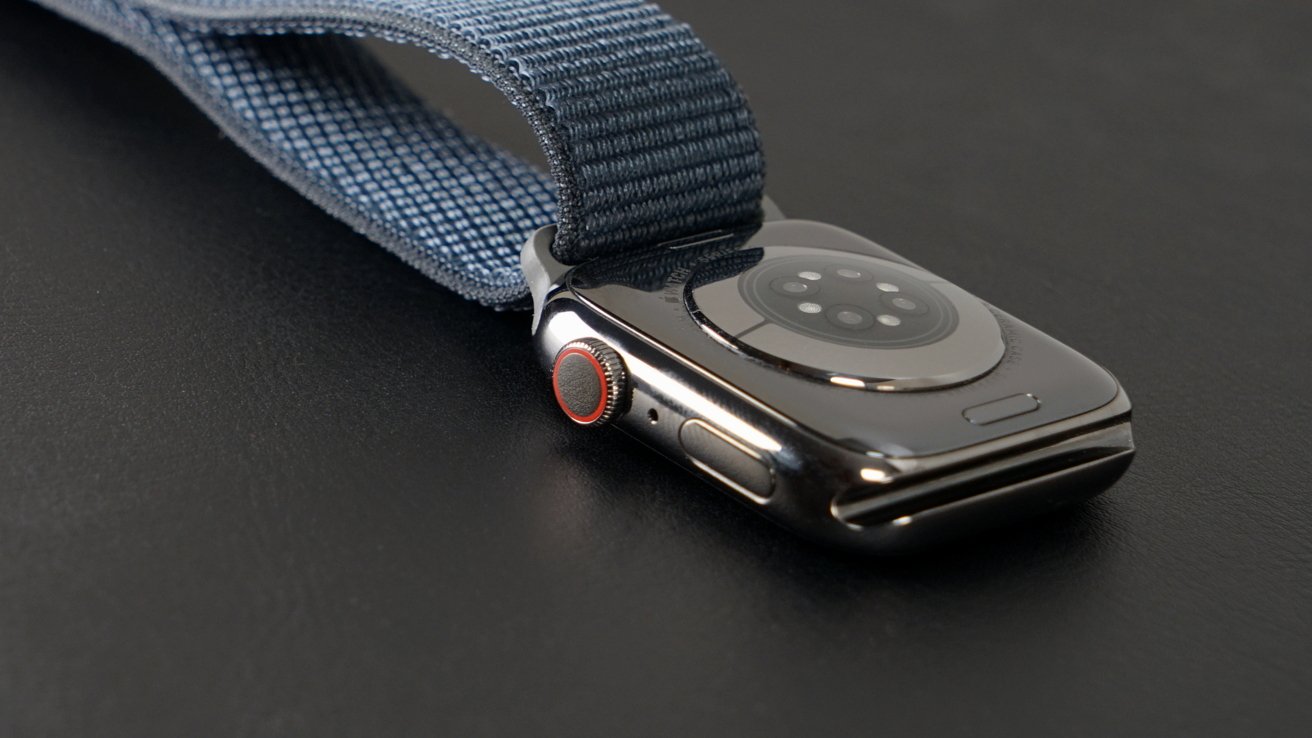
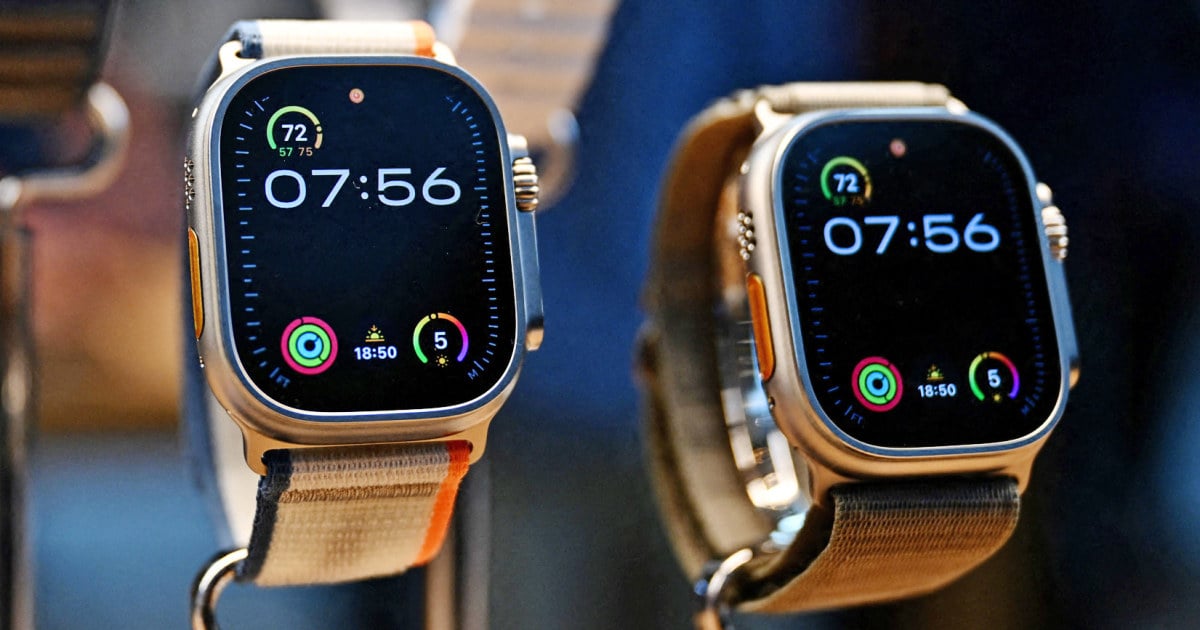
The US Customs and Border Protection has published documents detailing the ban on the Apple Watch Series 9 and Apple Watch Ultra 2, which includes information about Apple's software workaround to disable the blood pulse oximeter. The ban can be lifted if Apple wins an appeal or when the violated patents expire in August 2028, and the documents reveal that the pulse oximeter can be reactivated via a software update. Masimo's protests and jailbreaking have shown that the feature can be reactivated, but the Customs order doesn't consider this a viable reason to stop the workaround.
U.S. authorities are holding thousands of imported luxury cars from brands like Porsche, Bentley, and Audi due to a part in the vehicles violating laws against importing goods made with forced labor in China. The part came from an indirect supplier in western China, triggering impoundment and replacement of the banned part, a process that may last until the end of March. The Uyghur Forced Labor Prevention Act prohibits imported goods from Xinjiang, and Volkswagen, the common owner of the affected luxury auto brands, is investigating the matter and may terminate supplier relationships if serious violations are confirmed.
U.S. Customs and Border Protection has stated that Apple can potentially bypass an import ban on newer Apple Watch models by implementing a redesign, following a patent infringement dispute with Masimo. The ban, issued by the U.S. International Trade Commission, applies to certain Apple Watch models, but Apple has convinced a U.S. appeals court to temporarily pause the ban while it contests the ruling. The customs agency's decision may be subject to review by the ITC. Masimo has accused Apple of infringing its patents and stealing technology, while Apple has countered with its own legal actions.
The U.S. Customs agency has ruled that Apple's proposed redesign of the Apple Watch Series 9 and Ultra 2 does not infringe on Masimo patents, as long as the devices no longer contain pulse oximetry features. This decision allows Apple to continue selling the watches in the U.S. without the blood oxygen functionality. However, the outcome of Apple's request to pause the Apple Watch ban during the appeals process is still pending, with a decision expected soon from the US appeals court.
The International Trade Commission (ITC) has opposed Apple's request to stay the Apple Watch sales ban, stating that Apple's arguments are weak and unconvincing. The ITC ruled in October that the Apple Watch Series 9 and Ultra 2 infringe on patents held by Masimo, leading to a temporary halt in sales. Apple has submitted a software redesign to US Customs and Border Protection and is awaiting a decision on January 12. The US appeals court will decide on the stay request, and if US Customs deems the software change inadequate and the stay request is rejected, the Apple Watch models could be removed from the market again.