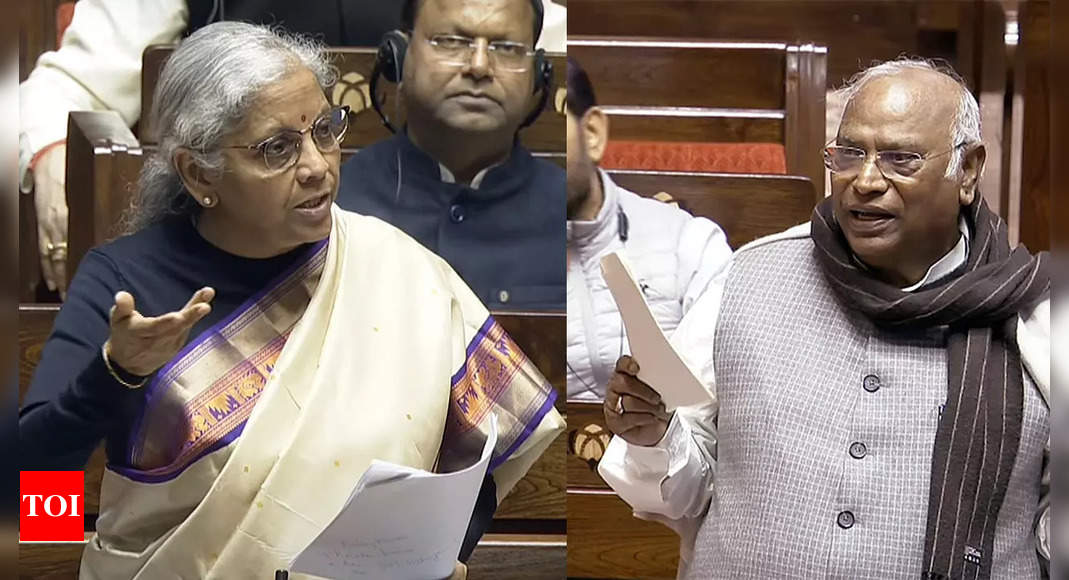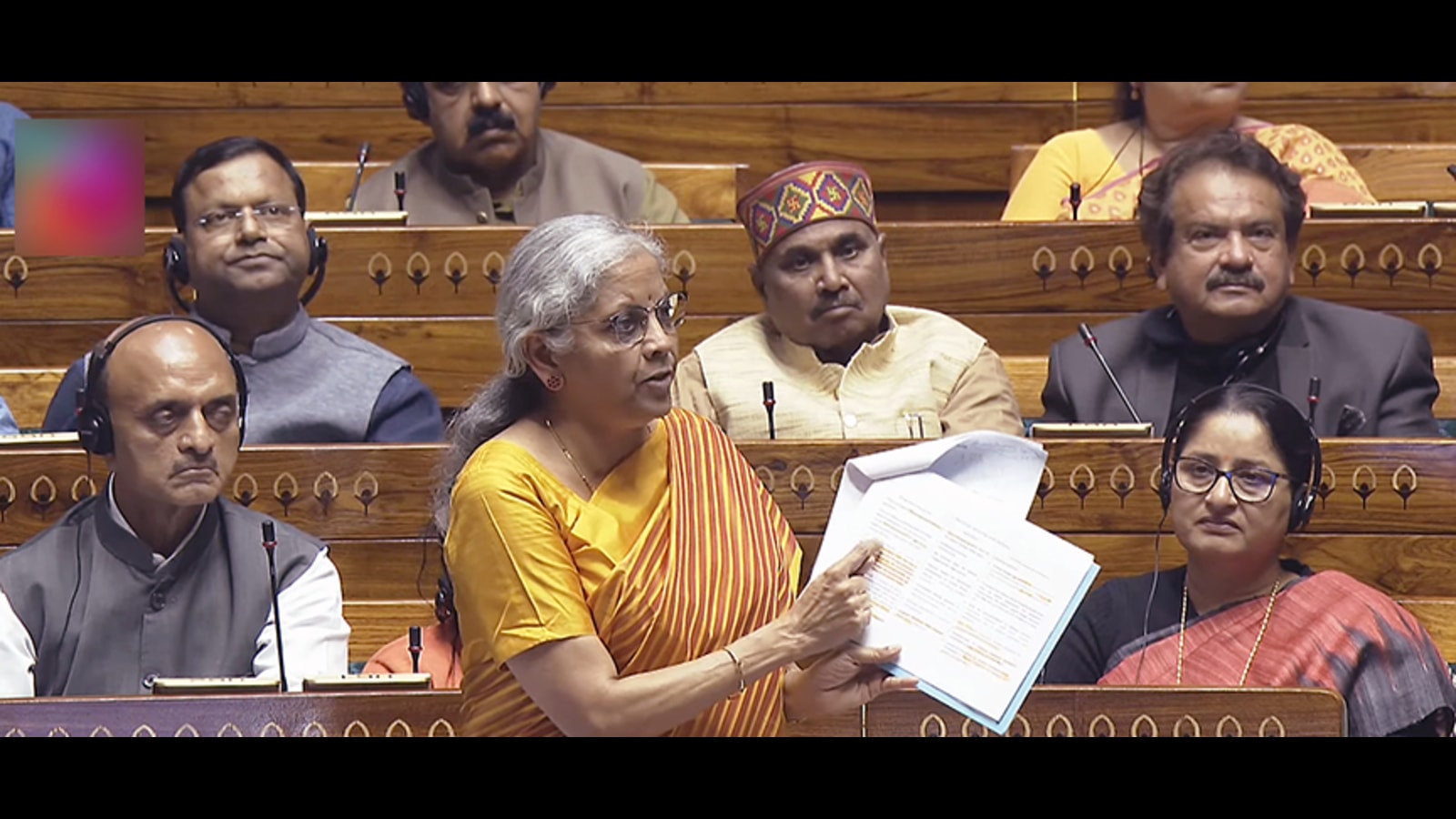
Union Finance Minister Nirmala Sitharaman criticized the UPA government's leadership and policies, blaming an "extra-constitutional" body for running the government and causing India to be labeled as one of the "Fragile Five" economies. She contrasted the UPA's response to the 2008 global financial crisis with the NDA government's handling of the Covid-19 pandemic, highlighting corruption scandals and alleged kickbacks during the UPA regime. Sitharaman also emphasized the Modi government's efforts to reform public sector banks and the coal sector, while the Congress accused the White Paper of being a "political manifesto" for the upcoming 2024 General Elections.
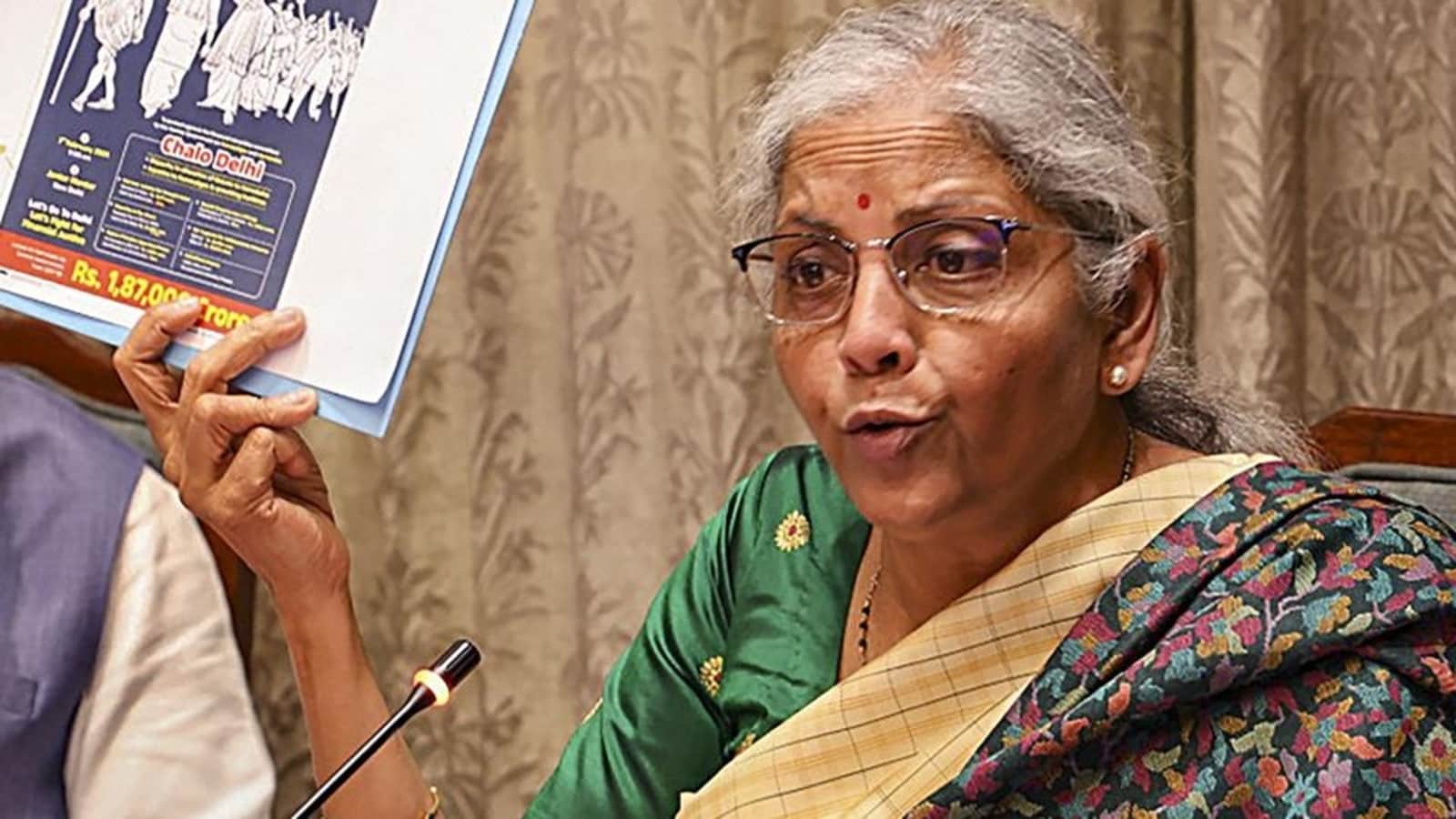
The Indian government's White Paper attributes the country's economic turnaround to prudent macroeconomic policies, commitment to reforms, and clear political leadership under the Narendra Modi government, contrasting it with the policy paralysis and corruption during the UPA government. The document highlights issues such as inflation, banking crisis, and fiscal deficits under the UPA regime, while crediting the current government for rejuvenating the reform agenda, improving financial sector health, and achieving fiscal consolidation. It also emphasizes the expansion of welfare programs and infrastructure development under the Modi government, attributing the macroeconomic turnaround to Prime Minister Narendra Modi's clear leadership and authority.
The Centre tabled a 'White Paper on Indian Economy' in Lok Sabha, highlighting the NDA government's efforts to improve the economy and accusing the UPA government of economic mismanagement. This comes after the Congress released a "black paper" alleging failures of the Modi government. The white paper details the steps taken to restore the economy, while the black paper accuses the government of injustice and discrimination against non-BJP ruled states. Prime Minister Modi responded to the black paper with a jibe, calling it a "kaala teeka" to ward off the evil eye on his government's achievements.
Union finance minister Nirmala Sitharaman presented a white paper on the Indian economy, comparing the economic state under the 10-year UPA rule to the present under the NDA. The document highlights the transformation from being among the 'fragile five' economies to the 'top five', citing improvements in various sectors such as telecommunications, natural resource auctions, inflation, foreign exchange reserves, infrastructure, and development programs. The white paper aims to showcase the progress made during the NDA government's tenure and contrasts it with the economic challenges faced during the UPA government's rule.