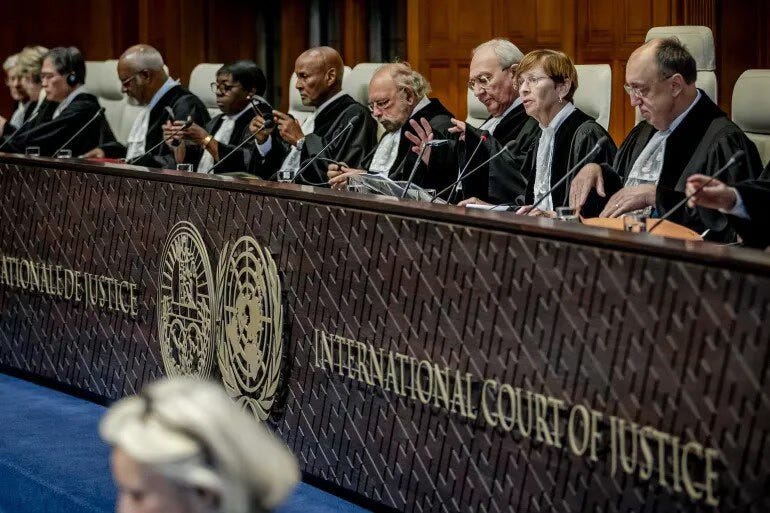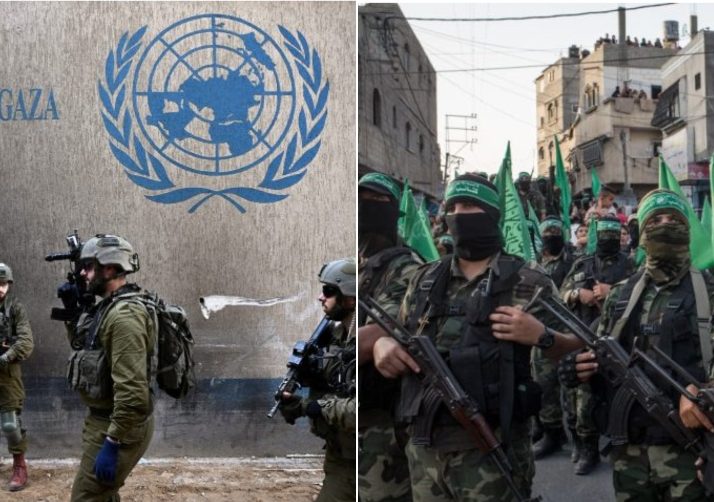
The International Court of Justice (ICJ) criticized Israel for not substantiating claims that UNRWA employees were involved in Hamas or other terrorist groups, while urging Israel to cooperate with the UN to ensure aid and human rights protections in Gaza. The court also highlighted Israel's obligations under international law to respect human rights in the occupied Palestinian territories.
The ICJ issued a comprehensive advisory opinion affirming Israel's legal obligations as an occupying power and UN member, emphasizing the duty to facilitate humanitarian aid, respect U.N. privileges, and prohibit starvation and forcible transfers in Gaza, highlighting the legal basis for holding Israel accountable for its conduct.
Israel is taking unprecedented steps to de-register major international aid groups in Gaza and the West Bank, citing ideological reasons and security concerns, which threatens humanitarian aid delivery amid ongoing conflict and a declared famine in Gaza.
UNRWA has expressed urgent concerns over a recent UN meeting with the Gaza Humanitarian Foundation, warning that silence or cooperation could be seen as complicity in alleged war crimes and could fracture the humanitarian community amid escalating violence and Israeli military actions in Gaza.
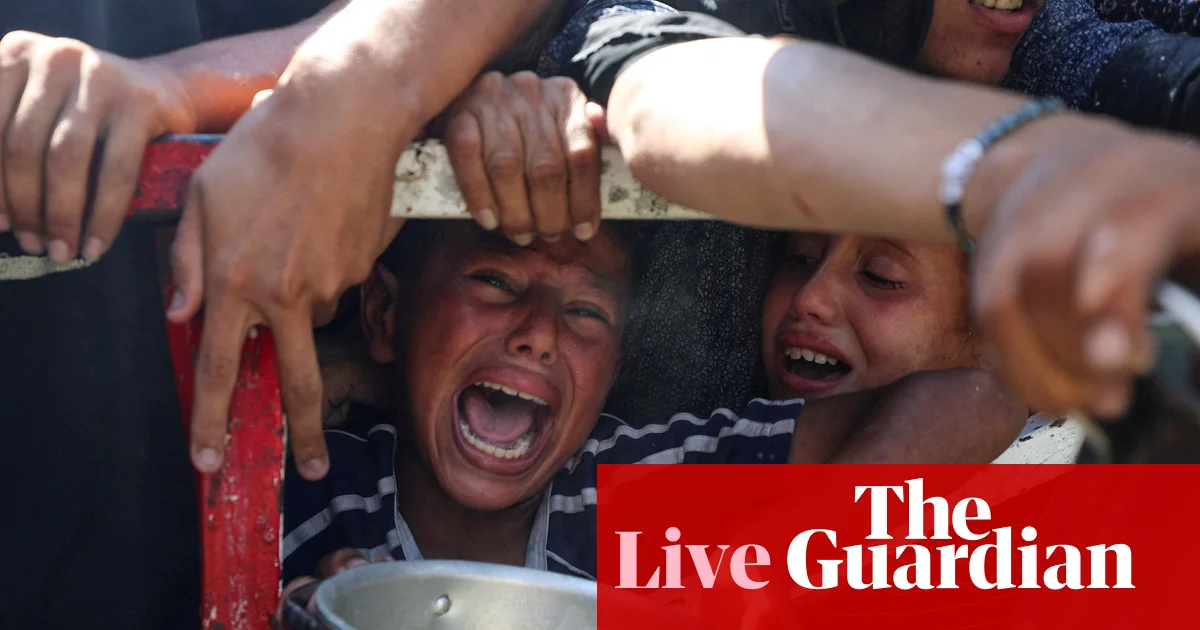
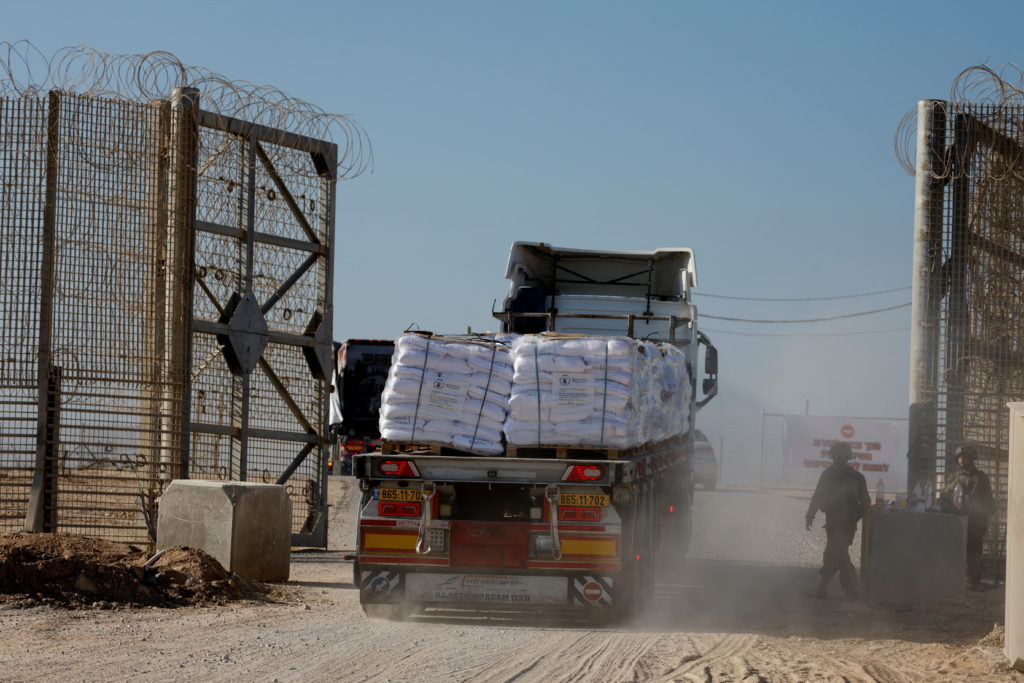
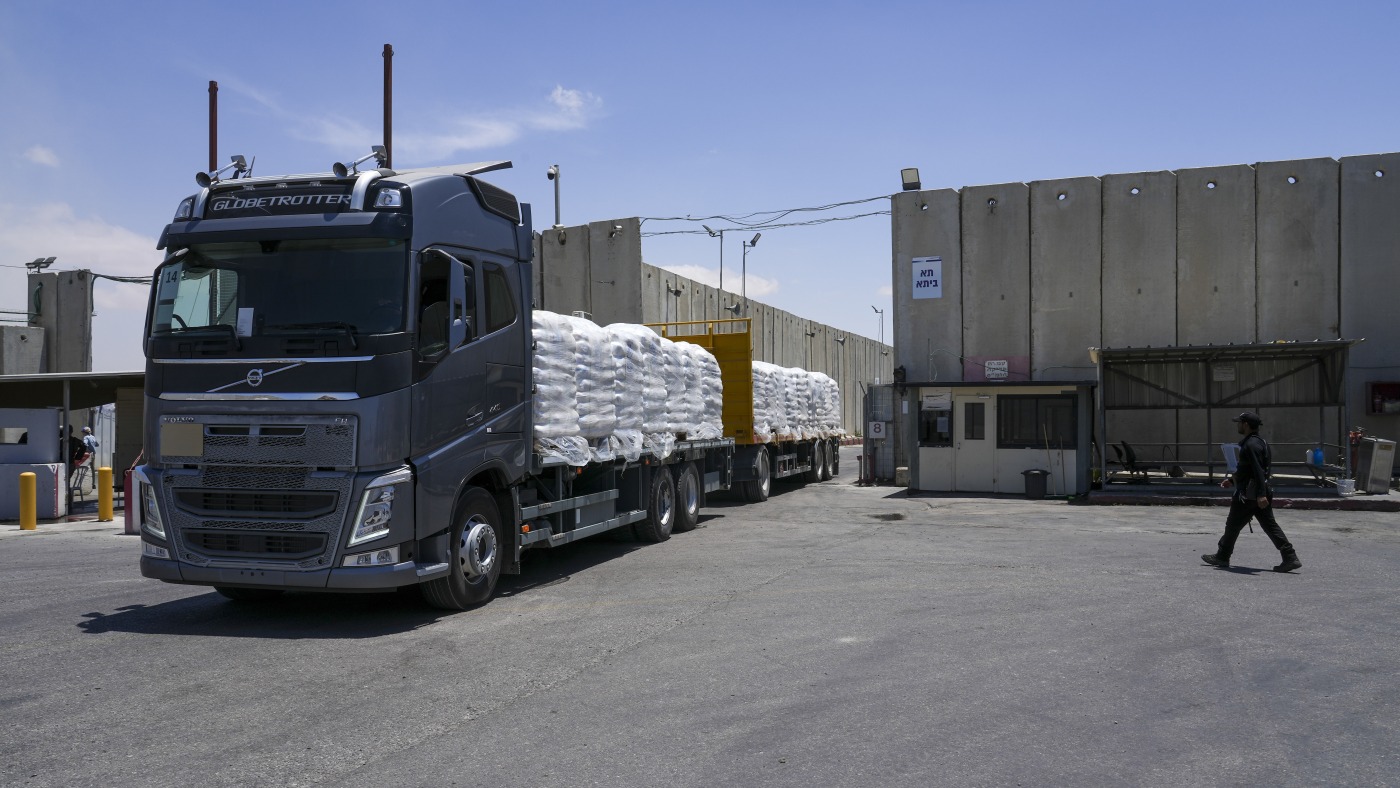
The situation in Gaza is dire, with UNRWA describing residents as 'walking corpses' due to severe hunger and malnutrition, while aid trucks are ready but access remains restricted. Tensions escalate with ongoing conflicts, negotiations, and international responses, highlighting a worsening humanitarian crisis and political instability in the region.
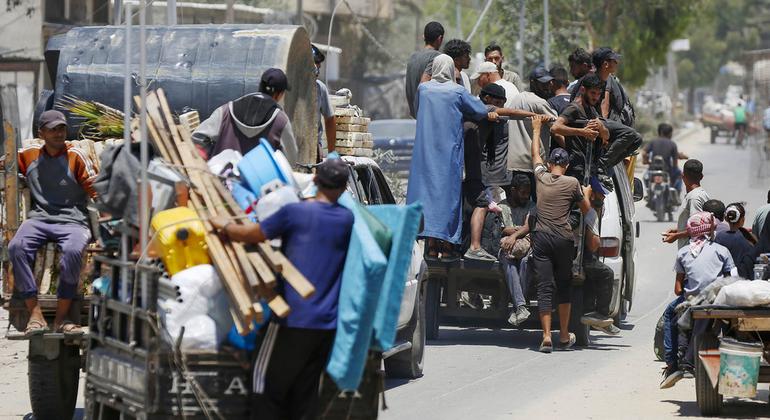
The situation in Gaza has deteriorated into a severe humanitarian crisis with widespread death, malnutrition, and displacement, as civilians face ongoing violence, limited aid access, and mass evacuations amid Israeli military operations, according to UN reports.
Hamas has placed bounties on American aid workers in Gaza and demands that any ceasefire include ending the operations of the Gaza Humanitarian Foundation (GHF), which is separate from UNRWA. The U.S. government confirms Hamas's threats and their efforts to undermine aid efforts, criticizing the UN and NGOs for allegedly enabling Hamas's misuse of aid. The situation complicates negotiations for a ceasefire, with ongoing concerns about aid being stolen and used by Hamas.
An Israeli drone attack on a humanitarian aid convoy in Gaza has killed at least 12 Palestinian security guards and injured dozens, exacerbating the humanitarian crisis in the region. The attack is part of ongoing Israeli military operations in Gaza, which have resulted in significant casualties and severe food shortages. The UNRWA has criticized the targeting of aid workers and called for safe passage of humanitarian aid. The situation in Gaza remains dire, with widespread devastation and a critical lack of fresh food supplies.
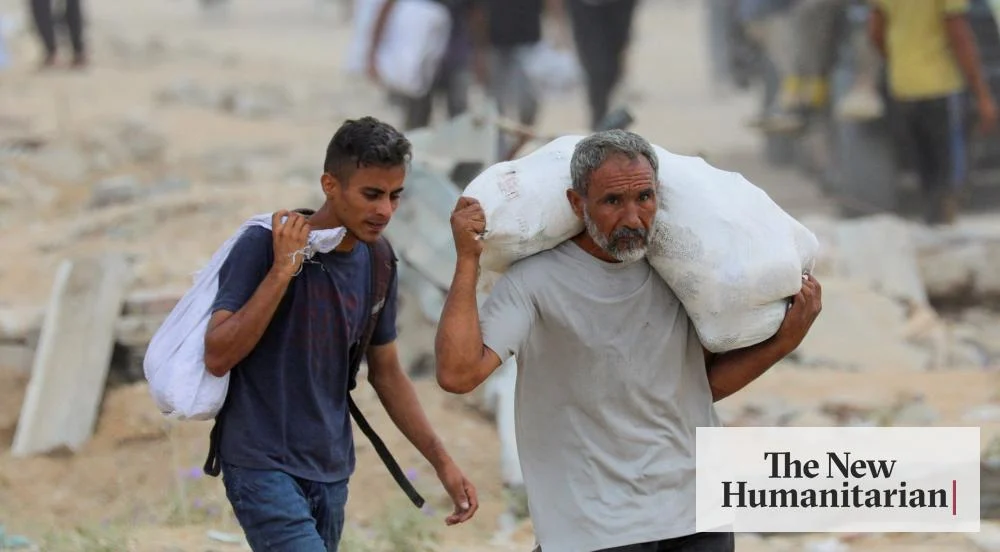
The UN agency for Palestinian refugees has halted aid deliveries through Gaza's main cargo crossing due to looting by armed gangs, blaming Israeli policies for the breakdown of law and order. This decision exacerbates Gaza's humanitarian crisis, with hundreds of thousands of Palestinians reliant on aid. The Israeli military denies responsibility, accusing UNRWA of allowing Hamas infiltration. Meanwhile, Israeli strikes in Gaza have killed civilians, and former Israeli defense minister Moshe Yaalon has accused the government of ethnic cleansing in northern Gaza. Ceasefire talks continue behind the scenes.
The UN agency for Palestinian refugees has halted aid deliveries through Gaza's main crossing due to looting by armed gangs, exacerbating the humanitarian crisis as winter approaches. Israeli strikes have killed at least six people, including children, amid ongoing conflict with Hamas. Former Israeli defense minister Moshe Yaalon accused the government of ethnic cleansing in northern Gaza, while Israel denies such allegations. Despite a ceasefire with Hezbollah, the war in Gaza continues, with international efforts for a broader ceasefire stalled.
The humanitarian crisis in Gaza is worsening due to looting and a breakdown in law and order, exacerbated by the ongoing conflict between Israel and Hamas. UNRWA official Natalie Boucly highlighted the dire need for aid as supplies dwindle and are often looted by Hamas-led gangs. The situation is further complicated by Israel's impending ban on UNRWA operations and accusations of UNRWA staff colluding with Hamas. Meanwhile, the International Criminal Court has issued arrest warrants for Israeli and Hamas leaders, signaling a push for accountability.
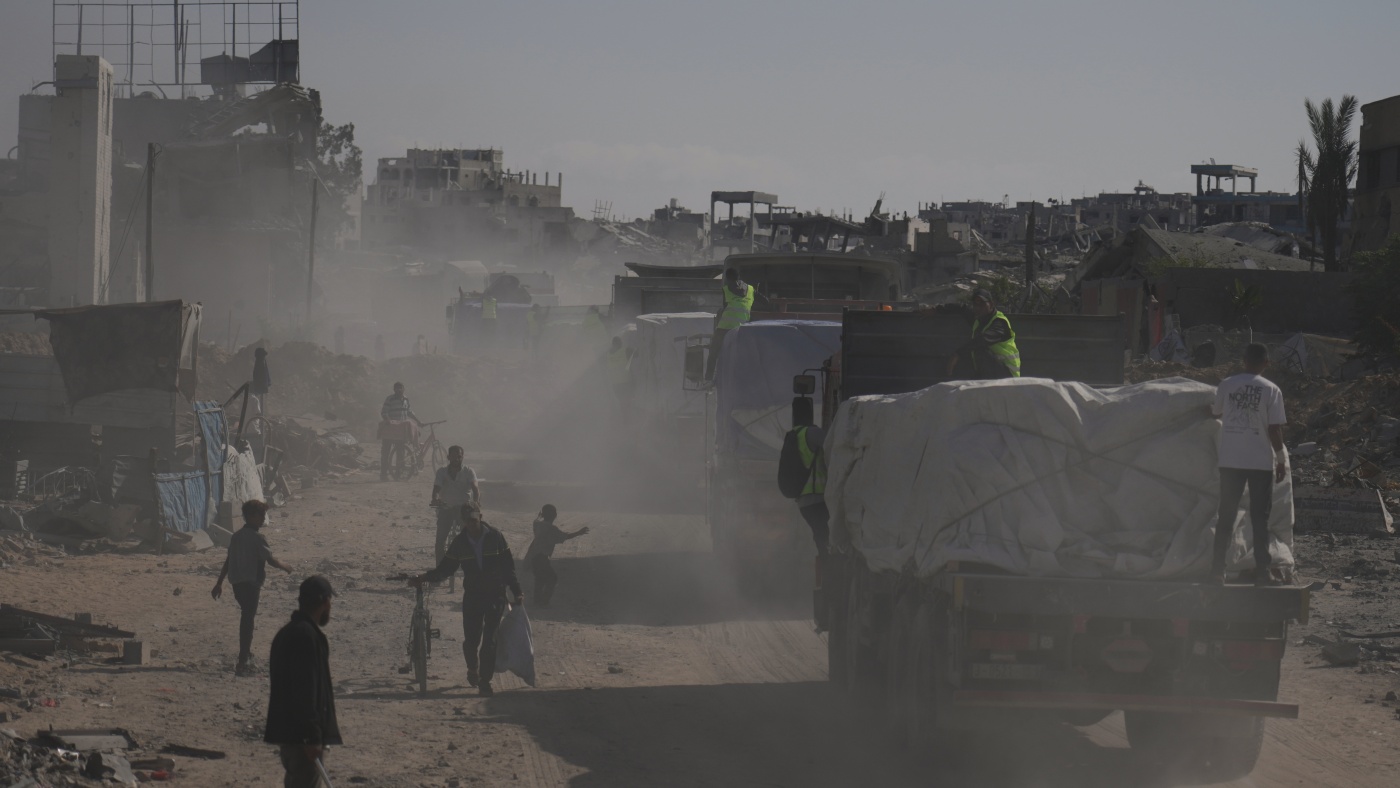
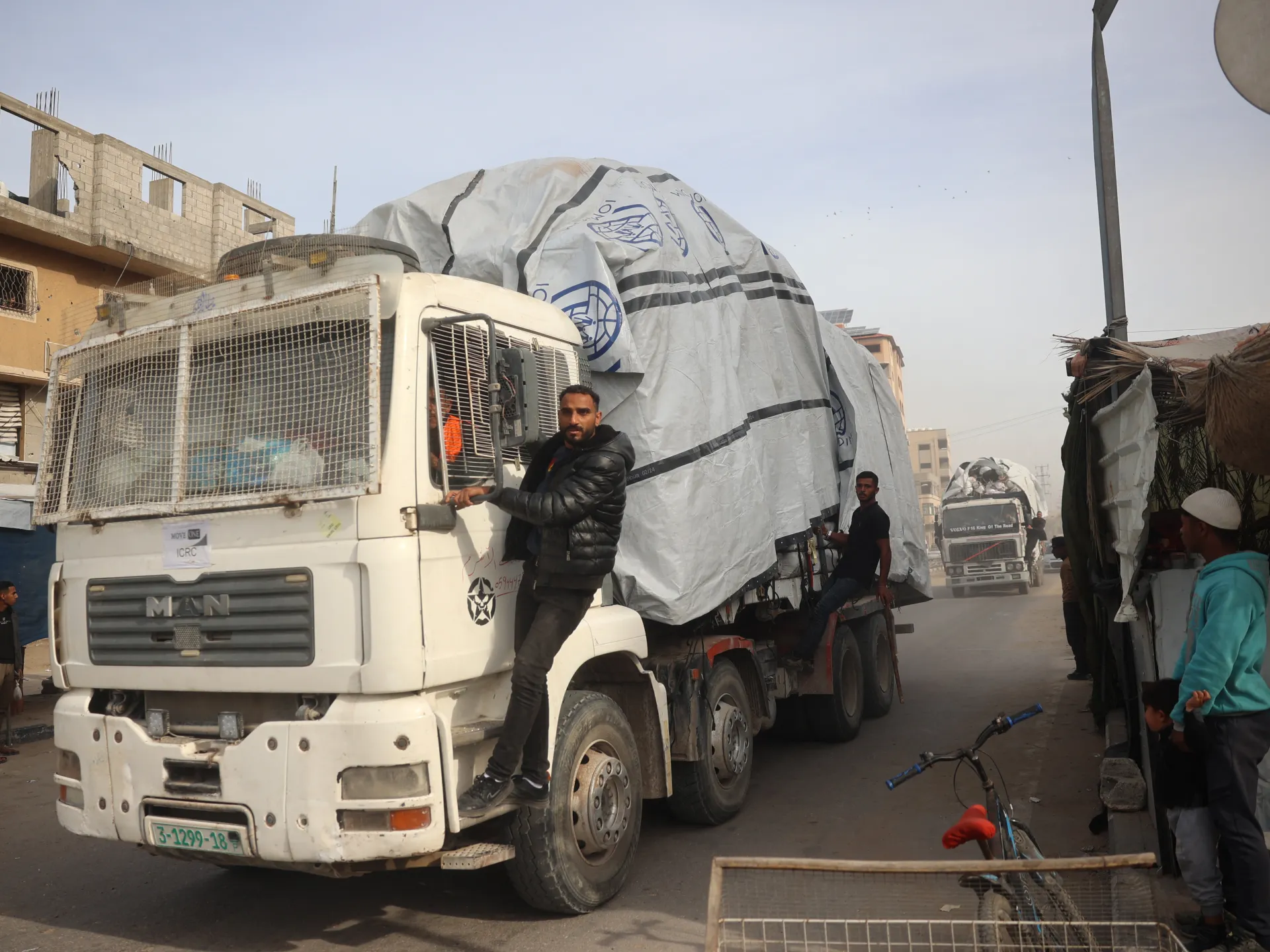
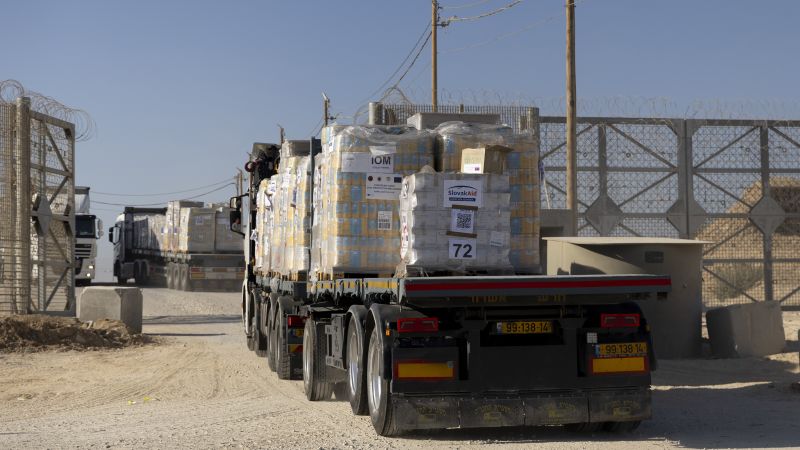
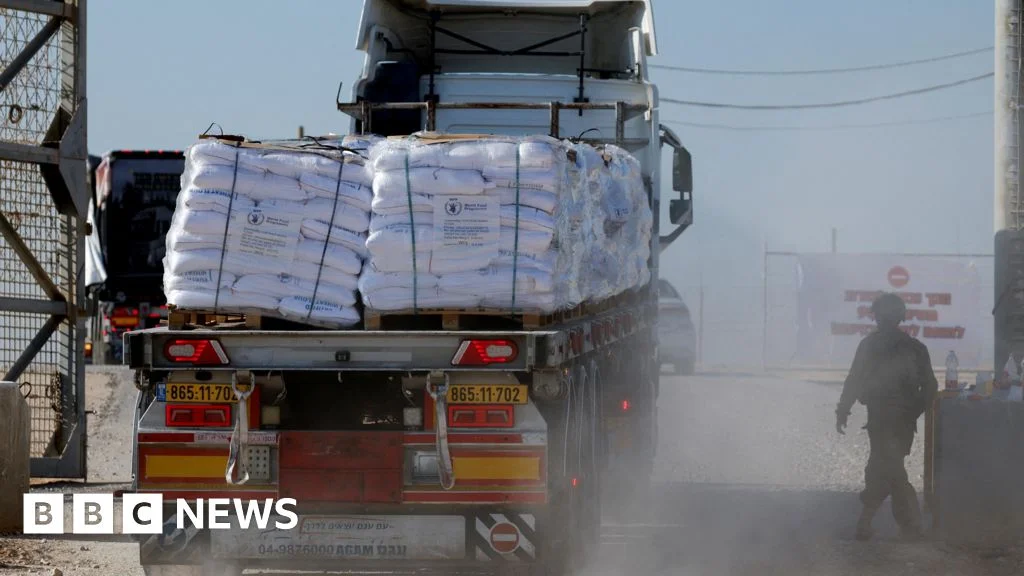
Nearly a hundred aid trucks were looted in southern Gaza, with UNRWA describing it as a severe incident amid a "collapse of law and order." The looting, which involved drivers being forced to unload at gunpoint, highlights the challenges of delivering aid in the region. The UN has warned of worsening food shortages, while tensions between Israel and UNRWA escalate following a new Israeli law restricting the agency's operations. Meanwhile, Israeli airstrikes continue to cause civilian casualties, exacerbating the humanitarian crisis.
A convoy of 109 UN aid lorries was violently looted in Gaza, with 97 trucks lost after being forced to unload at gunpoint. The UN agency for Palestinian refugees (UNRWA) reported the incident, highlighting the breakdown of civil order in Gaza, which has made aid operations nearly impossible. The looting exacerbates severe food shortages for two million people reliant on aid, amid ongoing conflict between Israel and Hamas. UNRWA criticized Israeli authorities for not ensuring safe aid delivery, while Israel blamed Hamas for aid theft.
The Norwegian Refugee Council's chief, Jan Egeland, described the dire situation in northern Gaza as resembling a 'dystopian horror film,' with widespread destruction and deteriorating law and order. Israeli military operations continue in the region, targeting Hamas, while humanitarian aid efforts are hampered by looting. Egeland expressed concern over a potential ban on the UN Relief and Works Agency for Palestine Refugees (UNRWA), which could further complicate aid delivery.
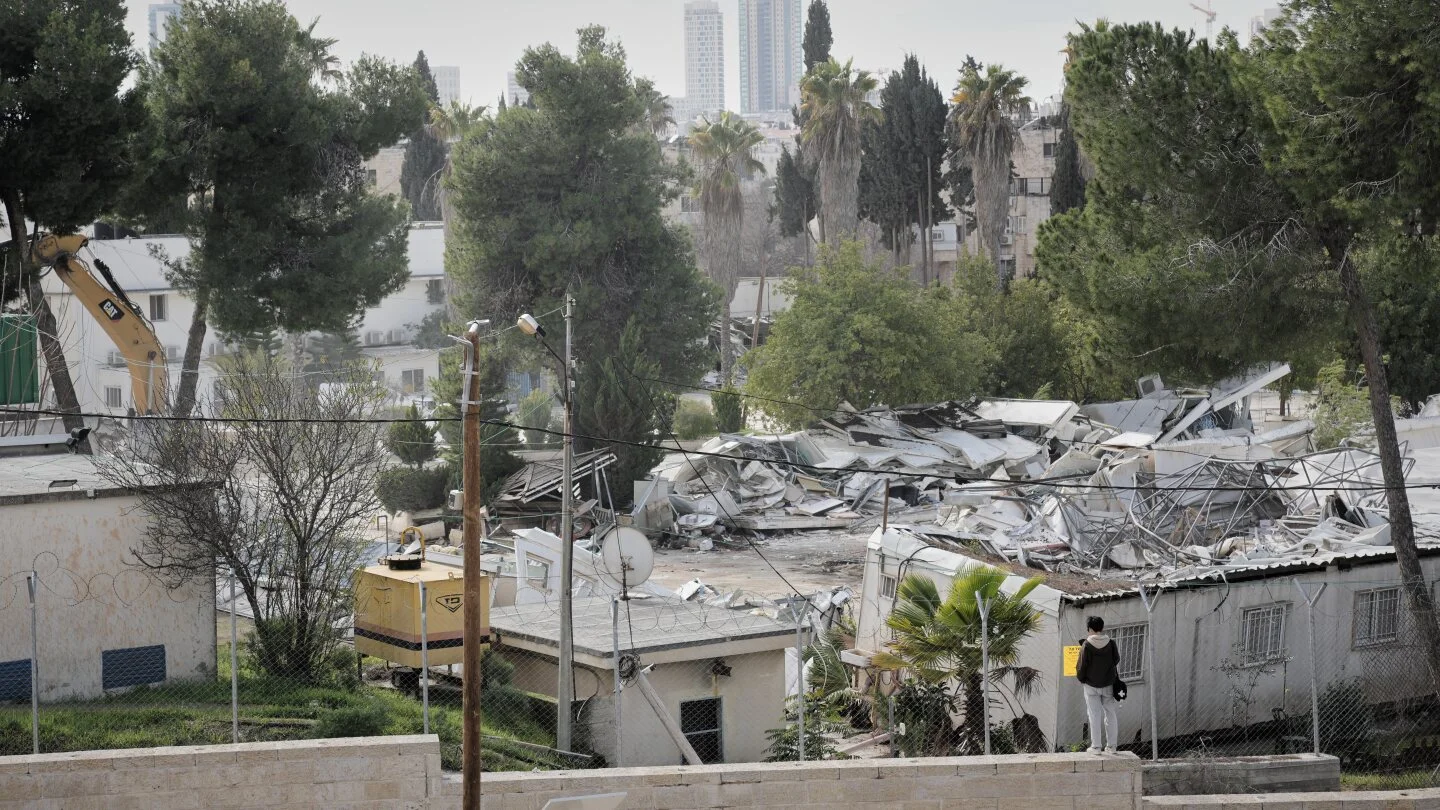
As the U.S. election unfolded, Israel took significant steps towards annexing northern Gaza, including cutting ties with UNRWA and dismissing Defense Minister Yoav Gallant. Israeli Prime Minister Benjamin Netanyahu's actions suggest he anticipated support from a Trump administration, despite international concerns over humanitarian conditions in Gaza. The situation has sparked controversy and protests within Israel, while Trump's past and potential future policies raise questions about his approach to the Israeli-Palestinian conflict.