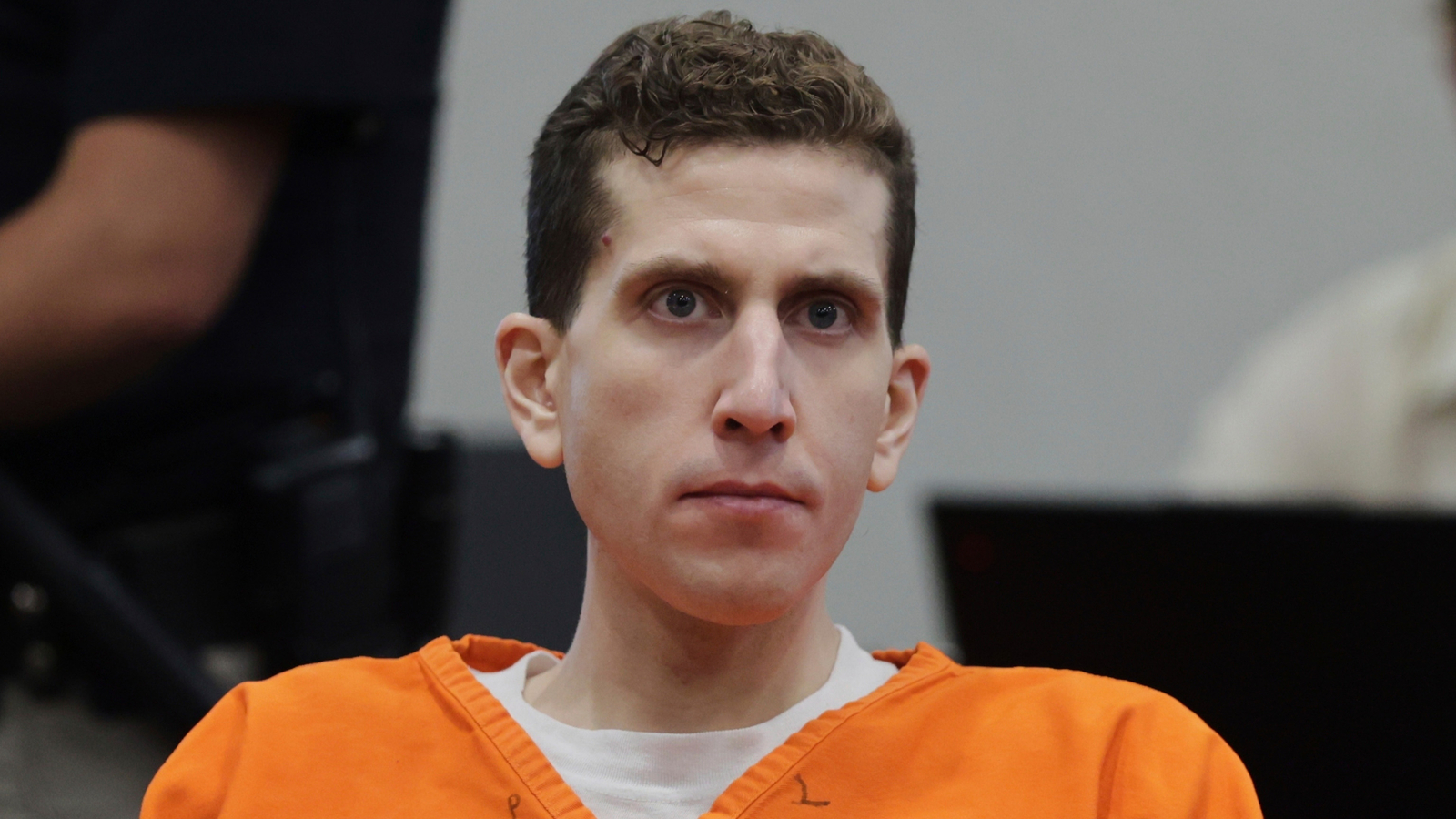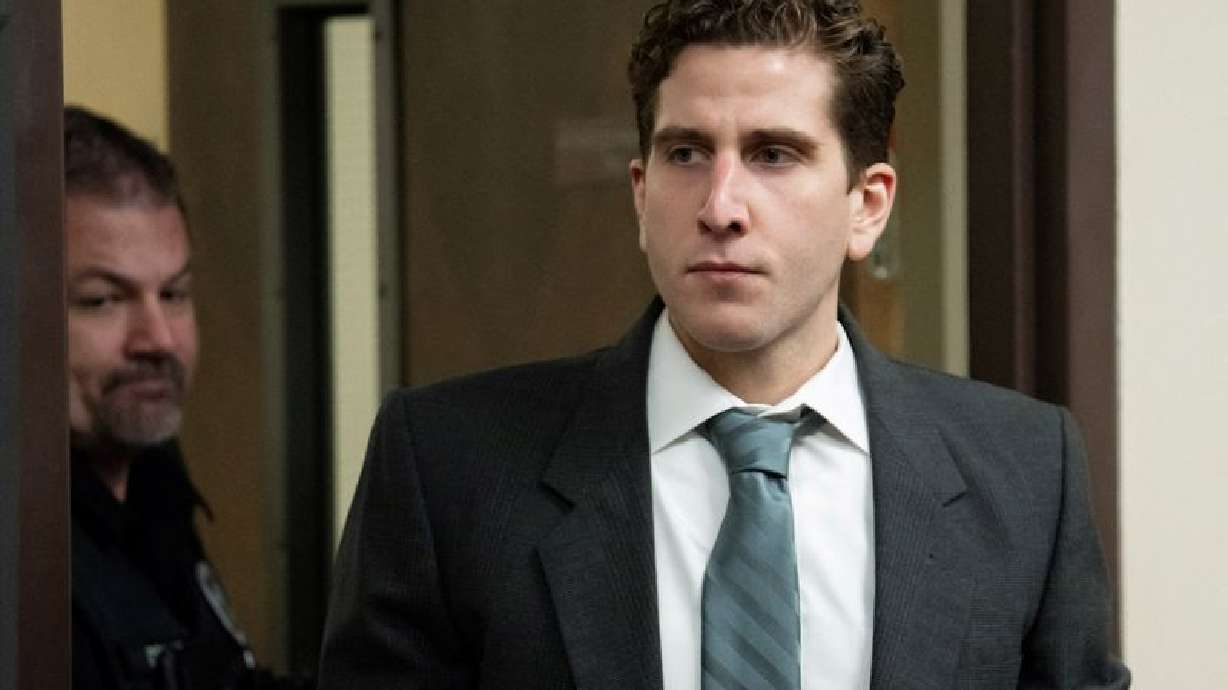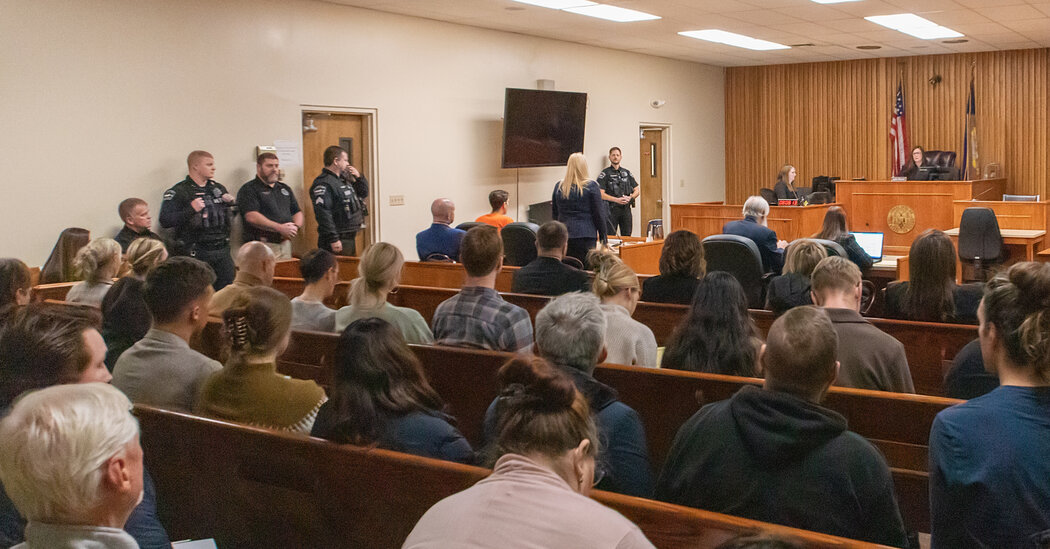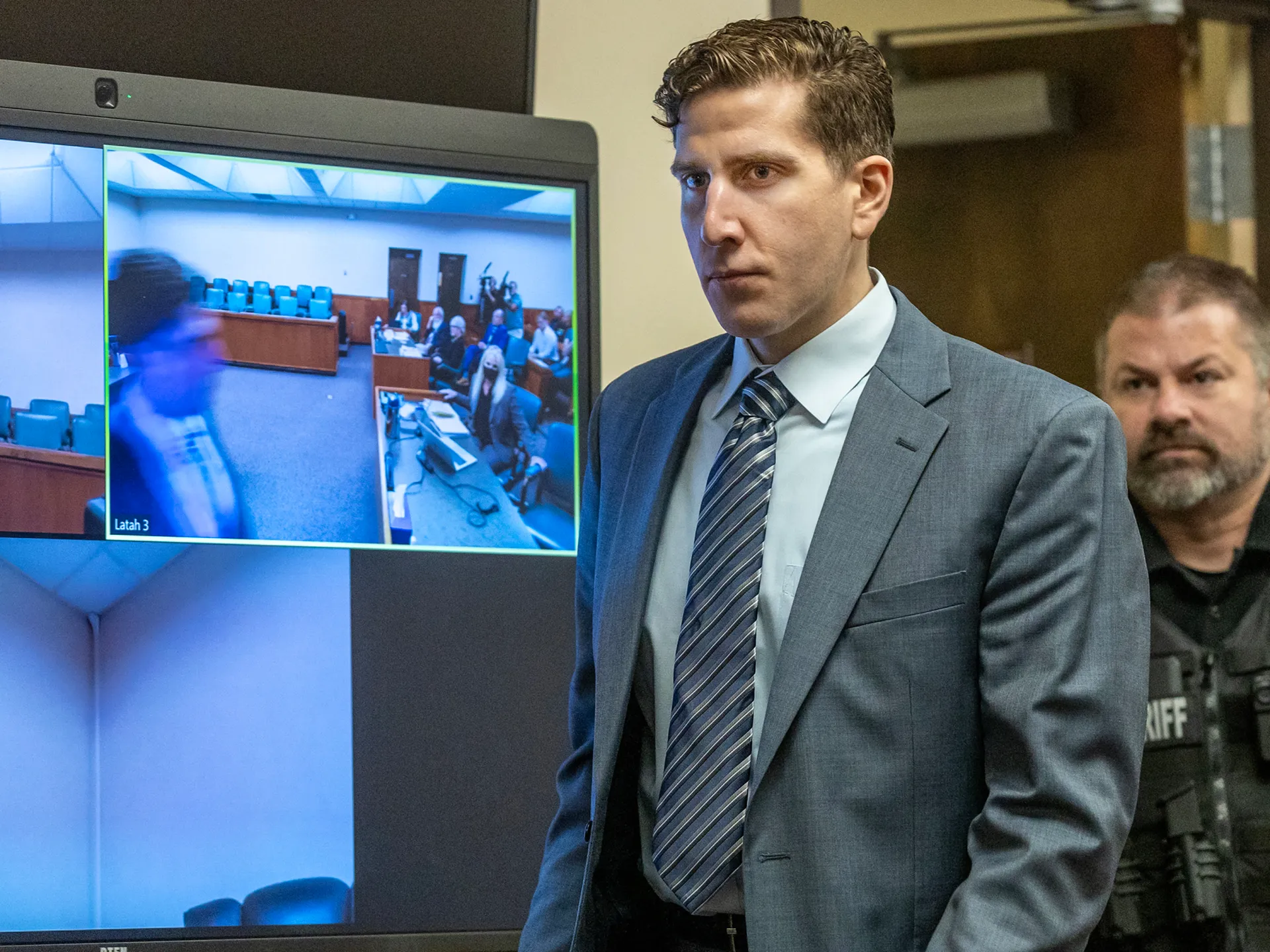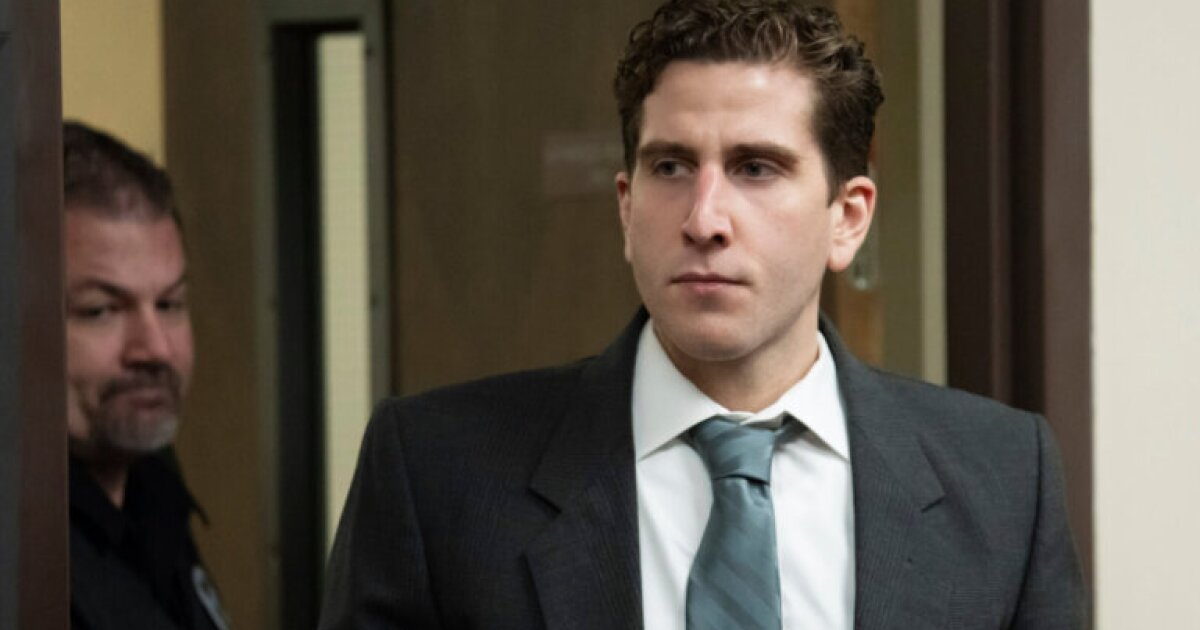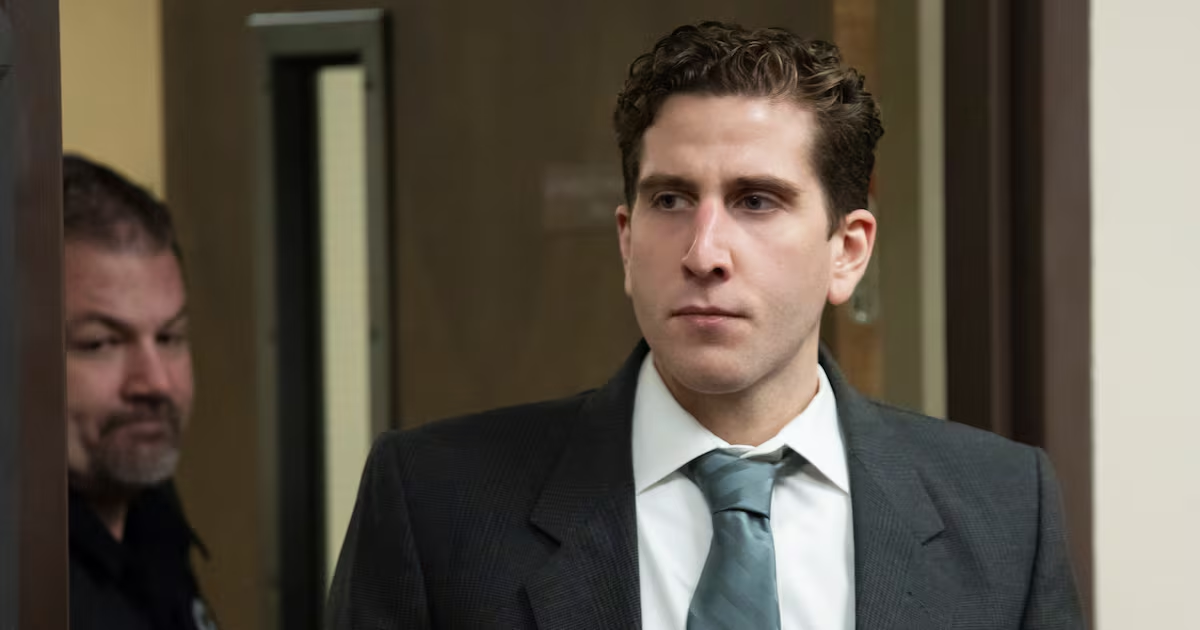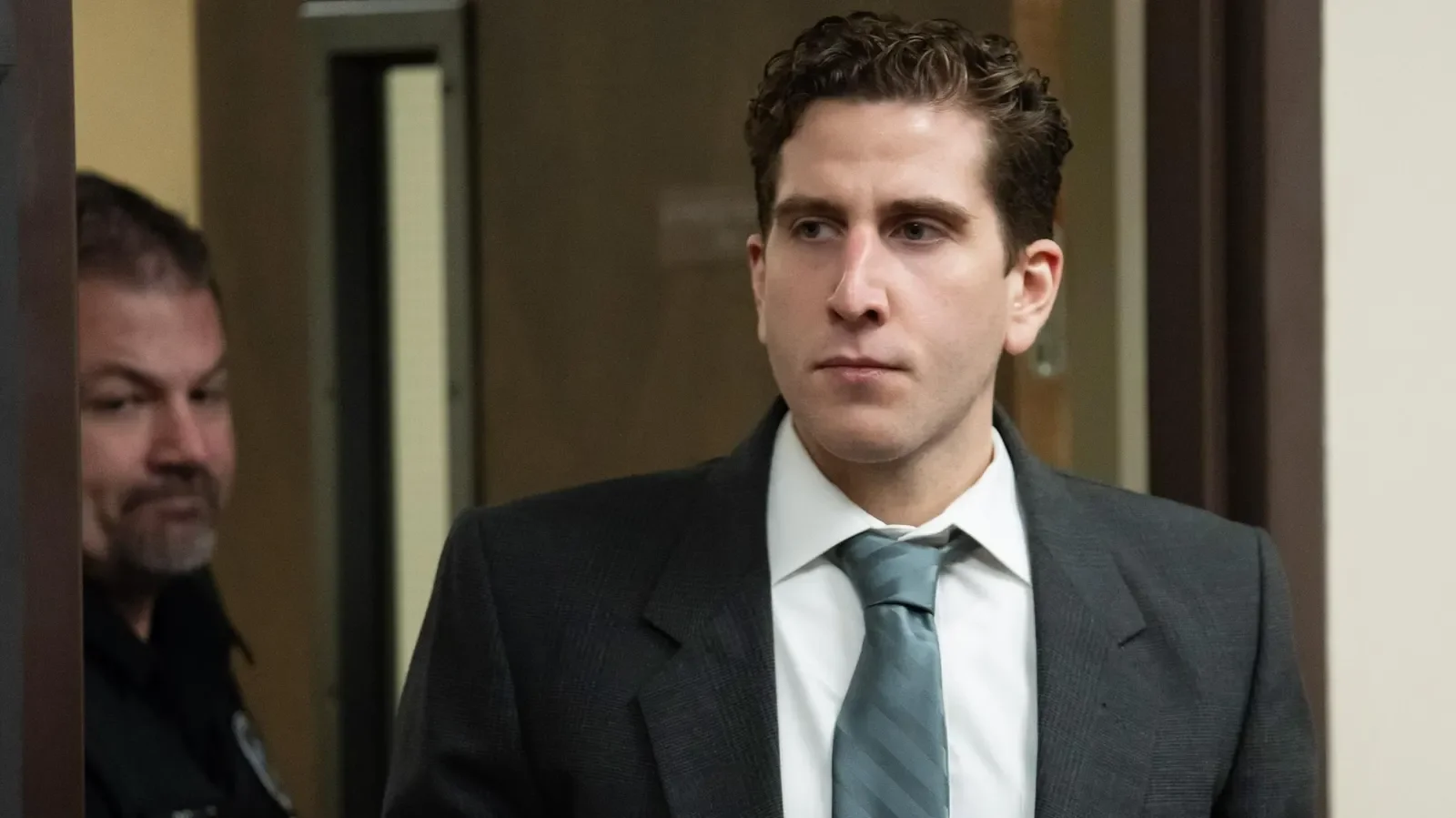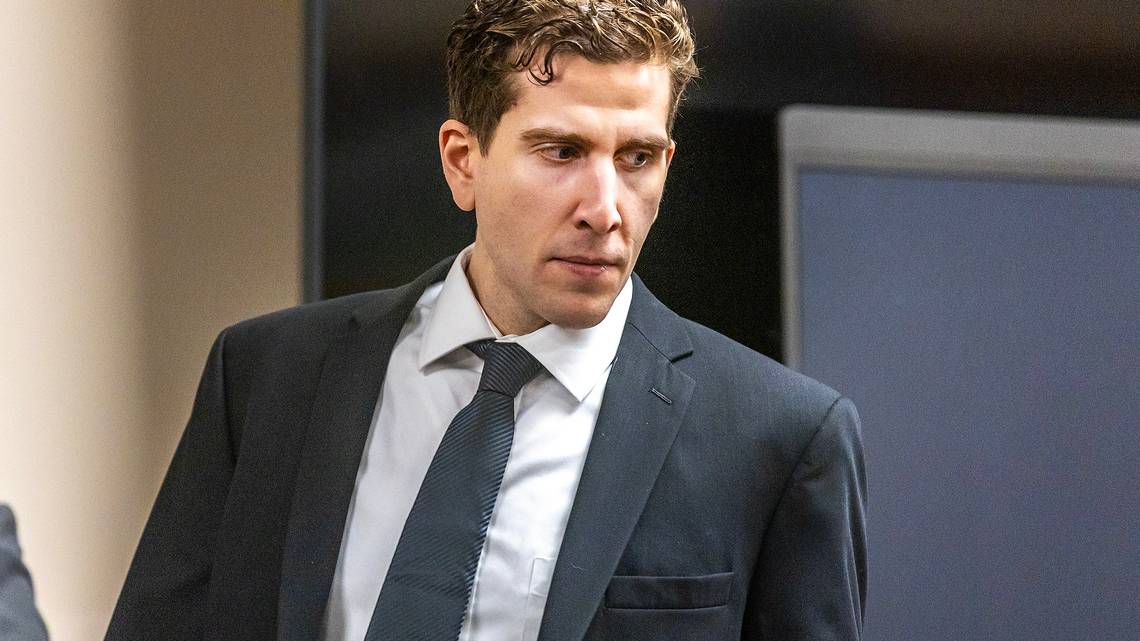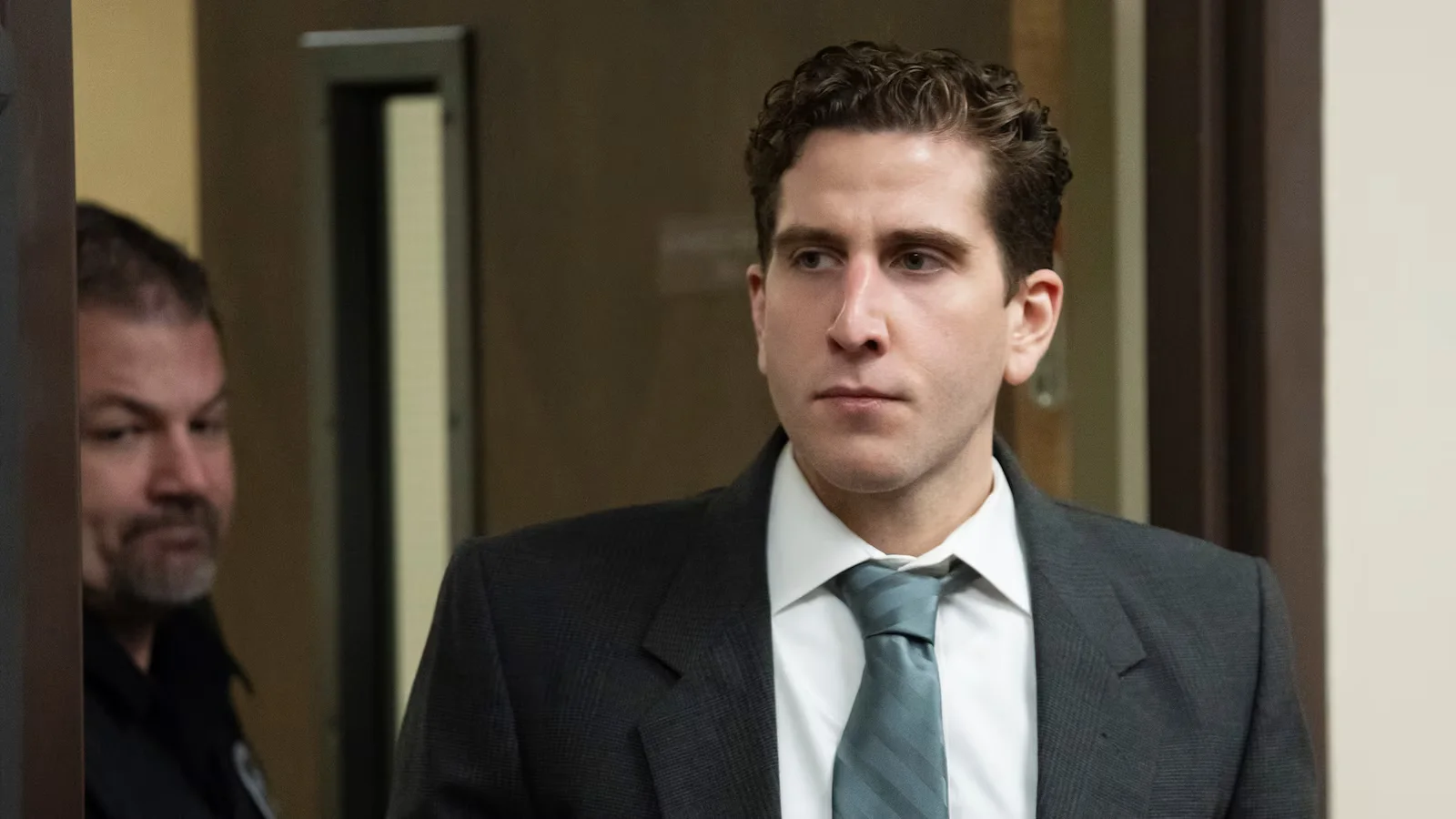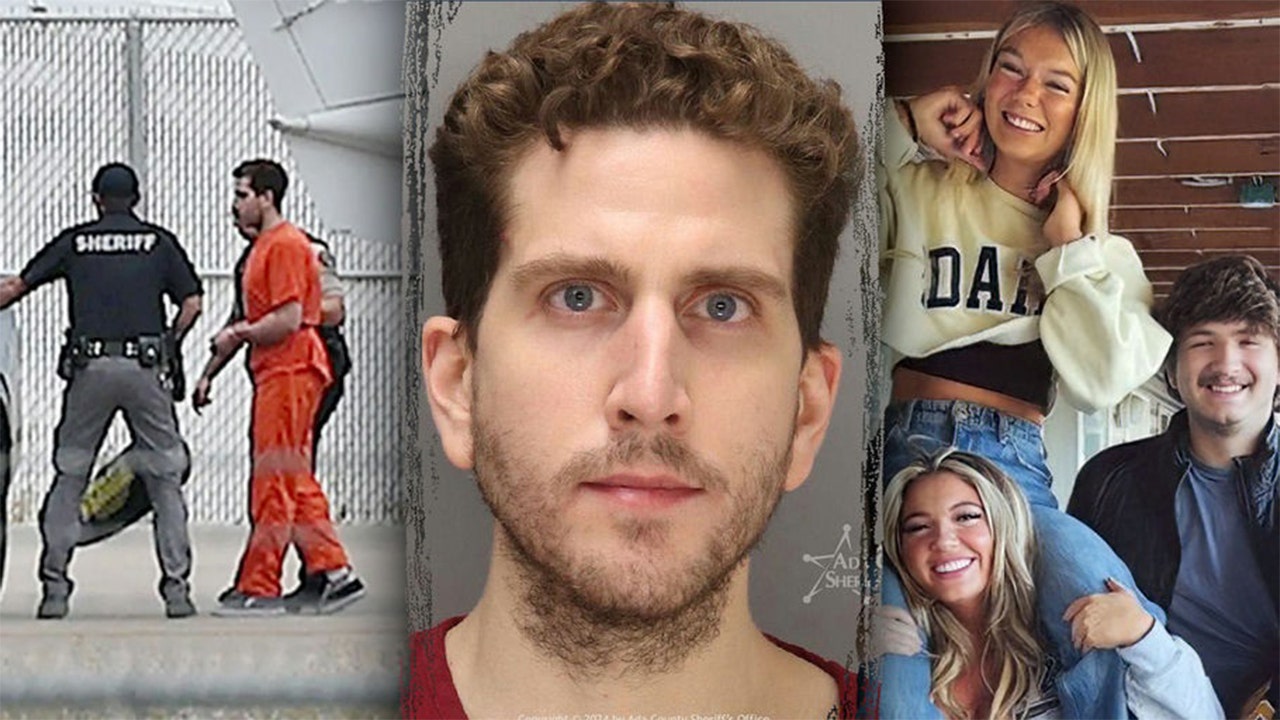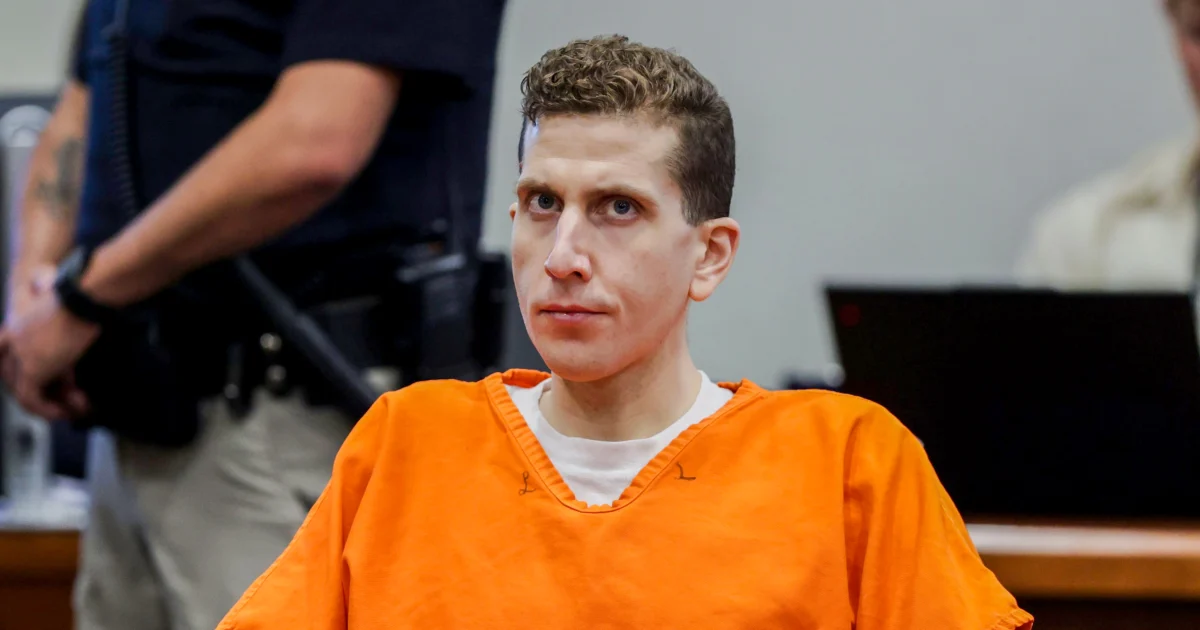
Idaho police released new detailed images and surveillance footage of the crime scene from the 2022 University of Idaho murders, showing the house, the scene of the crime, and the suspect Bryan Kohberger, who pleaded guilty and was sentenced to life in prison.
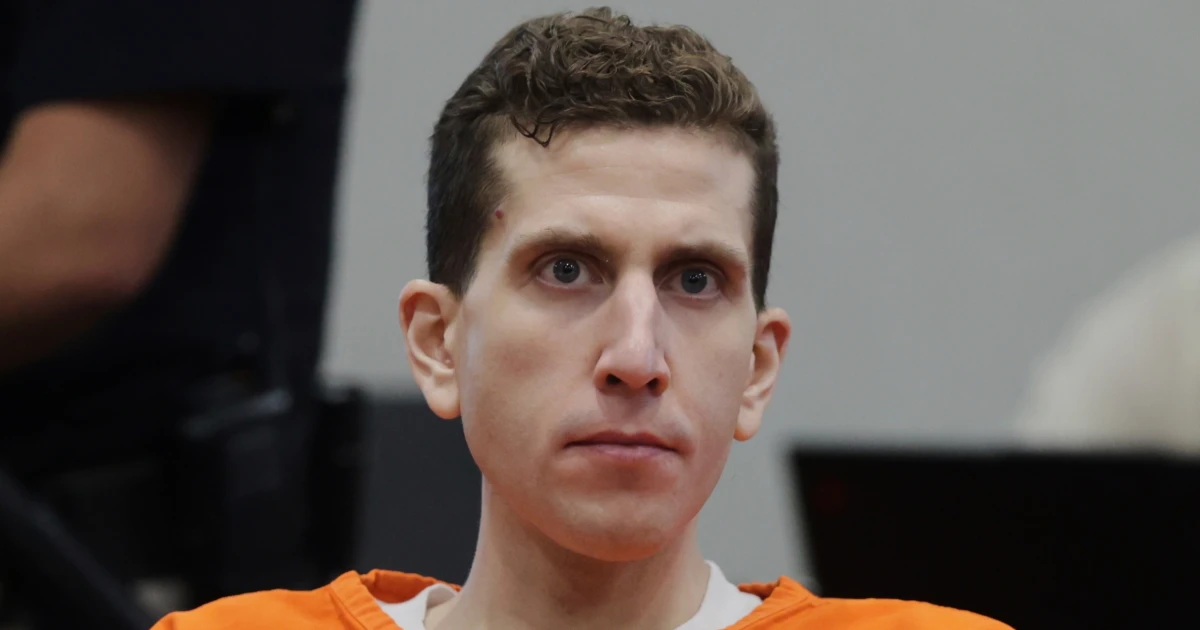
Bryan Kohberger, who was convicted of the University of Idaho murders, was also investigated for a 2021 break-in in Pullman, Washington, where a masked intruder with a knife was involved; however, no charges were filed in that case, and the investigation was deemed inactive.
Bryan Kohberger was sentenced to four life sentences without parole for the murders of four University of Idaho students, with no clear motive or link to the victims identified by police, and the case has garnered national attention and grief.
Originally Published 5 months ago — by Rolling Stone
Bryan Kohberger was sentenced to life in prison without parole after pleading guilty to the murders of four University of Idaho students in 2022, avoiding the death penalty through a plea deal, with emotional victim impact statements and a judge emphasizing the severity of the crime.
Bryan Kohberger, a former doctoral candidate in criminal justice, is expected to plead guilty to the 2022 murders of four University of Idaho students in a deal that avoids the death penalty, resulting in four life sentences and a waiver of appeal rights, amid mixed reactions from the victims' families.
Bryan Kohberger, a former criminology student accused of murdering four Idaho college students in 2022, is set to plead guilty in a deal that will avoid the death penalty, potentially serving four life sentences without appeal. The case, which garnered significant media attention, involves complex evidence and raises questions about motive and the execution process in Idaho.
Bryan Kohberger, accused of murdering four students near the University of Idaho, is set to plead guilty to avoid the death penalty, despite the victims' families' opposition and their disappointment with the secretive plea deal. The case has garnered significant community and family distress, with Kohberger's arrest following DNA evidence linking him to the crime scene.
Bryan Kohberger has agreed to plead guilty to all charges related to the 2022 murders of four University of Idaho students, avoiding the death penalty, and will be sentenced to life in prison without the possibility of appeal, with sentencing expected in late July.
Bryan Kohberger has agreed to plead guilty to the stabbing deaths of four University of Idaho students, avoiding the death penalty, and will receive four consecutive life sentences without parole, with a court hearing scheduled for July 2.
Bryan Kohberger, accused of murdering four University of Idaho students, will plead guilty to avoid the death penalty and serve four consecutive life sentences without appeal, after accepting a plea deal from prosecutors.
Bryan Kohberger, accused of murdering four University of Idaho students, has accepted a plea deal that removes the death penalty in exchange for pleading guilty to four counts of first-degree murder and a felony burglary, likely resulting in a life sentence without the possibility of appeal, with a court appearance scheduled for July 2.
Bryan Kohberger has agreed to plead guilty to all charges related to the 2022 murders of four University of Idaho students, avoiding the death penalty, and will be sentenced to life in prison without the possibility of appeal, with sentencing expected in late July.
A judge has ruled that Bryan Kohberger, accused of murdering four University of Idaho students in 2022, can face the death penalty if convicted. Kohberger's defense argued against the death penalty, citing cruel and unusual punishment and international treaty violations, but the judge denied their motions. Kohberger, who was arrested in December 2022, is charged with four counts of first-degree murder, and his trial is set for August 2025.
A hearing is set to determine if Bryan Kohberger, accused of murdering four University of Idaho students, can face the death penalty if convicted. Prosecutors argue that Kohberger poses a continuing threat, citing multiple aggravating factors, while the defense challenges the death penalty's constitutionality and the relevance of "future dangerousness." The trial, moved to Boise due to potential local bias, will include DNA and cellphone evidence. Idaho's death penalty process faces challenges, including drug procurement issues, though a law now permits firing squad executions.
Bryan Kohberger, accused of murdering four University of Idaho students, is in court as his defense team seeks to remove the death penalty from consideration before his trial. The defense argues that capital punishment is cruel and unconstitutional, particularly challenging Idaho's firing squad method. Legal experts suggest these arguments are more suited for an appeal rather than a trial. Kohberger's team also proposes a novel three-phase trial process, which deviates from the standard bifurcated approach. The trial is set to begin next year.