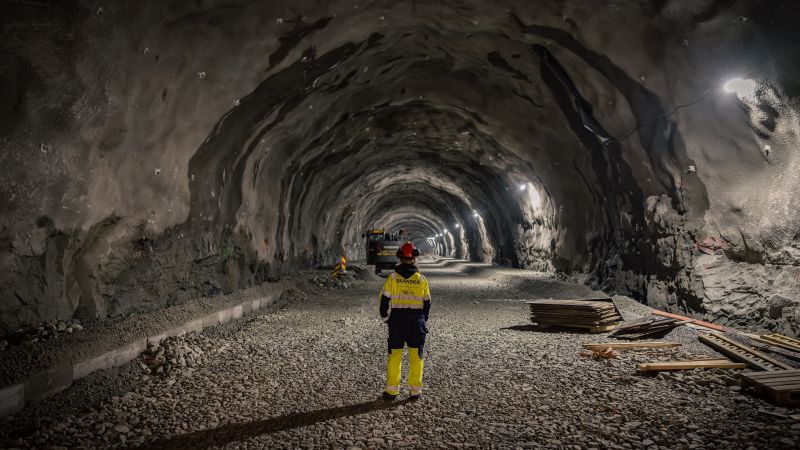
Norway is constructing the world's longest and deepest undersea road tunnel, Rogfast, which will be 27 km long and reach depths of 392 meters below sea level, aiming to improve connectivity along the west coast and replace ferry routes, with completion expected in 2033 at a cost of about $2.4 billion.
Building a transatlantic tunnel is currently unfeasible due to technological, logistical, and financial challenges, including the need for advanced autonomous boring machines, immense power requirements, water pressure issues, and prohibitive costs, making such a project more science fiction than imminent reality.
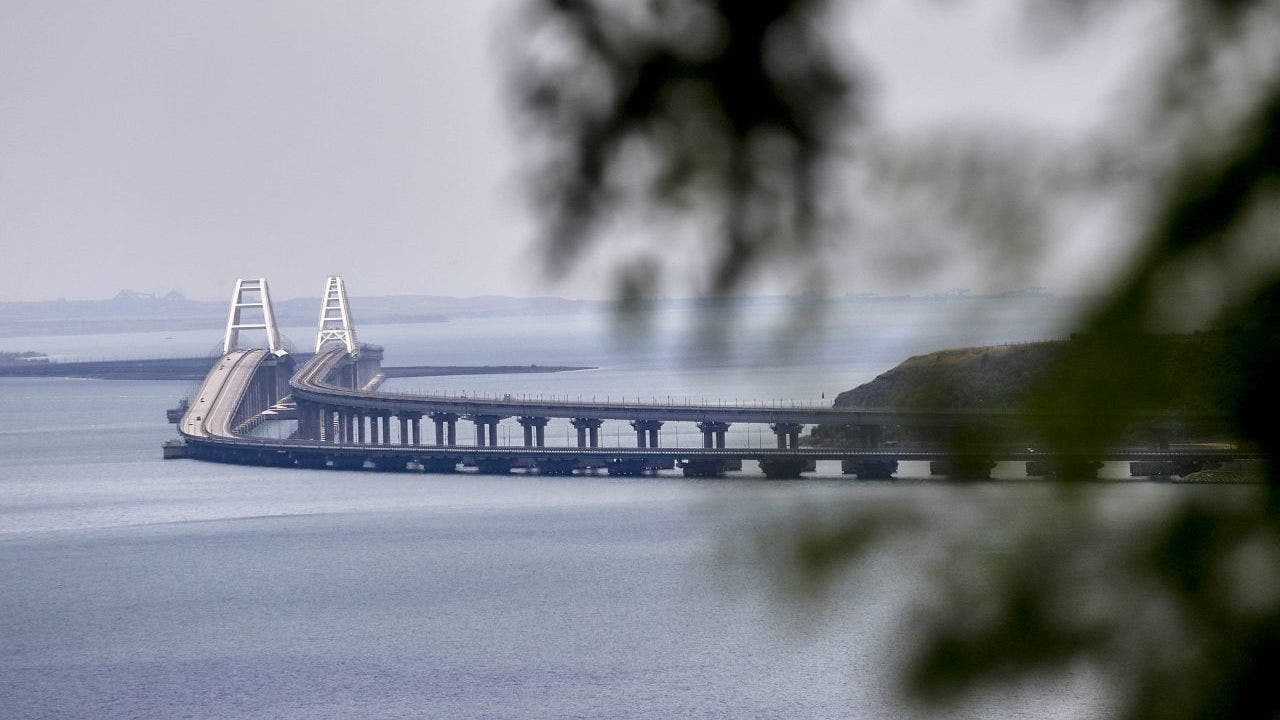
Russian and Chinese business leaders have reportedly discussed the construction of an underwater tunnel connecting Russia and Crimea as an alternative to the existing bridge across the Kerch Strait. The Chinese Railway Construction Corporation (CRCC) expressed interest in acting as a general contractor for the project, although Russian business leader Vladimir Kalyuzhny denied any cooperation between Russia and CRCC. The Chinese Communist Party wishes to remain behind the scenes on the tunnel project, potentially due to concerns about Western sanctions. However, the ongoing conflict in the region poses challenges to the construction of such a massive infrastructure project.
Russian and Chinese business leaders, with government connections, have reportedly discussed the construction of an underwater tunnel connecting Crimea to Russia as a safer alternative transportation route. The project, aimed at maintaining Russia's hold on Crimea, raises political and financial risks for China, which has not recognized Russia's claim of sovereignty over the region. The discussions included meetings and the creation of a consortium in Crimea, but the involved parties expressed a desire to keep their involvement secret. While technically feasible, experts note that a similar project in a warzone has never been attempted and would take years to complete and cost billions of dollars.