A new study estimates nearly 1.4 million Russian and Ukrainian troops have been killed or wounded in the Ukraine war, highlighting Russia's slow territorial gains and high casualty rates, with Russia suffering the majority of casualties and facing a prolonged conflict.
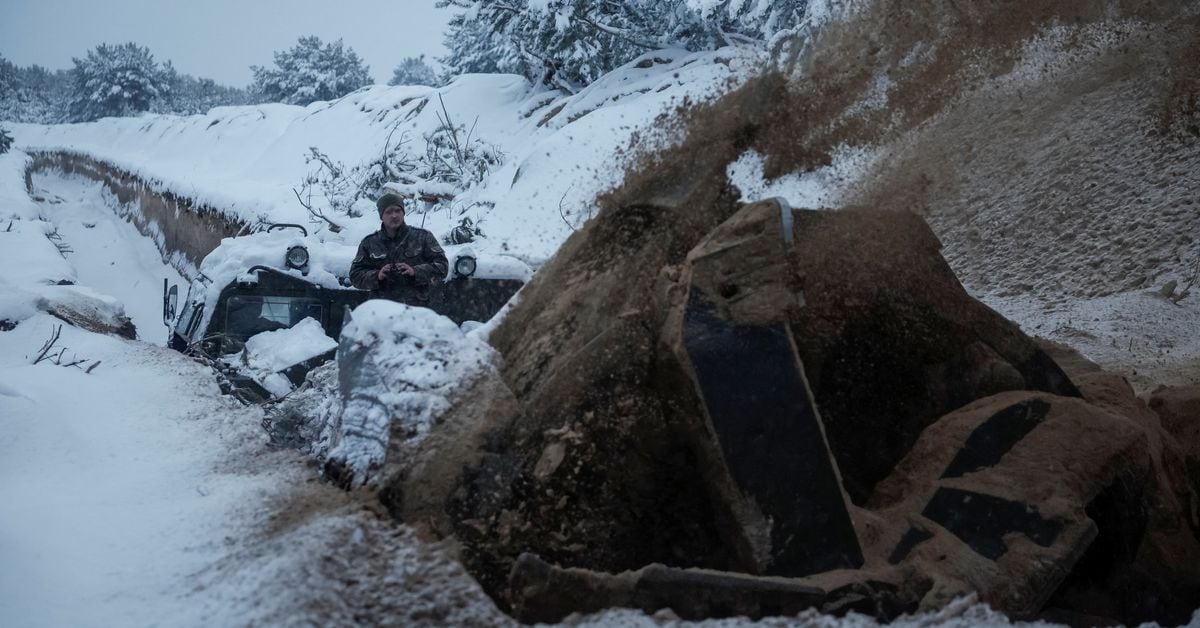
Ukrainian troops on the frontline are facing shortages of artillery shells and have scaled back some military operations due to a shortfall of foreign assistance. Brigadier General Oleksandr Tarnavskyi highlighted the problem of ammunition shortages and the impact of reduced military aid on the battlefield. The reliance on Western military aid underscores Ukraine's struggle against Russian troops in the ongoing conflict. Tarnavskyi also mentioned the changing tactics of Russian forces and the importance of reserves for Ukrainian troops. The situation in Avdiivka remains volatile, with Russia aiming to gain control of Donetsk and Luhansk. Both sides are facing challenges in the winter conditions, and Ukraine hopes for the delivery of Western F-16 fighter jets to enhance its defense capabilities.
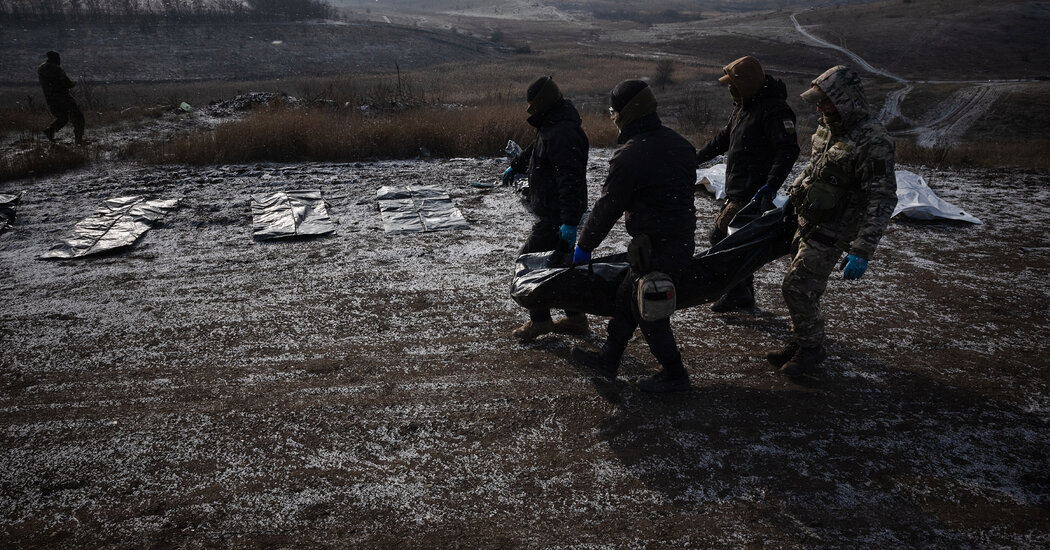
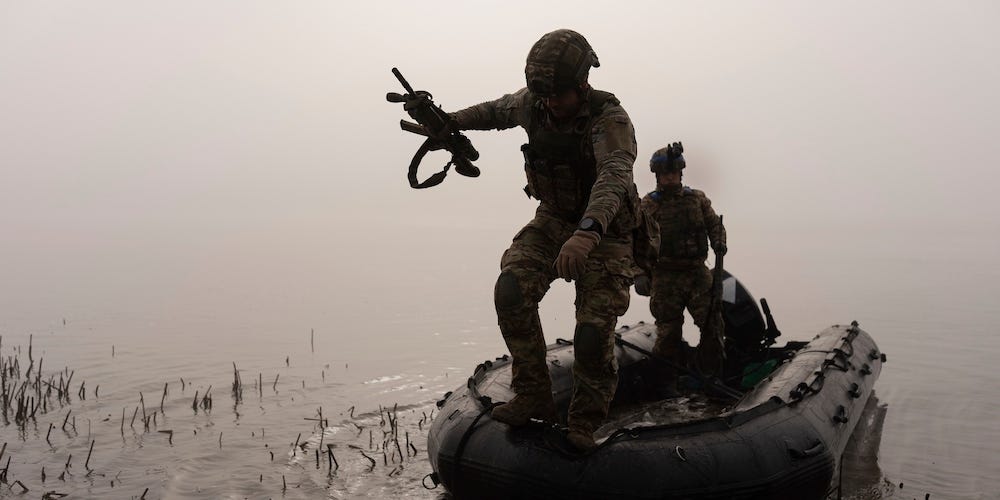
Ukrainian soldiers and marines on the Dnipro river front have contradicted official reports of gaining a foothold on the eastern bank, stating that the claims are misleading and that the situation is a "suicide mission." They describe brutal fighting, high casualties, and poor preparation and logistics. The soldiers criticize the lack of psychological preparation and inadequate equipment and reinforcements. The difficult landscape and intense shelling make it challenging to collect bodies, and soldiers often have to step on fallen comrades. Despite the grim conditions, Ukrainian forces continue to fight, prioritizing eliminating Russian soldiers and artillery.
The Institute for the Study of War (ISW) stated that the Ukrainian counteroffensive will not be definitively halted by winter weather, as Ukrainian forces are advancing on foot rather than relying on vehicles. The success of the counteroffensive will depend on the balance of forces between Russia and Ukraine, as well as Western aid. Ukrainian troops have reportedly continued to advance in Zaporizhzhia Oblast, with reports suggesting that they have cleared Russian positions between Robotyne and Novoprokopivka.
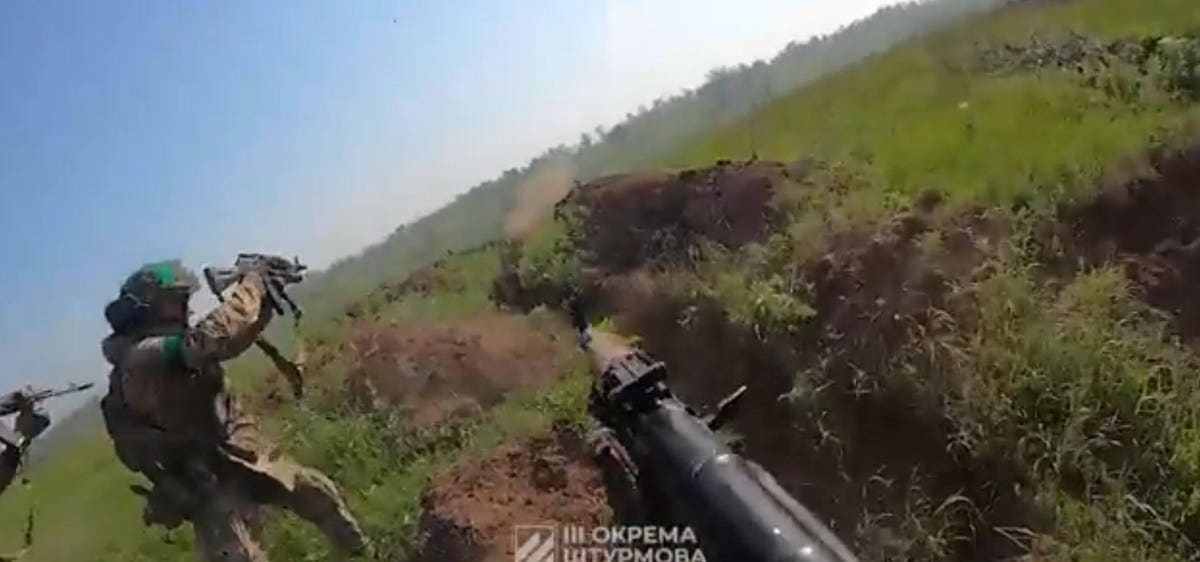
Ukrainian troops have crossed the first of the three main defensive lines, known as the Surovikin Line, constructed by Russian forces in southern Ukraine. The 82nd Brigade of the Ukrainian air-assault forces successfully crossed the outermost trench just outside Verbove in Zaporizhzhia Oblast. The goal of the Ukrainian brigades is to flank Novoprokopivka by liberating Verbove and ultimately break through the entire Surovikin Line to reach Tokmak. The Russian garrison in Verbove may be at risk as the Ukrainian brigades are powerful and fresh, and the arrival of the 76th Guards Air Assault Division might not be enough to save them.
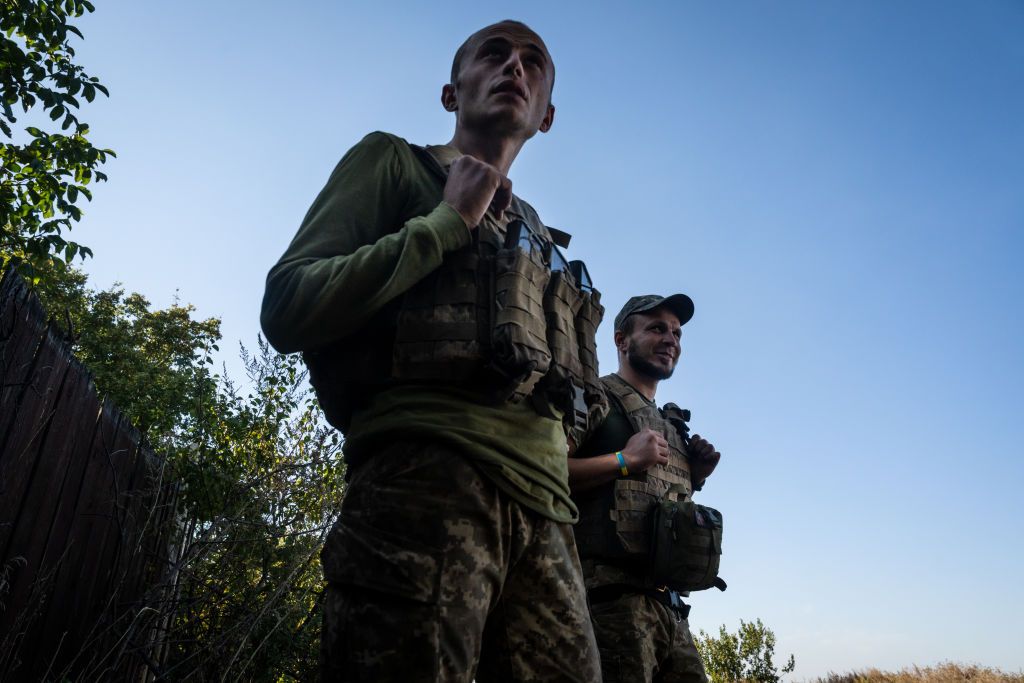
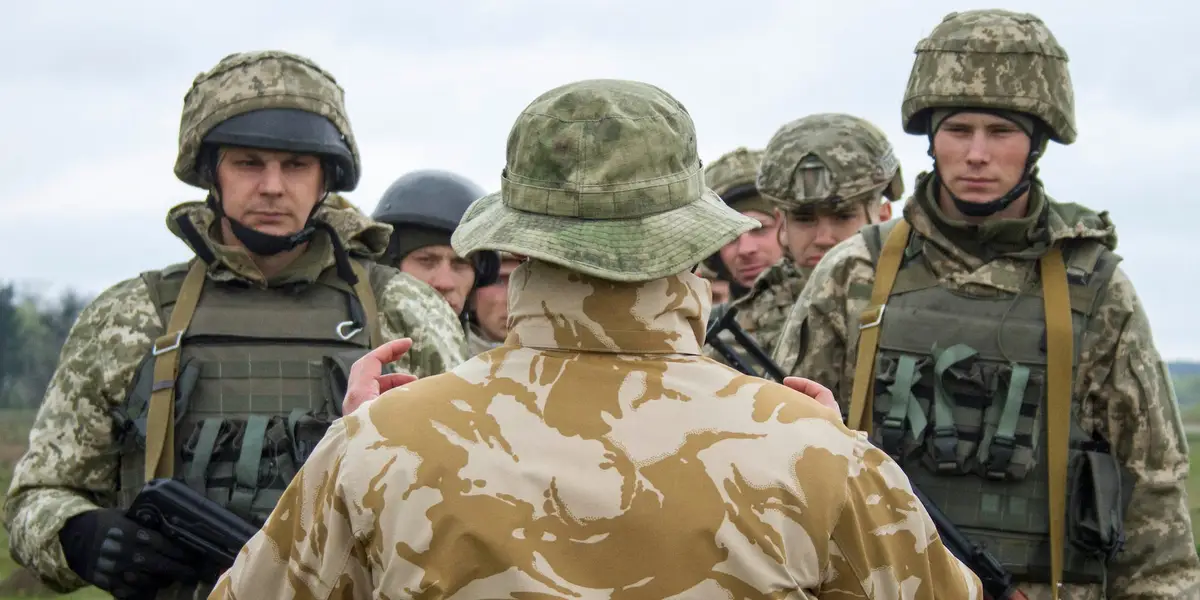
Ukrainian troops trained by NATO are reportedly underprepared for the war with Russia, as Western instructors lack experience in this type of warfare. The training provided by the West is safer but less comparable to actual warfare, increasing the risk of things going wrong during live operations. Western armies have primarily focused on fighting insurgencies in the Middle East, which is not relevant to the conflict in Ukraine. Ukrainian troops require training that specifically addresses the tactics and strategies used by the enemy. Additionally, NATO health and safety regulations limit the level of training Ukrainian troops can receive. However, the Western training does provide Ukrainian troops with valuable equipment.
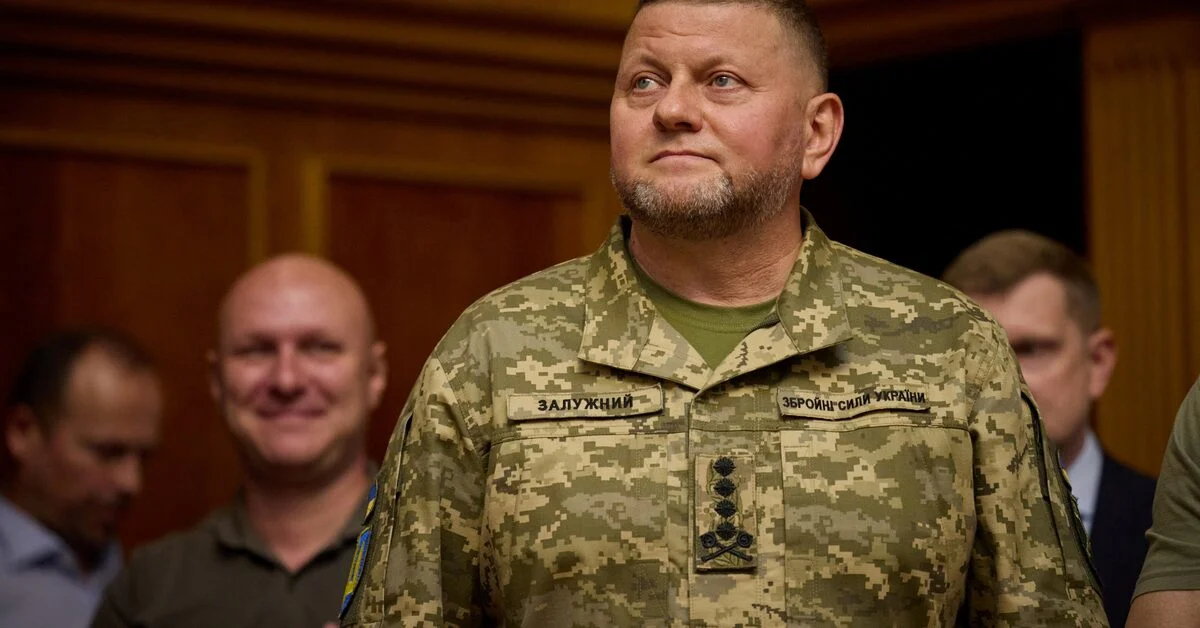
Ukrainian troops are steadily creating conditions to advance and have the initiative on the battlefield, according to Ukraine's commander-in-chief. Kyiv's defensive lines remain stable, with Ukrainian forces repelling Russian attempts to counter-attack and distract them. The United States and other Western allies have provided support to Ukraine, including weapons and training. While Ukraine has recaptured some territory, they have yet to attempt a major breakthrough across heavily defended Russian lines. Ukrainian officials argue that they are proceeding cautiously to minimize casualties, as Russian lines are fortified and laden with landmines. Russia claims that Ukraine's counteroffensive has failed, but Ukrainian troops continue to move towards southern cities on the Sea of Azov.
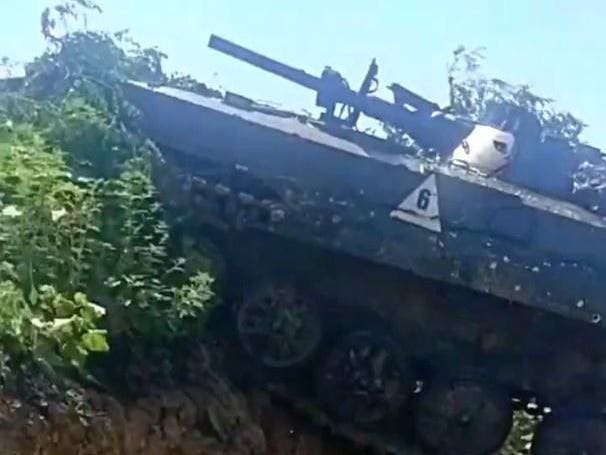
Ukrainian troops have apparently sent an unmanned BMP-1 fighting vehicle on a one-way assault across a suspected minefield near the Russian-occupied Verbove. The vehicle rolls across the field without triggering any mines but gets trapped in an anti-tank ditch. This incident reveals the potential thinness of the minefield and the paucity of Russian forces in the area. Ukrainian forces are advancing around Robotyne and are preparing for a possible assault on the trenchline. The use of unmanned vehicles and mineclearers may be necessary to overcome the minefield and continue the offensive.
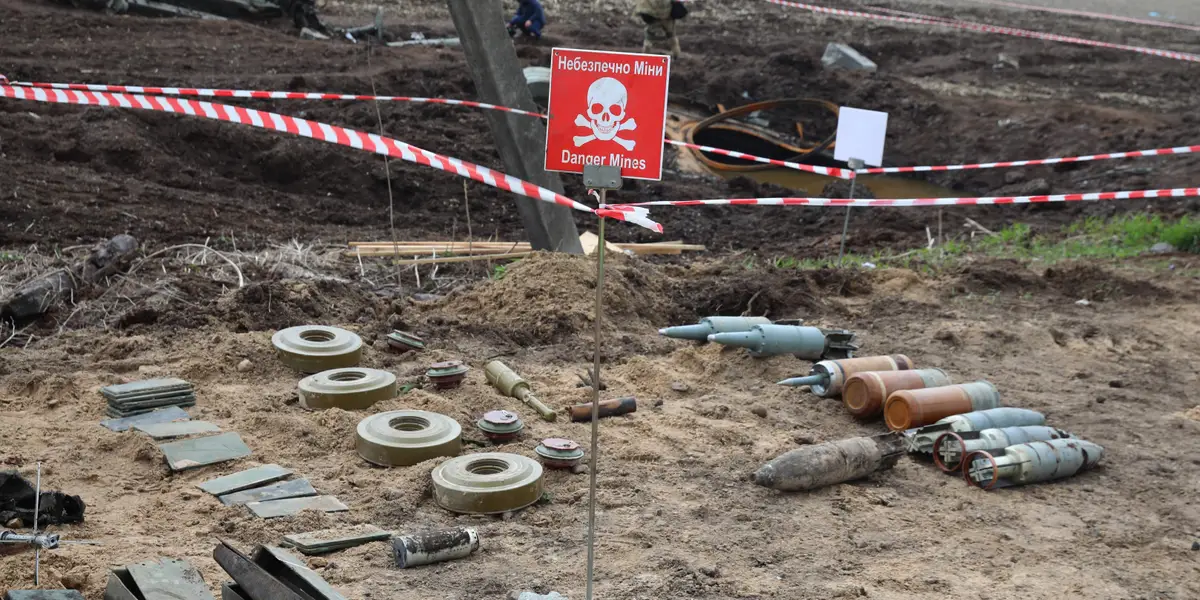
Land mines, booby traps, and trip wires are causing severe injuries to Ukrainian troops during the Russian invasion of Ukraine. Dense minefields are forcing soldiers to abandon tanks and undertake dangerous demining work. Soldiers use probes, metal detectors, and unconventional methods to locate and clear mines, including identifying booby traps through dead animals and using fiberglass rods instead of metal detectors. Russian troops frequently bury mines with anti-handling devices, targeting soldiers who try to disable trip wires. Plastic mines, known as butterfly or petal mines, are particularly difficult to treat due to the inability to locate plastic shrapnel with traditional methods. Wounds caused by mines are more common than those caused by artillery.