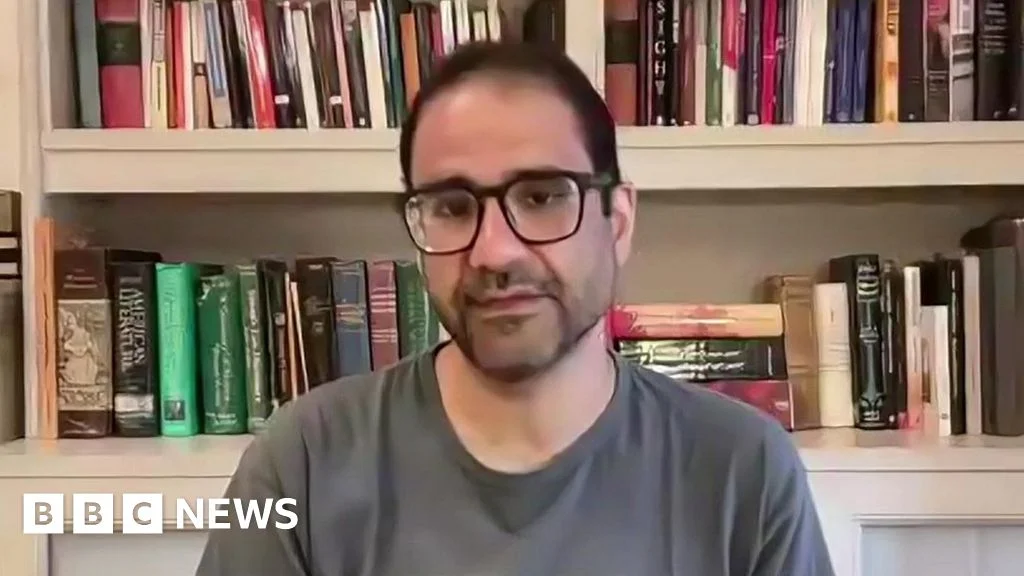
Sir Keir Starmer faced criticism for welcoming Egyptian pro-democracy activist Alaa Abdel Fattah to the UK, after social media posts surfaced showing Abdel Fattah endorsing violence against Zionists, prompting concerns over the UK's support for controversial figures. The government and opposition figures expressed mixed reactions, highlighting the complexity of Abdel Fattah's case and the political implications of his return.
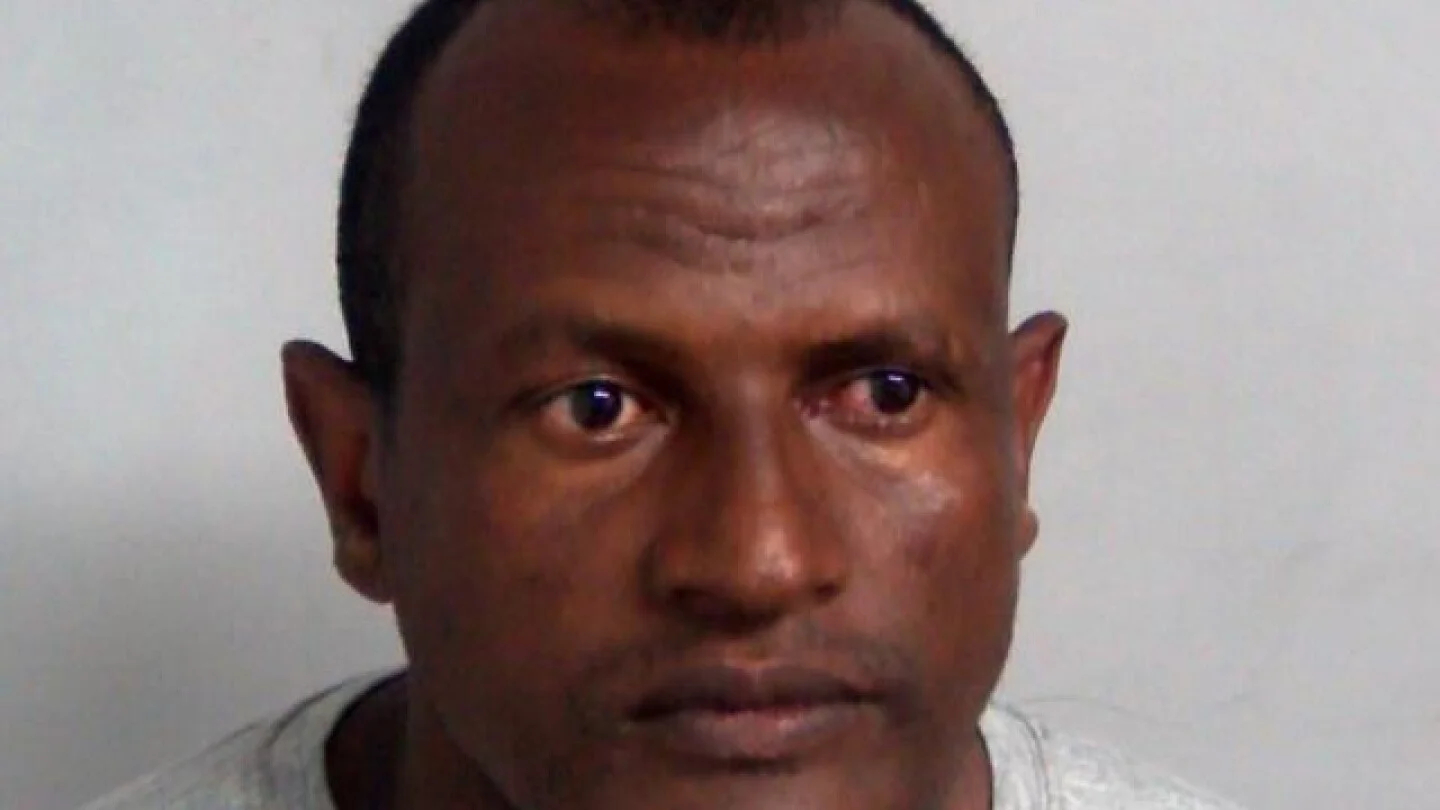
London police mistakenly released a convicted sex offender, Hadush Gerberslasie Kebatu, who was later re-arrested; the error has sparked political and public outrage amid ongoing debates over immigration and security in the UK.
UK opposition leader Keir Starmer proposes a mandatory digital ID scheme to combat illegal migration and streamline access to services, sparking debate over privacy, security, and effectiveness, with mixed public reactions and political opposition.
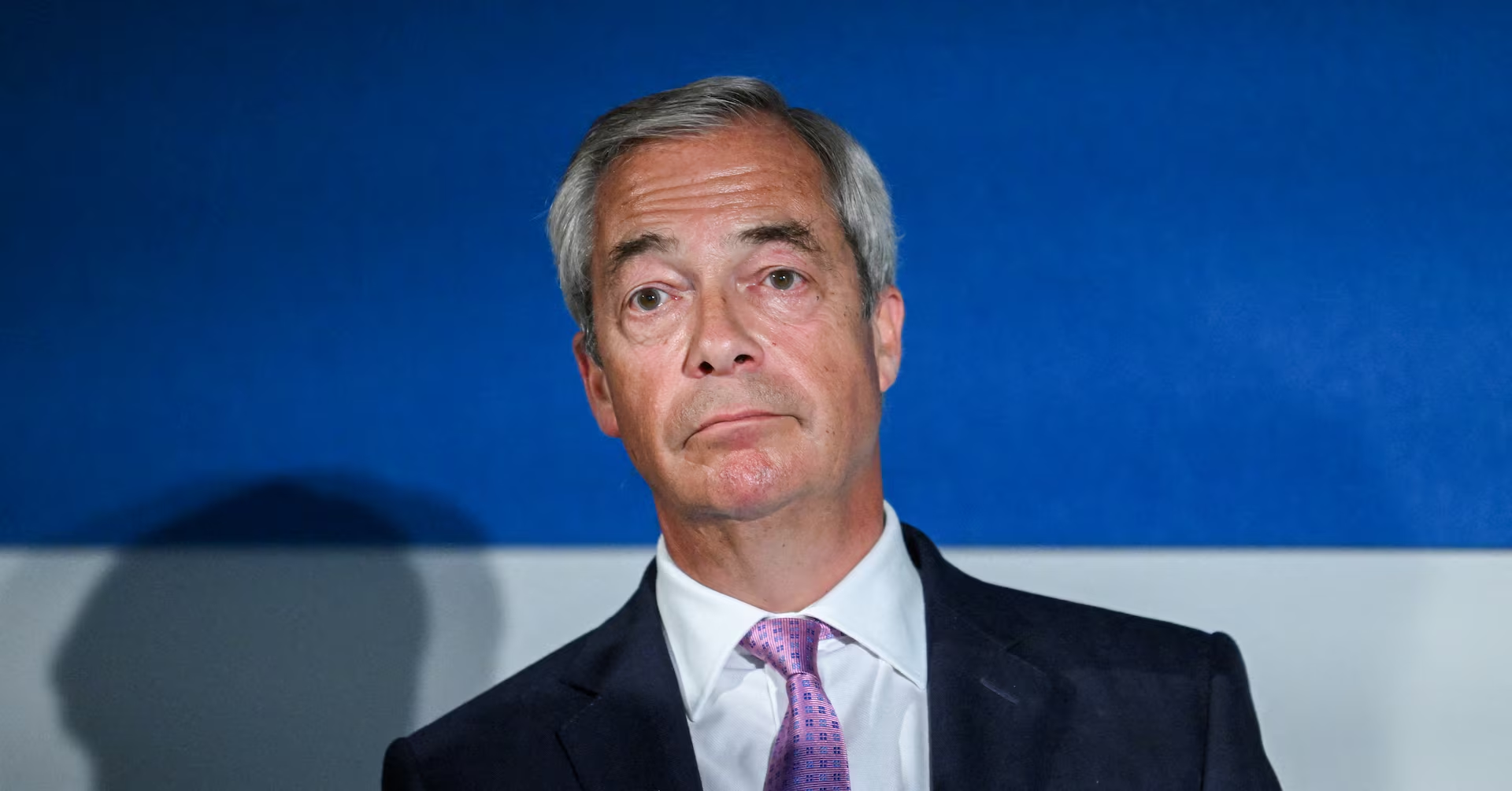
Nigel Farage, leader of Reform UK, proposed plans for mass deportations of asylum seekers crossing the English Channel, including withdrawing from the European Convention on Human Rights and signing repatriation deals with countries like Eritrea and Afghanistan, aiming to create holding facilities and operate frequent deportation flights.
The UK Home Office has paused decisions on Syrian asylum claims, leaving many asylum seekers, like Hussam Kassas, in a state of uncertainty and fear. Kassas, who fled Syria due to persecution, is at risk of losing his job and home as his student visa nears expiration. The pause affects 6,500 people and has been implemented to reassess the safety of Syria under new rebel-led authorities. The decision has drawn criticism from asylum seekers and advocates, who argue it leaves vulnerable individuals in limbo and unable to return to Syria safely.
The UK government has narrowly won the vote on its Rwanda bill, avoiding a defeat at the bill's second reading stage. The bill, which aims to address immigration and asylum issues, received support from Conservative MPs, while opposition parties like Labour, SNP, and Lib Dems voted against it. However, there were a significant number of abstentions, indicating potential divisions within the Conservative party. The bill will now proceed to further scrutiny and potential amendments in January.
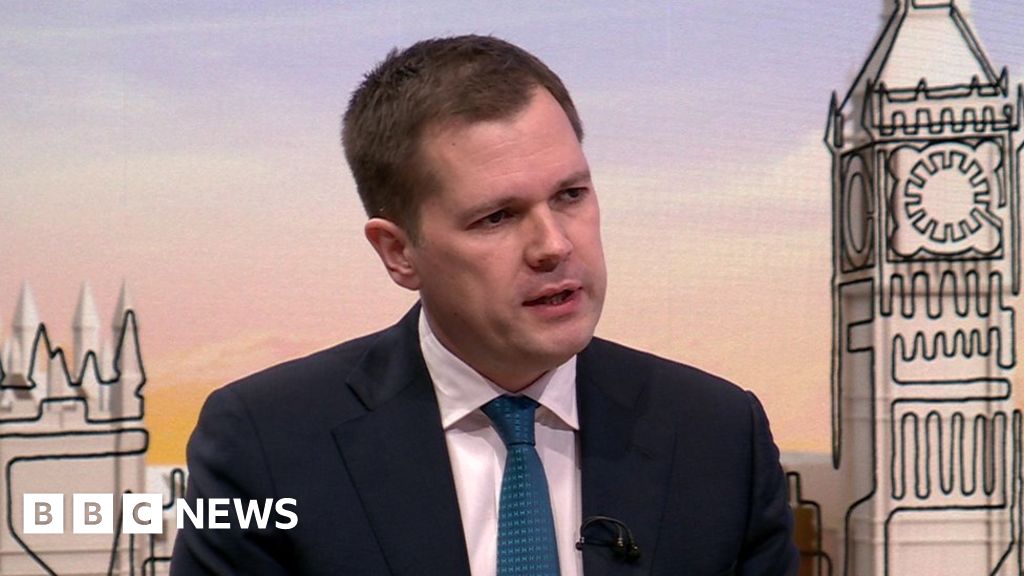
Former immigration minister Robert Jenrick has criticized the draft legislation to revive the Rwanda asylum scheme, stating that it is weak and will be bogged down by legal challenges. He believes the bill will not succeed in deterring asylum seekers from crossing the English Channel. Jenrick resigned from his post because he could not support a weak bill that he deemed ineffective. The bill has divided opinions among Conservative MPs, with some arguing it goes too far in bypassing the courts and others saying it does not go far enough. The government needs enough Tory MPs to vote for the bill to ensure its passage.
Politicians in the UK are grappling with questions about immigration as net migration levels continue to rise. While there is a consensus that immigration is too high, determining the right level and who should be allowed to come to the UK poses challenges. The issue becomes even more complex when considering the economic impact of reducing immigration and the need for skilled workers. The government is considering measures such as scrapping the list of shortage occupations and reducing the number of family members migrants can bring. However, the long-term solution lies in investing in the UK workforce and improving education and training. The political risks of inaction are evident, as parties like UKIP and Reform UK have gained support by taking a tougher stance on immigration.