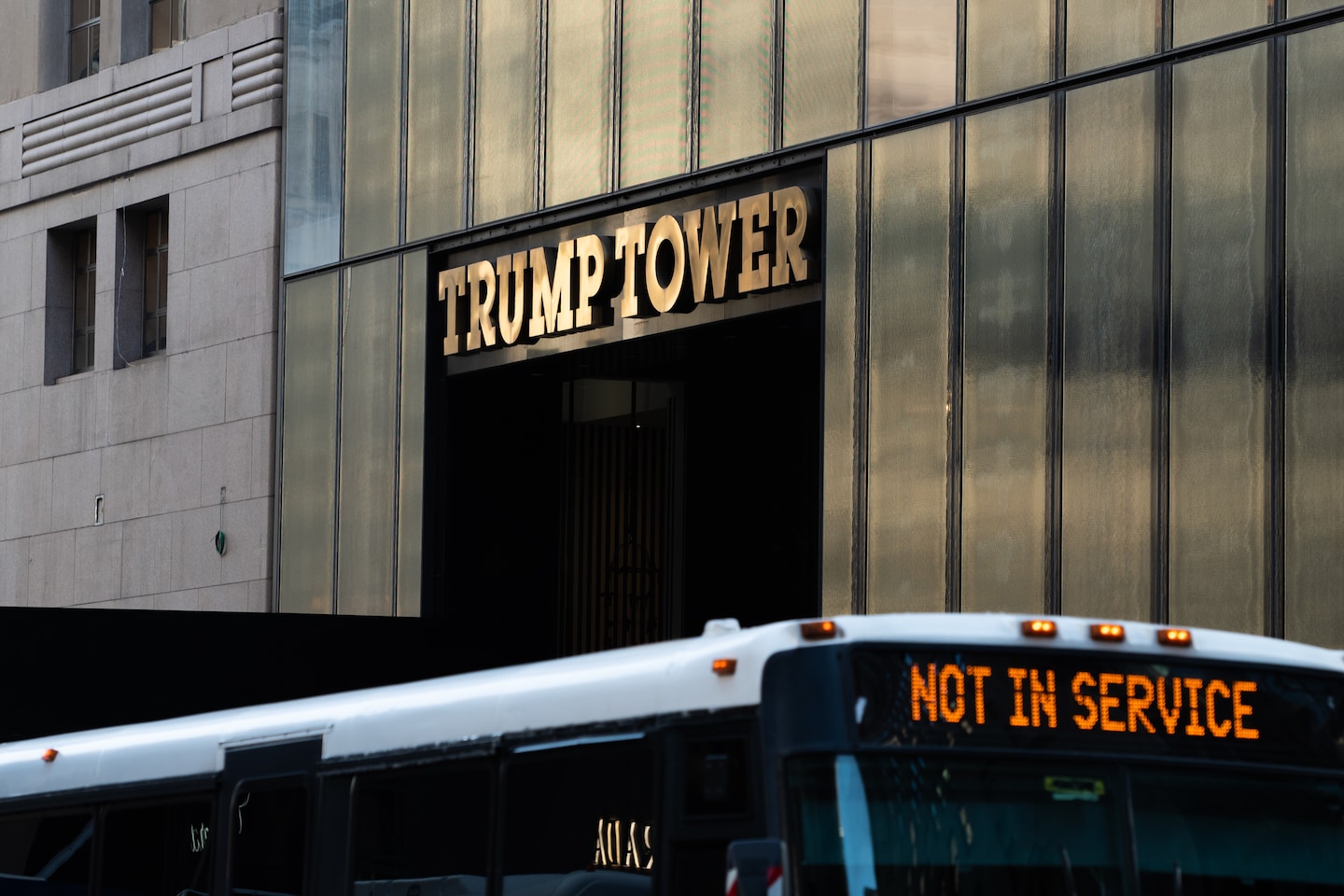
A congressional report by Democrats claims that Donald Trump's businesses received over $7.8 million from foreign governments during his presidency, potentially violating the U.S. Constitution's emoluments clause. China was the largest contributor, with payments exceeding $5.5 million. The report, which scrutinized only a portion of Trump's tenure and a few properties, suggests that these dealings may have influenced policy decisions. Trump has not commented on the findings, and Republicans have criticized the investigation as a continued obsession with the former president.
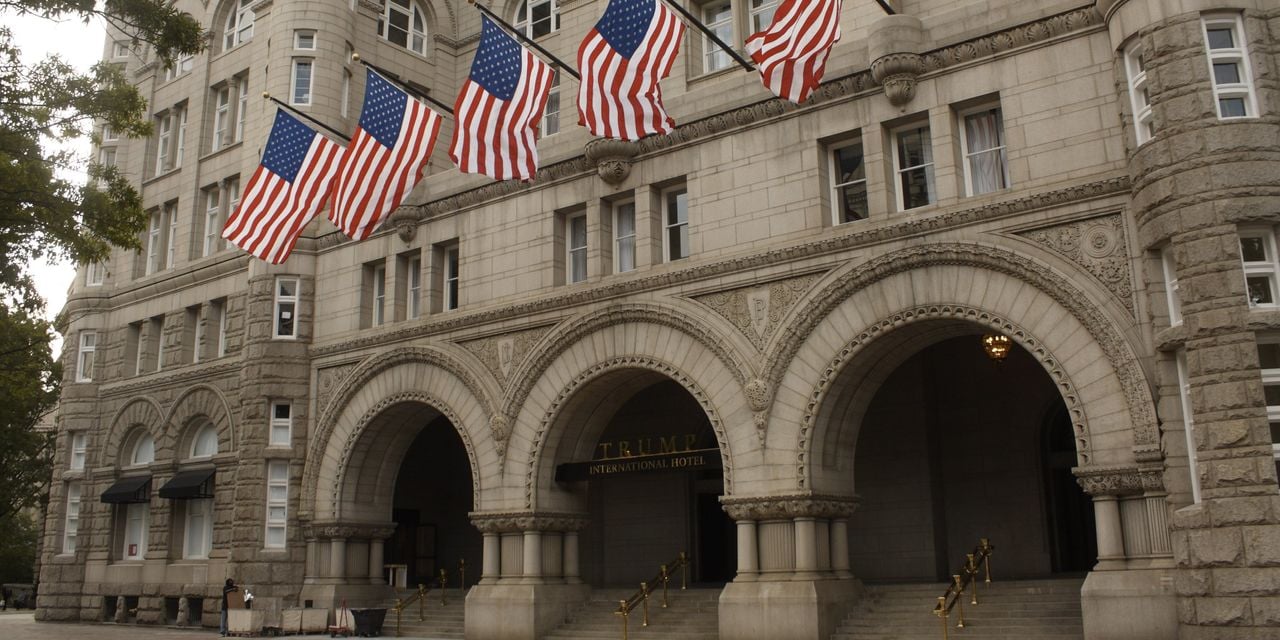
A report and newly revealed records indicate that foreign governments, notably China and Saudi Arabia, spent at least $7.8 million at Donald Trump's properties during his presidency. This spending, documented by the House Oversight Committee, raises concerns about potential conflicts of interest as Trump campaigns for a second term. The expenditures were made at his hotels in Washington, D.C., Las Vegas, and New York properties.
A House Oversight Committee report revealed that Donald Trump's businesses received $7.8 million from foreign governments during his presidency, potentially violating the Constitution's foreign emoluments clause. The payments came from 20 countries, with China and Saudi Arabia being the largest contributors. The report suggests these payments were made while the countries were engaging with the U.S. on foreign policy objectives. The investigation into these alleged violations was halted by the Republican-led House Oversight Committee in 2023. The report recommends Congress to adopt measures to prevent future violations of the emoluments clause.
A House Oversight Committee report alleges that former President Donald Trump's businesses received at least $7.8 million from foreign entities in 20 countries, potentially violating the Constitution's foreign emoluments clause. The report, titled "White House For Sale," suggests that these payments, including over $600,000 from Saudi Arabia, were made while Trump made policy decisions favoring these countries. The Trump Organization disputes the claims, arguing that profits were donated to offset earnings from foreign entities. Previous lawsuits on this matter were dismissed by the Supreme Court since Trump is no longer in office.