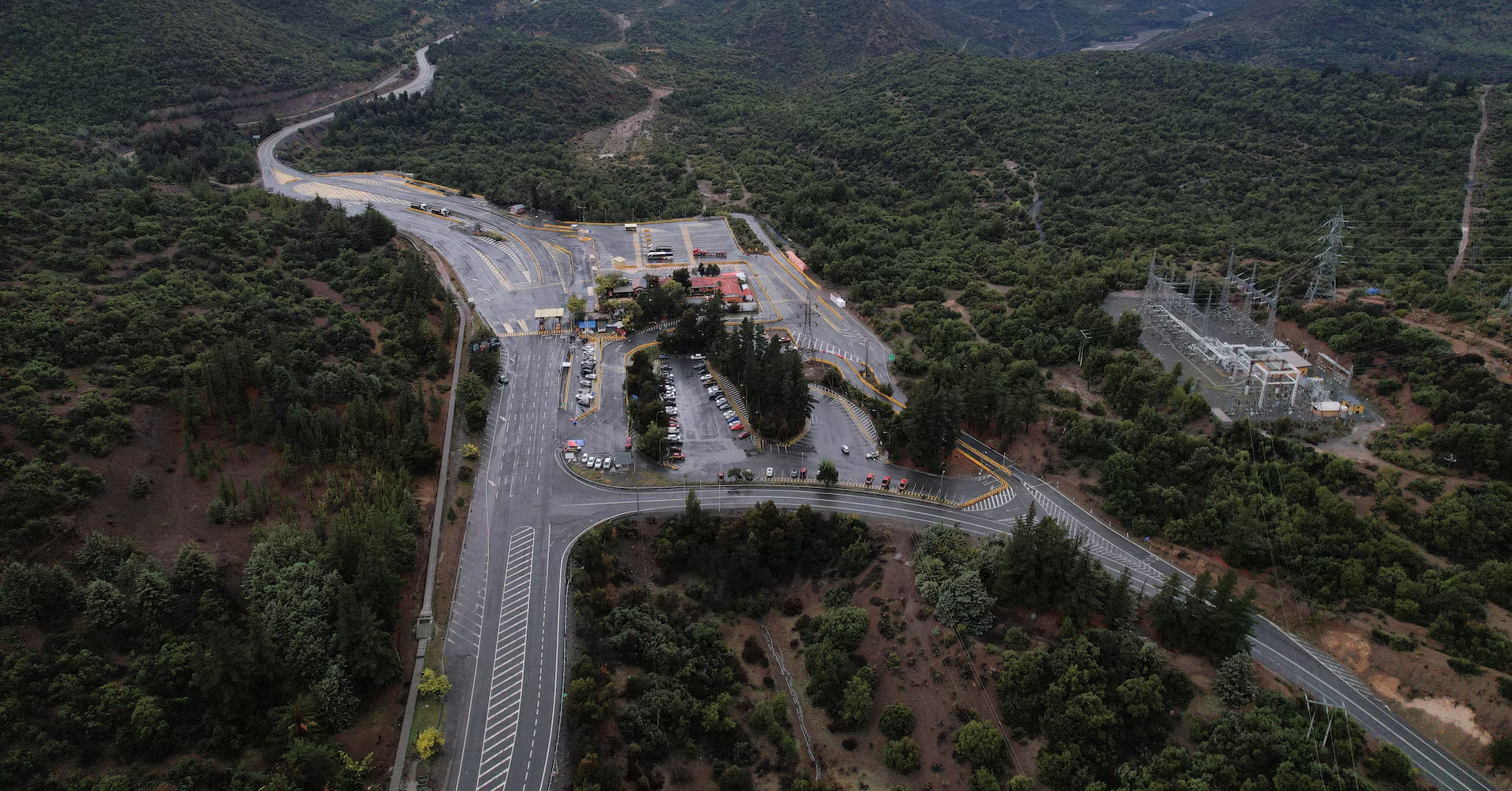
All five workers trapped in the Codelco El Teniente copper mine in Chile have been found dead after a seismic-induced collapse, bringing the total death toll to six including one who died at the time of the incident.
A landslide at a gold mine in Turkey's Erzincan province has trapped nine workers underground, with 400 personnel from the national disaster relief agency working to reach them. The mine's operator, Anagold Madencilik, prioritizes the health and safety of its employees, while government officials, including the Interior Minister and Energy Minister, are coordinating rescue efforts, and state prosecutors are investigating the incident.
Both bodies of the two contractors killed in a sanitation plant accident in northern Kentucky have been recovered. The workers became trapped in a hole about 40 feet deep and ultimately drowned. A third worker was taken to the hospital for evaluation but refused medical attention at the scene. Local and federal officials are investigating the incident.
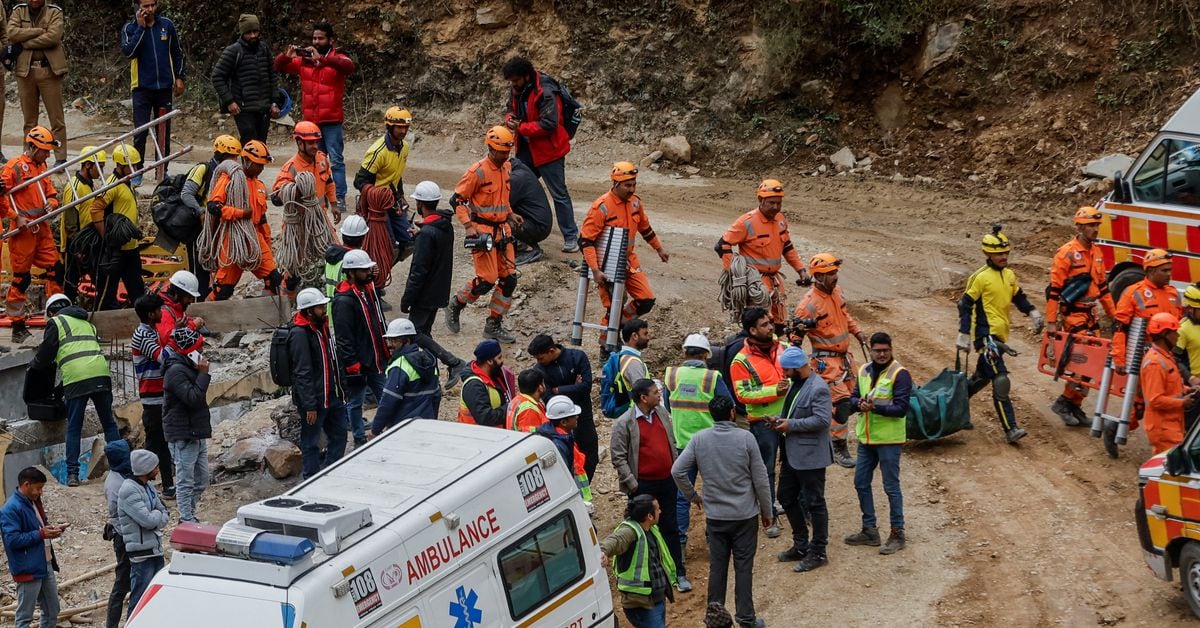
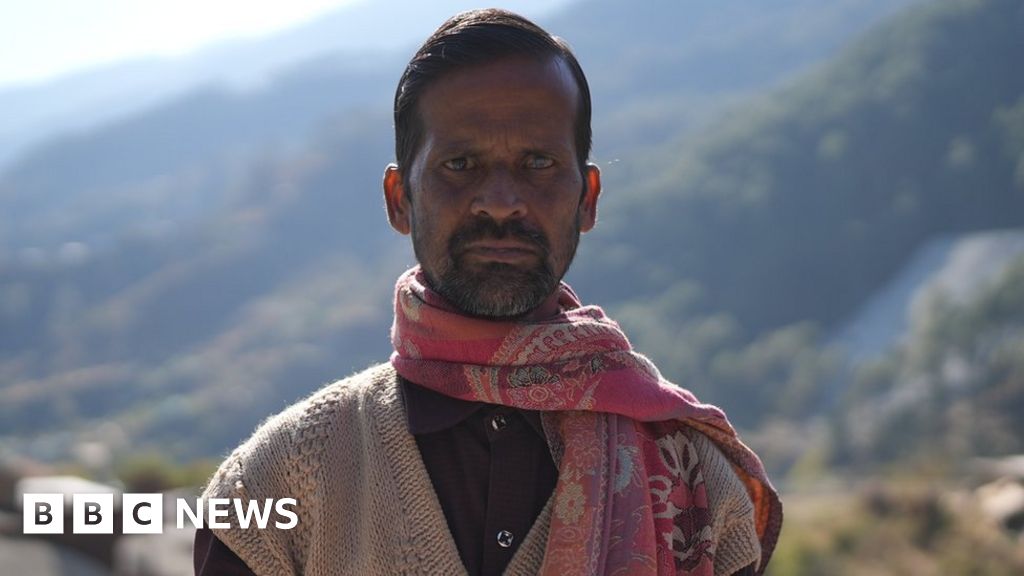
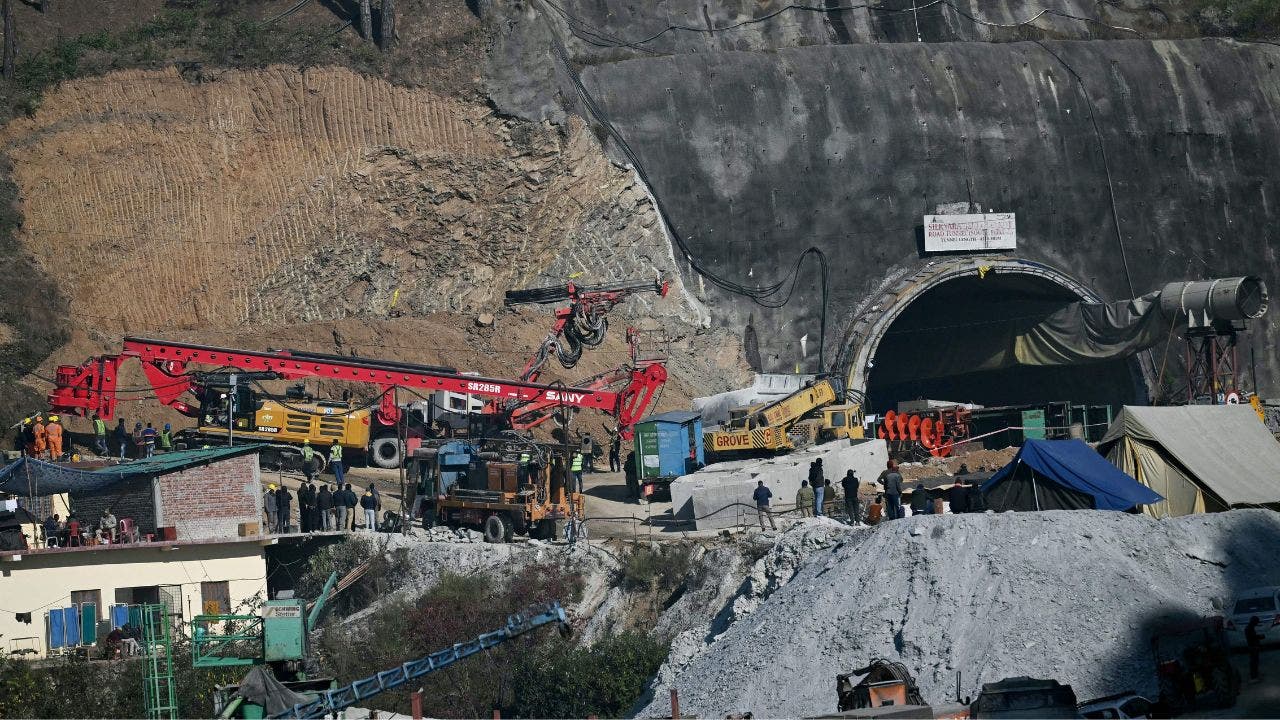
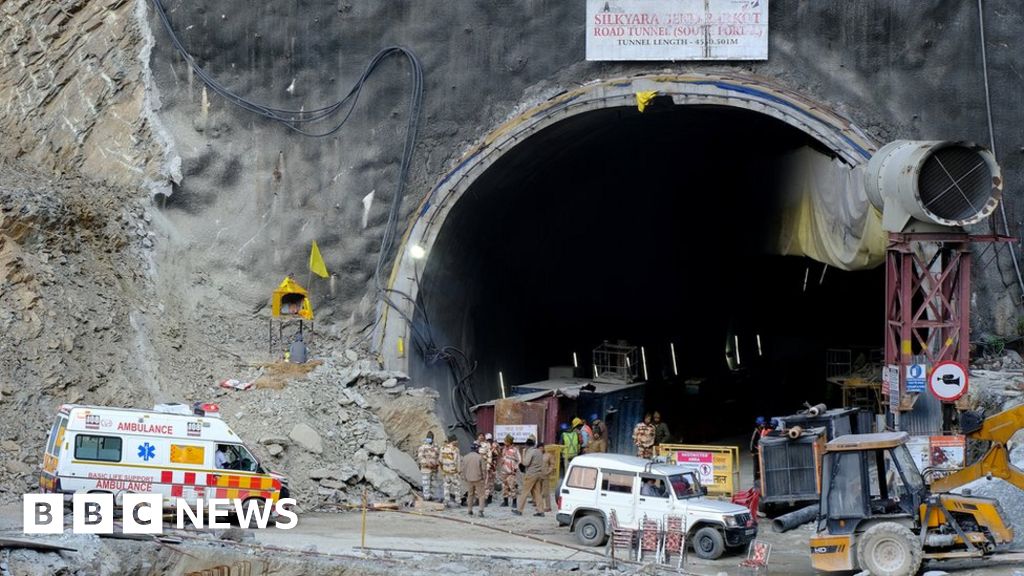
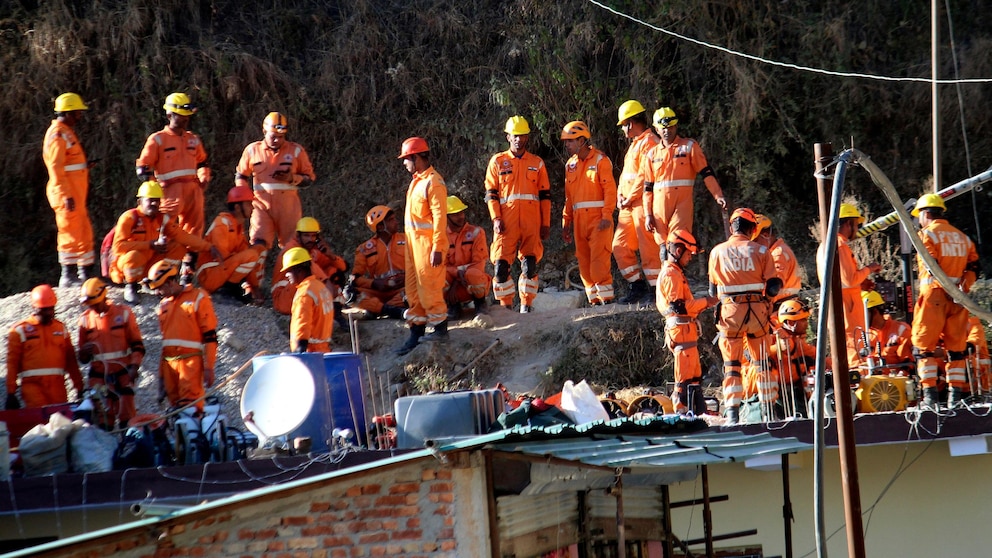
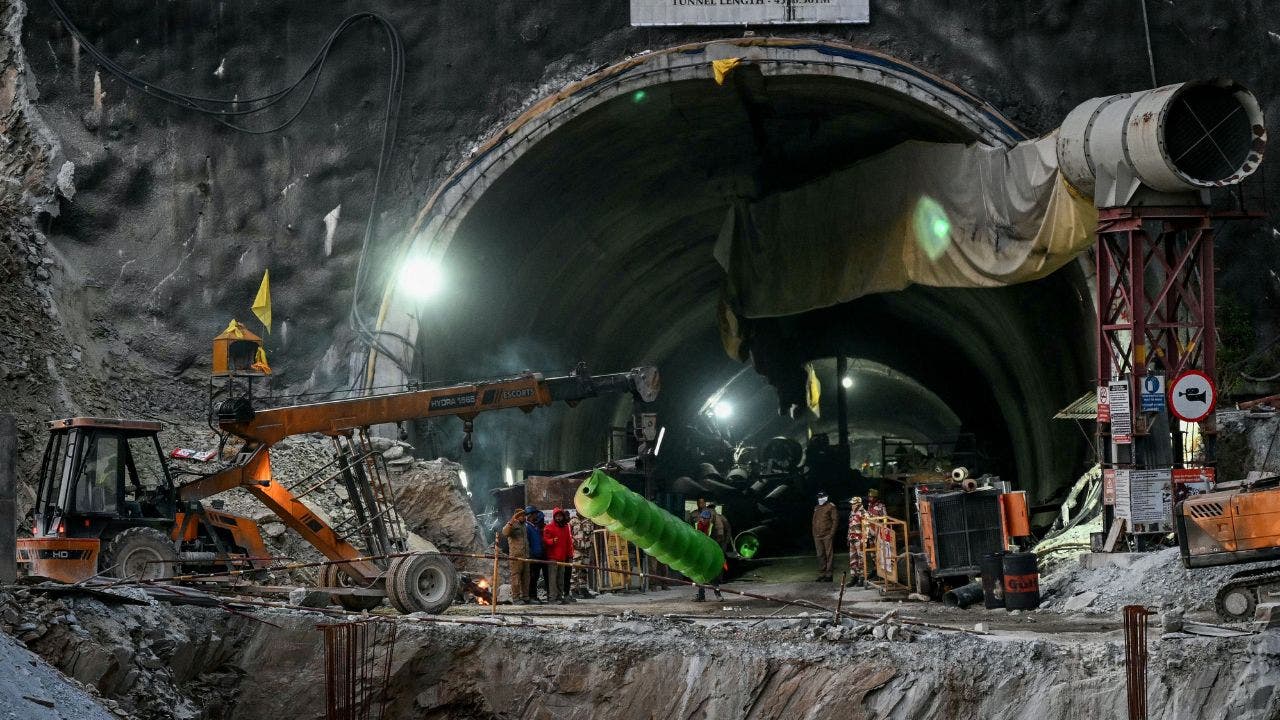
A group of "rat-hole miners," whose profession is effectively banned in India, played a crucial role in rescuing 41 workers trapped in a tunnel in the Indian Himalayas. After heavy machinery broke down, the miners used their expertise in burrowing in tight spaces to reach the workers. They worked tirelessly for over 24 hours, drilling, collecting debris, and pushing it out of a pipe. The miners successfully pulled out the workers in wheeled stretchers after a 17-day ordeal. "Rat-hole mining" is a hazardous method used in Meghalaya to extract coal, often without safety measures, resulting in environmental damage and fatalities.
Indian rescuers, including "rat miners," have successfully drilled through rocks and debris to reach 41 construction workers who have been trapped in a collapsed tunnel in the Himalayas for 17 days. The workers will be pulled out one by one on wheeled stretchers through a narrow pipe. The rescue operation was made possible by the efforts of the rescuers and the prayers of millions of Indians. The workers have been receiving essential supplies through a pipe, and now efforts are underway to evacuate them to a nearby hospital. The tunnel is part of a major infrastructure project and the cause of the collapse is still unknown.
Rescue operations to reach the 41 Indian workers trapped inside a tunnel in Uttarakhand state have suffered a major delay after the drilling machine broke down. Rescuers are now exploring new ways to reach the workers, including vertical drilling and manual digging. The workers have been stuck for two weeks after a part of the tunnel collapsed due to a landslide. The operation has been challenging due to falling boulders, loose soil, and metal inside the tunnel. Authorities are also concerned about bad weather conditions in the region.
Rescuers in India are preparing to manually dig in the final phase of rescuing 41 construction workers who have been trapped in a collapsed mountain tunnel for over two weeks. After a failed attempt to drill vertically, the drilling machine was replaced and excavation has reached about 150 feet horizontally. The workers have been supplied with food and oxygen through pipes, and their families have gathered at the site for updates. Uncertainty surrounds the timeline of the rescue operation, but experts hope the workers will be reunited with their families by Christmas.
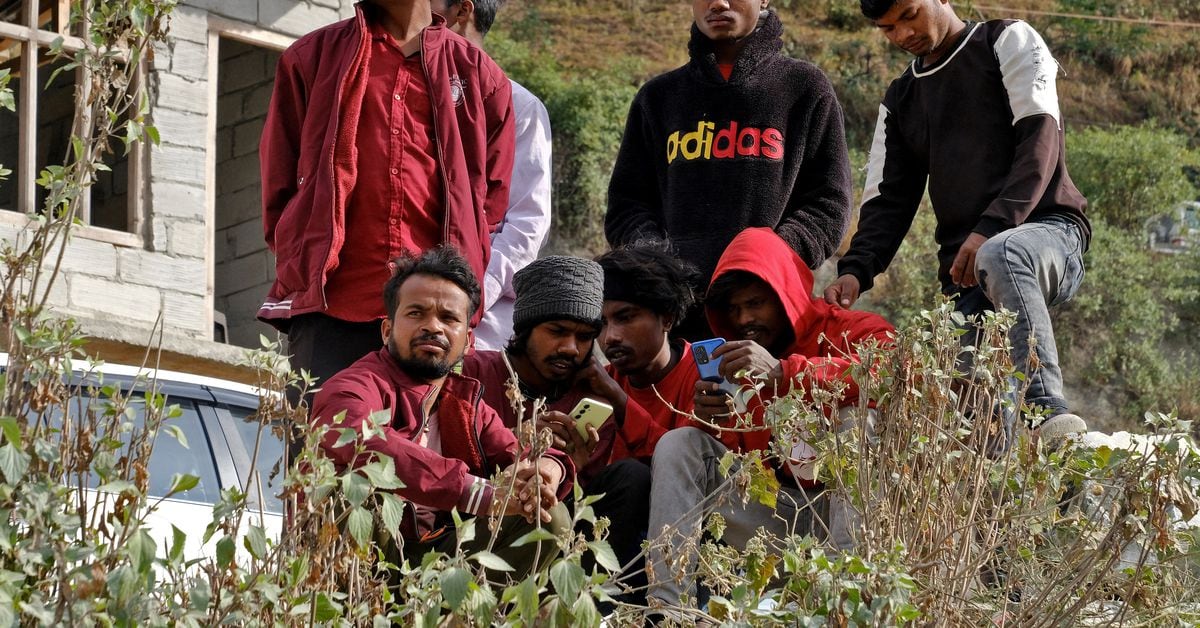
Families of the 41 construction workers trapped in the collapsed tunnel in Uttarakhand, India, are facing an agonizing wait for their loved ones to be rescued. The rescue efforts have been delayed due to a drilling machine breaking down, and now the remaining debris will have to be manually removed. Family members have traveled to the site to be closer to their trapped relatives and are anxiously waiting for their safe return.
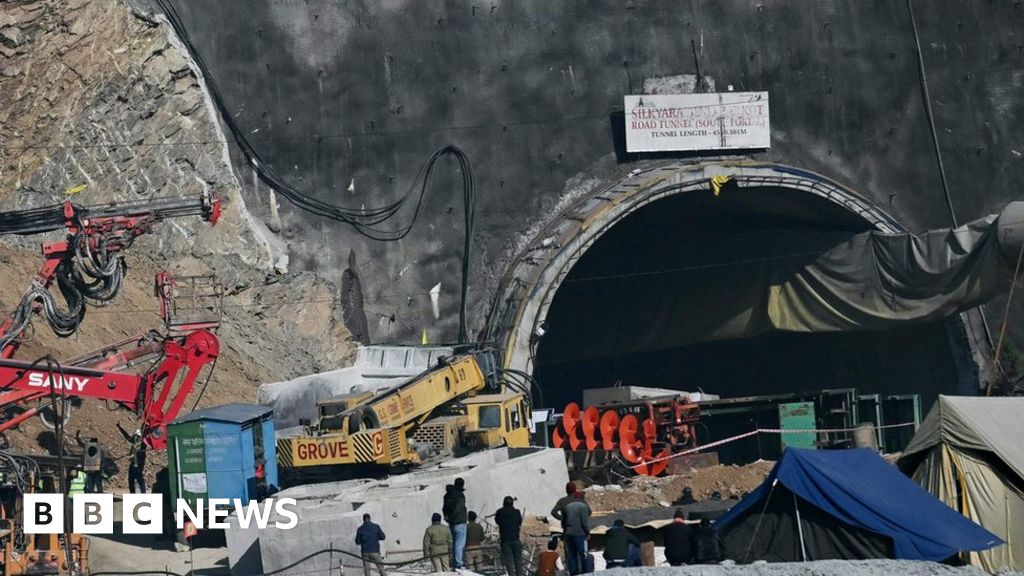
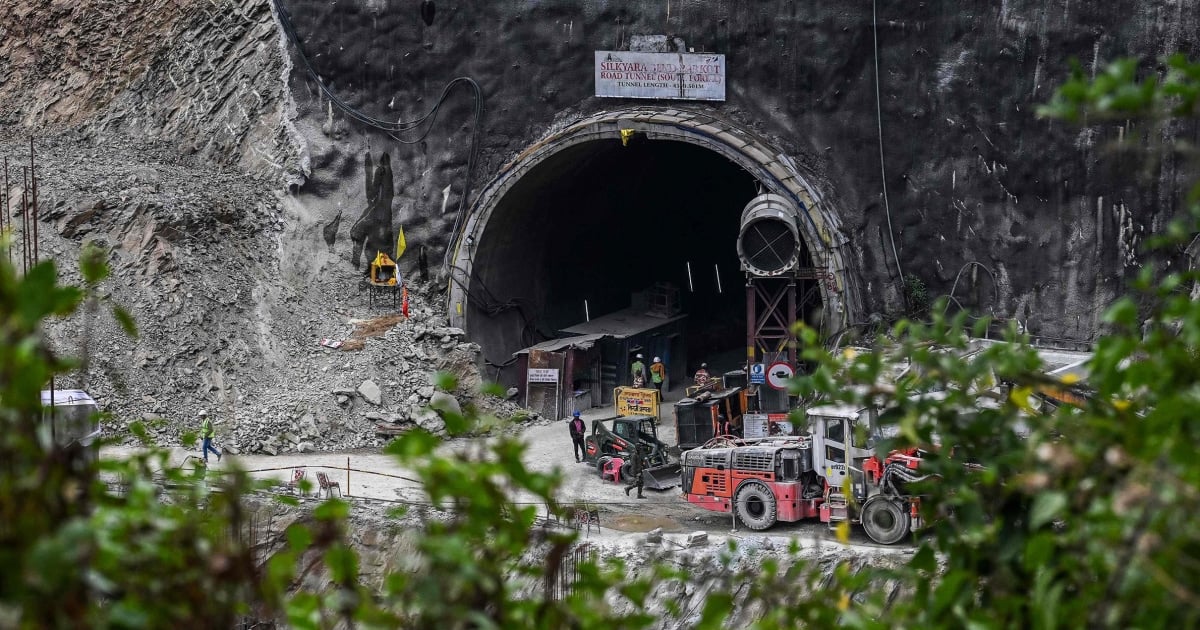
The rescue operation to save 41 workers trapped in the collapsed Silkyara tunnel in Uttarkashi, India, may take longer than expected as the blades of the auger machine used for drilling are stuck in the debris. Officials are now considering two alternatives: manual drilling or drilling from above. The National Disaster Management Authority advises patience, while an international tunnelling advisor promises to get the workers out "by Christmas". Heavy equipment is being prepared for vertical drilling, which could begin in the next 24 to 36 hours. The auger machine is currently out of commission, and once it is repaired, manual drilling will commence.
The operation to rescue 41 construction workers trapped in a collapsed tunnel in northern India has been halted after the drilling machine being used broke down. The machine, called an auger, was irreparably damaged after hitting an obstacle. Rescuers will now use hand-held power tools to break through the remaining debris. An alternative plan to dig downward is also being pursued. The trapped workers, who have been provided with oxygen, food, and water, have been trapped since November 12. The cause of the tunnel collapse is still unknown.
The rescue operation to save 41 construction workers trapped in a collapsed tunnel in northern India has been halted as the drilling machine used by rescuers broke down and cannot be repaired. It may take several days to resume drilling as a new machine is brought in. The workers have been trapped for 13 days, and rescue efforts have been delayed by setbacks and difficulties in drilling through heavy rock and debris. The workers have been provided with oxygen, food, and water, and a new machine is being set up to drill vertically.
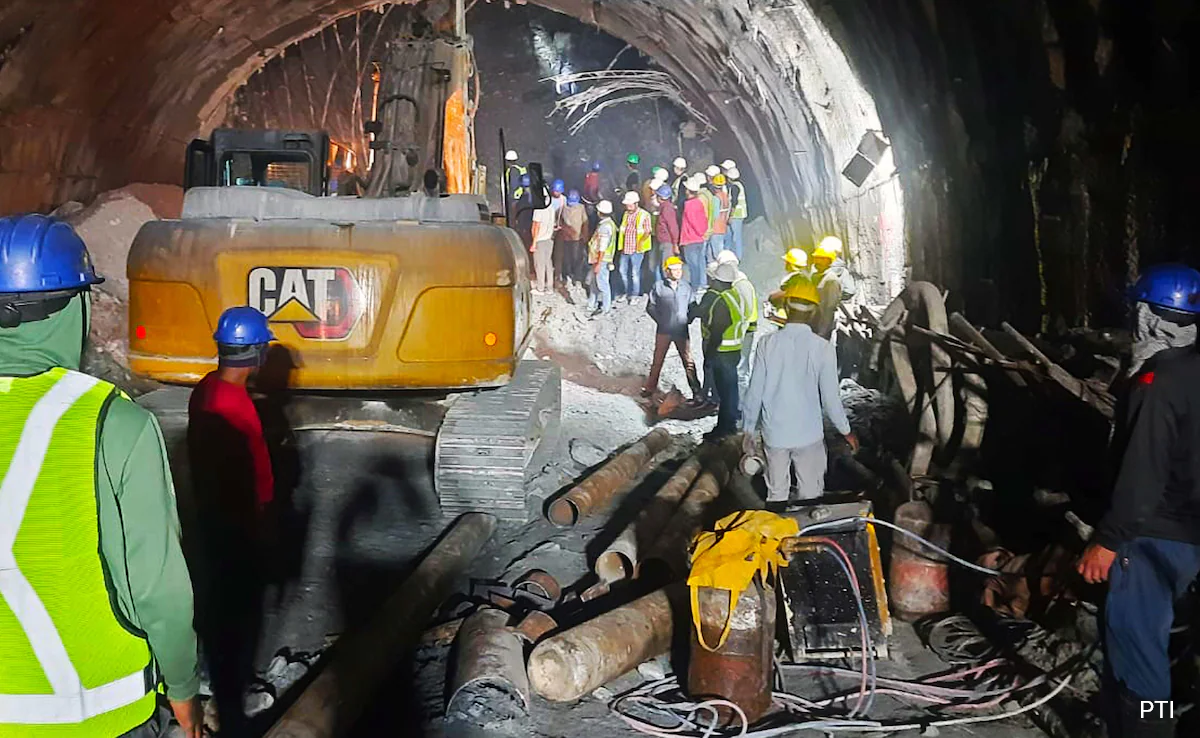
Rescue efforts to save 41 workers trapped in a collapsed tunnel in Uttarakhand, India, have been delayed due to a broken drilling machine. Rescuers will now dig manually to reach the workers, who have been trapped for two weeks. The operation is challenging due to debris containing rocks, stones, and metal. The faulty machine will be removed, and manual drilling will commence. Despite the setback, tunnelling experts remain confident that the workers will be rescued. The workers have been receiving essential supplies and are in good spirits.
The rescue operation to free 41 workers trapped in a collapsed tunnel in the Indian Himalayas is expected to take longer than anticipated after a heavy drill used to break through debris was damaged. The last 10-15 meters of the tunnel will now have to be manually drilled using handheld power tools. The trapped workers, who have been stuck in the tunnel for two weeks, are safe and have access to essential supplies. The operation is becoming more complex, and authorities have not provided a timeline for the rescue. The tunnel collapse occurred on the Char Dham pilgrimage route, a major infrastructure project in India.
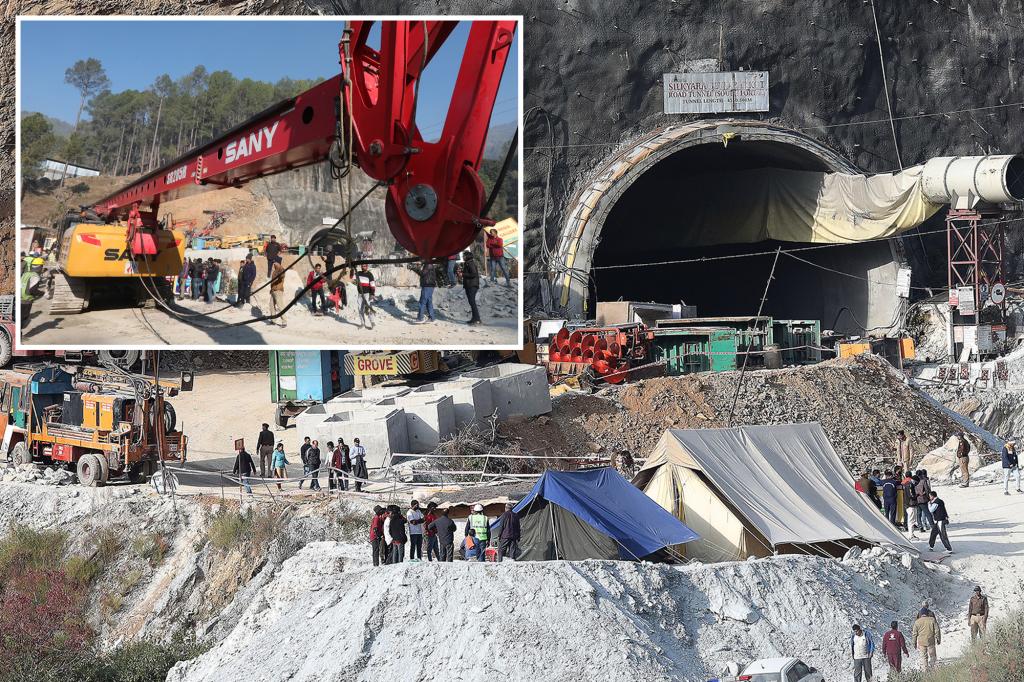
Rescue efforts to reach 41 construction workers trapped in a collapsed tunnel in Uttarakhand, India, have been further delayed after a drilling machine hit a metal obstruction in the rock debris. The machine had drilled about 2 meters of the final stretch before the obstruction was encountered. The workers have been trapped since November 12, and rescue teams have been manually removing debris and inserting pipes to create a passageway. The challenging mountainous terrain and vibrations from the drilling have posed difficulties in the rescue operation. The workers' families have been waiting at the site for updates and hope for a successful rescue.
The race to rescue 41 Indian construction workers trapped in a collapsed road tunnel in Uttarakhand state has faced further delays due to a problem with a drilling machine. The platform supporting the machine developed cracks, but it is being reinforced with concrete and drilling is expected to resume soon. The workers have been trapped for 12 days, and the next 24 hours are critical for their chances of survival. Rescue teams are drilling through debris to create an escape route using a tunnel of pipes, and they are currently about 30 feet away from reaching the trapped workers. The hilly area is prone to landslides, and the workers were helping to construct a road connecting Hindu pilgrimage sites.