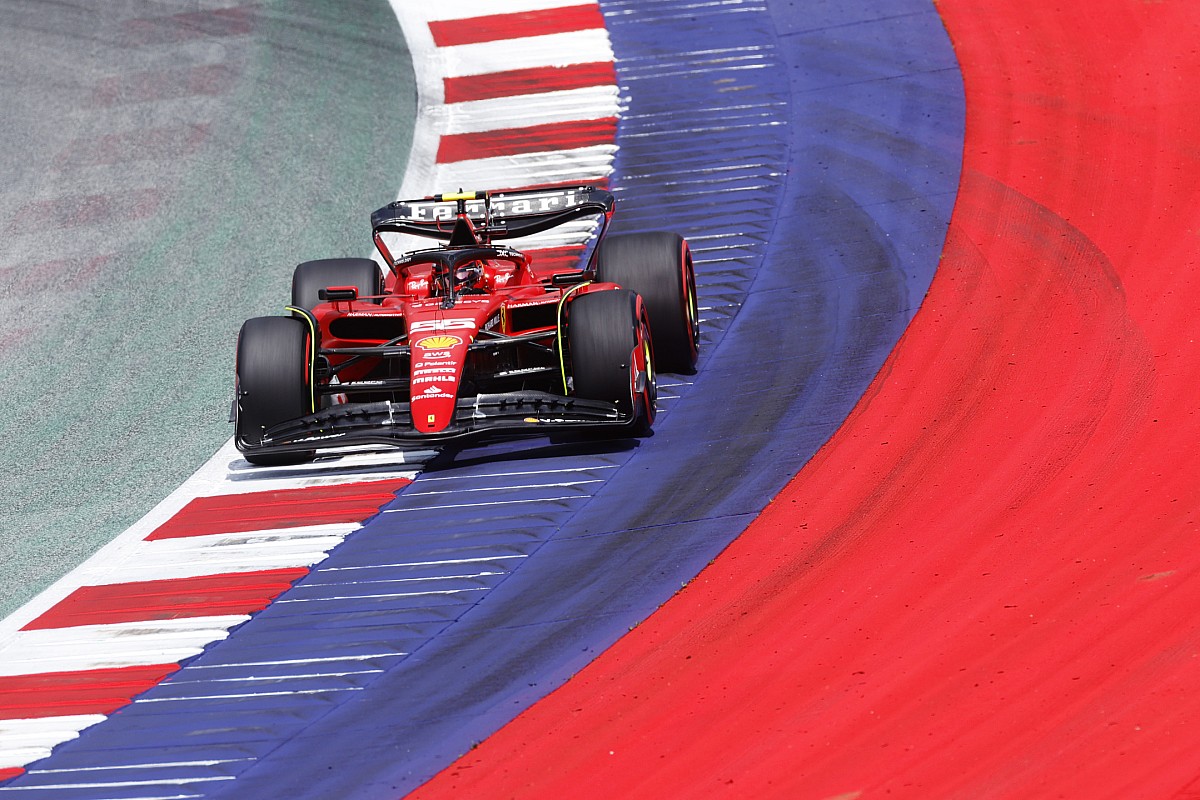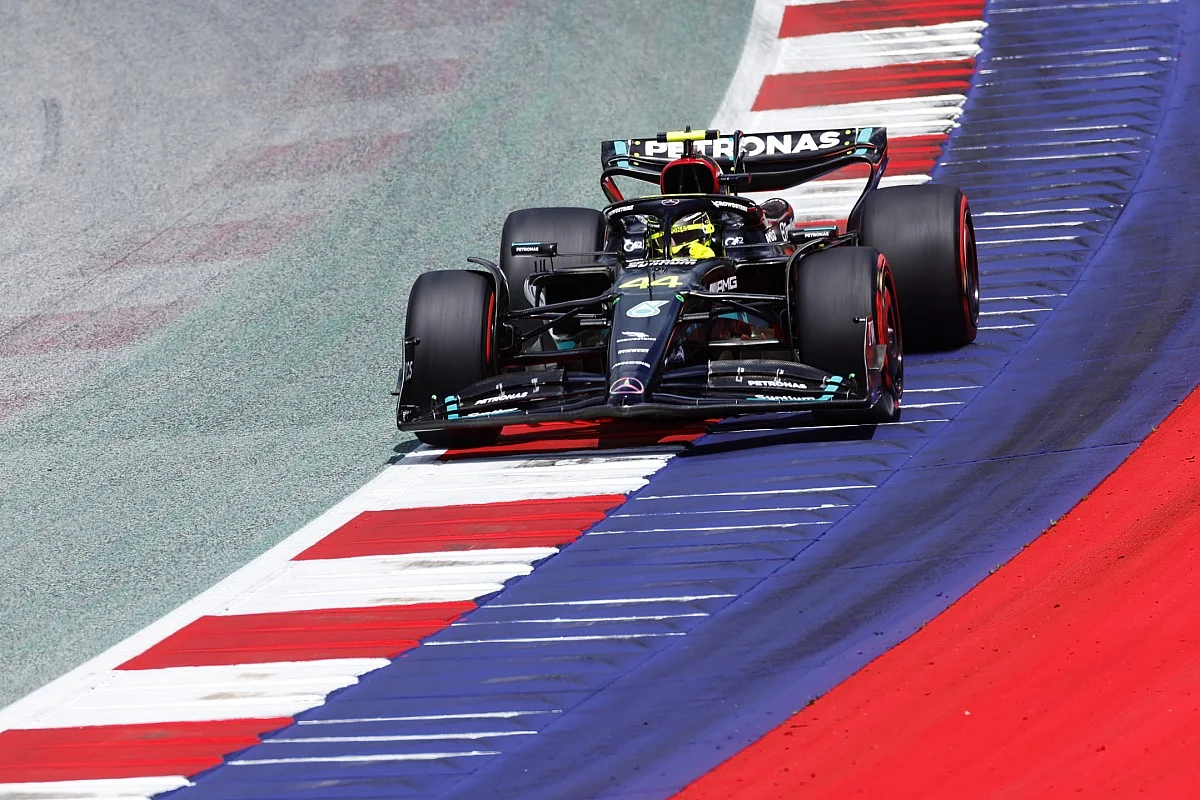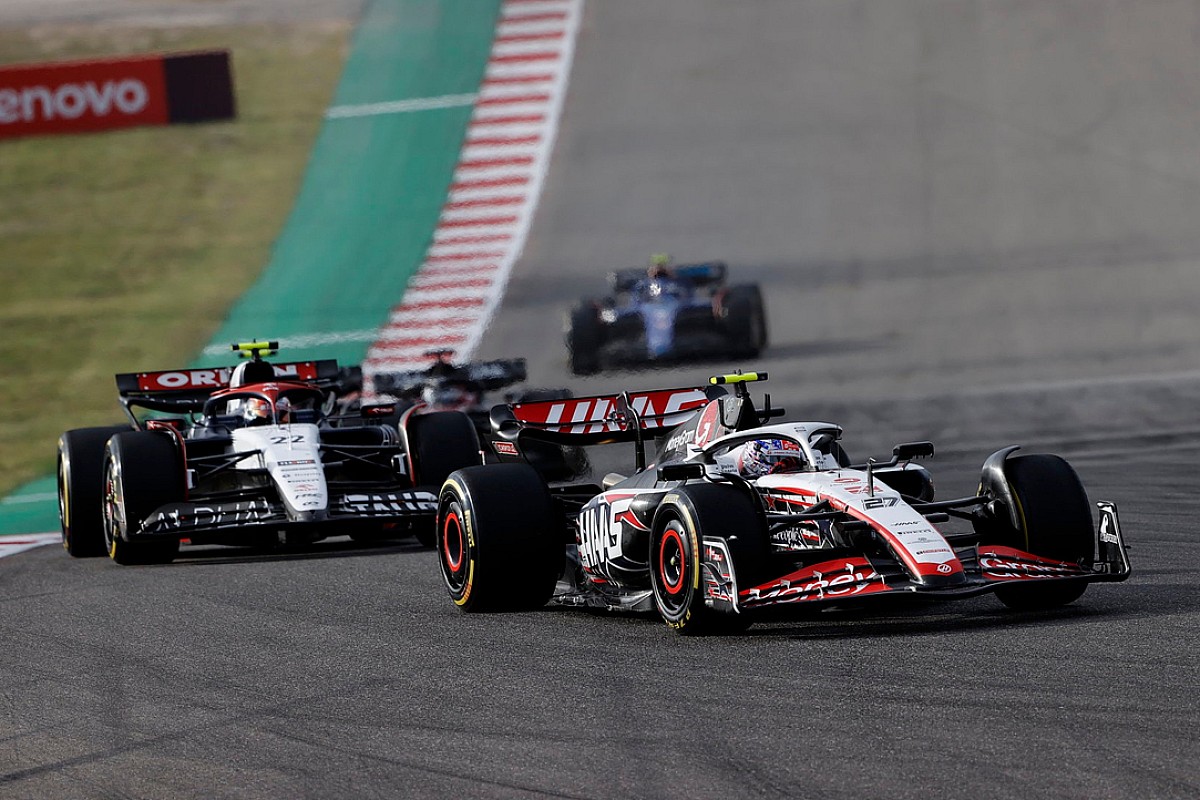
The FIA has been criticized by F1 stewards for its "inability" to enforce track limits during the United States Grand Prix. Haas had launched a protest after identifying cases of track limit breaches by other drivers that were not penalized during the race. Although the protest was thrown out, the stewards acknowledged the FIA's failings in uniformly upholding track limit standards and recommended a rapid solution to prevent further occurrences. The issue of track limits has been a recurring problem throughout the season, with the FIA identifying over 1200 possible cases of breaches during the Austrian GP. Solutions such as gravel traps and modified white lines have been implemented, but further improvements are needed before the 2024 season.
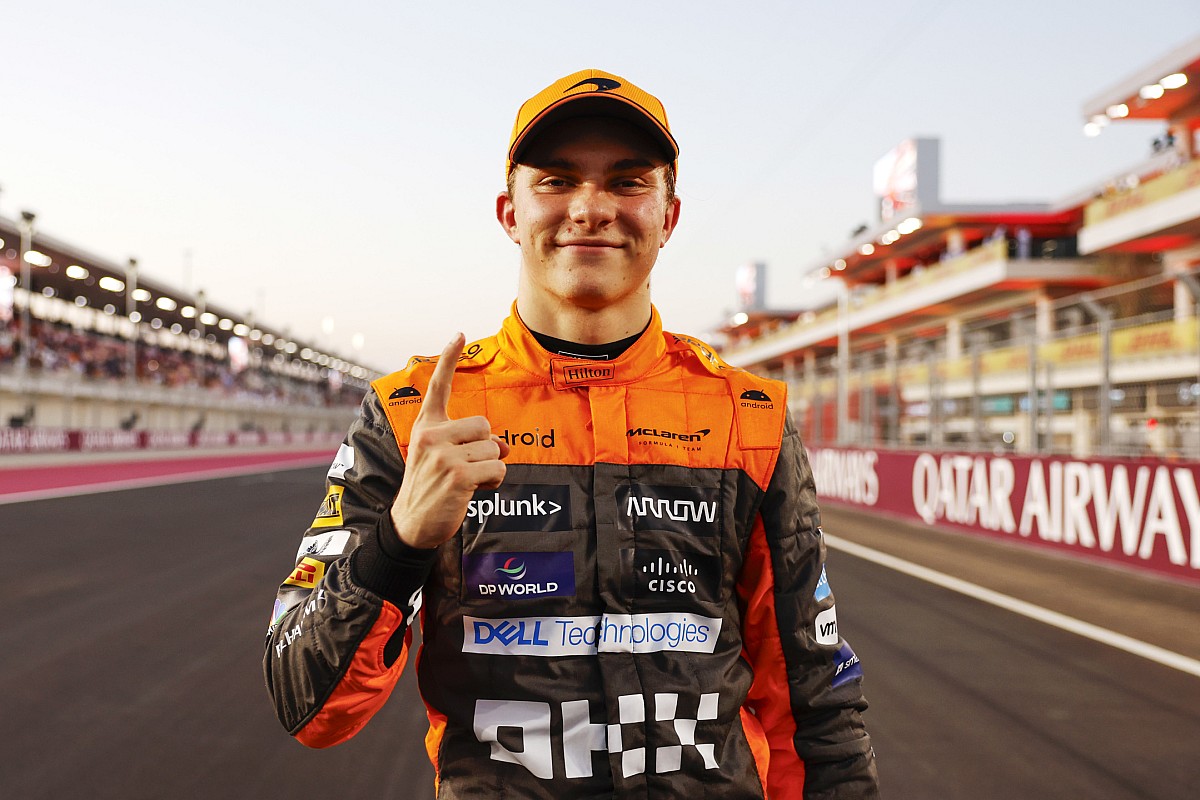
Oscar Piastri, McLaren driver, joked about waiting for confirmation from the FIA that he was actually on pole position after securing the top spot in the sprint qualifying session for the Qatar F1 race. The session was plagued by track limits penalties, with several drivers having their times disallowed. Piastri acknowledged the difficulty of the session but expressed happiness with his performance. The track layout modifications and concerns about potential tire problems added to the challenges faced by the drivers.
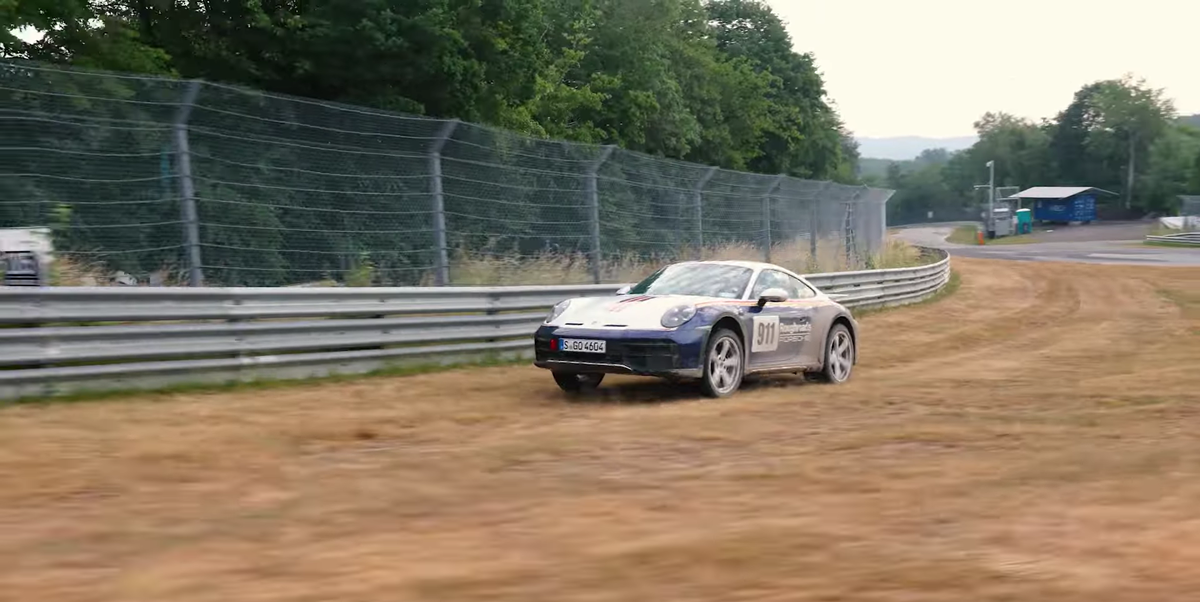
The Porsche 911 Dakar, a car equally suited for both the track surface and off-road areas, completed a lap at the Nürburgring while ignoring some corners. The driver seamlessly transitioned between pavement and grass, achieving a lap time of 7:39.40. Although not representative of the car's normal performance, it demonstrates the speed a professional can achieve in a car designed for professional-level driving. The 911 Dakar's time is comparable to laps by the Lexus LF-A, Porsche Carrera GT, and Bugatti Veyron. The Sport Auto team celebrated by setting up camp on a hill overlooking the circuit using a functional roof tent attached to the car.
Formula 1 drivers are calling for a fix to the track limits issue at the Red Bull Ring after numerous penalties were handed out during last weekend's Austrian Grand Prix. Many drivers expressed frustration with the current rule, which requires them to stay within track limits, and called for a more relaxed approach. The confusion caused by the penalties was also highlighted, with drivers and fans alike struggling to understand the constantly changing positions on the leaderboard. Suggestions for a solution included reviewing the track limits rule, using the outside edge of the kerb as the limit, or reinstating gravel traps.
The Austrian Grand Prix was marred by track limits violations, resulting in a slew of post-race penalties that shuffled the grid. The issue of track limits, particularly at Turn 10, was a major talking point. Suggestions for physical deterrents like walls, gravel traps, and sausage curbs were discussed, but safety concerns and practicality make it challenging to find a perfect solution. The FIA plans to renew efforts to get gravel placed on the outside of certain corners, and there may be discussions to redefine the edge of the track. The FIA will also review race control's handling of the breaches and explore more efficient methods of enforcement. The high number of penalties was unusual, but the FIA was criticized for the delay in handing them out. The incident highlights the need for action to prevent similar situations in the future and maintain the appeal of F1 to new fans.
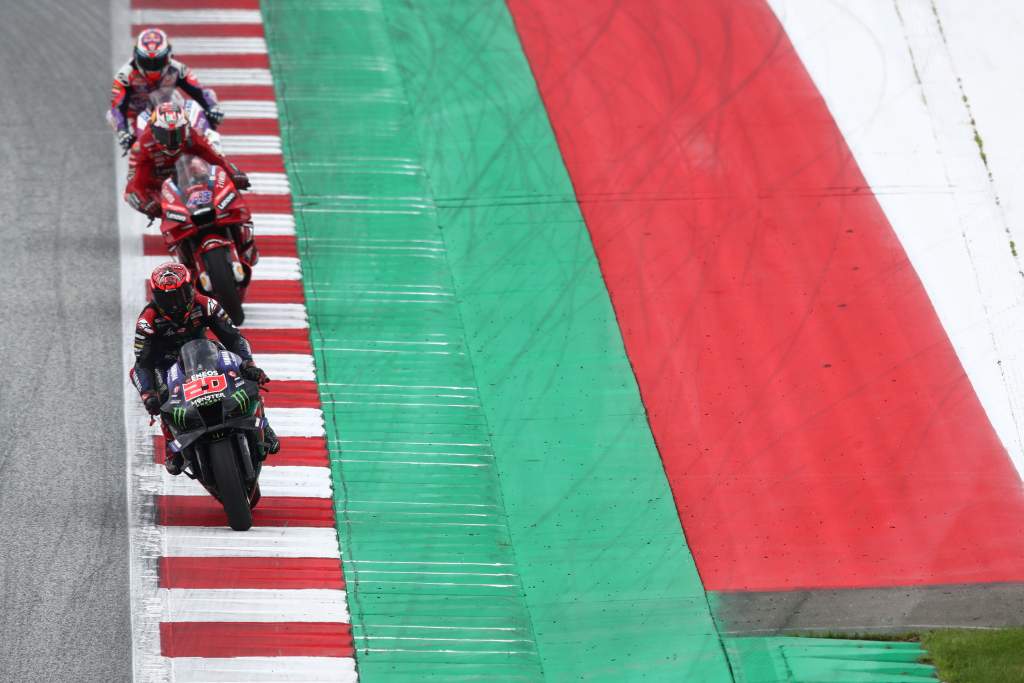
The debate over track limits in Formula 1 has brought MotoGP into the discussion, with some suggesting that F1 should have gravel traps like MotoGP. However, the preference for asphalt run-off areas in F1 is due to the ability for drivers to continue after making mistakes without major disruption. MotoGP has implemented asphalt run-off areas to enhance safety for bikes, as running wide on grass or gravel can lead to violent crashes. While gravel traps are the safest way to slow down crashing bikes, they can also cause chaos and accidents. MotoGP has developed a monitoring system using pressure sensors and offers more lenient penalties compared to F1. F1 could learn from MotoGP's approach to track limits and create a more reactive and fair system of sanctioning drivers for infringements.
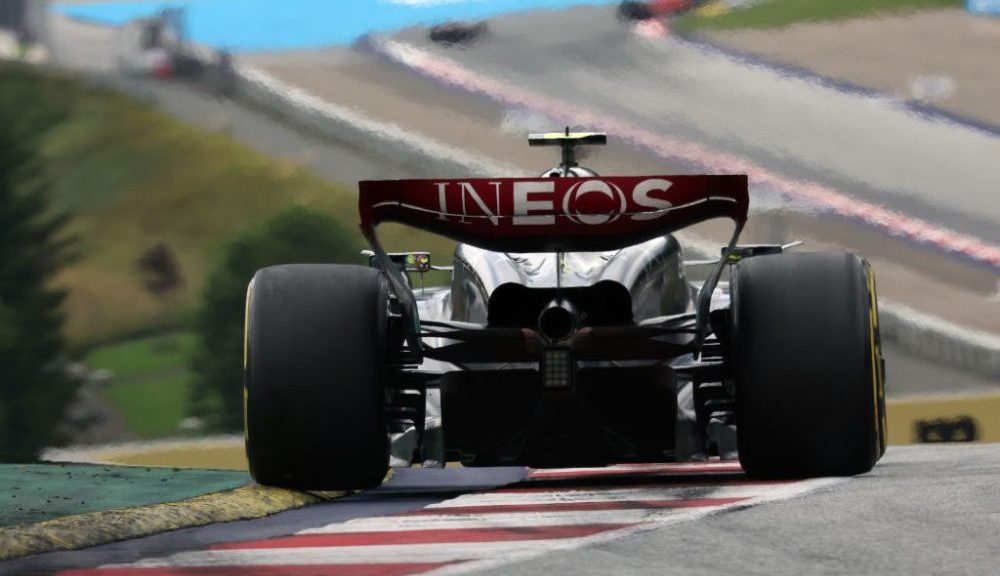
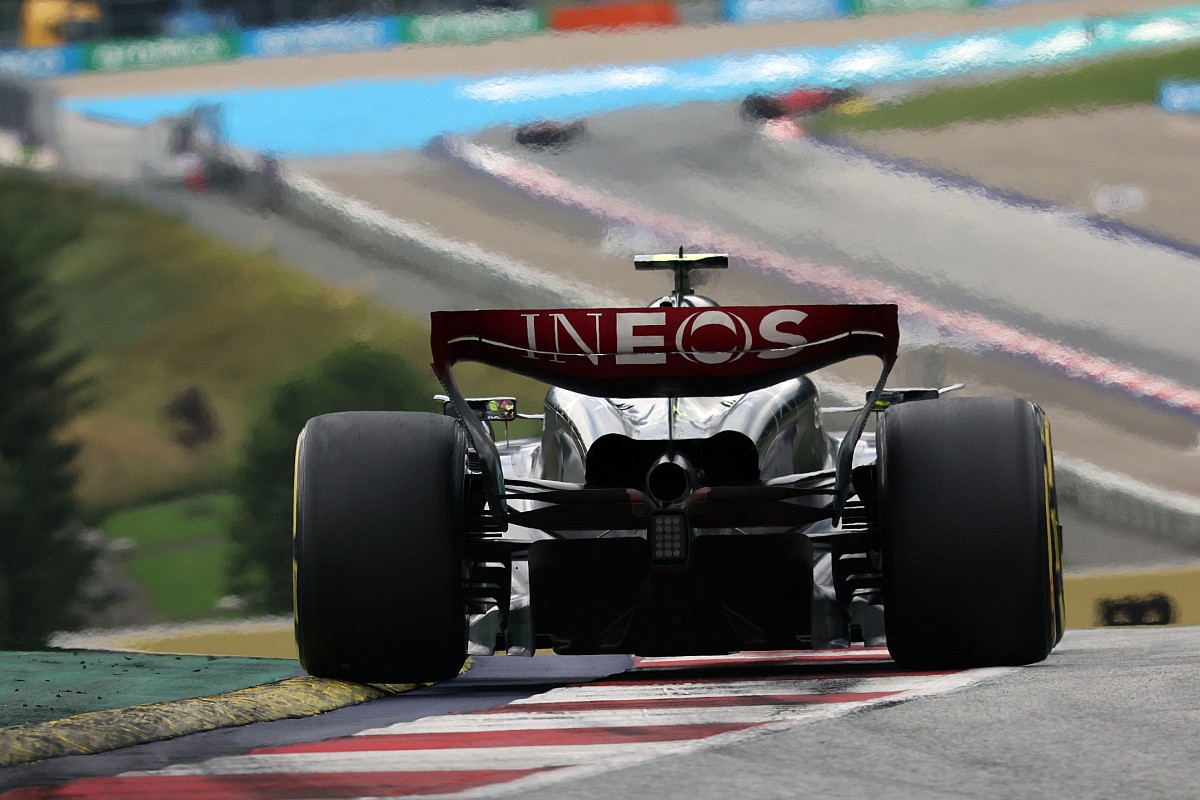
Lewis Hamilton attributes his track limits penalties in the Austrian Grand Prix to a poor setup choice that affected his car's handling. He struggled with the rear end of his Mercedes, resulting in multiple off-track excursions. Hamilton believes the team's decision to remove front wing for a long stint was an overcorrection, but adjustments made during pit stops helped improve the car's performance. He finished eighth after a post-race penalty. Hamilton also calls for the installation of gravel traps at certain turns and expresses frustration with inconsistent enforcement of track limits by the FIA.
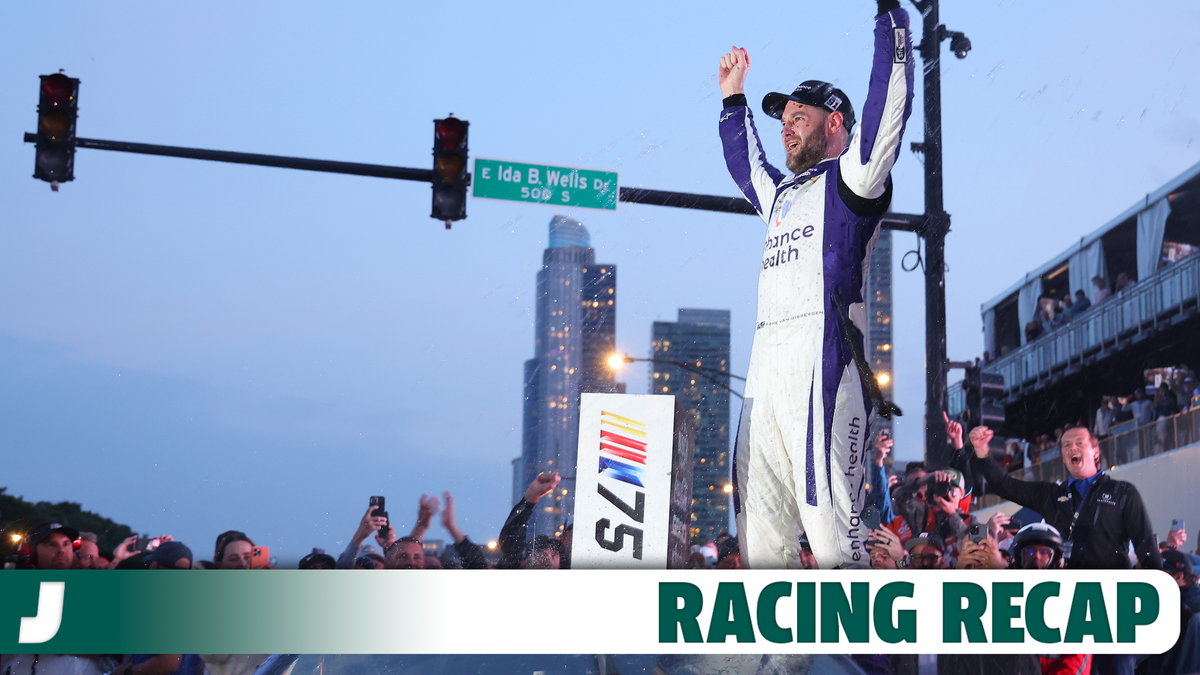
Australian Supercars champion Shane van Gisbergen made history by winning his NASCAR Cup debut at the first-ever street race in downtown Chicago, becoming the first debutant winner in 60 years. However, tragedy struck in Belgium as Dutch teenager Dilano van 't Hoff was killed in a crash during a Formula Regional European Championship race. In Formula One, Max Verstappen secured his fifth consecutive win in Austria, but track limits violations caused controversy. Meanwhile, Alex Palou continued his dominance in IndyCar, winning his fourth race in five rounds at Mid-Ohio.
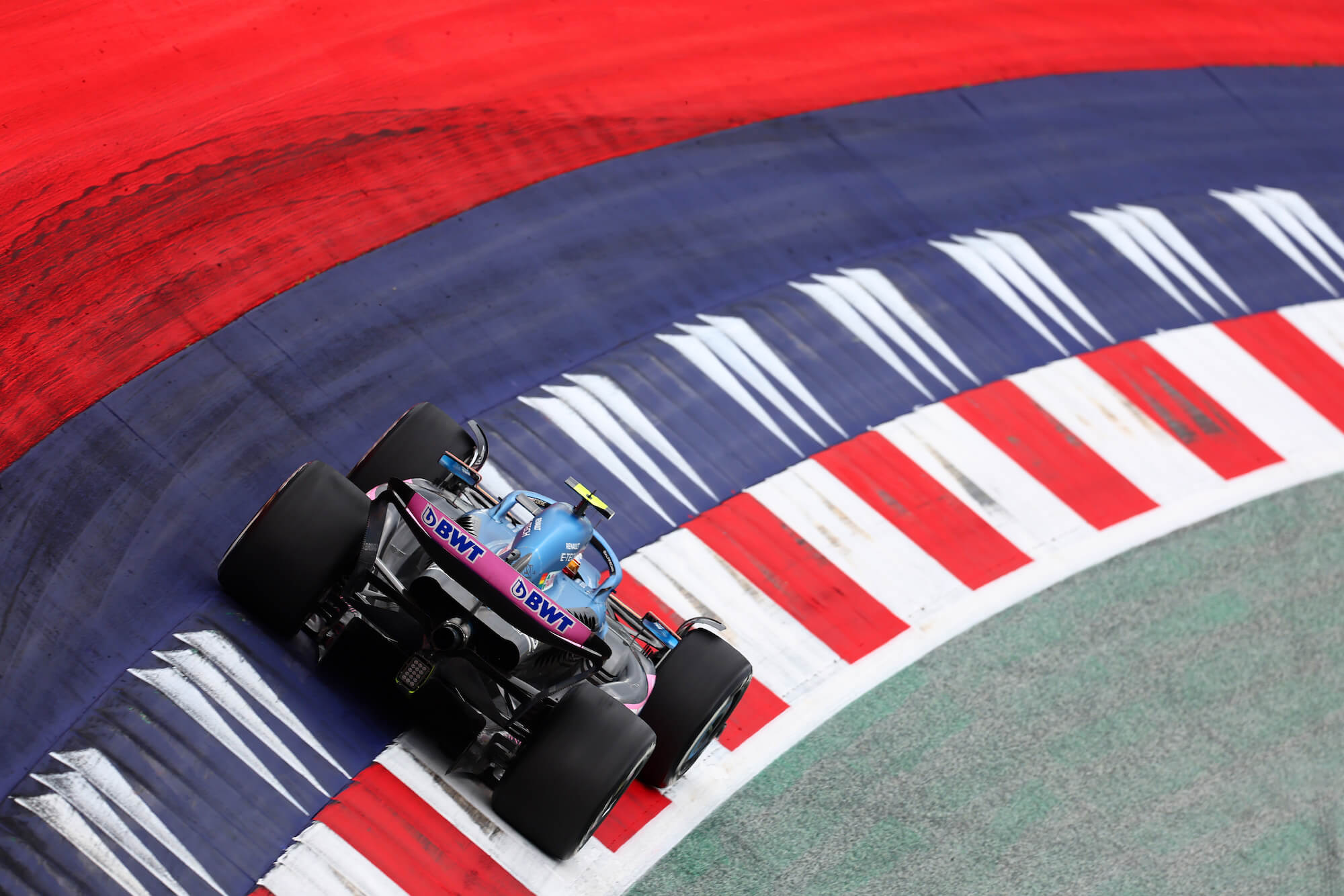
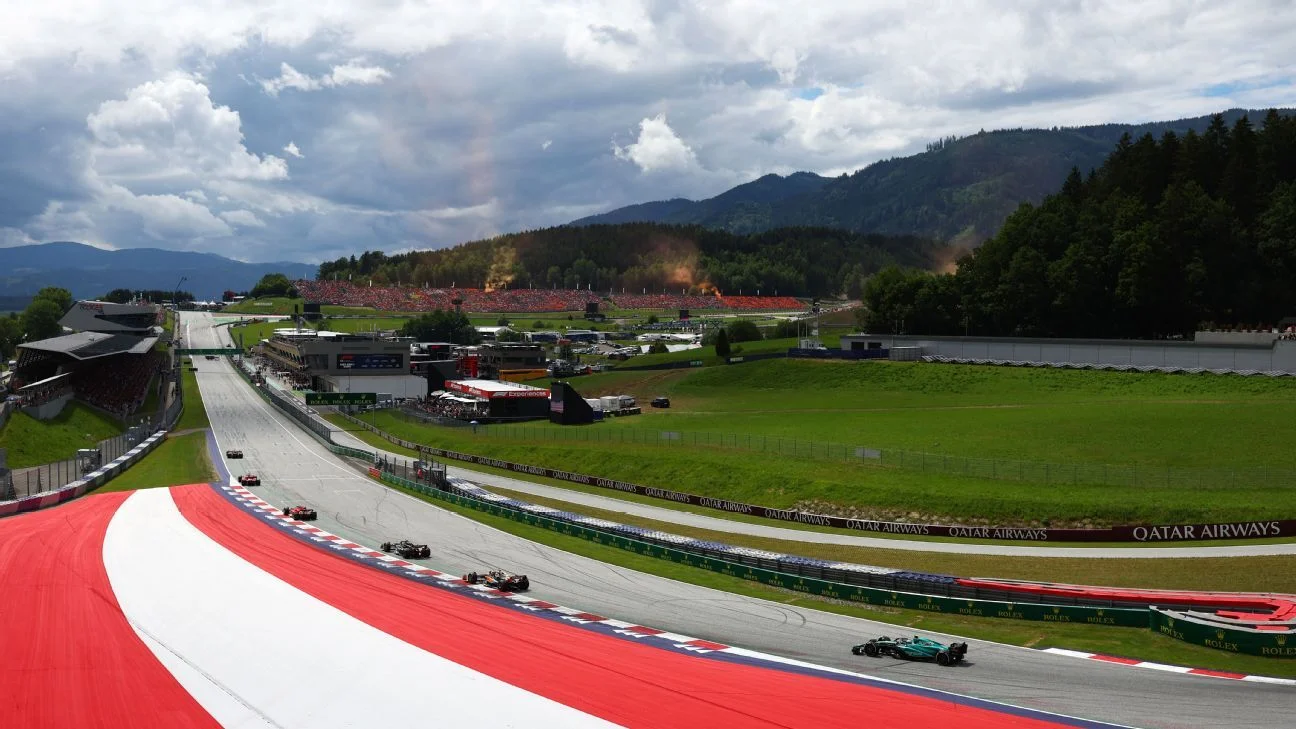
The Austrian Grand Prix saw numerous penalties for drivers exceeding track limits, resulting in deleted lap times and post-race protests. Track limits are defined by the white lines along the edges of the F1 track, and drivers must make every effort to stay within these boundaries. Violations result in penalties, starting with lap time deletions during practices and qualifying, and progressing to warnings and time penalties during the race. The Red Bull Ring circuit's configuration, particularly Turn 10, posed challenges for drivers, leading to frustration and calls for clearer track limits. The FIA has requested the installation of gravel traps to deter drivers from exceeding track limits in the future.
The Austrian Grand Prix saw a controversy over track limits violations, with race control reviewing over 1200 instances of cars exceeding track limits at Turns 9 and 10. After penalties were applied, six drivers were demoted in the final classification. Lewis Hamilton and Esteban Ocon received multiple penalties, with Ocon accumulating the most time penalties. George Russell and Zhou Guanyu were the only drivers to avoid track limits violations. The additional penalties did not affect the championship standings, but an Aston Martin protest resulted in a change in the race result and earned the team five points in the constructors' championship.
Formula One teams are furious with the FIA's retrospective penalties for track-limits violations at the Austrian Grand Prix, which were applied hours after the race. While the penalties did not affect the race winner or podium finishers, they significantly altered the points positions. Teams are frustrated with the situation, calling it "embarrassing" for the sport. The post-race chaos is likely to escalate tensions between F1 and the FIA, as the relationship has been strained in recent seasons. The FIA's system for monitoring track limits is being questioned, as drivers repeatedly exceeded the white lines during the race.
The FIA has handed out 12 penalties for track limit offences following the Formula 1 Austrian GP. Aston Martin launched a protest regarding track limit breaches not being correctly identified and penalized. The FIA revealed that over 1200 reports of violations were unable to be reviewed during the race. As a result of the review, several drivers, including Carlos Sainz and Lewis Hamilton, have received increased penalties, while Esteban Ocon has been hit with a 30-second penalty. The revised classification sees Max Verstappen as the winner, followed by Charles Leclerc and Sergio Perez. Teams have the option to appeal the decisions.
The FIA was unable to review over 1200 potential track limit offenses during the Austrian Grand Prix due to an "unprecedented situation" caused by drivers repeatedly going beyond the track boundaries. Aston Martin has protested the race results, leading to a full review of the track limit infringements. Teams were frustrated by the delayed policing of track limits, which may have affected their ability to warn drivers about penalties. The FIA plans to recommend the installation of gravel traps at Turns 9 and 10 to address the issue in future events.
Max Verstappen criticizes the number of lap times deleted during qualifying for the Austrian Grand Prix due to drivers exceeding track limits, calling it "silly" and making the drivers look like "amateurs." Verstappen himself was caught out in Q1 and dropped to 17th. He blames the difficulty of judging the white lines, the "big" and "heavy" cars, and the zero-tolerance policy on track limits. Verstappen suggests putting gravel next to the kerbs as a solution.
MotoGP riders have agreed that the track limits at Assen are easy to overstep, following Brad Binder's demotion from third to fifth in the sprint race due to a minor infringement. Turn 8 and the last corner are the most challenging spots for track limits, with the fast left-hander at Turn 14 also posing a potential problem. Despite the difficulty, riders must adapt to the track's characteristics. Luca Marini also received a penalty for taking a shortcut at the final chicane.