Lake Maracaibo: From Pristine Waters to Polluted Wasteland
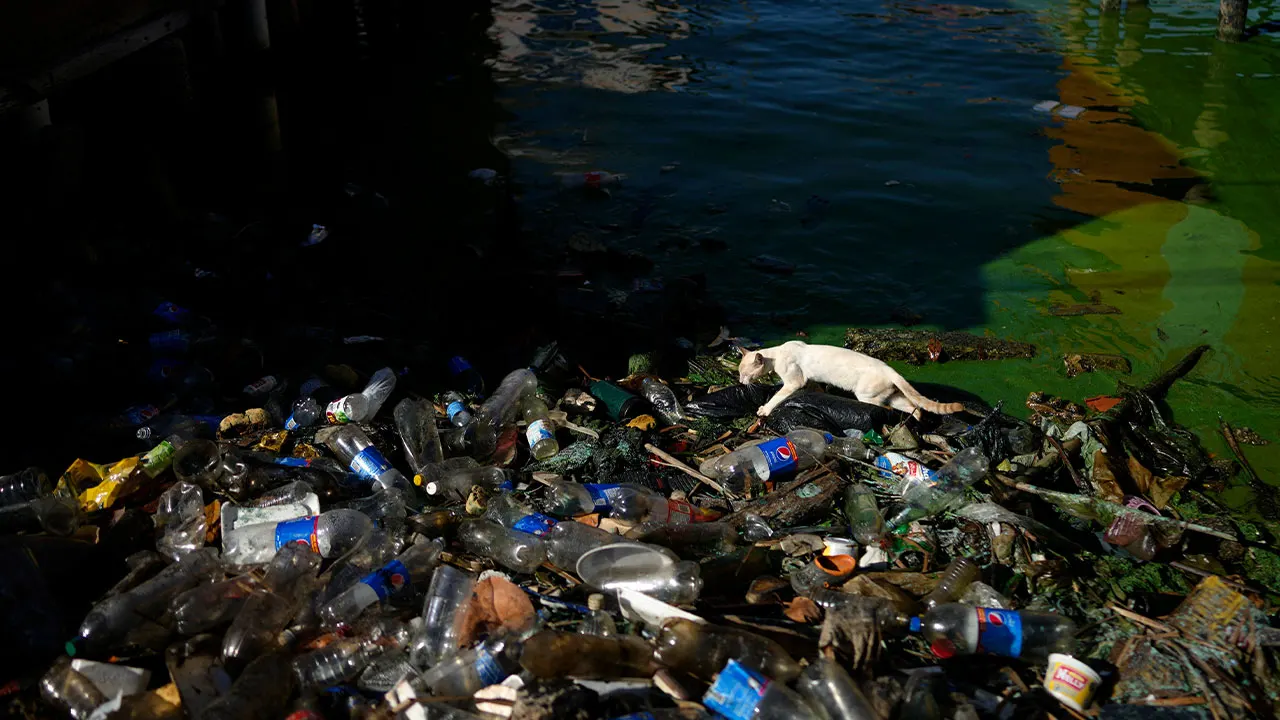
Lake Maracaibo in Venezuela, the largest lake in the world, has become a polluted wasteland due to decades of excessive oil exploitation, poor infrastructure maintenance, and a lack of waste treatment plants. The lake is now plagued by toxic microalgae, sewage, and chemicals, threatening both human and aquatic life. Fishermen are struggling to catch minimal amounts of shrimp and other aquatic stock, and the lake's ecosystem has been severely degraded. The pollution is a result of oil leaks, system failures, and the discharge of fertilizers and sewage into the lake. Environmentalists warn that without significant intervention, the lake's condition will continue to deteriorate.