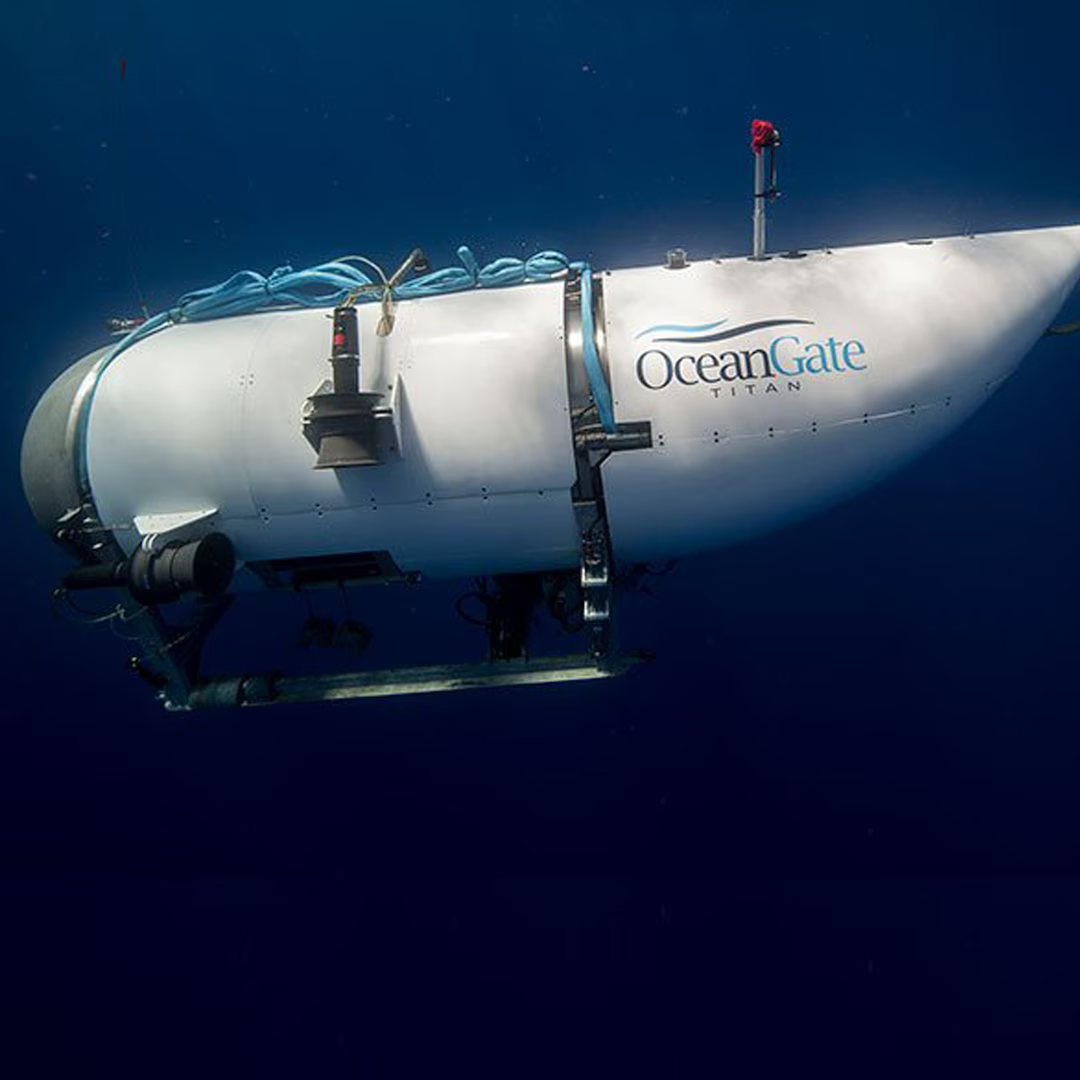
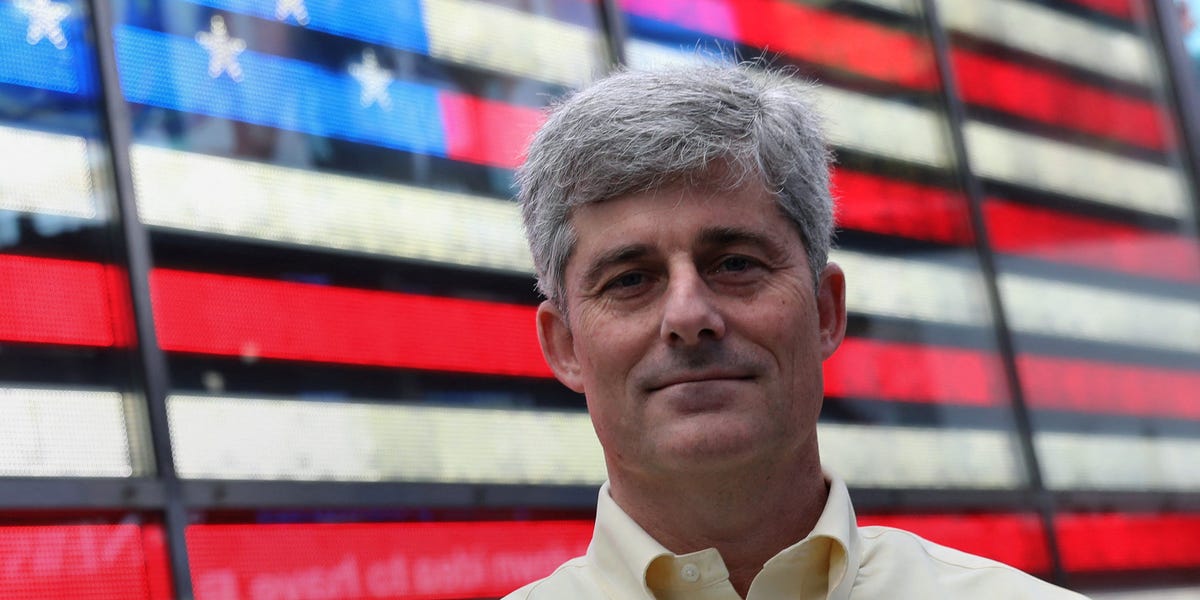
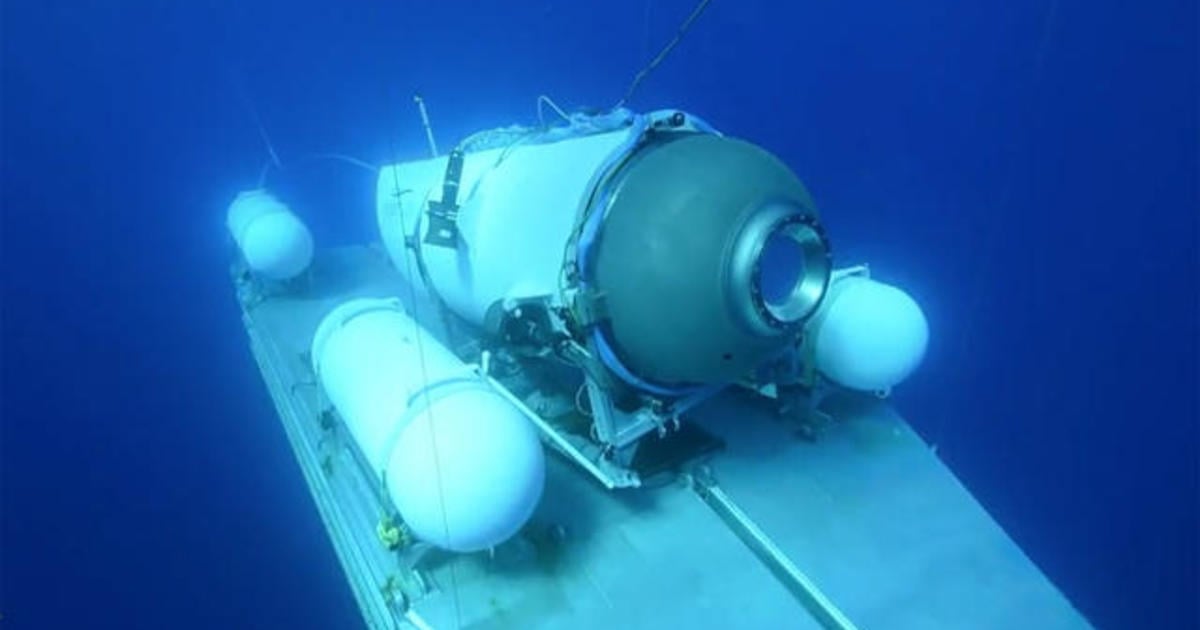
The US Coast Guard's report on the 2023 Titan sub implosion criticizes OceanGate CEO Stockton Rush for a toxic work environment, unsafe practices, and neglect of safety protocols, which contributed to the catastrophic failure that crushed five occupants during a dive to the Titanic wreckage.
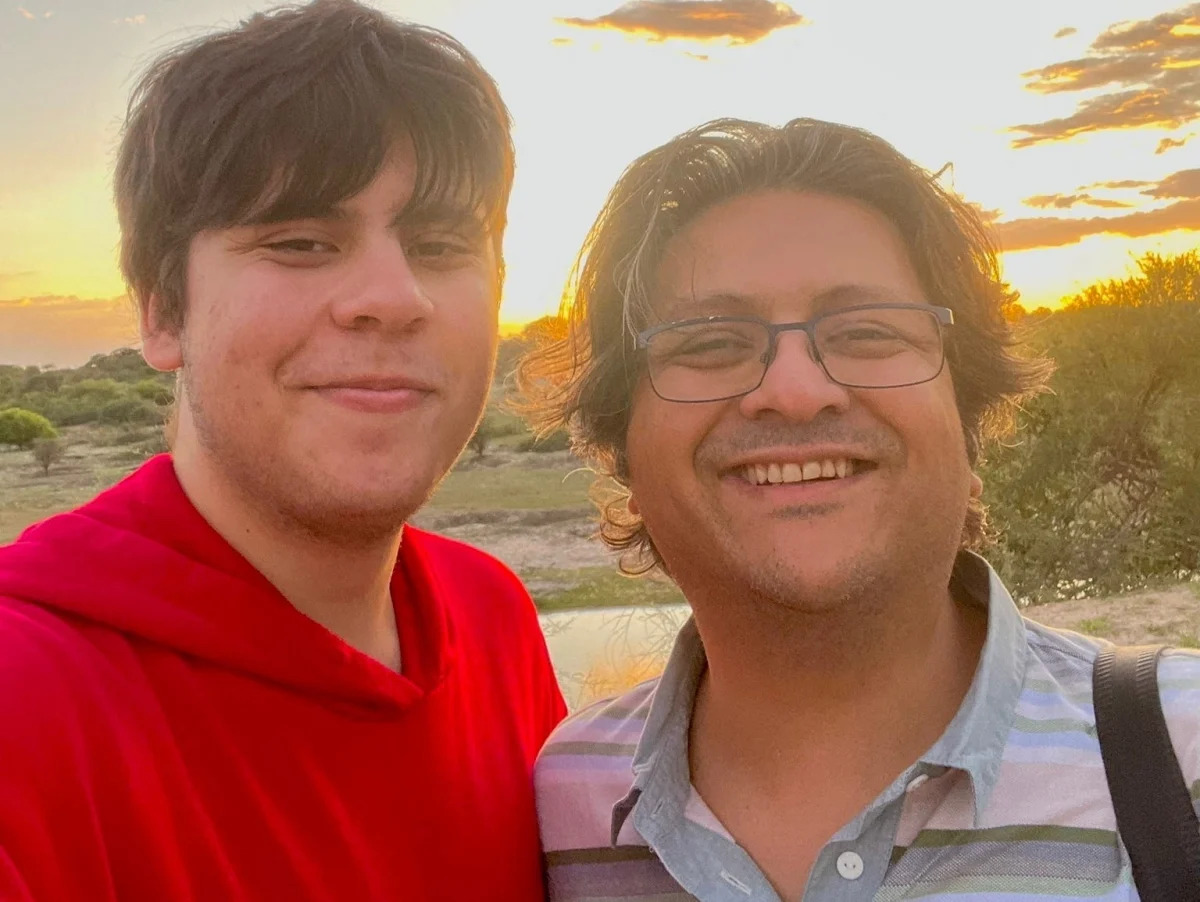
A new documentary clip sheds light on the Titan submersible tragedy, featuring banging sounds heard during the search for the submersible that ultimately fostered hope of finding its five passengers alive. The documentary, set to air on Britain's Channel 5, chronicles the disappearance of the submersible in the North Atlantic Ocean, the rescue mission, and reflections from experts. The victims included Pakistani-born businessman Shahzada Dawood and his 19-year-old son Suleman Dawood, as well as OceanGate CEO Stockton Rush, British billionaire Hamish Harding, and French explorer Paul-Henri Nargeolet. The tragedy occurred during a voyage to explore the wreckage of the RMS Titanic, with the search concluding that all passengers were presumed dead after the submersible suffered a catastrophic implosion.
American authorities are reportedly considering filing criminal manslaughter charges in relation to the doomed Titan sub, which imploded in June during a dive to the wreck of the Titanic in the North Atlantic, resulting in the deaths of all five passengers on board. The investigation is said to be focusing on those aboard the support vessel, Polar Prince, as well as current and former OceanGate staff, and individuals in the underwater exploration community who repeatedly warned about the sub's safety.
Karl Stanley, a friend of OceanGate CEO Stockton Rush, claimed that Rush knowingly designed a dangerous submersible called the Titan as a "mousetrap for billionaires." Stanley warned Rush about potential issues with the carbon fiber hull, but Rush dismissed his concerns. The Titan ultimately imploded during a trip to the RMS Titanic wreckage, resulting in the deaths of five people, including Rush. Investigations are ongoing to determine the cause of the implosion.
OceanGate, the company that owned and operated the submersible that imploded with five people on board, has suspended all exploration and commercial operations. The Coast Guard, along with authorities from Canada, France, and the United Kingdom, are investigating the cause of the deadly implosion. OceanGate had been warned of potential safety problems for years, and an employee who raised concerns was fired. The company charged $250,000 per person for the Titanic voyage and had touted its innovative technology.
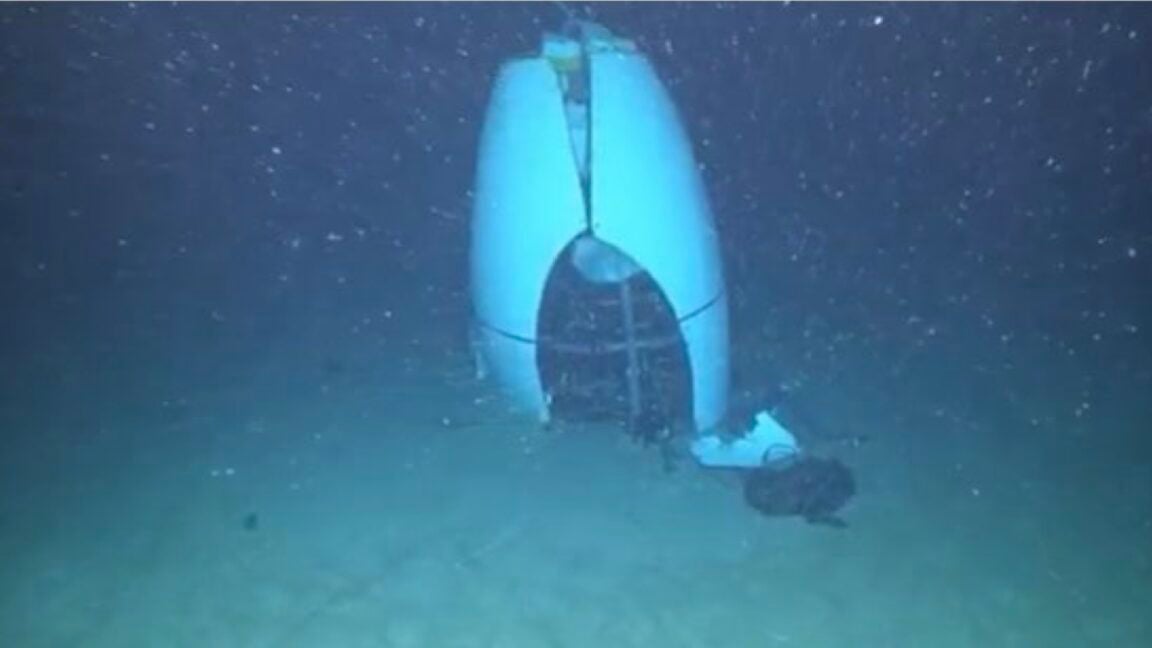
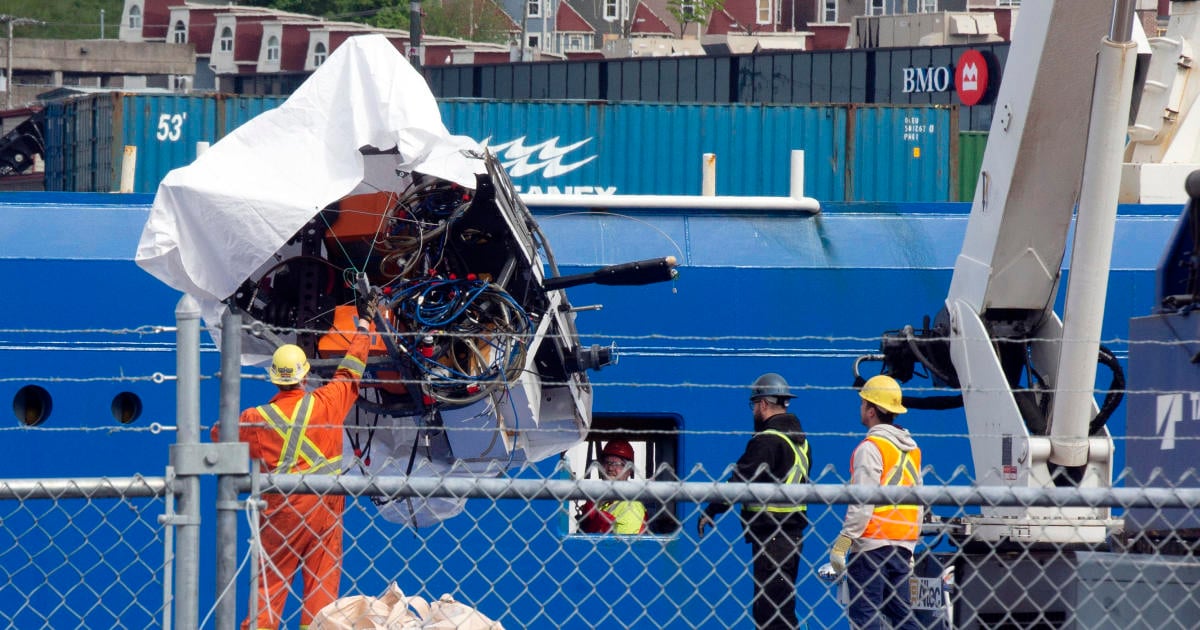
Experts have discovered larger fragments of the imploded Titan sub than expected, which is likely to facilitate an easier investigation into the tragedy. The retrieval of these larger parts defied expectations and provides more "pieces to the puzzle" for understanding the implosion. However, the investigation is still expected to be challenging and could take a year or more. Examining the wiring and plumbing may help identify stress points, but the recovery of all pieces and determining the specific damage caused remains uncertain. The National Transportation Safety Board plans to issue a final report in 12 to 24 months.
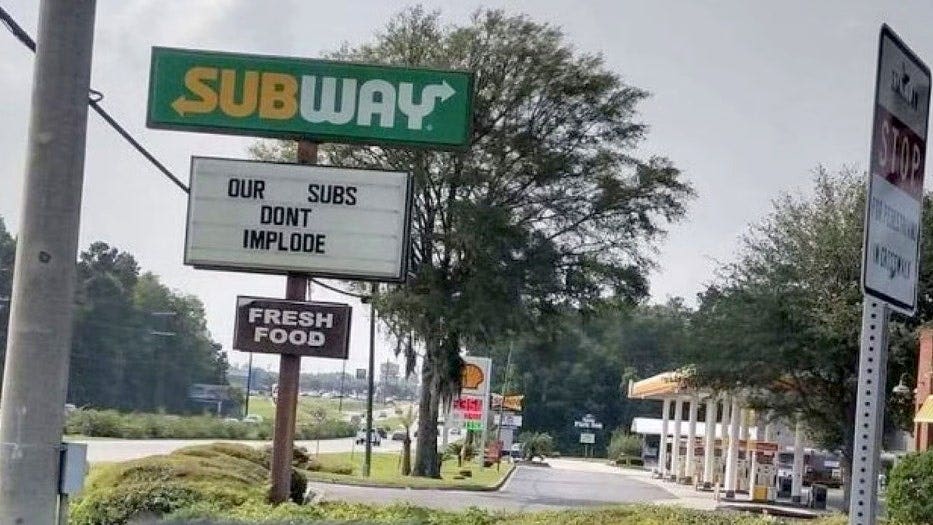
Subway faced backlash after a sign at a Georgia store appeared to mock the implosion of the Titan submersible, which resulted in the deaths of five people. The sign, which read "Our subs don't implode," has since been removed. Subway stated that such comments have no place in their business and that they have addressed the matter with the franchise. Social media users criticized the sign as distasteful and questioned Subway's judgment.
OceanGate reportedly informed Christine Dawood, whose husband and son died on the Titan sub, that communication with the sub was often patchy. Dawood said she was looking out on the ocean in case the sub resurfaced after losing contact. OceanGate waived a rule to allow her 17-year-old daughter on the mothership. The Titan sub imploded during an expedition to the Titanic's wreckage, resulting in the deaths of five passengers. The Transportation Safety Board of Canada is investigating the incident.
OceanGate reportedly informed Christine Dawood, whose husband and son died on the Titan sub, that communication with the sub was often patchy. Dawood said she was looking out on the ocean in case the sub resurfaced after losing contact. OceanGate waived a rule to allow her 17-year-old daughter on the mothership. The Titan sub imploded during an expedition to the Titanic's wreckage, resulting in the deaths of five passengers. The Transportation Safety Board of Canada is investigating the incident.
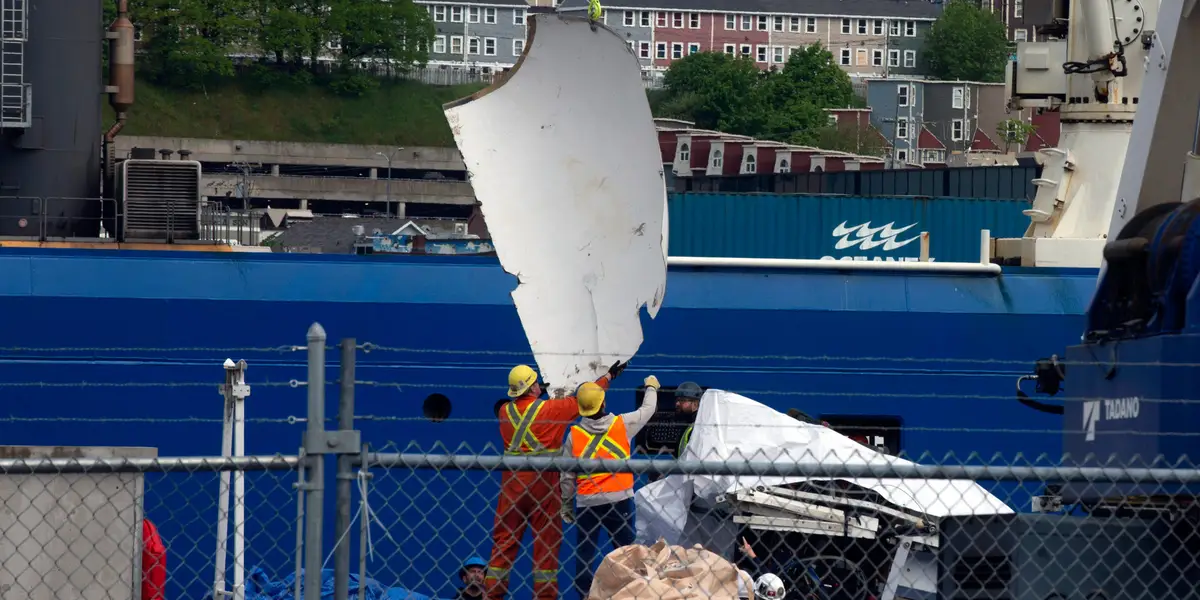
Debris from the Titan submersible, which imploded while carrying five people to the wreckage of the Titanic, has been recovered and transported to land. Photos show crews unloading large pieces of the submersible in Newfoundland. The U.S. Coast Guard announced that "presumed human remains" recovered from the wreckage would undergo analysis, and evidence from the sea floor would be transported to a U.S. port for further investigation. The investigation, involving multiple international jurisdictions, aims to determine the cause of the tragedy and prevent similar incidents in the future.
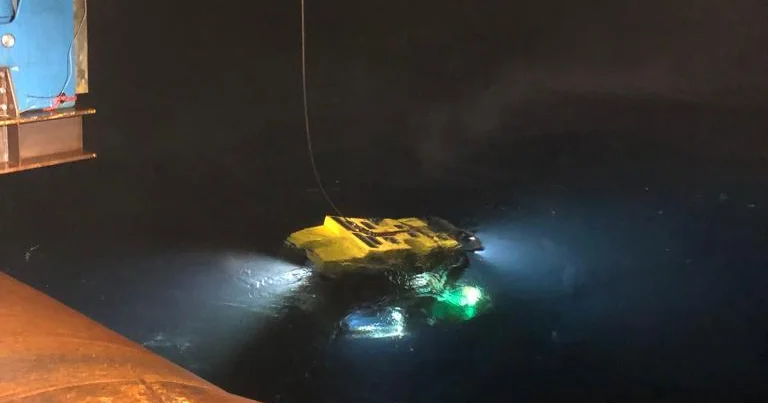
A deep-sea robot called Odysseus 6K is being used in the recovery efforts of the Titan submersible, which imploded while attempting to explore the wreckage of the Titanic. The U.S. Coast Guard has launched an investigation into the loss of the Titan sub and will collect evidence by salvaging debris. The investigation will examine potential misconduct, incompetence, negligence, unskillfulness, or willful violation of law by OceanGate, the company that owned the Titan sub, and by the Coast Guard.
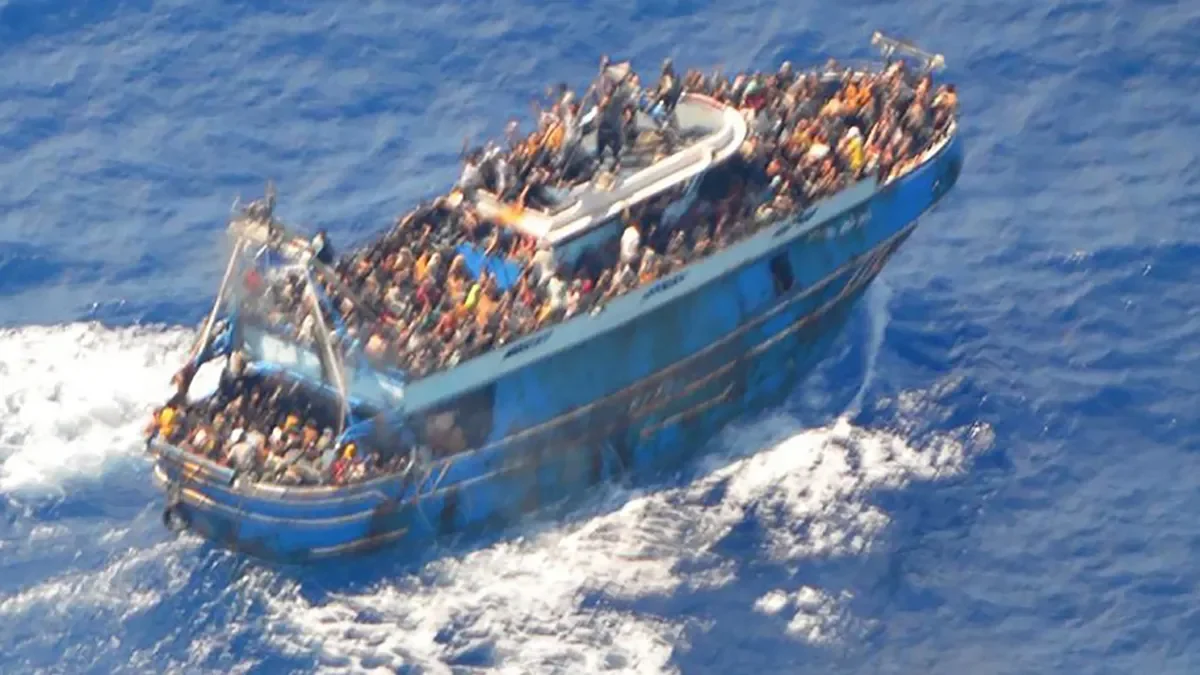
The search for the missing Titan submersible carrying five passengers to the wreck of the Titanic has garnered global attention and a massive search effort, while the recent tragedy off the coast of Greece, in which a boat carrying between 400 and 750 migrants capsized, has received less media coverage and a criticized response. Many on social media are calling out the disproportionate response and lack of empathy for the migrants, attributing it to the difference in people on both vessels.