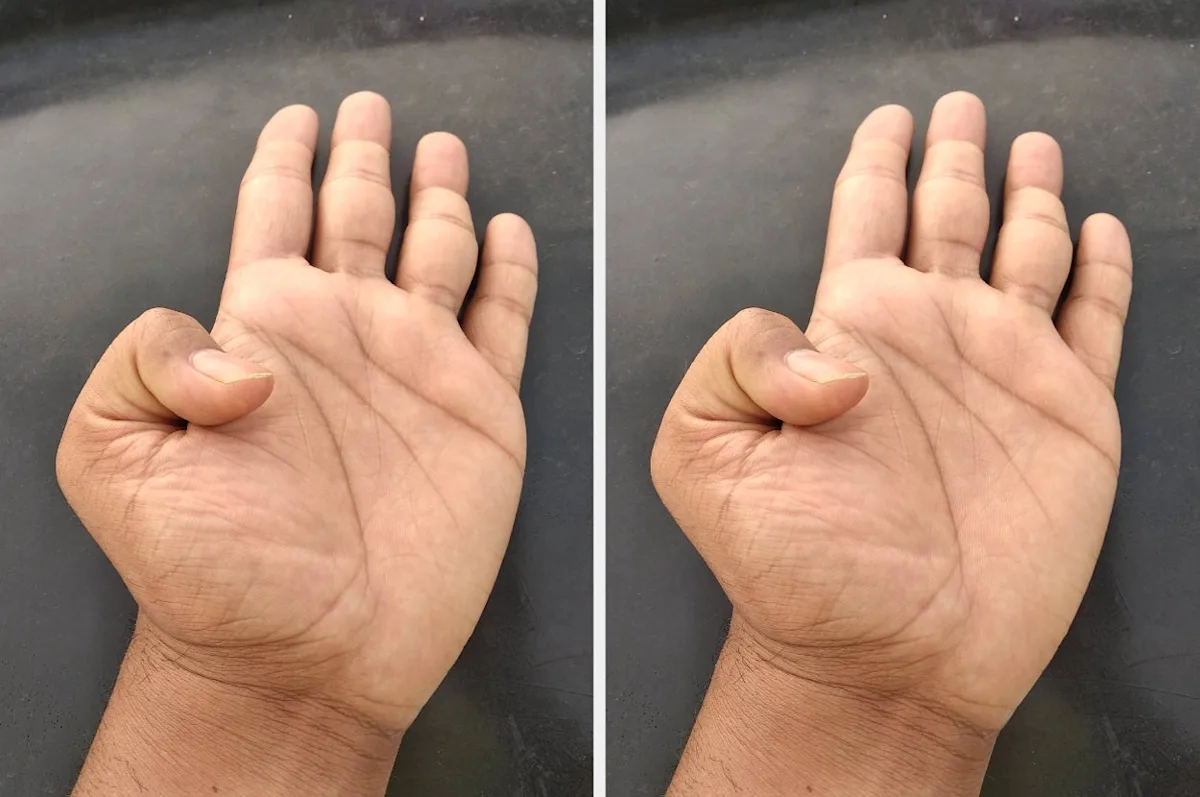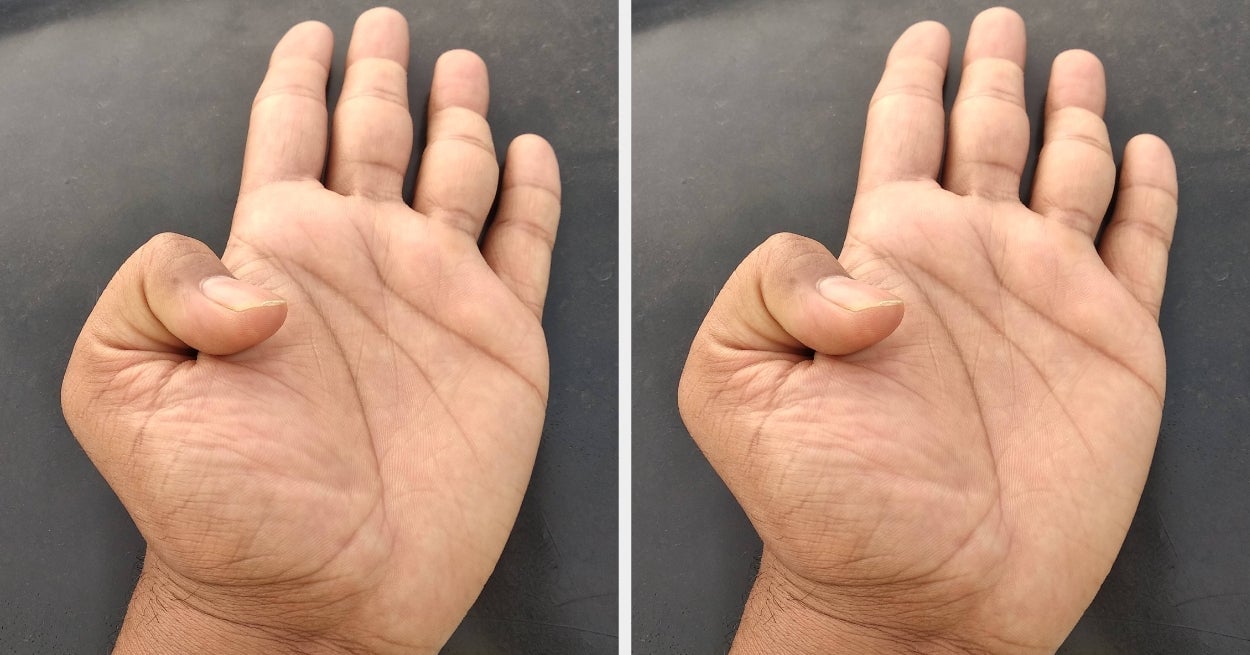
The thumb test is a simple at-home check that may indicate increased risk for connective tissue disorders linked to aneurysms, but it is not a reliable diagnostic tool. Medical imaging remains the standard for detecting aneurysms, and individuals with positive results should consult healthcare professionals for further evaluation.
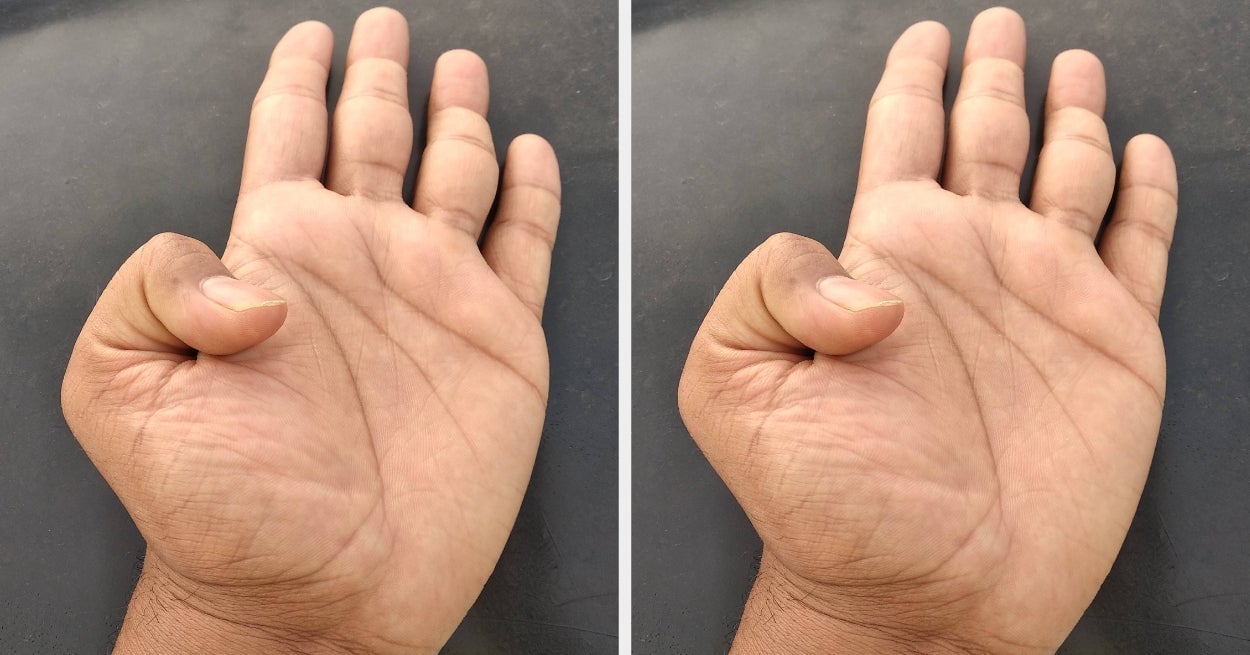
The thumb test is a simple at-home check that may indicate increased risk for connective tissue disorders linked to aneurysms, but it is not a reliable diagnostic tool for heart or aneurysm issues; proper diagnosis requires medical imaging and evaluation.
The thumb test is a simple at-home check that can indicate potential risk for connective tissue disorders linked to aneurysms, but it is not a reliable diagnostic tool for heart problems. A positive result suggests the need for further medical evaluation, including imaging tests, especially if other risk factors are present.
An emergency doctor in California shares a simple thumb test that can help identify the risk of aortic aneurysm, a potentially fatal heart condition, by assessing the stretchiness of connective tissues, which may indicate underlying vascular issues. The test involves stretching the thumb across the palm to see if it extends past the hand, with a positive result suggesting the need for medical evaluation, especially for those with connective tissue disorders like Marfan syndrome or Ehlers-Danlos syndrome.