Bob Dylan describes Willie Nelson in poetic terms in a new profile, highlighting his legendary status, kindness, and connection to nature, emphasizing Nelson's unique and enduring influence in country music and beyond.
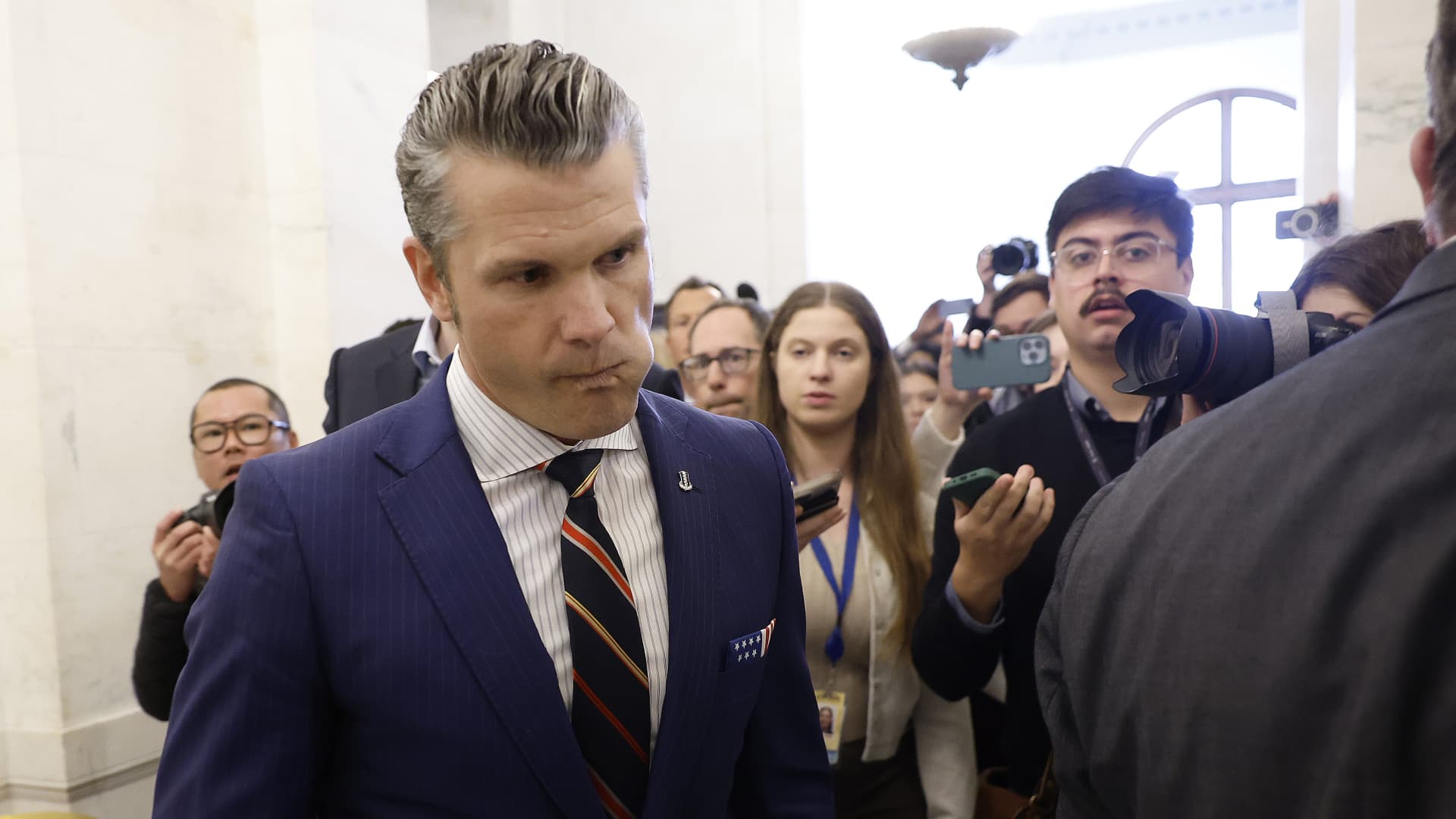
Pete Hegseth, Donald Trump's nominee for Secretary of Defense, is facing allegations of alcohol abuse, sexual impropriety, and mismanagement during his tenure at veterans' non-profits, as reported by The New Yorker. The report, based on a whistleblower complaint, claims Hegseth was often drunk at events and engaged in inappropriate behavior with female staff. Hegseth, who was previously investigated for an alleged sexual assault in 2017, denies the claims, and his attorney has dismissed the report as baseless.
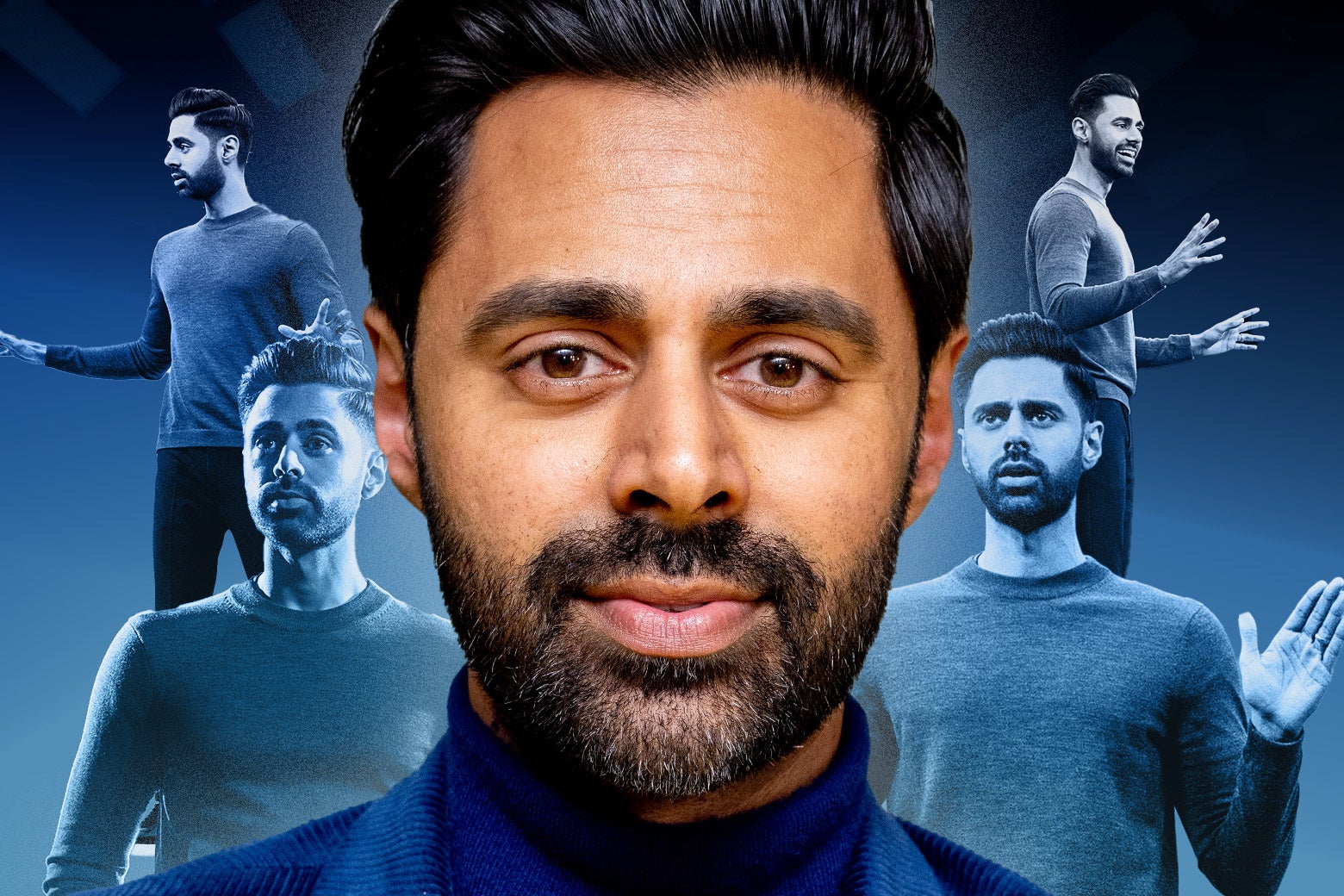
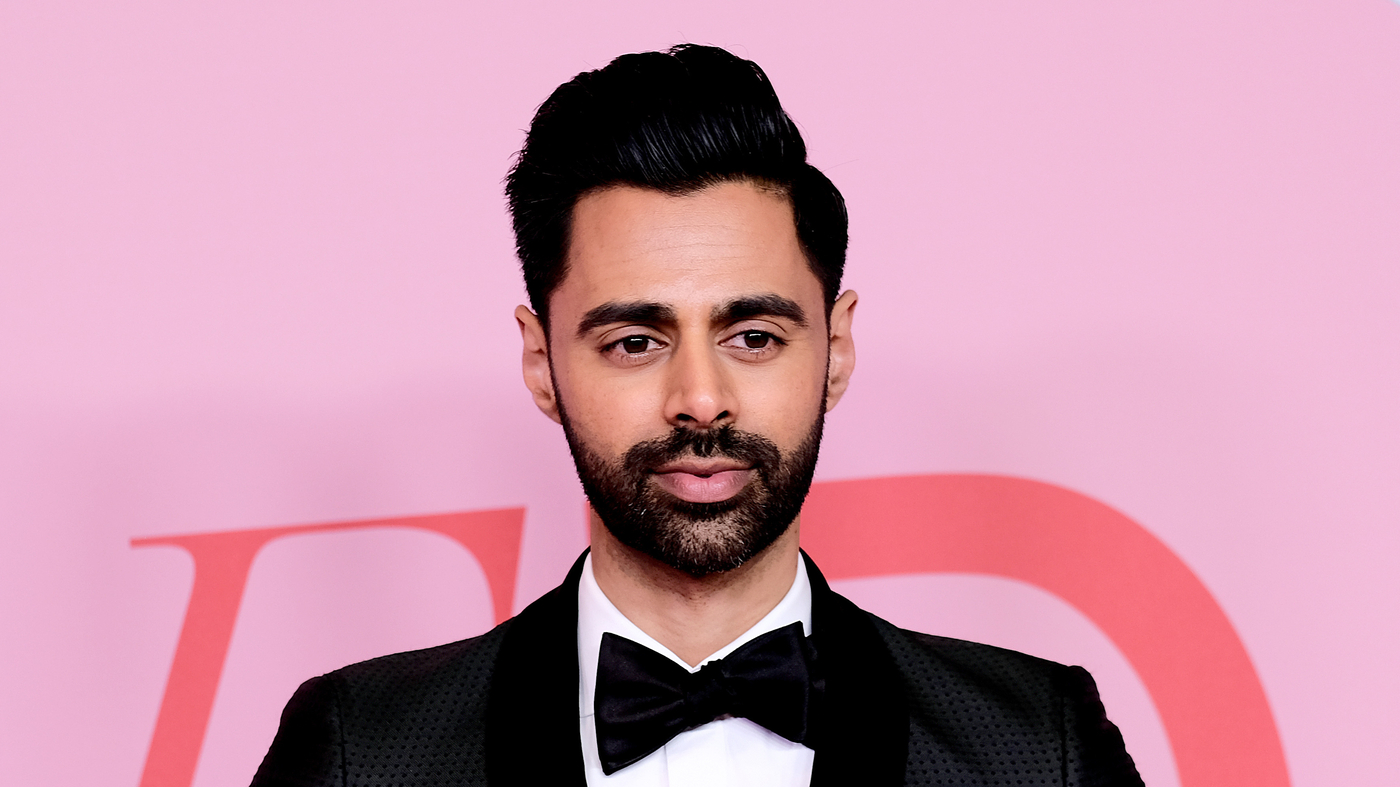
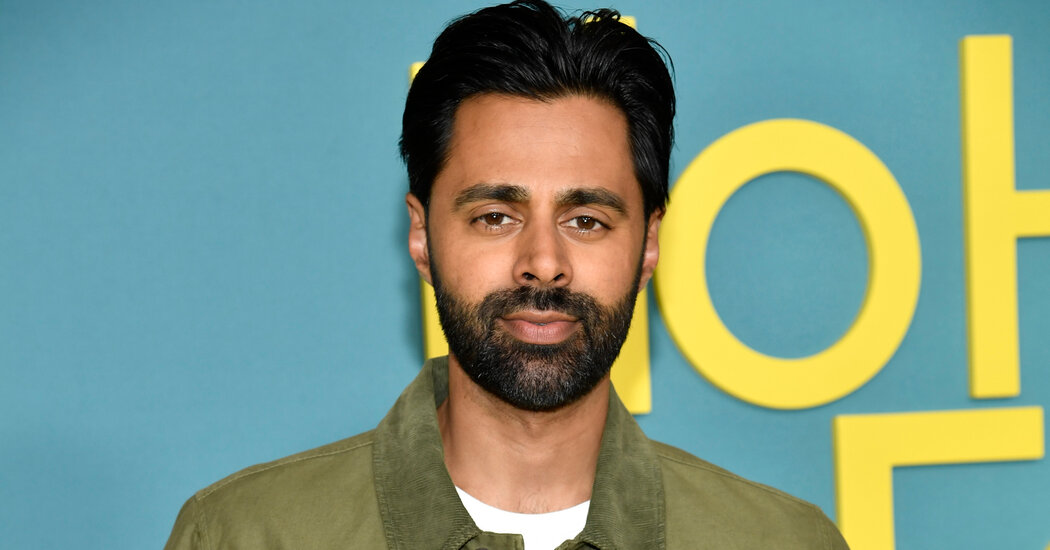
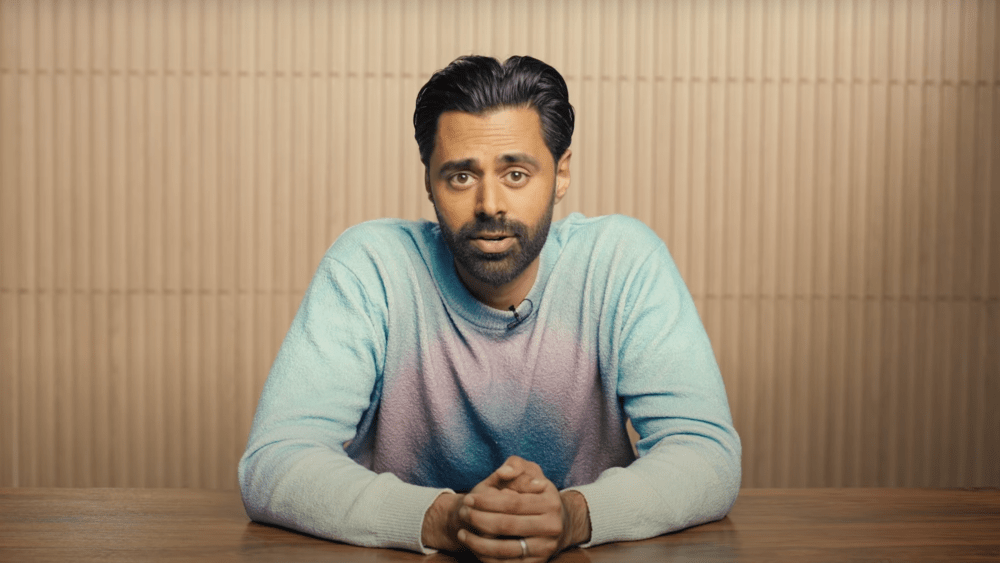
Comedian Hasan Minhaj has responded to the New Yorker article that exposed alleged fabrications in his stand-up specials. In a 21-minute YouTube video, Minhaj refutes some of the claims made in the article, including a story about his prom rejection and an encounter with an FBI informant. While some details of the prom story are disputed, Minhaj provides evidence to support his version of events. The New Yorker stands by its article, but Minhaj has gained support from fans who believe him. The controversy is ongoing, and it remains to be seen how both parties will move forward.
Comedian Hasan Minhaj has released a 21-minute video rebutting a critical article about him published by The New Yorker. Minhaj addresses accusations of exaggerating elements in his standup comedy specials and denies making up or exaggerating racism in his life. The New Yorker stands by their story, stating that they carefully reported and fact-checked it. The video and article raise questions about the accuracy required from comics who tell true stories about racism and social issues. Minhaj apologizes for some exaggerations but maintains that he did not invent his personal experiences with racism.
Comedian Hasan Minhaj has released a 21-minute video addressing a New Yorker article that exposed fabrications in his personal storytelling during his stand-up specials. Minhaj apologized to those who felt betrayed and defended his use of fictionalized anecdotes to highlight issues of racism and threats. One specific anecdote about his high school prom was debunked by The New Yorker, but Minhaj maintained that the girl's mother did make a similar comment.
Comedian Hasan Minhaj has responded to The New Yorker's article accusing him of embellishing some of his stand-up routines in a 20-minute video, calling the exposé "needlessly misleading." Minhaj apologized to anyone who felt betrayed or hurt by his stand-up, explaining that he made artistic choices to express himself and address larger issues affecting his community. He provided evidence to support the basic events of his stories and criticized The New Yorker for cherry-picking quotes and not fact-checking other comedians' specials. The New Yorker stands by its story, stating that it was carefully reported and fact-checked.
Comedian Hasan Minhaj admitted to fabricating details in his past stand-up specials, including stories about his daughter's anthrax exposure and an FBI informant infiltrating his family's mosque. Minhaj stated that his stories are based on "emotional truth" and that the fictionalized premises are worth the punchline. He defended his approach, comparing it to a haunted house ride where the point is the entertainment. The revelations came to light in a profile published by The New Yorker.
Elon Musk's father, Errol Musk, expressed fears that his billionaire son could be assassinated, criticizing a recent article in The New Yorker as a "hit job." The article explored Elon Musk's influence on government decisions regarding the war in Ukraine and raised concerns about his conversation with Vladimir Putin. Errol Musk referred to it as a "shadow government-sponsored opening salvo" and expressed concerns about a potential assassination attempt. Elon Musk has previously spoken about his security concerns, including his private jet being tracked and incidents involving stalkers.
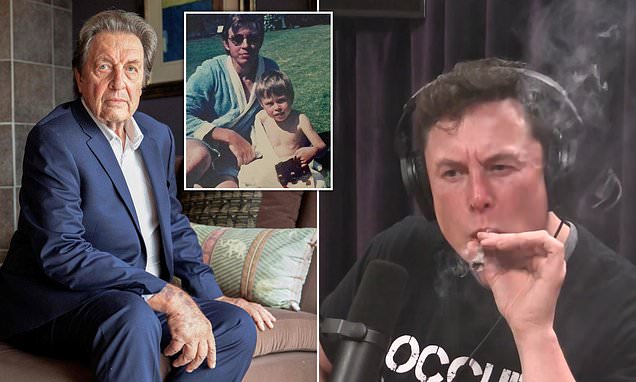
Elon Musk's father, Errol Musk, has criticized a report by The New Yorker that alleges his son is using drugs to cope with stress and mental health issues. Errol Musk called the report "utter BS" and filled with "blatant inaccuracies." The article suggests that Elon Musk's erratic behavior is linked to self-medication, including the use of Ambien and ketamine. Errol Musk defended his son, stating that the claims are baseless and that Elon only smoked marijuana on Joe Rogan's podcast to avoid appearing prudish. Elon Musk himself criticized the report and its author, Ronan Farrow.
Elon Musk's father, Errol Musk, has responded to claims made in a recent article by The New Yorker that the Tesla CEO is on drugs and has mental health issues. Errol Musk called the article a "hit job" and stated that the claims were "blatantly inaccurate." He defended his son, denying any drug use or mental health issues within their family. The article had linked Musk's behavior to self-medication with drugs like ketamine and Ambien. Errol Musk believes the claims are part of a broader attack on Elon's business interests.
Investment firm Tiger Global Management has informed its limited partners that it has been targeted in a series of misinformation attacks by a former employee. The firm responded to a document containing unsubstantiated allegations about the investment firm, allegedly a draft article by The New Yorker magazine, which has been circulating in venture capitalist, hedge fund, and media circles. Tiger Global stated that the document was written by a disgruntled former employee with whom they recently parted ways and that the attacks are filled with lies. The firm has engaged experts to help respond to the allegations. Tiger Global manages approximately $50 billion in assets.
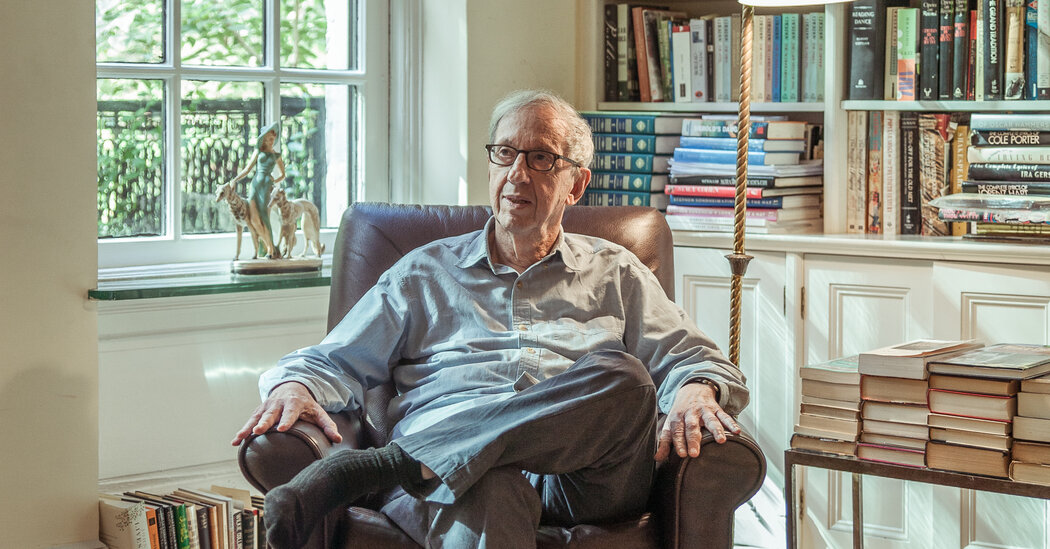
Robert Gottlieb, an esteemed editor at Simon & Schuster, Alfred A. Knopf, and The New Yorker, has passed away at the age of 92. He edited works by a plethora of acclaimed writers, including John le Carré, Toni Morrison, and Joseph Heller. Gottlieb was known for his incisive yet sensitive editing style, which won him a loyal following of authors. He became the president of Knopf and the editor-in-chief of The New Yorker, where he made few changes over five years. After his time at The New Yorker, he resumed editing for Knopf and wrote several books, including a memoir titled "Avid Reader: A Life."
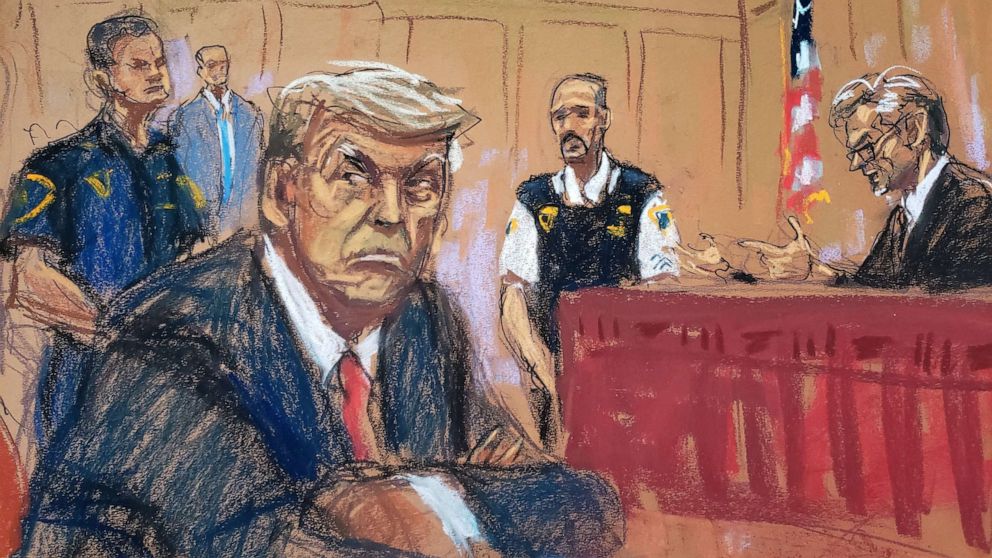
Jane Rosenberg, a courtroom sketch artist, drew former President Donald Trump during his arraignment in Manhattan on 34 charges of falsifying business records. Rosenberg's sketch of Trump will be featured on the cover of The New Yorker's April 17 issue, marking the first time a courtroom sketch has been featured on the magazine's cover. Rosenberg has sketched famous witnesses and defendants such as John Gotti, Ghislaine Maxwell, and Tom Brady. She has sold the rights to use the sketches to multiple outlets, including ABC News, but has no plans to sell the physical Trump sketches.