South Florida call centers are linked to a multi-billion dollar Medicare fraud scheme, targeting Medicare recipients with unnecessary genetic testing. Telemarketers use illegally obtained personal data to convince beneficiaries to take the tests, which are then billed to Medicare for exorbitant amounts. The scheme involves call centers in South Florida, with one case involving over $67 million in false claims. Despite efforts by federal investigators, limited resources and funding hinder the crackdown on such fraudulent activities.

The Consumer Financial Protection Bureau (CFPB) has reached a proposed settlement with a group of corporate entities, including Lexington Law and CreditRepair.com, for illegally collecting advance fees for credit repair services through telemarketing. The settlement, if approved, would impose a $2.7 billion judgment against the companies and ban them from telemarketing credit repair services for 10 years. The companies are accused of using fake real estate and rent-to-own opportunities to deceive customers. The CFPB's action highlights the need for reform in the credit reporting and scoring system.
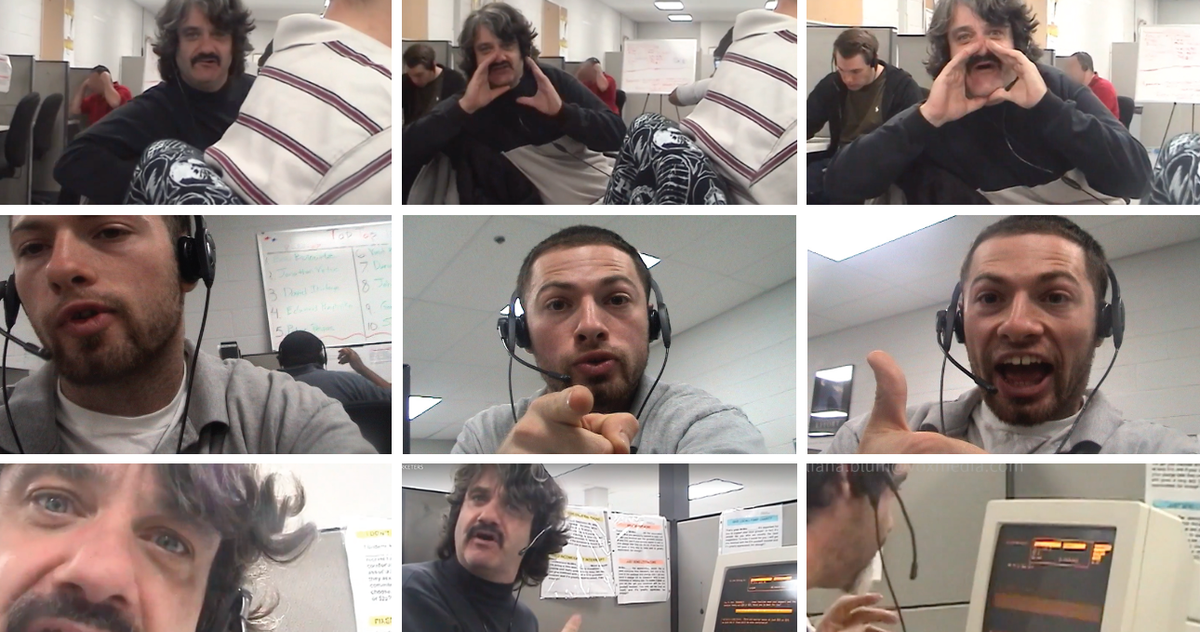
The HBO docuseries "Telemarketers" exposes the rise, fall, and ongoing nationwide grift of a telemarketing firm called Civic Development Group (CDG). The series, directed by former CDG employee Sam Lipman-Stern and his cousin-in-law Adam Bhala Lough, features behind-the-scenes footage and interviews with former employees, revealing the dark secrets and fraudulent practices of the company. CDG would take up to 90% of the donations it solicited, and the scam extended beyond one company, implicating some of the organizations themselves. Lipman-Stern and Pespas, armed with a budget and professional help, continue their investigation, hoping to reform the fundraising industry and provide transparency and accountability.
The Federal Communications Commission (FCC) has issued its largest-ever fine of $300 million against a robocall operation that made over five billion auto warranty calls. The operation, run by individuals previously banned from making telemarketing calls, violated multiple federal statutes and FCC regulations. The FCC's plan with cell phone companies to block these unwanted calls helped reduce auto warranty calls by 99%. If the fine is not paid, the case will be referred to the U.S. Department of Justice for collection.
People frustrated with unwanted telemarketing calls are using AI software and voice cloners to simulate distracted individuals who are willing to stay on the phone indefinitely. With the average American receiving 14 unwanted calls per month, call centers using automated dialers can make hundreds of calls per second. By employing voice modulators and software, telemarketers can remove accents and use prerecorded English phrases. One individual, Roger Anderson, has developed a call-deflection system called Jolly Roger, which uses chatbots to engage telemarketers with preset expressions and distractions. Anderson's system has gained thousands of subscribers who pay $24.99 per year for its services.
In an effort to combat telemarketing calls, some people are using phone bots to engage with and frustrate telemarketers. These bots are designed to waste the telemarketers' time by engaging in lengthy conversations or playing pre-recorded messages, ultimately aiming to discourage them from calling again. While some view this as a form of consumer protection, others argue that it may cross the line into harassment.
Avid Telecom, an Arizona-based phone-calling service provider, is being sued by attorneys general from 48 states and the District of Columbia for allegedly facilitating billions of robocalls, including many that appeared to be scams. The company is accused of transmitting 7.5 billion automated calls to people on the National Do Not Call Registry, a practice that violates laws prohibiting deceptive telemarketing practices. The lawsuit represents the latest effort to crack down on automated phone scams.
A telemarketer attempting to sell an insurance policy was recognized by the target as Justin Roiland, the disgraced co-creator of Rick & Morty. Despite the target's insistence, the solicitor denied being Roiland and continued with his pitch. The target eventually hung up after the telemarketer mentioned putting an Asian associate on the phone.
Truecaller is set to launch a caller identification service over WhatsApp and other messaging apps to help users identify potential spam calls over the internet. The feature, currently in beta phase, will be rolled out globally later in May. India, where users receive an average of 17 spam calls per month, is Truecaller's biggest market with 250 million users. The company is in discussions with telecom operators to implement a solution to block telemarketing calls over their networks using artificial intelligence filters.
The Federal Trade Commission (FTC) is proposing a court order to ban three companies and their owners from offering vehicle "warranties" or working in telemarketing ever again. The FTC charged American Vehicle Protection Corporation (AVP) and two affiliated companies with violating the FTC Act and the Telemarketing Sales Rule. The complaint alleges that AVP falsely claimed to represent dealers and manufacturers, offering fraudulent "bumper-to-bumper" and "full vehicle" coverage policies to customers for between $2,800 and $3,400. The scams have fleeced US consumers out of over $6 million since 2018.
The Federal Trade Commission (FTC) is proposing court orders that may lead to a lifetime ban from all outbound telemarketing and the extended automobile warranty industry for the operators of an "extended vehicle warranty" scam that cost consumers over $6M. The scammers placed hundreds of thousands of unsolicited calls to American consumers, claiming to be affiliated with vehicle makers and offering "bumper to bumper" protection. The companies and their owners implicated in the scam have agreed to the proposed orders, which include a monetary judgment of $6.6 million.