Elon Musk's X, formerly known as Twitter, has restored blue check marks for "influential" users, despite previously announcing the removal of legacy blue checks and implementing a subscription-based verification system. High-profile celebrities and influential members of the community have expressed surprise at the restoration of their blue checks, with some clarifying that they did not pay for the perk. Musk's decision to restore the blue checks has sparked reactions from prominent users, including Yvette Nicole Brown, Jeffrey Wright, and David Simon, who expressed their discontent on the platform.
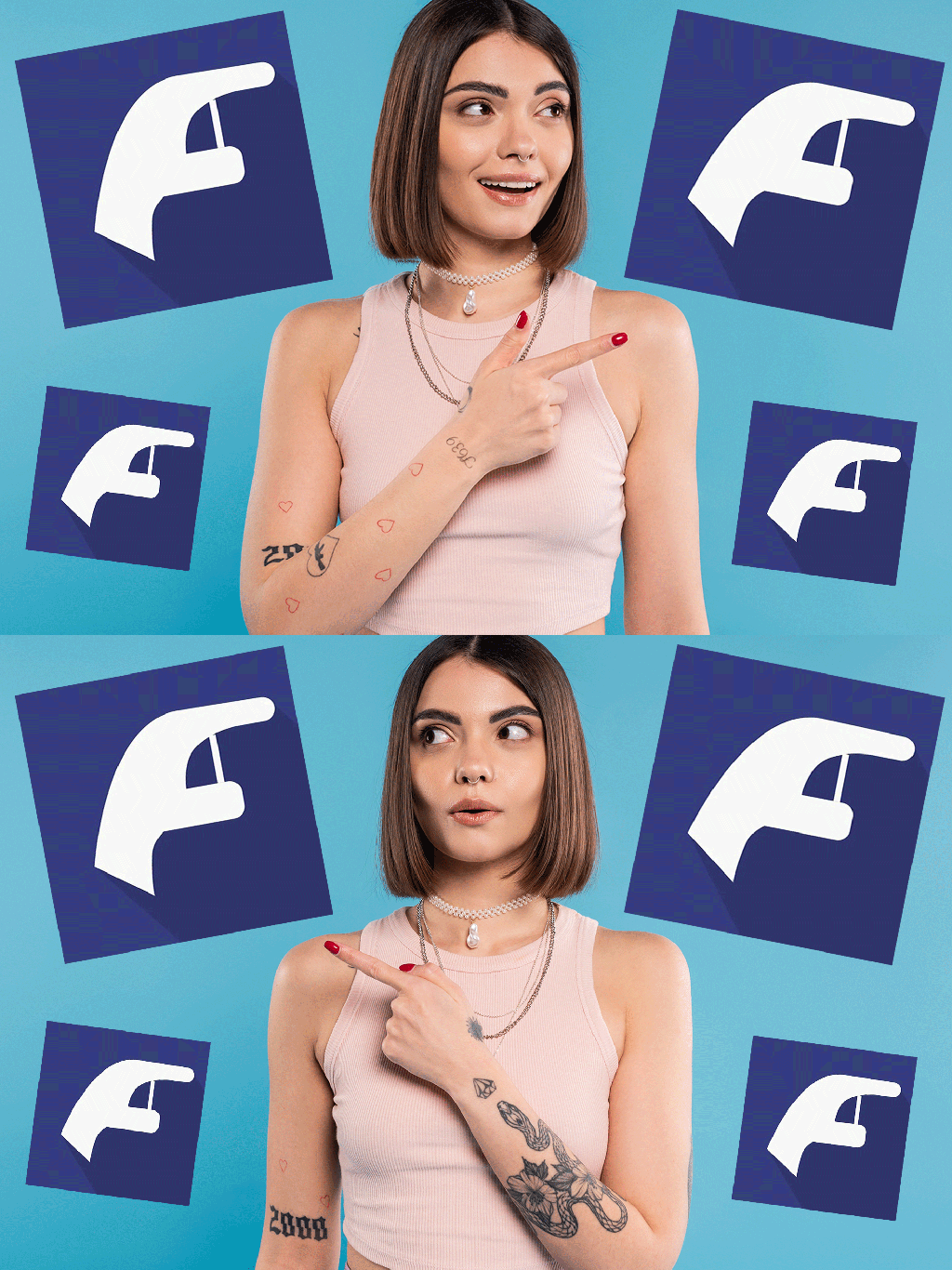
Facebook has brought back its "Poke" feature, which was popular in the early 2010s, making it more visible and easier to access. The redesign has led to a 13-fold increase in Pokes, with over 50% of new Pokes coming from users aged 18 to 29. Gen Z is embracing the feature, finding it nostalgic and likening it to "sliding into someone's DMs."
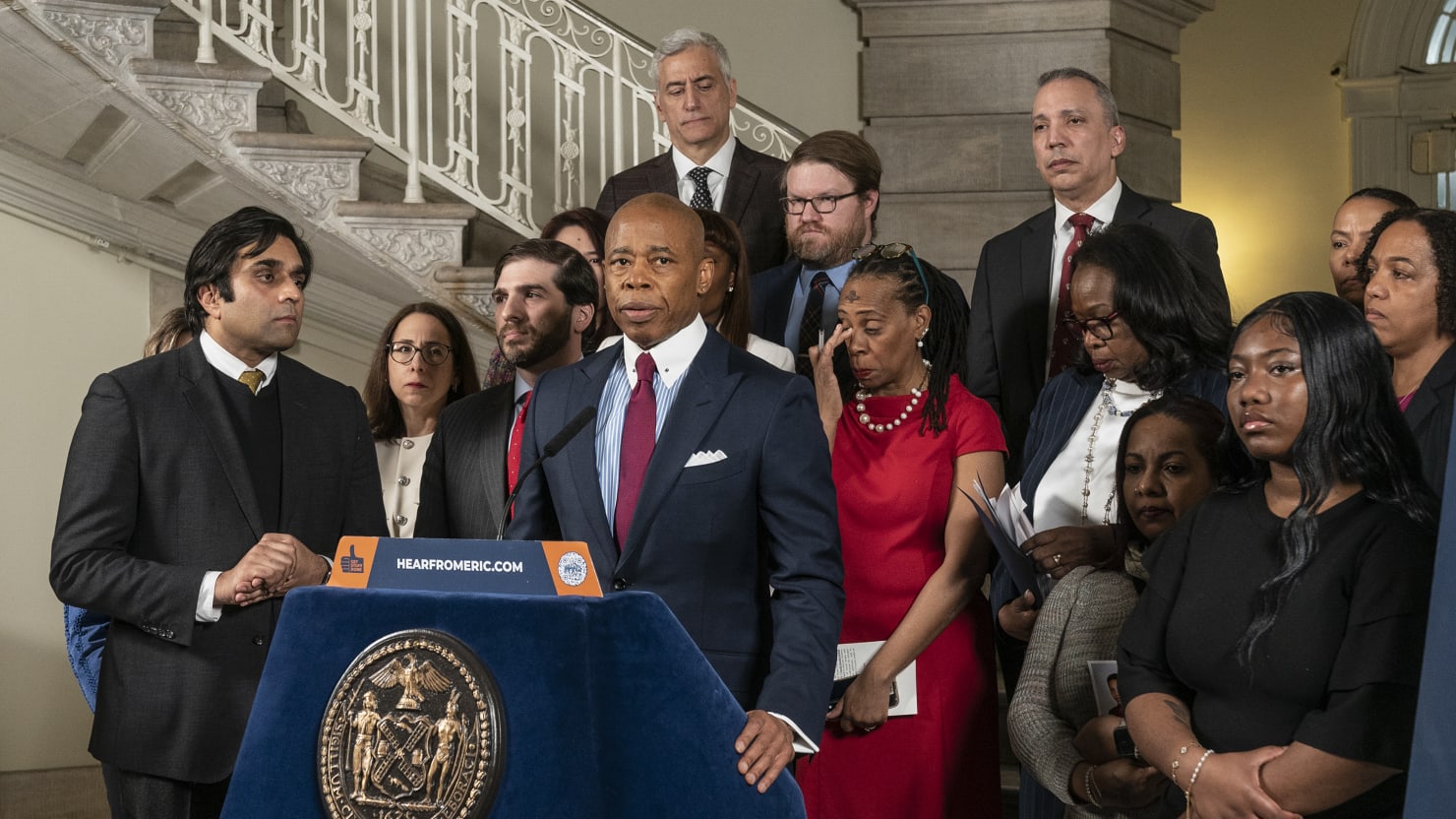
New York City has filed a lawsuit against the owners of TikTok, Facebook, Instagram, Snapchat, and YouTube, alleging that these companies marketed their products to addict teens and contributed to the youth mental health crisis. The lawsuit accuses the companies of negligence, gross negligence, and public nuisance, seeking to hold them accountable for their impact on young people's mental health. The social media companies have denied the allegations, stating their efforts to safeguard teens and address these issues.
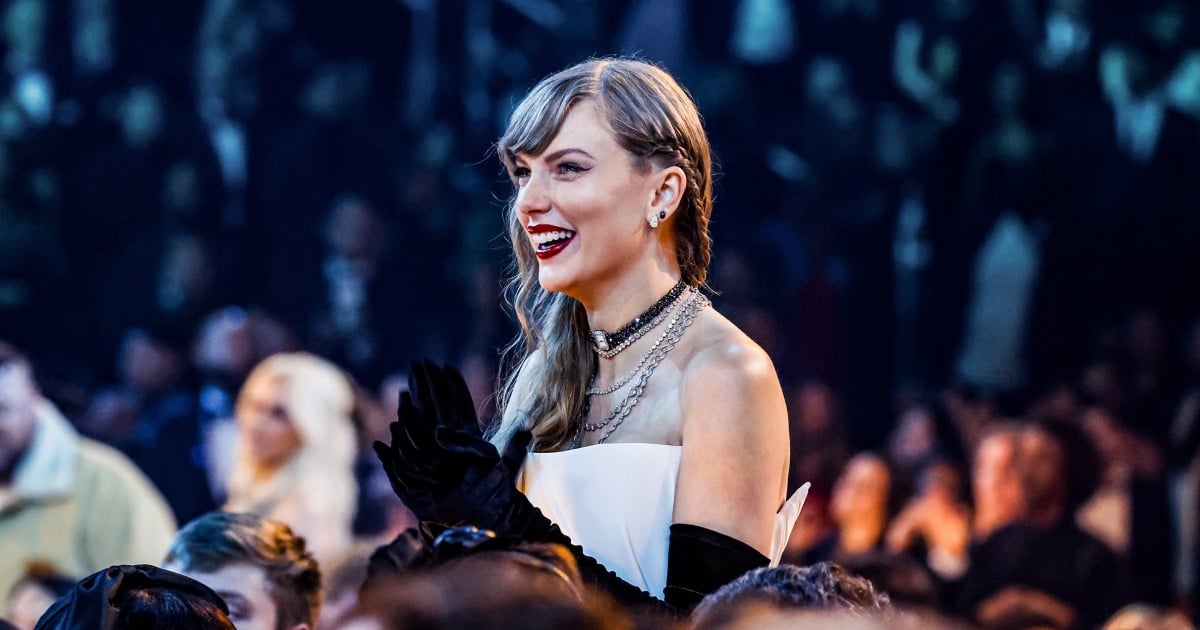
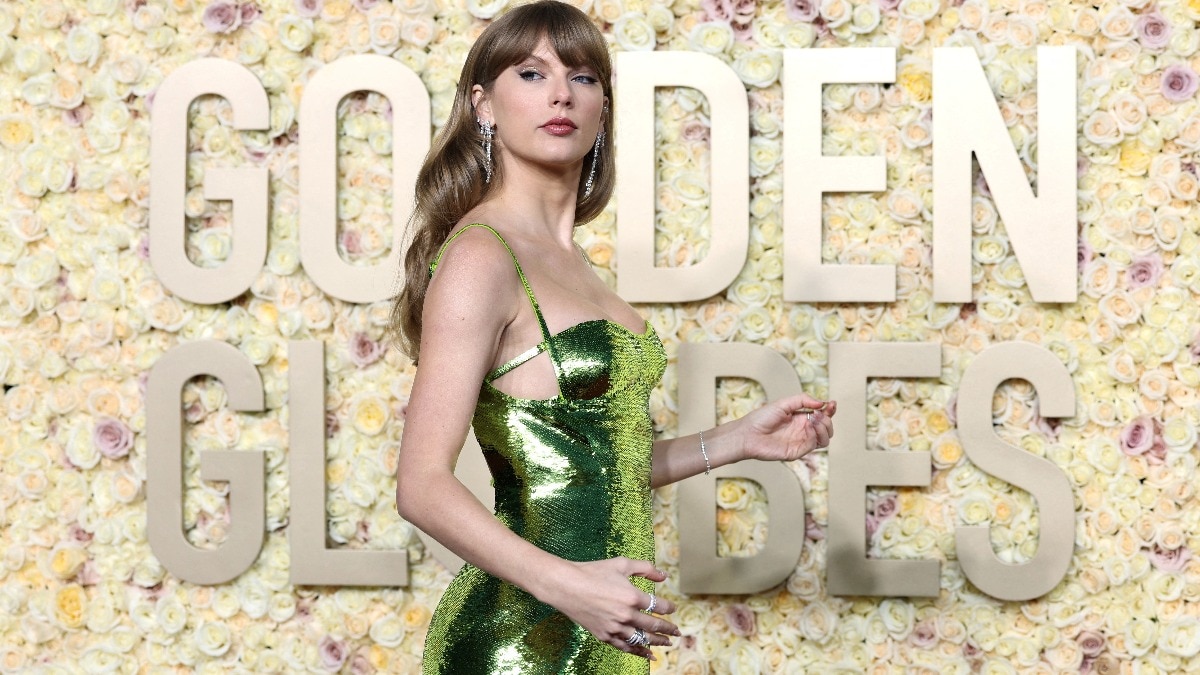
Deepfake videos and images falsely depicting Taylor Swift supporting Trump and engaging in election denialism have been circulating on various social media platforms, including X, Instagram, Facebook, YouTube, and TikTok. Despite some posts being labeled as manipulated media, many others have not been, raising concerns about the platforms' ability to control the spread of malicious inauthentic media. The manipulated media appears to originate from a pro-Trump X account with over 1 million followers, and the issue highlights the ongoing struggle of social media platforms to effectively moderate disinformation, including AI-generated content.
Bluesky, a microblogging service, is now out of beta and open to all users. The author shares their positive experience on Bluesky, Threads, and Mastodon, highlighting the friendly atmosphere and effective blocking function to combat trolls and bots. They express contentment with using multiple platforms for different purposes and note the lower presence of "shitty people" compared to Twitter. Despite initial concerns about marketing their personal brand, the author finds good engagement and growing follower numbers on the newer services, making the former Twitter feel replaceable for career purposes. They encourage others to consider leaving Twitter now that Bluesky is out of beta.
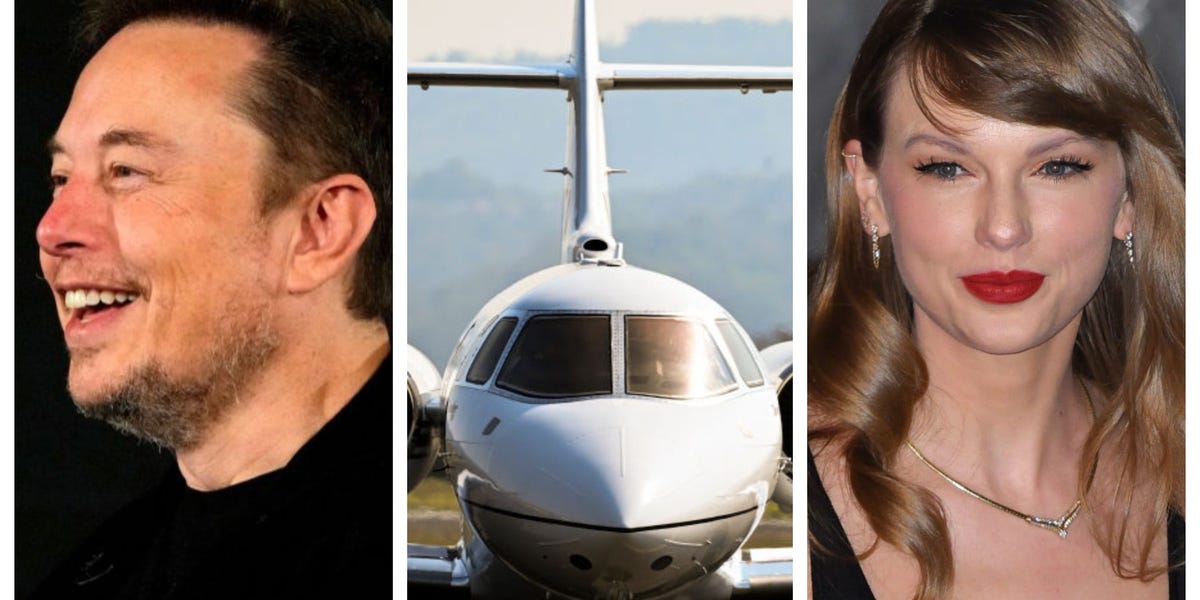
Elon Musk criticized college student Jack Sweeney for tracking private jets, prompting Taylor Swift's attorney to send a cease-and-desist letter due to "stalking and harassing behavior." Sweeney, who believes in transparency, had accounts tracking the private plane locations of ultrawealthy individuals, including Musk and Swift, using public data sources like ADS-B Exchange. Despite privacy programs, Sweeney argues that jet tracking is public information and not meant to cause harm.
The new Apple Vision Pro has sparked a trend of social media videos featuring people wearing the headset in unusual situations, often incorporating Tesla, Autopilot, and Cybertruck hype. Some videos have attracted attention for potentially unsafe behavior, prompting a response from the US Secretary of Transportation. The trend raises questions about the clout-chasing economy and the need for responsible use of technology.
A graphic video of a man accused of killing his father circulated on YouTube for hours, raising questions about social media companies' ability to prevent horrific postings from spreading. The incident highlights gaps in moderation practices, as major platforms struggle to catch and remove violent and extremist content. Experts emphasize the need for more vigilant regulation of violent content on social media, as the internet has lowered the barrier to entry for people to explore extremist ideologies and find communities that reinforce violent ideas.
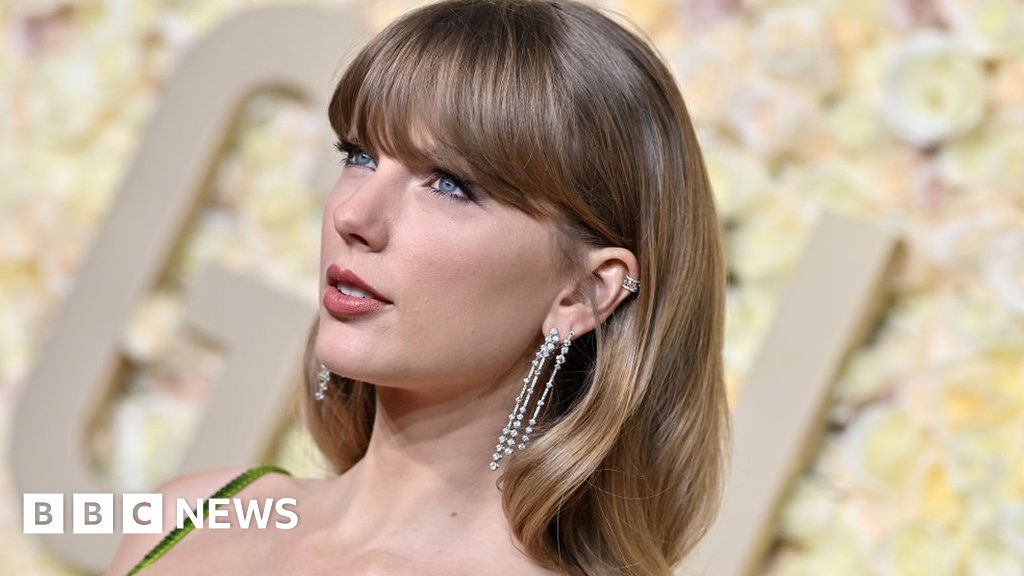
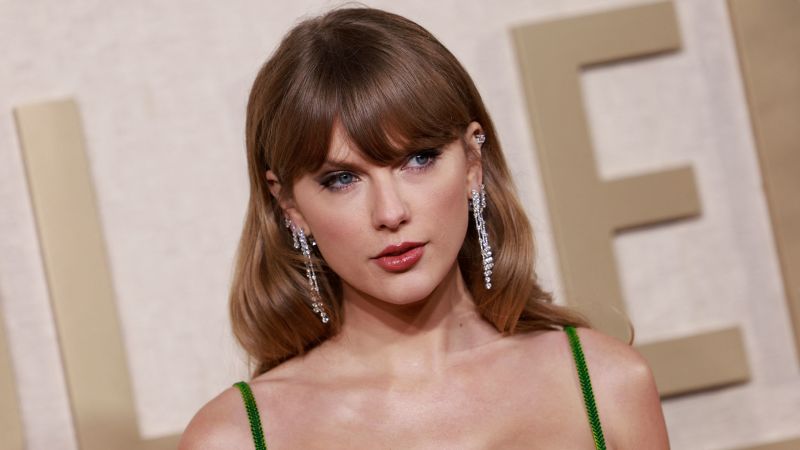
Social media platform X has lifted the ban on searches for Taylor Swift after fake sexually explicit images of the singer circulated on the platform, with the company vowing to remain vigilant against such content. The decision to reinstate searches follows swift action to temporarily ban searches for Swift and suspend associated accounts. This move comes amid heightened scrutiny of social media platforms and their handling of harmful content, particularly since Elon Musk assumed control of Twitter in 2022.
Social media platform X has temporarily blocked searches for Taylor Swift after explicit AI-generated images of the singer went viral, prompting alarm from US officials and fans. The platform is actively removing the fake images and taking action against the accounts responsible. The White House has called the spread of AI-generated photos "alarming" and urged legislation to tackle the misuse of AI technology on social media. US politicians have also called for new laws to criminalize the creation of deepfake images, as there are currently no federal laws against sharing or creating deepfakes.
Searches for Taylor Swift on X, formerly known as Twitter, resulted in an error message after explicit AI-generated images of the singer circulated on social media. The fake images, depicting sexually suggestive and explicit content, were viewed millions of times before being removed. Concerns about the use of AI to create misleading images and videos have been heightened, with fears of potential disinformation efforts, and laws against nonconsensual deepfake photography exist in nine US states.
Taylor Swift's name became unsearchable on a social media platform days after sexually explicit deepfakes of the pop star went viral, prompting speculation that the platform took action to address the issue. The deepfakes, which were viewed millions of times, were created using AI tools and circulated on the platform before the account that posted them was suspended. Swift's fans flooded hashtags with positive messages about her, while some users celebrated the removal of her name from the platform's search function.
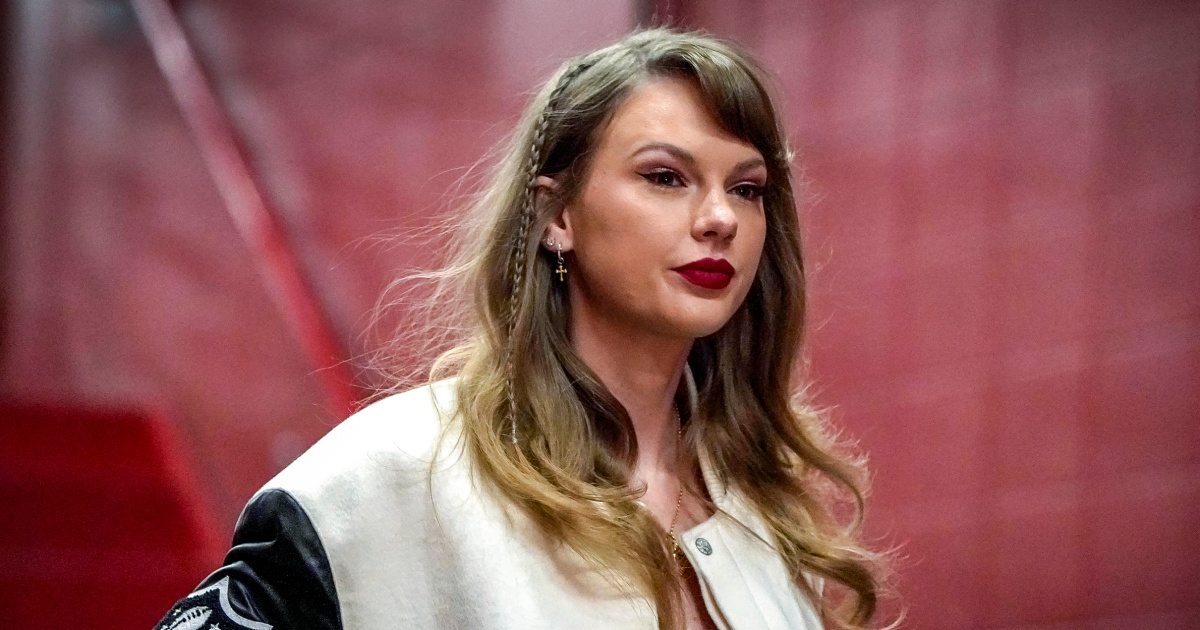
Taylor Swift fans, known as Swifties, are outraged after explicit AI-generated images of the pop star circulated on Elon Musk's social media platform, X. One image, which garnered 45 million views, remained up for 17 hours before being taken down. Despite X's claims of actively removing such content, concerns have been raised about the platform's content moderation since Musk took over in 2022, with fears that it lacks the capacity to handle rapidly spreading disinformation or explicit material. The incident has sparked renewed concerns about the rising availability of AI image generators and their potential for misuse.
AI-generated sexually explicit images of Taylor Swift have been circulating on X, with one post garnering millions of views before being taken down. Despite X's policies against such content, many of the images remain live, prompting Swift's fans to flood the platform with real clips of her performances. This incident highlights the challenge of stopping the spread of deepfake porn and AI-generated images of real people, with social platforms facing difficulties in moderation. X, currently under investigation by the EU for disseminating illegal content and disinformation, is being questioned about its crisis protocols.
Meta, the parent company of Facebook and Instagram, announced that it will start blocking sensitive and "age-inappropriate" content from teenagers' feeds, including topics such as self-harm, eating disorders, and mental illnesses. The company will also restrict these topics from appearing in young users' feeds and Stories, even if the content was posted by people they follow. This move comes amid ongoing scrutiny over how Meta's products affect young people, with critics calling for legislation to reduce harm on children who are exposed to inappropriate content. Meta CEO Mark Zuckerberg has responded to the backlash, stating that the company is committed to building safe experiences for kids online.