Tag

Technology And Politics

All articles tagged with #technology and politics

technology-and-politics1 year ago

"Supreme Court's Battle Over Online Free Speech and Disinformation"

The Supreme Court is considering whether social media platforms have the right to control user content, as laws in Florida and Texas challenge their ability to moderate hate speech and misinformation. Conservatives claim that big tech companies are suppressing their speech, while academic researchers working with the platforms are facing threats and intimidation. The clash over free speech and misinformation is fraying institutions and threatening democracies, with concerns about the impact of disinformation on elections worldwide.


technology-and-politics1 year ago

"Global Threat: Tackling Election Disinformation Across Languages and Borders"

As election misinformation continues to pose a threat, concerns are raised about the lack of safeguards for non-English speakers and smaller countries. Tech companies are criticized for their bias towards English and western democracies, with recent changes exacerbating the situation. This has created opportunities for disinformation targeting non-English speakers, impacting elections in countries like the U.S., India, and Africa. While tech companies have made efforts to address misinformation, their focus on the U.S. and E.U. has left other regions neglected, increasing the risk of misleading voters and impacting election results. Fact-checking organizations have emerged as a defense against viral misinformation, but more concerted efforts are needed to combat the proliferation of election-related disinformation.

technology-and-politics1 year ago

"Global Preparedness for AI-Driven Election Disinformation in 2024"

In a simulated exercise, experts explored the potential impact of deepfakes on the 2024 election, revealing the rapid spread of false information and the challenges in responding to it. The exercise highlighted concerns about the readiness of federal and local officials, as well as tech companies, to counter domestic and foreign disinformation. With the decentralized nature of the electoral system and diminished cooperation between government and tech firms, there are fears of a lack of preparedness to detect and combat AI deepfakes. Efforts are being made to bridge this gap through public education campaigns and bipartisan networks to help detect and respond to deepfakes in real time.

technology-and-politics1 year ago

"Global Preparedness for AI-Driven Election Disinformation"

Experts conducted a simulation to explore the potential impact of deepfakes on the 2024 election, revealing how AI-enabled tools could rapidly spread false information and sow chaos. The exercise highlighted concerns about the readiness of federal and local officials, as well as tech companies, to counter domestic and foreign disinformation. With the decentralized electoral system facing uncharted territory, there is uncertainty about who is responsible for detecting and addressing deepfakes. The exercise also underscored the diminished cooperation between federal officials, tech companies, and researchers, leaving a potentially risky gap in safeguarding the election. Efforts are underway to encourage communication between tech executives and government officials, while concerns persist about the potential for a deadlock over the election outcome if disinformation and potential violence escalate.

technology-and-politics2 years ago

"Taylor Swift's Deepfake Controversy Reignites Push for AI Regulation"

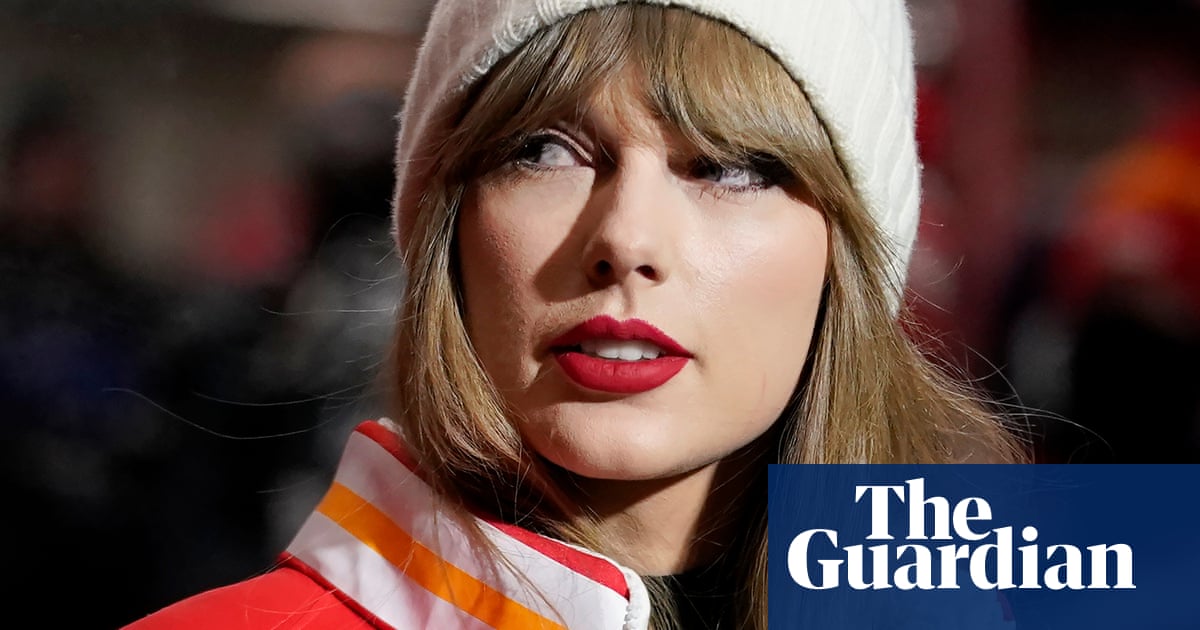
The spread of deepfake pornographic images of Taylor Swift has reignited calls for US legislation criminalizing the practice, with politicians advocating for federal laws to combat the issue. The proposed Preventing Deepfakes of Intimate Images Act aims to make sharing deepfake pornography without consent illegal, highlighting the emotional and reputational harm caused, particularly to women. The technology, predominantly targeting women, has prompted bipartisan support for safeguarding measures, as seen in the introduction of the AI Labeling Act. With high-profile women at risk, the UK government has already taken steps to outlaw nonconsensual deepfake pornography, emphasizing the need to protect individuals from such exploitation.

technology-and-politics2 years ago

"Rising Concerns Over Deepfake Audio and Robocalls in US Politics"

A doctored audio message of US President Joe Biden urging voters in New Hampshire not to cast their ballots in the Democratic primary has raised concerns about the potential impact of deepfake technology on the upcoming US elections. Experts warn that audio deepfakes are particularly worrisome as they are easy to edit, cheap to produce, and difficult to trace. The fake Biden message highlights the use of deepfakes to influence public opinion and deter voters from participating in the electoral process. While efforts to regulate political deepfakes are underway, detection tools remain in their infancy, posing a significant challenge for election officials.

technology-and-politics2 years ago

"Generative AI: Navigating the Crossroads of Misinformation and Democracy in Elections"

Generative AI poses a significant threat to the integrity of democratic elections by enabling the creation and spread of sophisticated disinformation at scale. As the technology becomes more accessible, adversaries like China, Iran, and Russia could use it to undermine the U.S. electoral process, from voter registration to vote reporting. The responsibility to counter these threats largely falls on state and local election officials, who need support from federal agencies, voting equipment manufacturers, AI companies, the media, and voters. AI companies can contribute by developing tools to identify AI-generated content and prioritizing security in their products. Election officials are also advised to adopt best security practices and transparent communication to mitigate risks and maintain public trust in the electoral system.

technology-and-politics2 years ago

"Culture Clash: The AI Debate Between DC and Silicon Valley"

A group of Silicon Valley's effective altruists (EAs) has influenced Washington's approach to artificial intelligence (AI), advocating for policies to prevent existential risks they believe AI poses to humanity. Backed by tech billionaires, these EAs are pushing for sweeping laws to align AI with human goals and values, including new reporting rules for AI models and restrictions on AI with biotechnology. Critics argue that EAs, often funded by organizations like Open Philanthropy, are distracting from AI's current impacts, such as racial or gender bias, and may be acting in the self-interest of the tech industry. Despite skepticism, the significant funding from EA-linked groups has given the movement considerable sway in the AI and biosecurity debate in Washington.