The Marubo tribe in the Amazon rainforest has gained internet access through Elon Musk's Starlink, leading to both positive and negative impacts. While the internet has facilitated communication and opened new opportunities, it has also introduced modern vices like social media addiction and exposure to explicit content, causing concerns about cultural erosion and generational disconnect.

In his new book "Filterworld," writer Kyle Chayka explores how social media algorithms have transformed content consumption, arguing that they have made us passive consumers and flattened our tastes. He discusses how algorithms impact artists, content creators, and journalism, and suggests that increased regulation of social media companies could mitigate their influence. Chayka also highlights the challenges of knowing what content others are seeing and how success on social media platforms determines opportunities in the arts and entertainment industry.
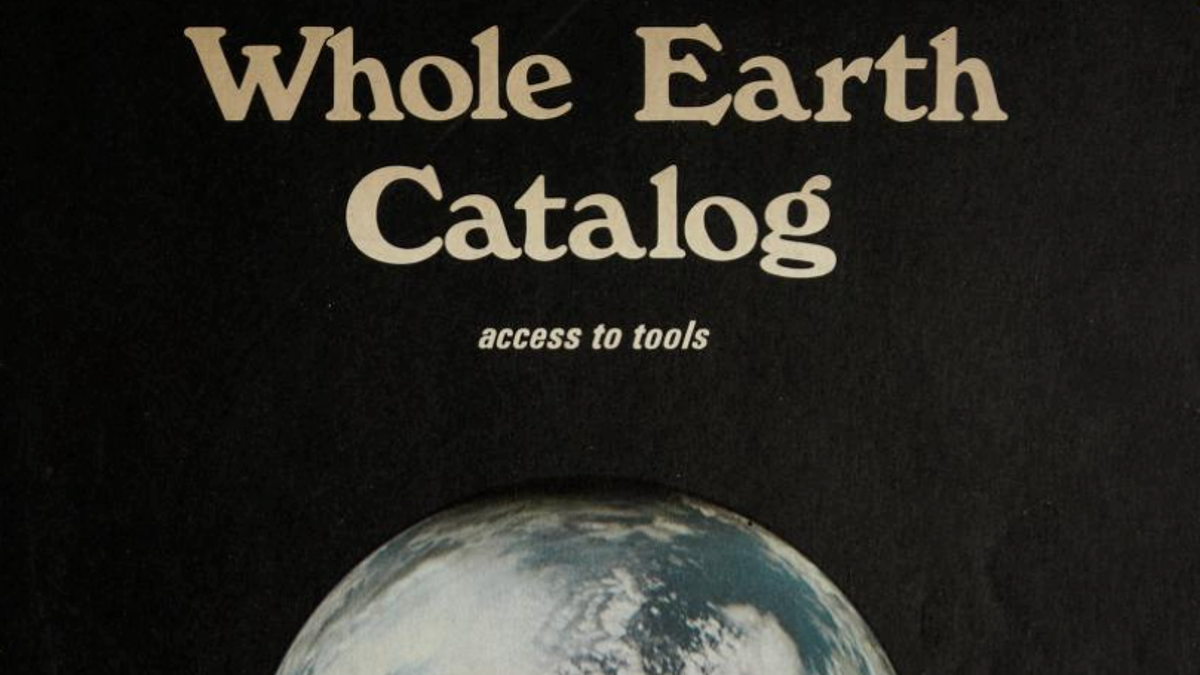
The nearly complete archive of the Whole Earth Catalog, a magazine that played a significant role in popularizing tech and internet culture, has been digitized and made available online. The collection includes issues of the original magazine as well as the Whole Earth Software Review, which focused on the emerging computer culture. The project was directed by the Gray Collective and supported by the Long Now Foundation and the Internet Archive. The archive can be accessed in PDF form on the Internet Archive's website.
The Whole Earth Catalog, a counterculture publication founded by Stewart Brand 55 years ago, has been made available online for the first time. The digital library includes the catalog, magazines, and journals, offering readers the ability to browse through the content or download entire issues. The Whole Earth Catalog was influential in promoting self-reliance and had a profound impact on Silicon Valley's ethos. The restoration project was led by Barry Threw, in collaboration with the Long Now Foundation and the Internet Archive. The collection serves as a comprehensive archive of the Whole Earth publications, which had been relatively inaccessible in recent years.
Redditors discuss the things that have disappeared without warning over the years, sparking nostalgia for the past. Consumer psychology specialist Matt Johnson explains that nostalgia is a powerful force that brands often use to market their products. Some disappearing trends include catalogs, phone books, checks, coin-operated horses, paid lunches, and the ability to easily give things to others. Johnson suggests that brands that tap into universal themes of human nature have a better chance of staying relevant in the future. However, constantly dwelling on the past can prevent us from embracing the present and its improvements in technology.