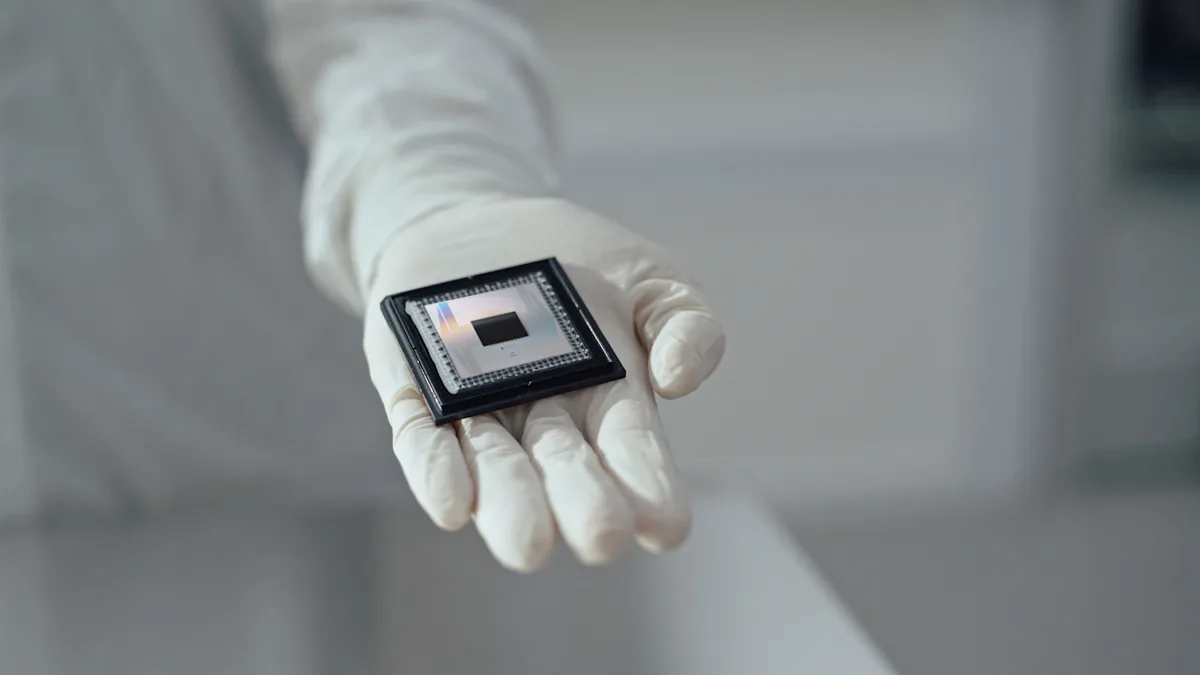
Alphabet Inc. shares surged 5.6% after announcing a breakthrough in quantum computing with its Willow quantum chip, which can solve problems in minutes that would take supercomputers billions of years. Analysts view this as a significant step towards the commercialization of quantum computing, potentially impacting various industries and enhancing Alphabet's technological leadership. The announcement also influenced other quantum-related stocks, with Rigetti Computing and D-Wave Quantum seeing notable gains.
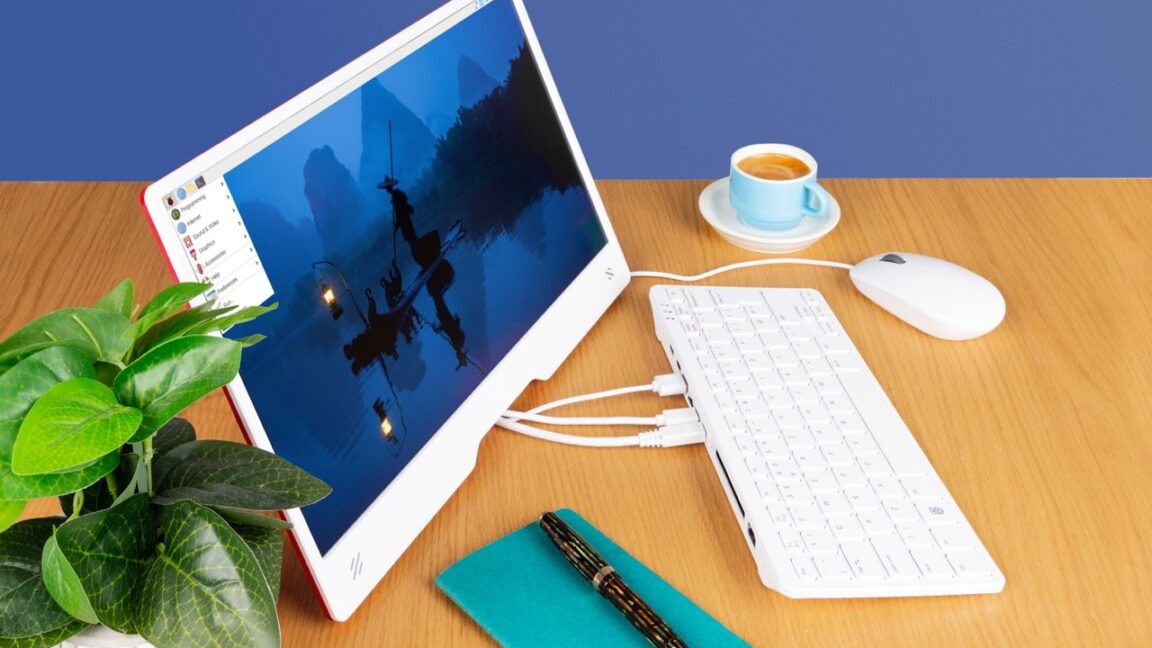
The Raspberry Pi 500, a compact desktop PC, integrates an 8GB Raspberry Pi 5 into a keyboard-shaped case for $90, offering a cost-effective computing solution. It features multiple ports, including USB and HDMI, but lacks an M.2 slot for faster storage, which may be added in future versions. A Desktop Kit with additional accessories is available for $120.
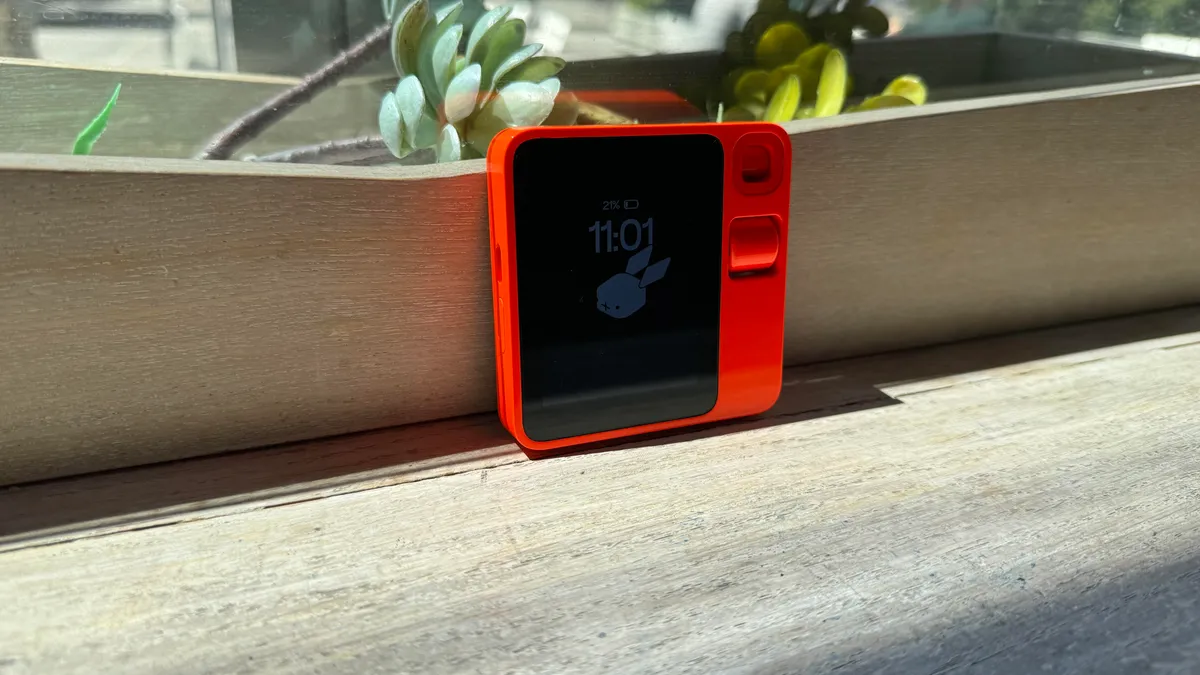
The Rabbit R1, an AI-powered handheld device by Rabbit Inc., has seen significant improvements in performance and usability since its launch six months ago, with better battery life, faster response times, and enhanced navigation. Despite these advancements, the R1 struggles to compete with smartphones, which offer similar AI capabilities and are more ingrained in daily life. While the R1 can handle complex queries and provide specific recommendations, its utility is overshadowed by the convenience and functionality of existing phone-based virtual assistants. The R1's future remains uncertain as tech giants continue to enhance mobile AI interfaces.
Apple's transition to its self-designed Silicon chips has resulted in significant performance improvements across generations. Since the M1's debut in 2020, each new chip generation, including the latest M4 series, has shown consistent enhancements in single-core, multi-core, and GPU performance, as evidenced by Geekbench benchmarks. Despite some anomalies, such as the M3 Pro's core configuration and certain GPU results, Apple's chips have generally become faster and more efficient, with expectations of continued advancements in future releases.
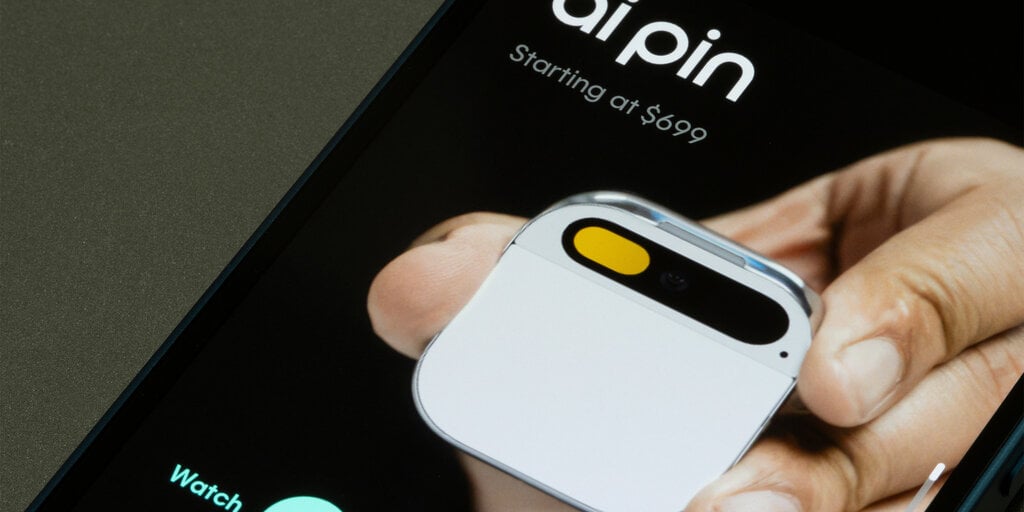
The Humane AI Pin, a $700 wearable device, has received scathing reviews from tech media and influencers, with criticisms including its high price, limited functionality, slow performance, and poor integration with other devices. Reviewers compared it to the false promise of Theranos and stated that it does not surpass the capabilities of a smartphone. The company behind the device has promised upgrades and a software development kit to address these issues, but the initial reception has been overwhelmingly negative.
At CES 2024, Acer unveiled the Predator Z57, a colossal 57-inch ultrawide monitor with a 32:9 aspect ratio, Dual UHD resolution, and a 120Hz refresh rate, aimed at providing an immersive gaming experience. Priced at $2,500, it features MiniLED technology, high brightness, color accuracy, and contrast, along with picture-by-picture capabilities. Additionally, Acer introduced a more affordable 34-inch Predator X34 V3 monitor and the glasses-free 3D gaming Predator SpatialLabs View 27 monitor, expanding their gaming display lineup.
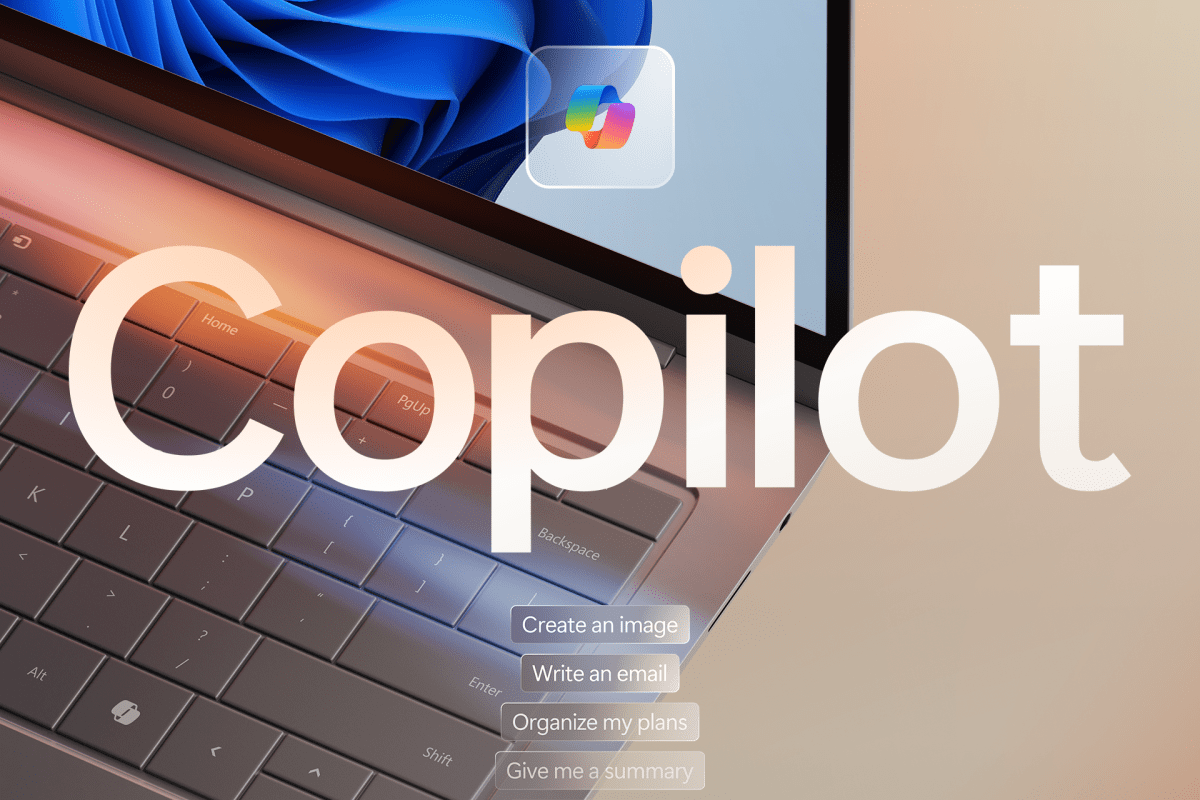
Microsoft has introduced a new PC keyboard layout featuring a "Copilot" key to launch its AI-powered assistant, marking the first change to the Windows keyboard in about 30 years. This move underscores Microsoft's commitment to AI, as it aims to shift AI processing from datacenters to local hardware. The article also touches on various AI-related developments, including OpenAI's GPT Store, regulatory strategies, advancements in robotics, and new AI-powered platforms. The effectiveness of Microsoft's strategy will ultimately depend on consumer and enterprise adoption of the Copilot functionality.
Razer is set to unveil the new Razer Blade 16 laptop at CES 2024, featuring the world's first 16-inch 240Hz OLED display, co-developed with Samsung Display. The laptop boasts a QHD+ resolution, a 0.2ms response time, and VESA DisplayHDR True Black 500 certification. Alongside, the Razer Blade 18 will be updated to an 18-inch 4K 165Hz display with Nvidia G-Sync support. Both models feature high-grade CNC aluminum construction, a 16:10 aspect ratio, and are Calman Verified for color accuracy. Full details will be revealed at the event in Las Vegas.
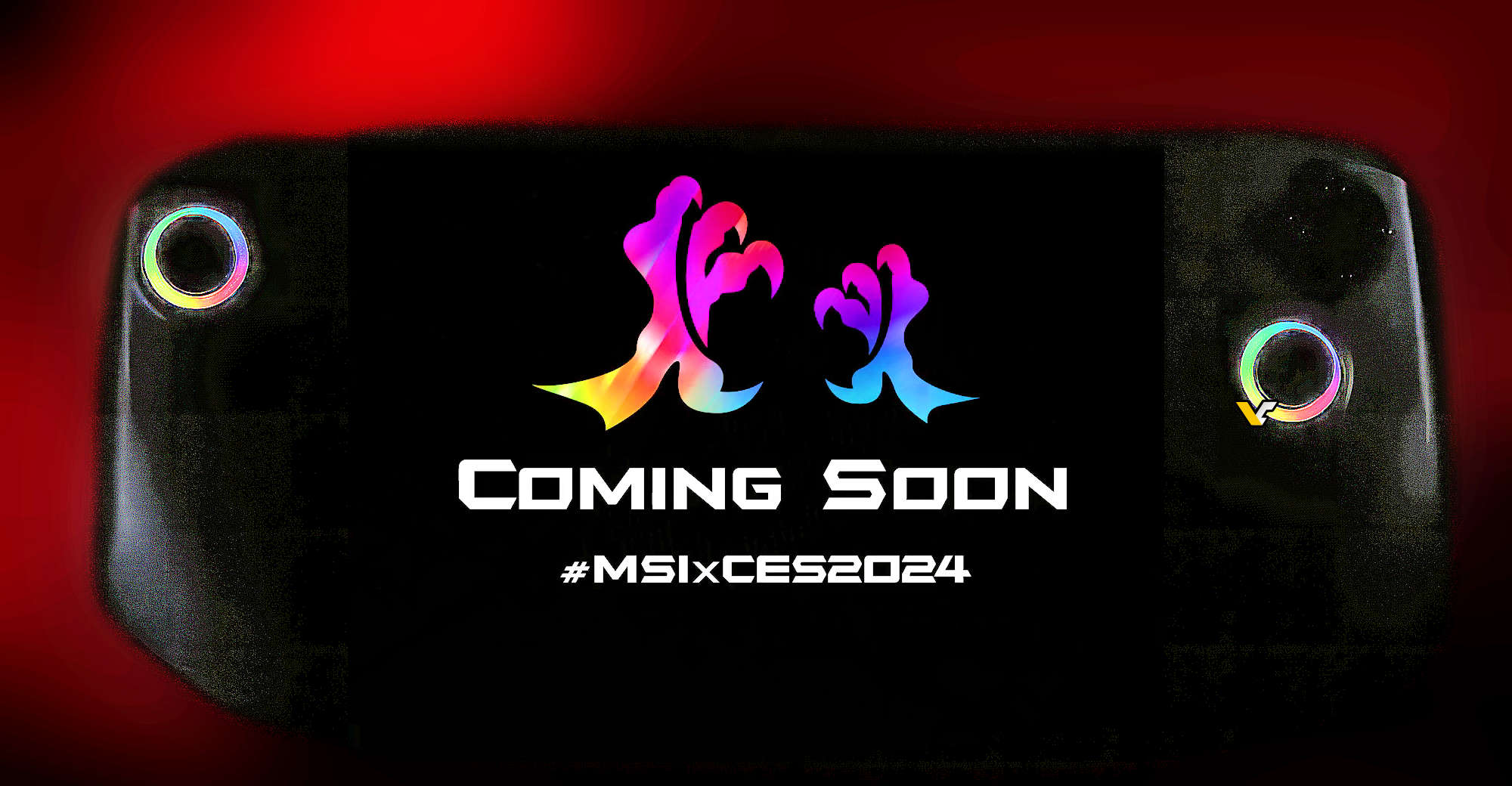
MSI is set to announce a new gaming handheld device at CES 2024, joining the competition with ASUS and Lenovo in the high-end market. Teased on Instagram with the "True Gaming" emblem and MSI Dragon branding, the device's specifications remain under wraps but may feature AMD Zen4/RDNA3-based Ryzen Z1 or Intel Core Ultra 100 series processors. This move positions MSI against established products like the ASUS ROG Ally, Lenovo Legion GO, and the more budget-oriented Steam Deck.
Dell has introduced the UltraSharp 40 Curved Thunderbolt Hub Monitor at CES 2024, which is the first 40-inch 5K monitor to receive a five-star eye comfort certification from TUV Rheinland. The monitor features a 120Hz refresh rate, an ambient light sensor for automatic brightness and color temperature adjustment, and advanced LED backlight technology to reduce blue light exposure. It also boasts a 99 percent DCI-P3 color space, VESA DisplayHDR 600 certification, and multiple connectivity options including Thunderbolt 4. The product will be available for purchase starting February 27, with the 40-inch model priced at $2,400 in the US. A 34-inch variant with similar features but a lower resolution is also being offered.
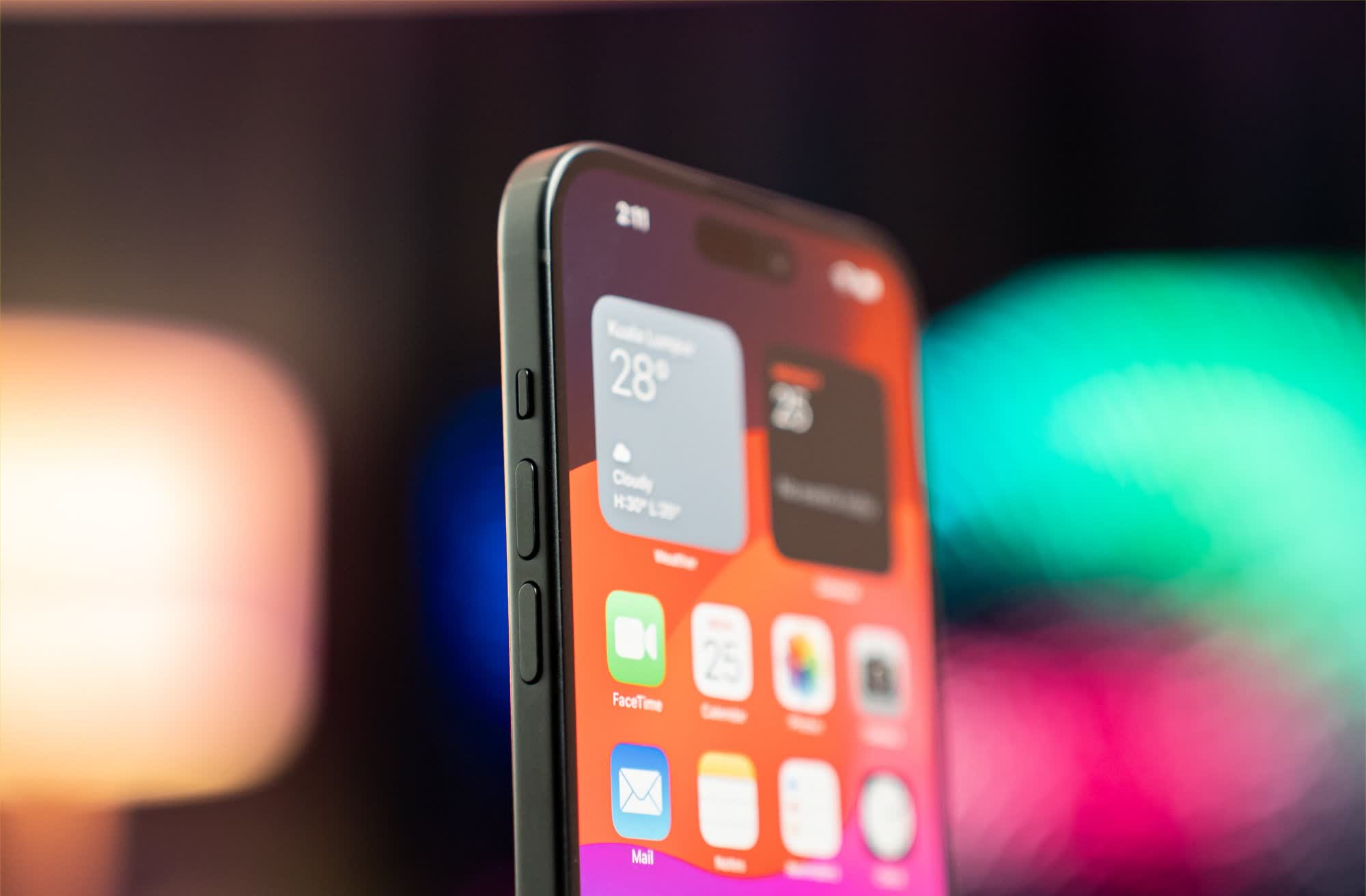
Apple's iPhone 16 Pro series is set to feature larger screens, with the Pro and Pro Max models expected to have 6.3-inch and 6.85-inch displays, respectively. This will make the devices taller, wider, and slightly heavier than the iPhone 15 Pro models, without increasing thickness. These changes may allow for a larger battery or other enhancements, but will render iPhone 15 Pro cases incompatible. The larger screens will remain exclusive to the Pro models until the iPhone 17's release. The iPhone 16 Pro series will also likely include Apple's new A18 Pro chip, Wi-Fi 7, faster 5G, and possibly solid-state buttons.
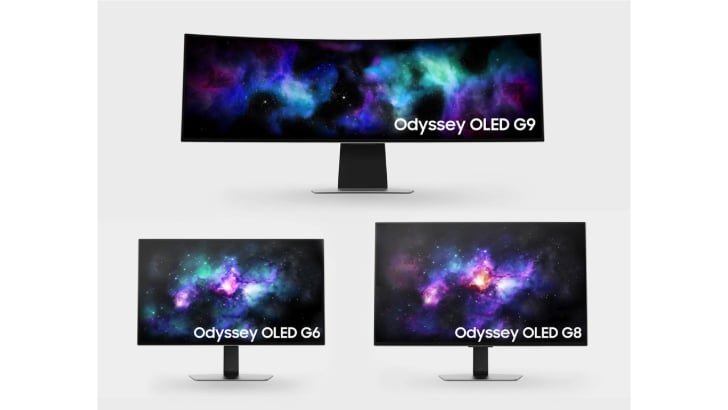
Samsung has announced three new OLED monitors, including a 49-inch curved ultra-wide, a 32-inch flat 4K, and a 27-inch QHD with a 360 Hz refresh rate, ahead of CES 2024. These monitors feature high resolutions, fast response times, and are designed with gamers and productivity users in mind, offering features like Core Lighting+, Multi Control compatibility, SmartThings Hub, and integrated Smart TV and gaming hubs. They support HDR, HDMI 2.1, DisplayPort 1.4, and have ergonomic stands, but release dates and prices are still undisclosed.
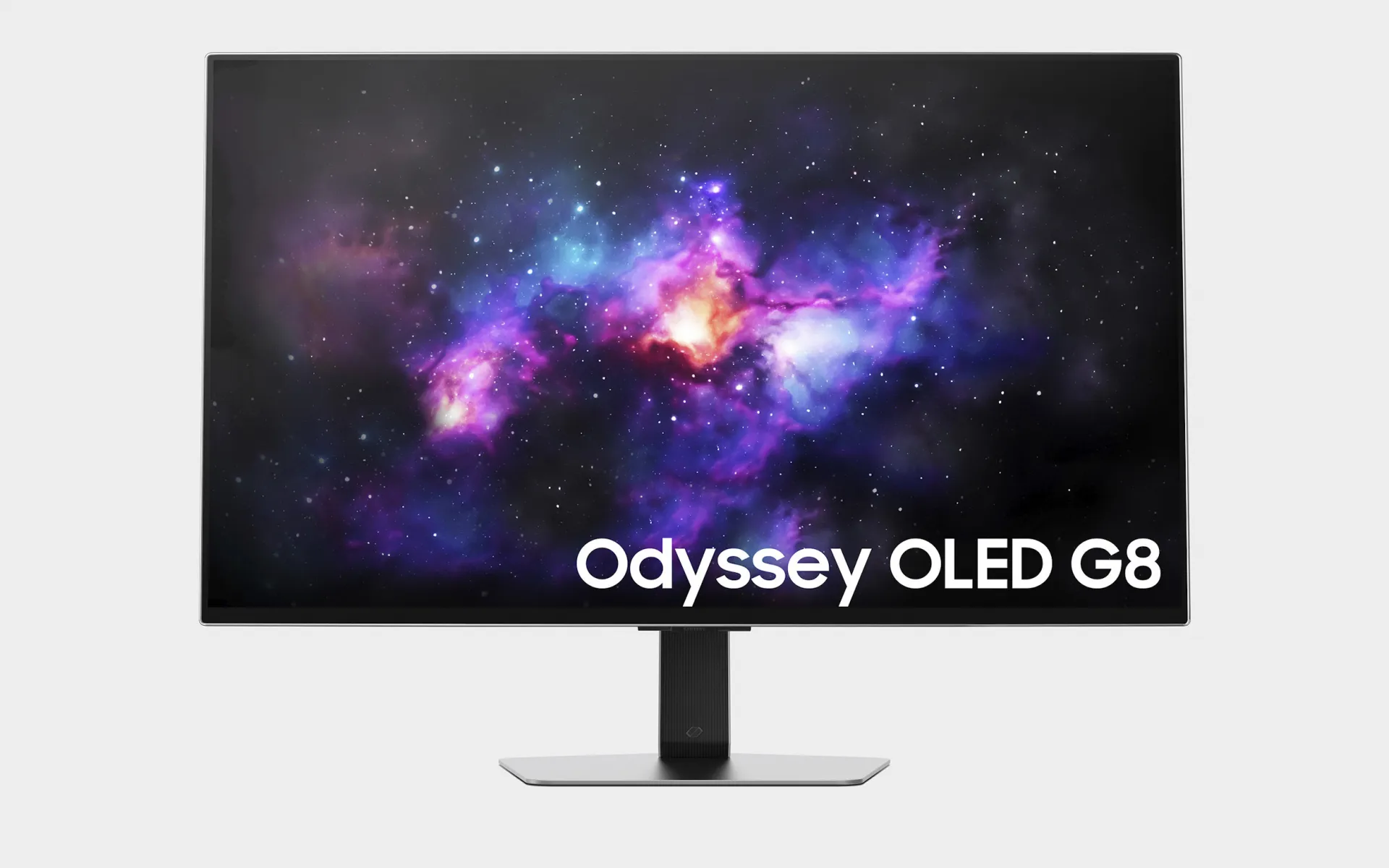
Samsung Electronics has expanded its Odyssey gaming monitor series with the introduction of new OLED models at CES 2024, including the Odyssey OLED G9, G8, and G6. These monitors feature high resolutions, fast refresh rates, and low response times, with the G9 offering a 49" curved ultra-wide display and the G8 being Samsung's first flat 32" OLED gaming monitor. They come with OLED Glare-Free technology, VESA DisplayHDR True Black 400, and AMD FreeSync Premium Pro. The G9 and G8 also have Multi Control for seamless device connectivity and are equipped with the Samsung Smart TV platform and Gaming Hub. The new designs include Core Lighting+ and a slim metal stand for a sleek aesthetic.
The article humorously criticizes Apple's trend towards larger iPhones, lamenting the discontinuation of the smaller iPhone mini. The author, a fan of the mini, suggests that Apple should offer a Pro model in three sizes, including a mini, with all the high-end features, rather than releasing two separate lines. This would cater to those who prefer smaller phones but still want top-tier features. Despite the low sales figures for the mini models, the author argues that there is a market for smaller devices, as evidenced by preferences in markets like Japan, and encourages Apple to reconsider its one-size-fits-all approach to phone sizes.
Square Enix has announced an "aggressive" AI strategy for 2024, aiming to enhance development productivity and marketing sophistication. The company's president, Takashi Kiryu, envisions leveraging AI and other technologies to create new content forms, continuing Square Enix's trend of investing in speculative tech like blockchain and cloud services. This move reflects the growing integration of AI in the gaming industry, as seen with AI replacing voice actors in the game The Finals.