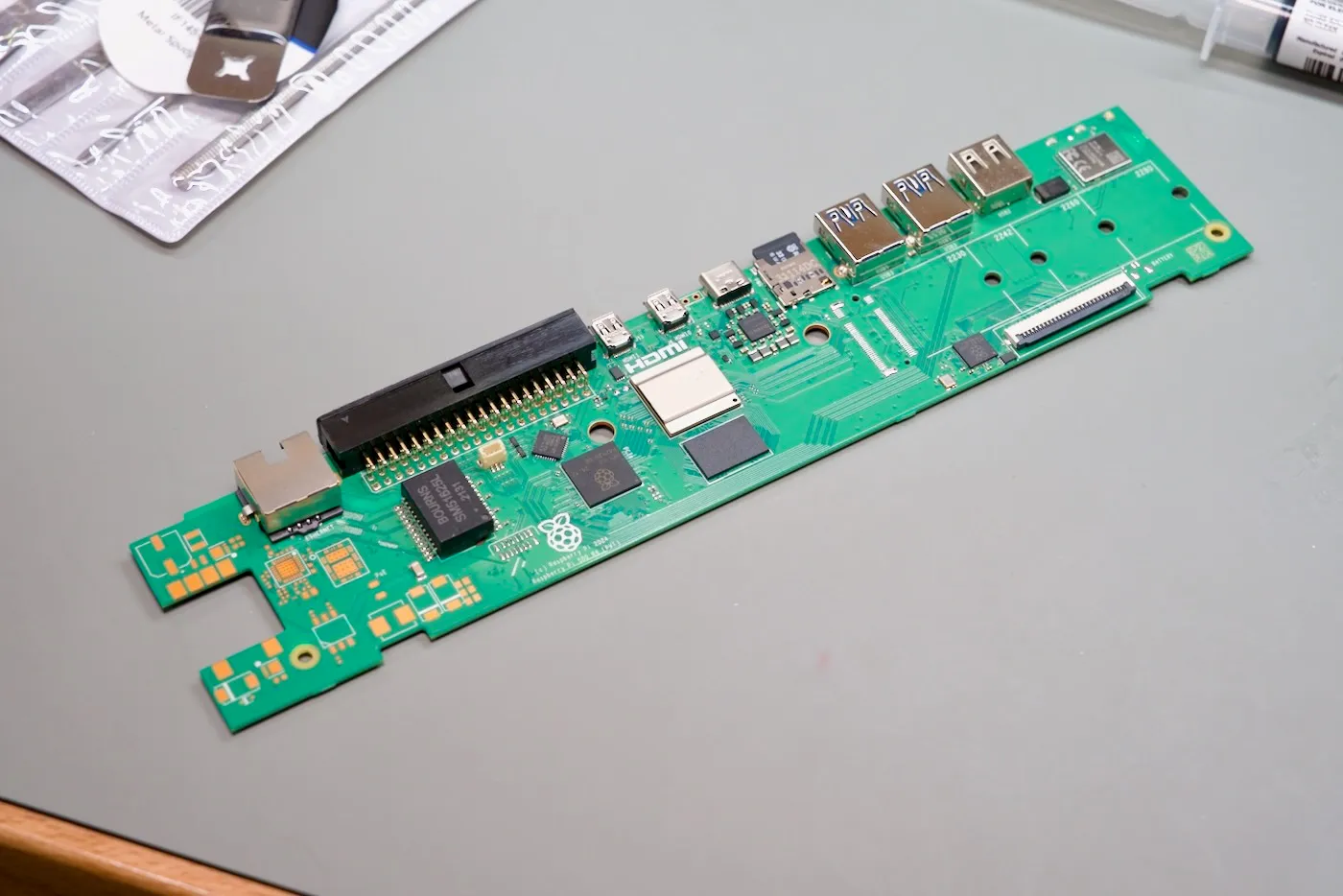
The new Raspberry Pi 500 has been released, featuring a BCM2712 SoC and 8 GB RAM, but lacks a populated M.2 slot despite having the PCB footprint for it. This omission, explained as a design choice for future flexibility, leaves users without an NVMe slot option. The RP500 is priced at $90, up from the RP400's $70. Additionally, a new 15.6" Raspberry Pi Monitor is available for $100, but its VESA mount design blocks access to ports.
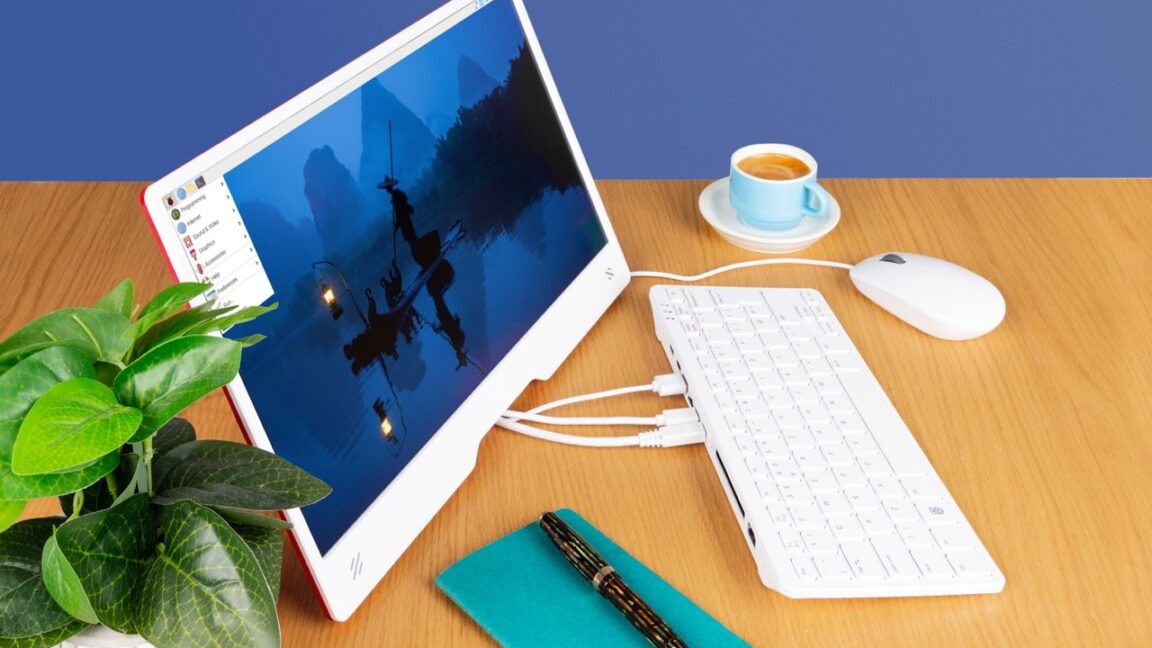
The Raspberry Pi 500, a compact desktop PC, integrates an 8GB Raspberry Pi 5 into a keyboard-shaped case for $90, offering a cost-effective computing solution. It features multiple ports, including USB and HDMI, but lacks an M.2 slot for faster storage, which may be added in future versions. A Desktop Kit with additional accessories is available for $120.
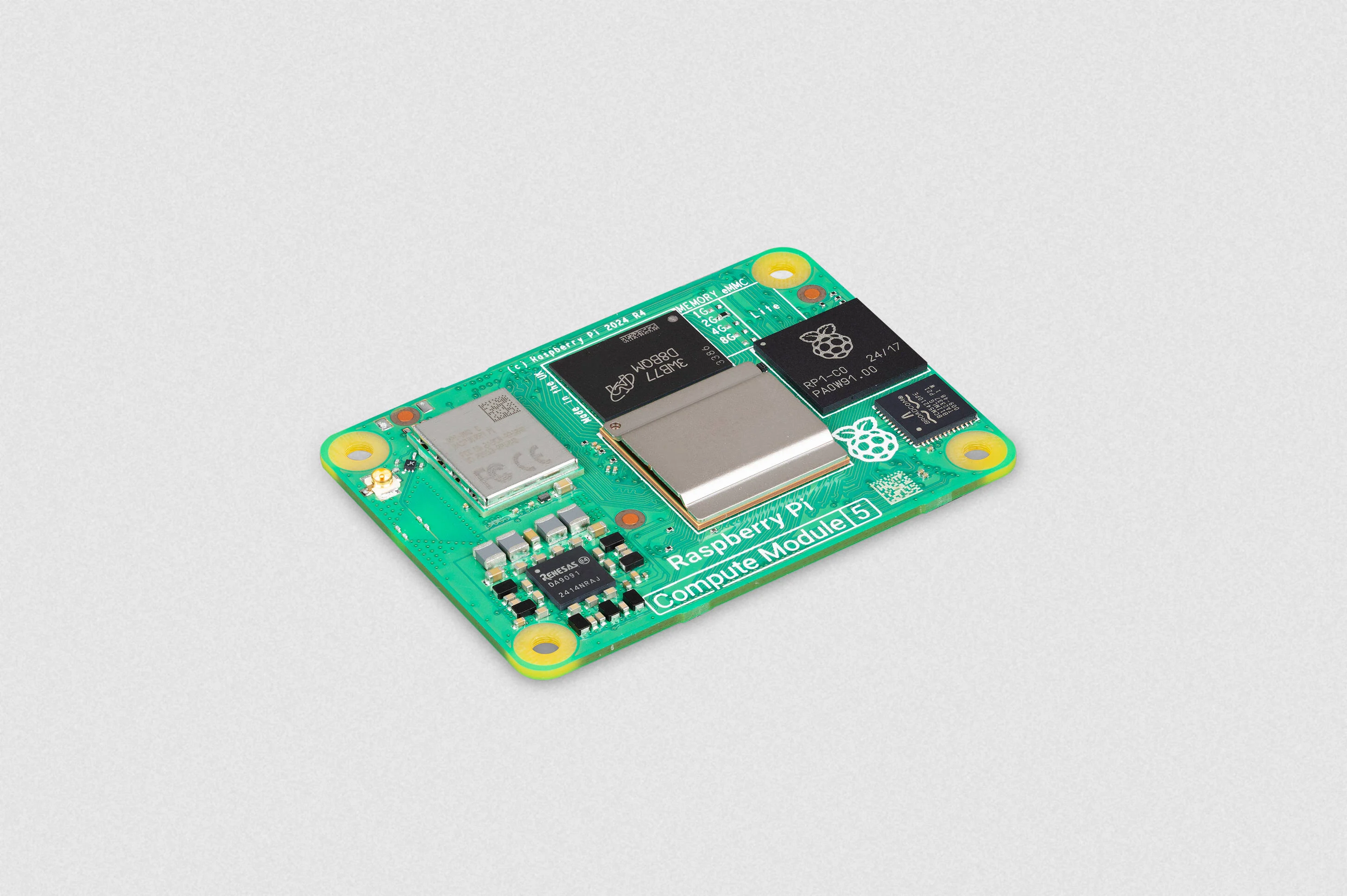
Raspberry Pi has launched the Compute Module 5 (CM5), offering significant performance improvements over its predecessor, the CM4, while maintaining a similar form factor. The CM5 features a BCM2712 Cortex-A76 64-bit SoC, with memory options up to 16 GB of SDRAM and up to 64 GB of eMMC flash memory. It includes USB 3.0 ports, replacing the previous CSI-2 and DSI ports, and requires additional cooling due to increased heat at peak performance. Prices start at $45 for the CM5Lite version, with the top model priced at $95. The launch follows a series of new Raspberry Pi products, including a wireless Pi Pico 2 and an AI HAT+.
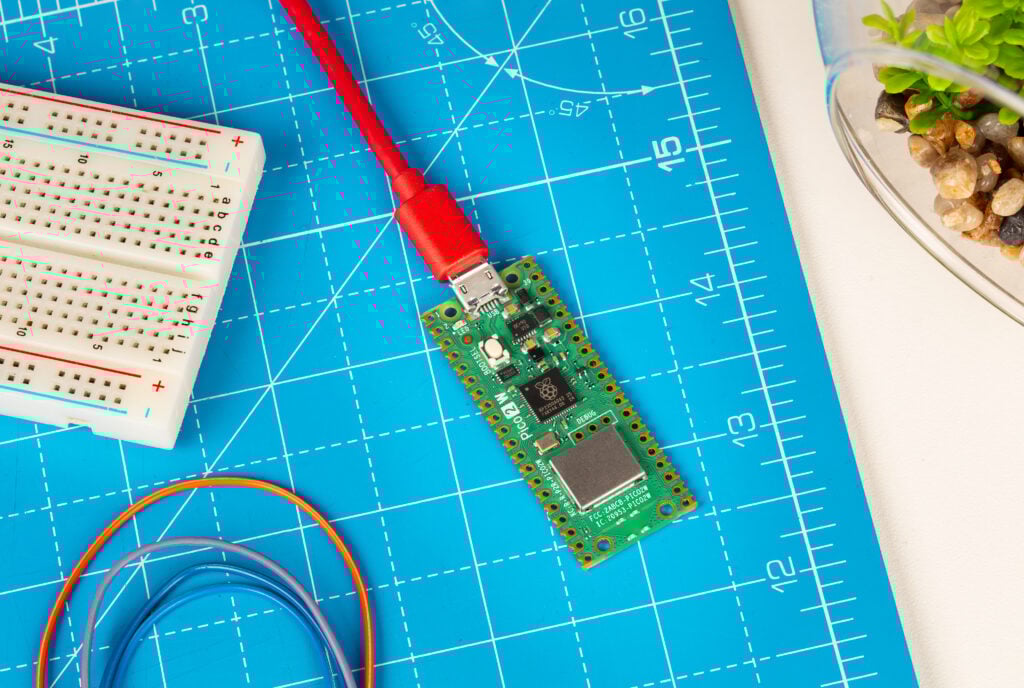
Raspberry Pi has launched the Pico 2 W, a $7 microcontroller board with wireless capabilities, designed for hobbyists and industrial use. It features Bluetooth 5.2 and Wi-Fi 802.11n connectivity, built around the RP2350 microcontroller, offering enhanced speed, memory, and security. The board supports programming in C, C++, and MicroPython, and is suitable for applications like smart home devices and robotics.
Raspberry Pi has launched the Pico 2 W, a $7 microcontroller board featuring wireless capabilities, including Wi-Fi and Bluetooth 5.2. The board is built around the RP2350 microcontroller and supports development in C, C++, and MicroPython. It offers dual-core processing with both Arm Cortex-M33 and RISC-V cores, 4 MB of flash memory, and 520 KB of SRAM. The Pico 2 W is designed for hobbyists and industrial use, with options to purchase in bulk. A non-wireless version is available for $5.
Klaus Zimmermann, a self-proclaimed "friendly hacker," has shared his experiences with different operating systems, highlighting FreeBSD's impressive performance on the Raspberry Pi, surpassing Linux distributions even without overclocking. He notes smooth browsing, video playback, and 3D gaming capabilities on FreeBSD, despite acknowledging weaker driver support compared to Linux. Zimmerman continues to use FreeBSD on the Pi as a desktop with USB WiFi and audio adapters, while for server use, he prefers Debian for its ease of setup and familiarity. His growing preference for FreeBSD, however, suggests a potential shift in his choice of operating systems for future projects.