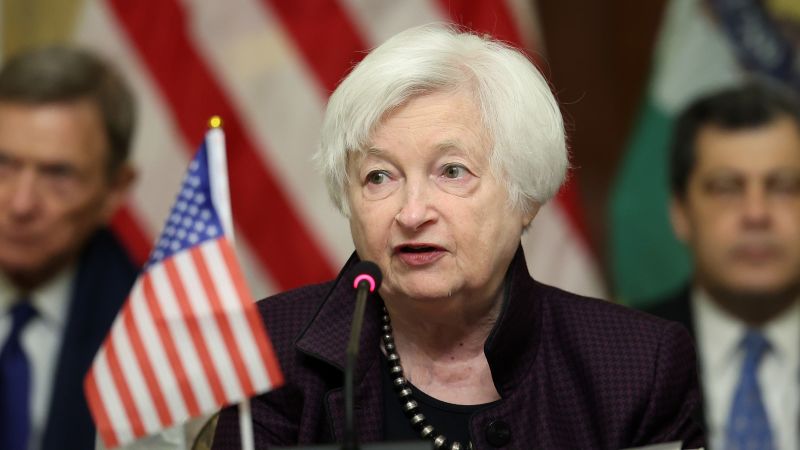
Treasury Secretary Janet Yellen defended the IRS against Republican threats to cut its funding, stating that such cuts would be damaging and irresponsible. The IRS received $80 billion in funding from the Democrats' Inflation Reduction Act to crack down on tax cheats and improve taxpayer service. House Republicans recently voted to rescind $14.3 billion from the IRS to fund an emergency aid package for Israel, but the bill is unlikely to pass in the Democrat-controlled Senate. Independent budget experts warn that cutting IRS funding would increase the deficit and reduce tax revenue. The Biden administration aims to show how the new funding is improving taxpayer services and enforcement efforts, with the IRS already making progress in reducing call wait times, digitizing tax returns, and providing more online tools and in-person support.
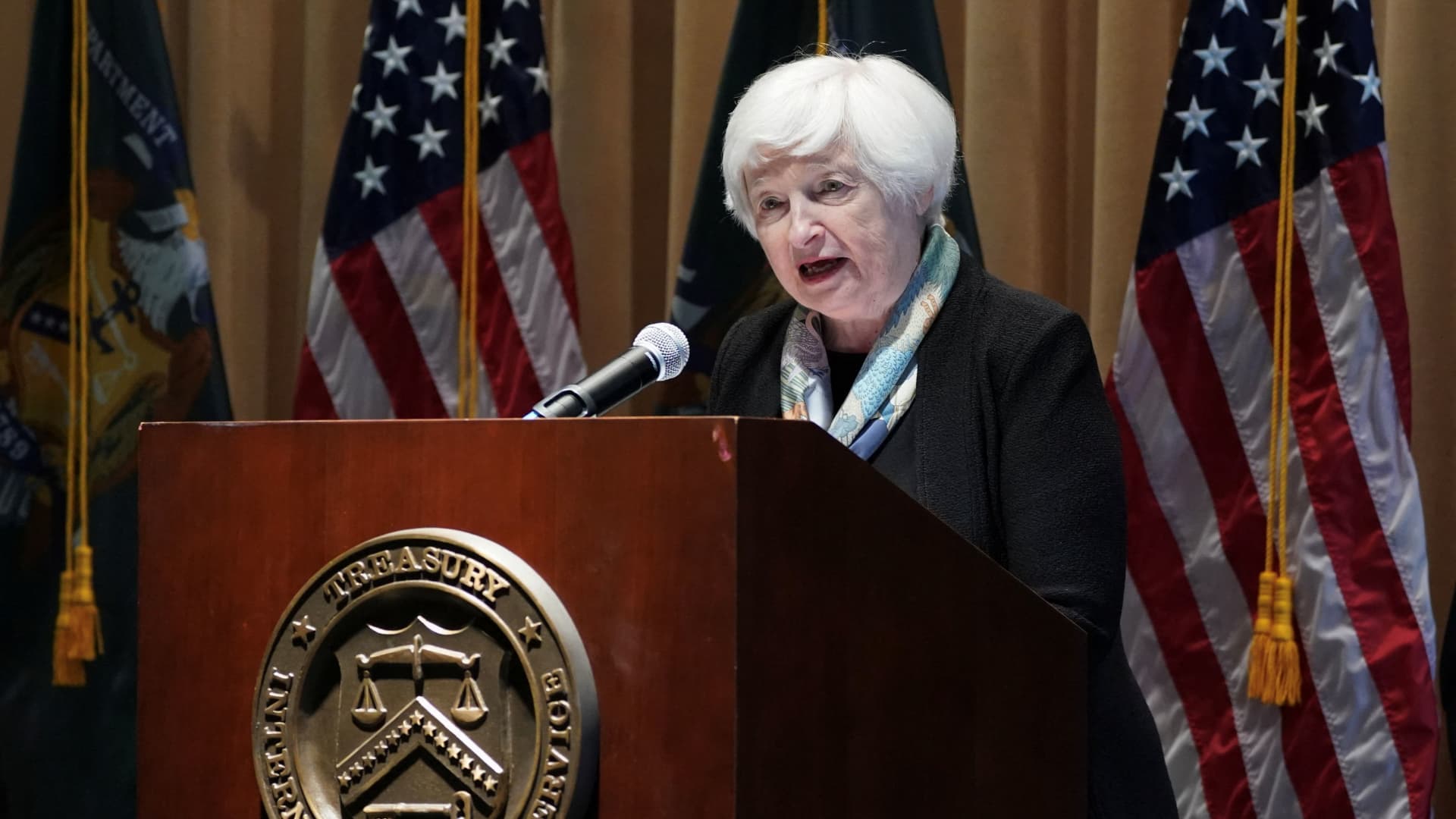
U.S. Treasury Secretary Janet Yellen outlined the IRS's plans to improve taxpayer service, including reducing phone wait times, improving online tools, and providing more in-person assistance. The agency aims to achieve an 85% level of service and reduce call wait times to five minutes or less. Yellen also highlighted the IRS's paperless processing initiative, which will allow taxpayers to electronically upload and respond to notices, reducing errors and storage costs. Additionally, the IRS will pilot a limited Direct File program for certain taxpayers in 13 states to file federal returns for free, with the goal of learning and potentially scaling the program to more users.
The Internal Revenue Service (IRS) has announced that it will scale back the practice of sending agents on surprise visits to homes and businesses to collect unpaid taxes. This change comes as part of the IRS's efforts to modernize its operations, improve customer service, and address concerns of political bias and aggressive tactics. Unannounced visits will now be limited to unique circumstances, with most interactions being scheduled through mailed letters. The decision aims to increase confidence in tax administration and improve safety for taxpayers and IRS employees. The move comes amid increased scrutiny of the agency and concerns about employee safety due to threats and misinformation on social media.