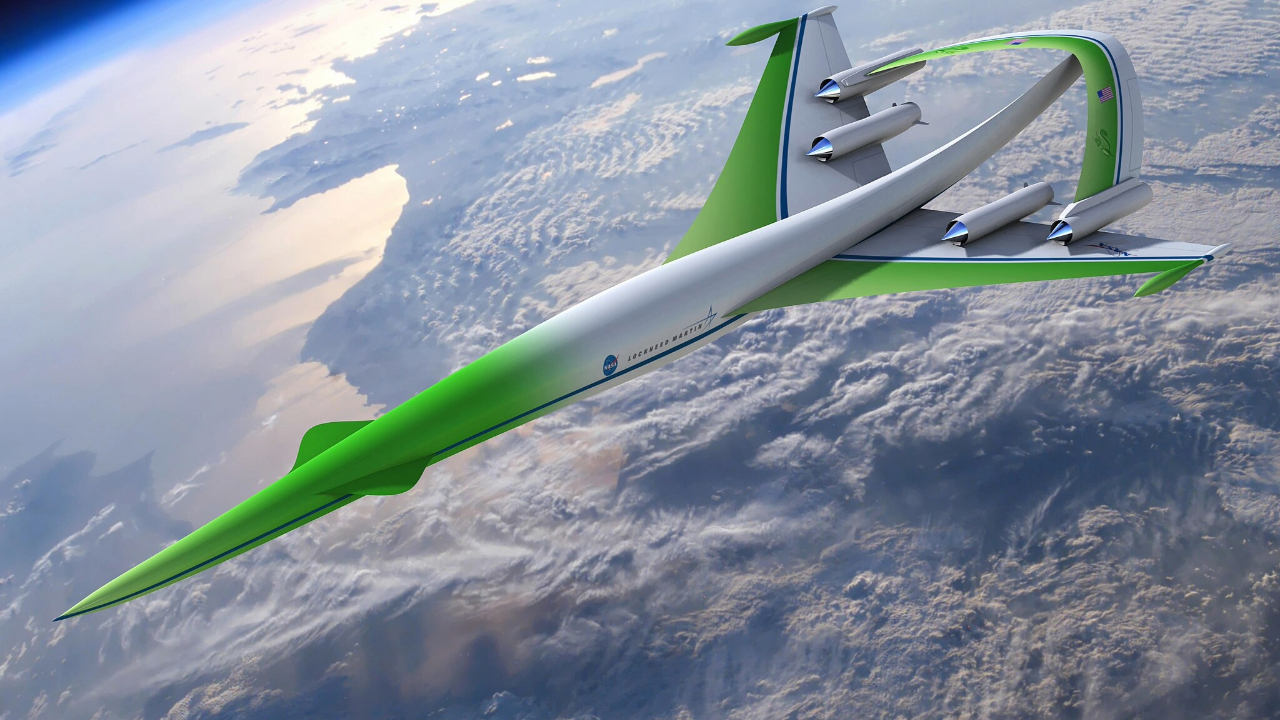
The U.S. is set to lift a 52-year ban on overland commercial supersonic flights through a new executive order, potentially enabling flights like New York to Los Angeles in 3 hours by 2027, with advancements in noise reduction technology from companies like Boom Supersonic and Lockheed Martin.
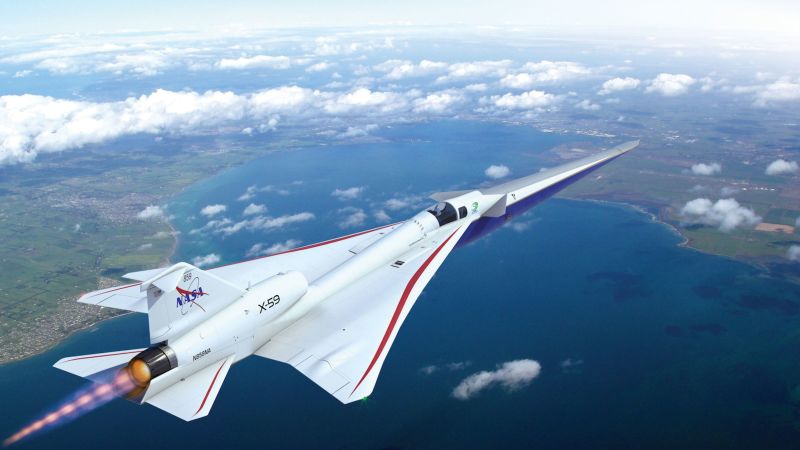
NASA has revealed its "high-speed strategy" to study the feasibility of commercial flights at speeds of up to Mach 4 (over 3,000 miles per hour), potentially reducing travel time between New York and London to just 90 minutes. The agency is developing "quiet" supersonic aircraft called X-59s as part of its Quesst mission, with hopes of eventually modifying rules that currently ban overland supersonic flight. Two teams, led by Boeing and Northrop Grumman Aeronautics Systems, will work on designing aircraft capable of sustaining high-supersonic speeds. The next research phase will consider safety, efficiency, economic, and societal factors, with the aim of having enough data to hand over to US regulators by 2027.
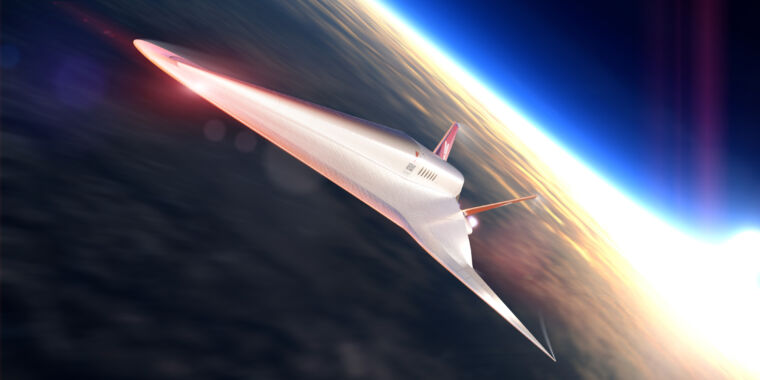
Venus Aerospace, a company co-founded by Andrew and Sassie Duggleby, is working on building a hypersonic aircraft that can travel at Mach 9, or more than 11,000 kilometers an hour. The aircraft will take off and perform a 10-minute boost with its rocket engine, sending it to an altitude of approximately 50 km. The company is using a new type of engine based on "rotating detonation" to increase fuel efficiency and has recently achieved liquid peroxide and Jet A detonation. The company has also begun testing drones to refine the shape of its plane.