
Tag

Superlubricity

All articles tagged with #superlubricity

science-and-technology1 year ago

"Breakthrough Study Achieves Macroscale Superlubricity"

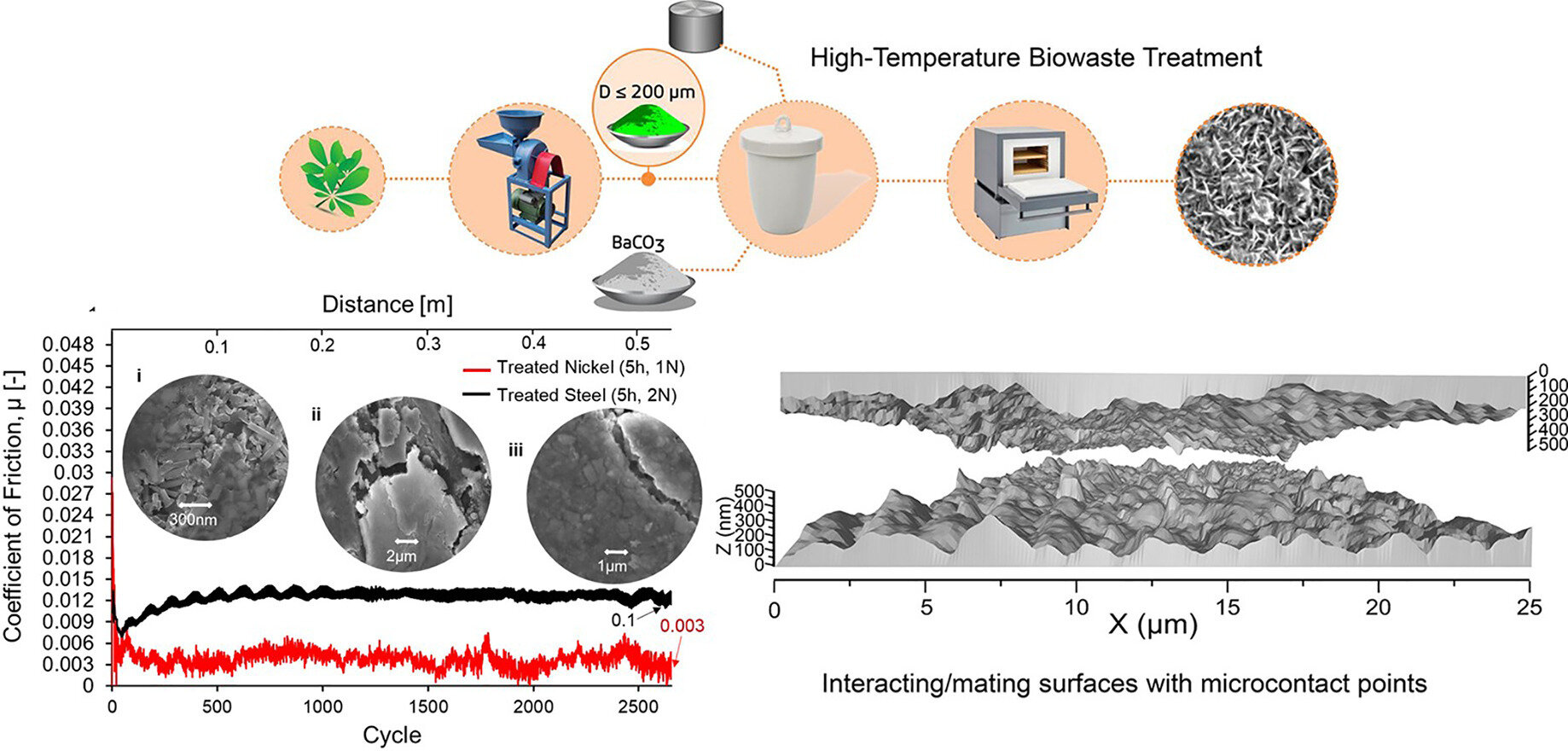
Researchers at SUNY Polytechnic Institute have demonstrated that superlubricity, a state of near-zero friction, can be achieved at the macroscale using carbon coatings derived from biowaste. This breakthrough has significant implications for various industries, including automotive, manufacturing, and electronics, by improving fuel efficiency, reducing wear and tear, and lowering maintenance costs. The study, published in Applied Materials Today, highlights the potential for these coatings to create a more sustainable industrial future.
science2 years ago

"Unraveling the Laws of Superlubricity: A Scientific Breakthrough"

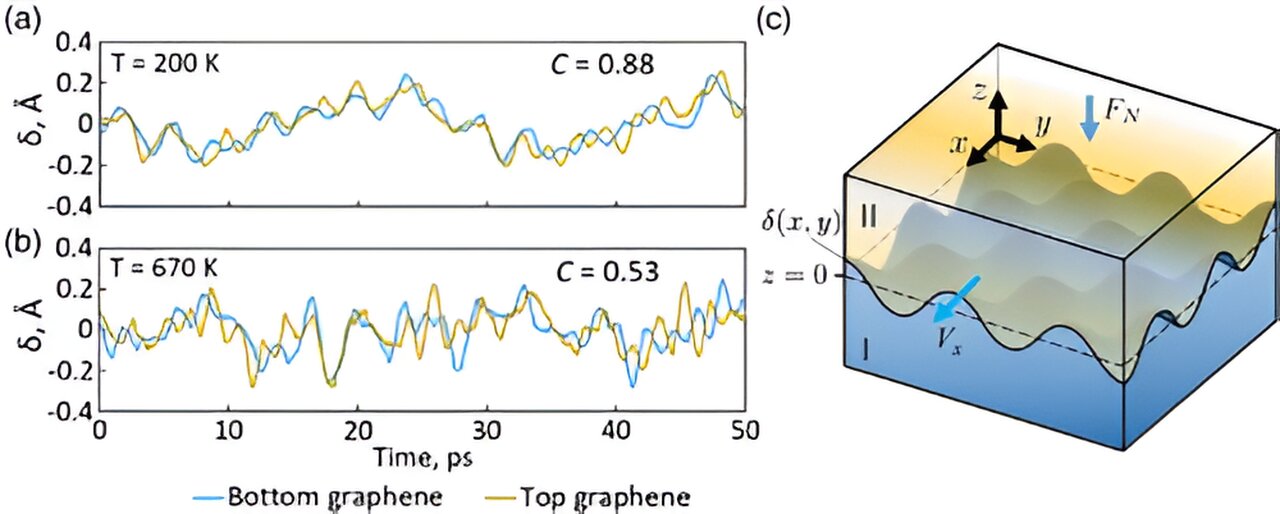
Scientists at Skoltech have unraveled the mystery of superlubricity, a phenomenon where friction is extremely low and does not depend on the weight of the sliding body. They conducted experiments, numerical simulations, and theoretical conceptualization to explain the atomistic mechanism behind this phenomenon and formulated alternative friction laws for superlubricity. The study reveals that synchronous thermal fluctuations, in sync with the sliding motion, play a crucial role in hindering relative motion between surfaces, leading to ultralow friction. Understanding this at the microscopic level could have significant implications for energy-saving mechanisms worldwide.

technology2 years ago

Revolutionary Coating Reduces Economic Losses from Friction and Wear.

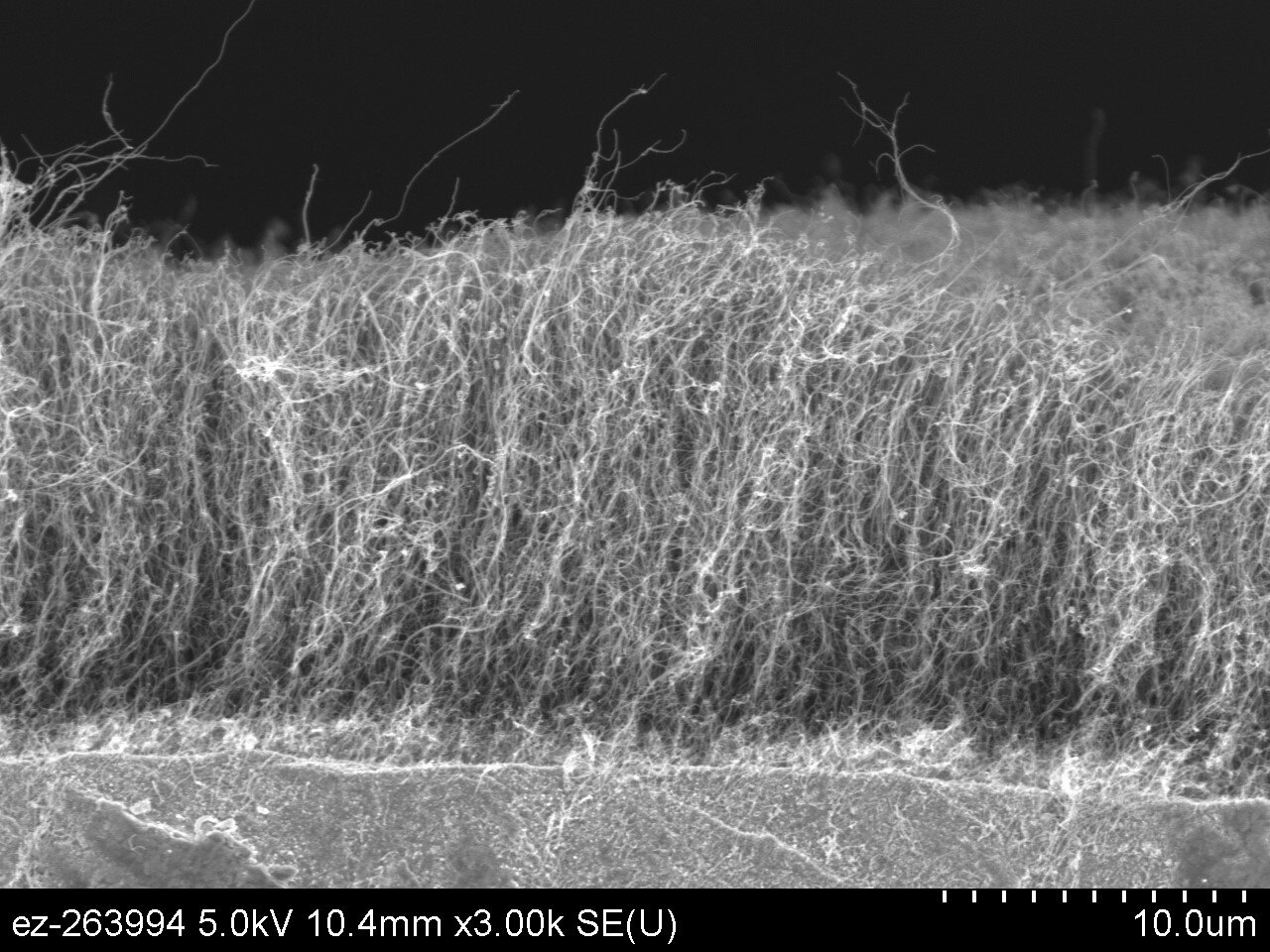
Scientists at the Department of Energy's Oak Ridge National Laboratory have developed a coating made of carbon nanotubes that reduces friction in load-bearing systems with moving parts, such as vehicle drive trains and turbines, by at least a hundredfold. The coating reduces the friction of steel rubbing on steel to nearly zero, which could help reduce energy consumption and elongate the lifespan of systems. The ORNL coating could help reduce the US economy's annual loss of over $1 trillion to friction and wear, equivalent to 5% of the gross national product.