
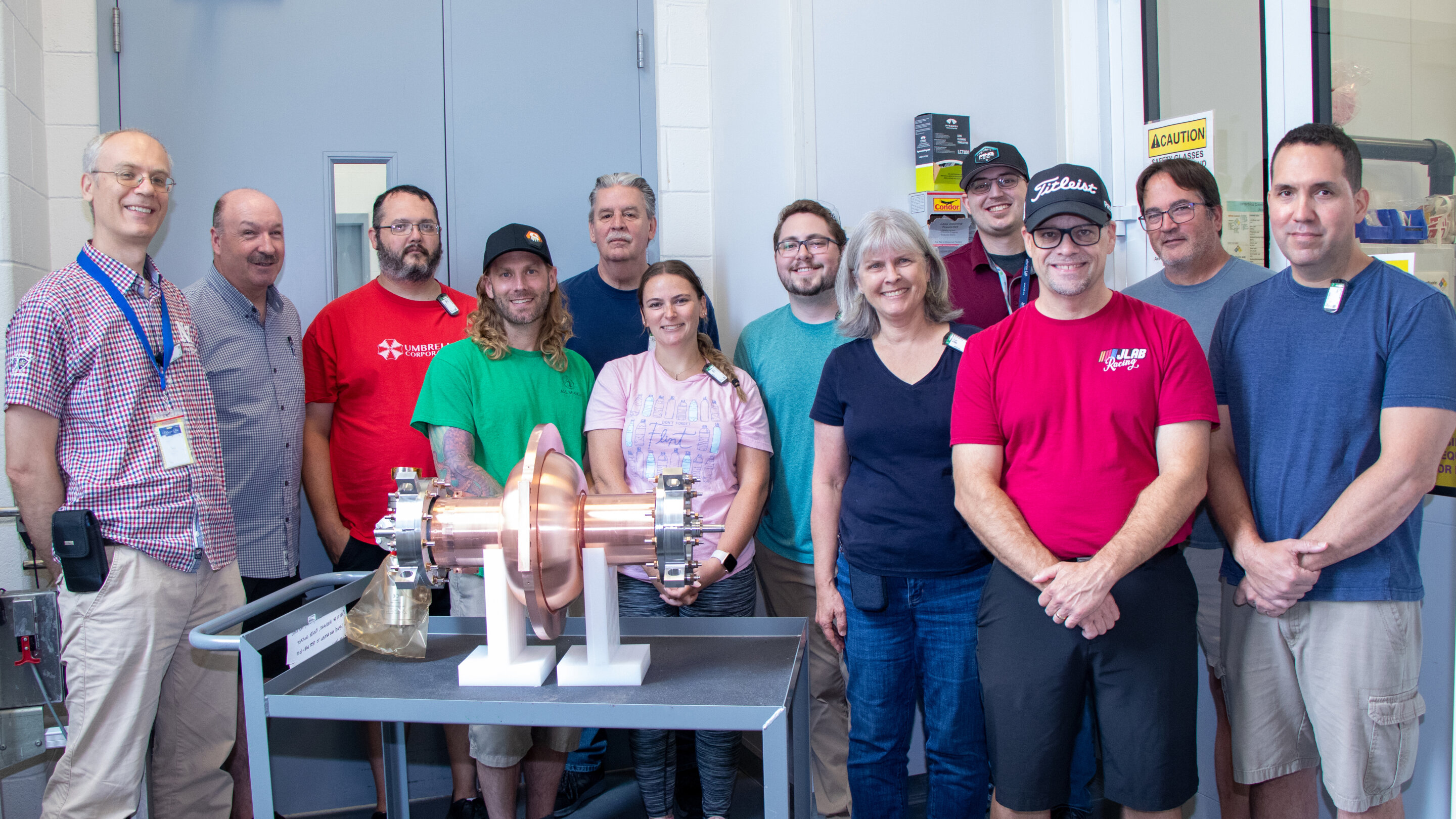
Researchers at the U.S. Department of Energy's Thomas Jefferson National Accelerator Facility, in collaboration with General Atomics and other partners, have successfully designed, prototyped, and tested a conduction-cooled particle accelerator cavity, demonstrating its feasibility for commercial applications. The prototype features advanced commercial off-the-shelf cooling components and novel superconducting materials, and it achieved the same specifications as traditional liquid helium-cooled cavities. This breakthrough design paves the way for more efficient, compact, and reliable superconducting radiofrequency accelerators with potential applications in environmental remediation and industrial processes.
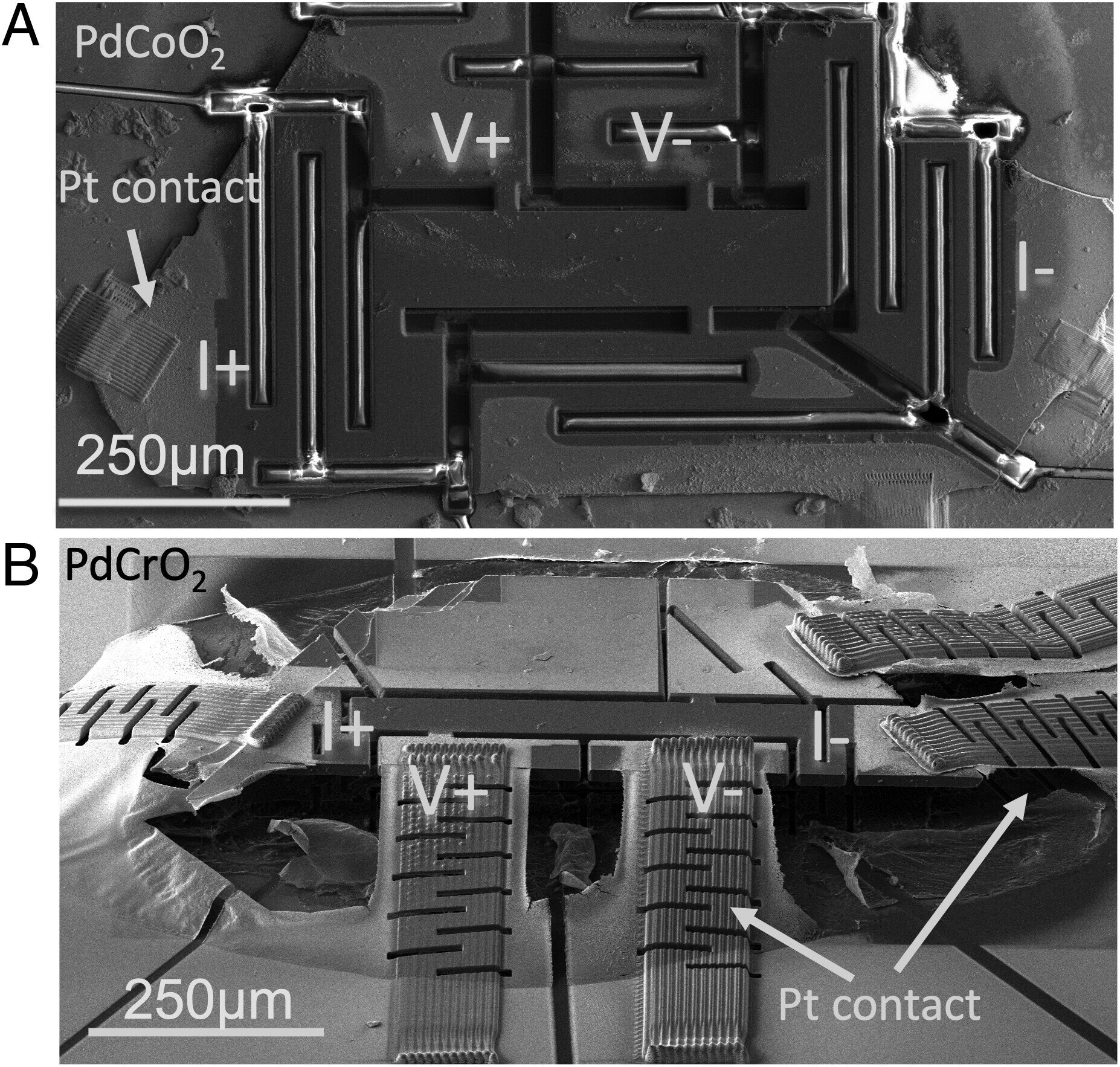
Physicists have been studying the phenomenon of "Planckian" scattering in superconducting materials, which occurs when electrons scatter at high rates influenced by temperature. Researchers have now compared the compounds PdCrO2 and PdCoO2 to understand why Planckian scattering occurs in one but not the other. By examining the microscopic properties of these compounds, they have provided a quantitatively accurate description of the origin of Planckian scattering in strongly interacting metals. This research could provide insights into the puzzle of high-temperature superconductivity and lead to the development of more efficient electrical energy transfer.
Researchers at the Cornell University Center for Bright Beams have developed new techniques to guide the growth of materials used in next-generation particle accelerators. The study reveals the potential for greater control over the growth of superconducting Nb3Sn films, which could significantly reduce the cost and size of cryogenic infrastructure required for superconducting technology. The team delivered the first atomic-scale images of Sn on oxidized niobium, depicting the early stages of Nb3Sn formation, which is an essential advancement in creating a mechanistic formula for optimizing the fabrication of next-generation accelerator cavities.