A fifth-grade teacher in Southboro, Massachusetts, has been placed on leave after holding a mock slave auction, using racial slurs, and singling out students of color. The school's superintendent apologized for the incidents and stated that new measures will be implemented to prevent such occurrences in the future.
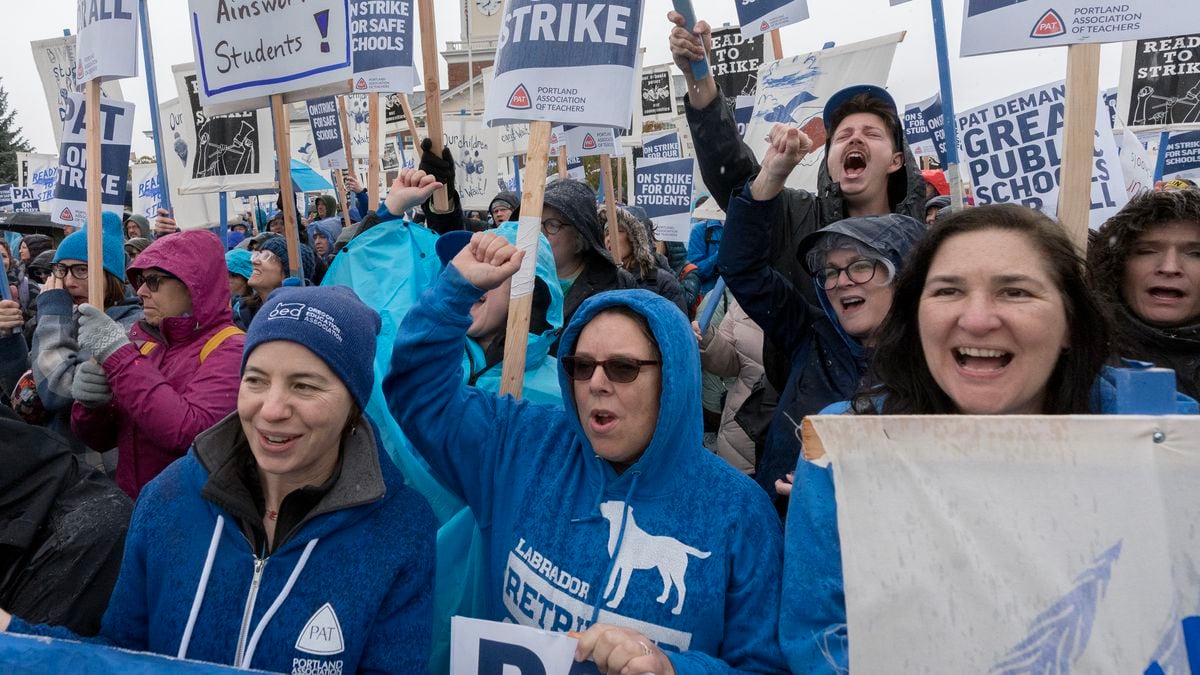
The ongoing teachers strike in the Portland Public School District is not only about wages and class sizes but also about addressing a policy that leads to disproportionately high rates of suspension for Native and Black students compared to their white peers. The policy, outlined in Article 9 of the union contract, sets mandatory minimum suspensions for certain referral types. Education experts argue that this method of discipline is subjective and results in students of color being suspended at much higher rates. Both the district and the teachers' union have proposed changes to Article 9, with an emphasis on restorative justice, but they differ on the specifics. The district's proposal suggests eliminating mandatory minimum suspensions, while the union calls for the creation of intervention spaces and a more rigorous tracking system for referrals. The disproportionate rates of discipline raise concerns about whether students of color are receiving the necessary support in Portland schools.
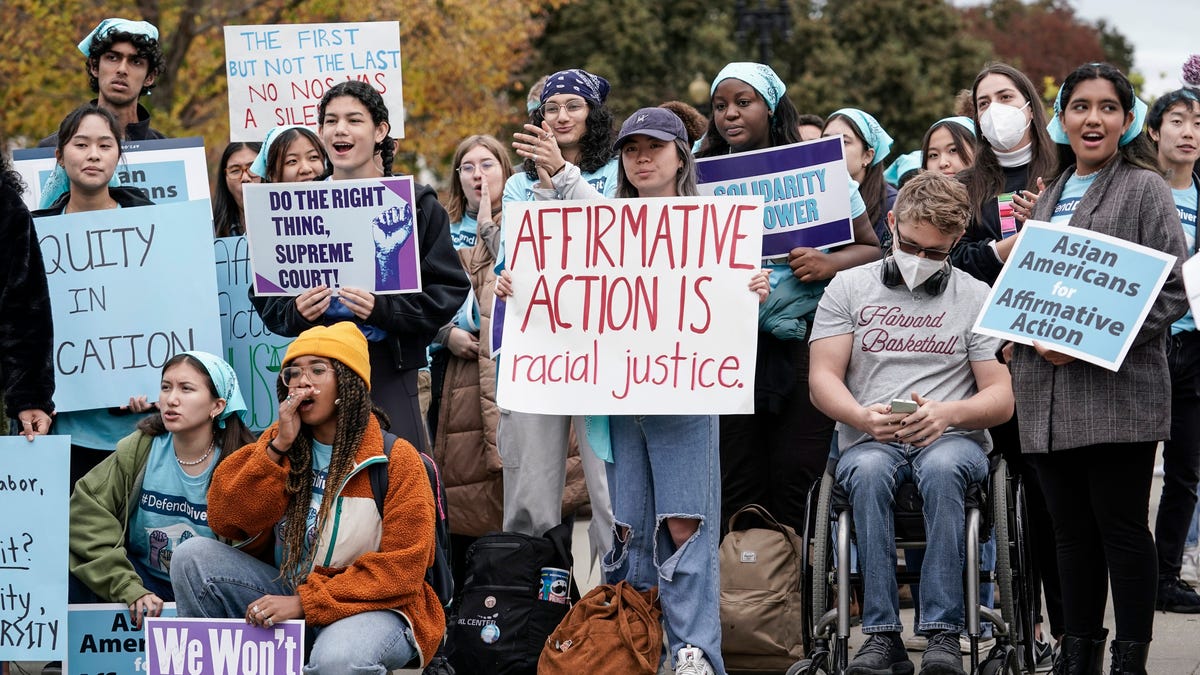
The recent Supreme Court ruling that Harvard and the University of North Carolina violated the Constitution by considering race in admissions decisions has significant implications for college admissions. Affirmative action, which is common at highly selective institutions, is no longer allowed. Students of color express concern about the impact on their applications and outlook. However, colleges can still pursue diversity goals through other means, such as considering applicants' discussions of how race affected their lives. The ruling may lead to more emphasis on personal statements and essays, where race often comes up. Legacy admissions and standardized test scores may also face scrutiny. Colleges will need to focus on recruiting from a wide range of communities to ensure diversity in their applicant pools. The ruling is expected to result in less racial diversity at highly selective universities, and efforts to achieve diversity through other measures may take time.
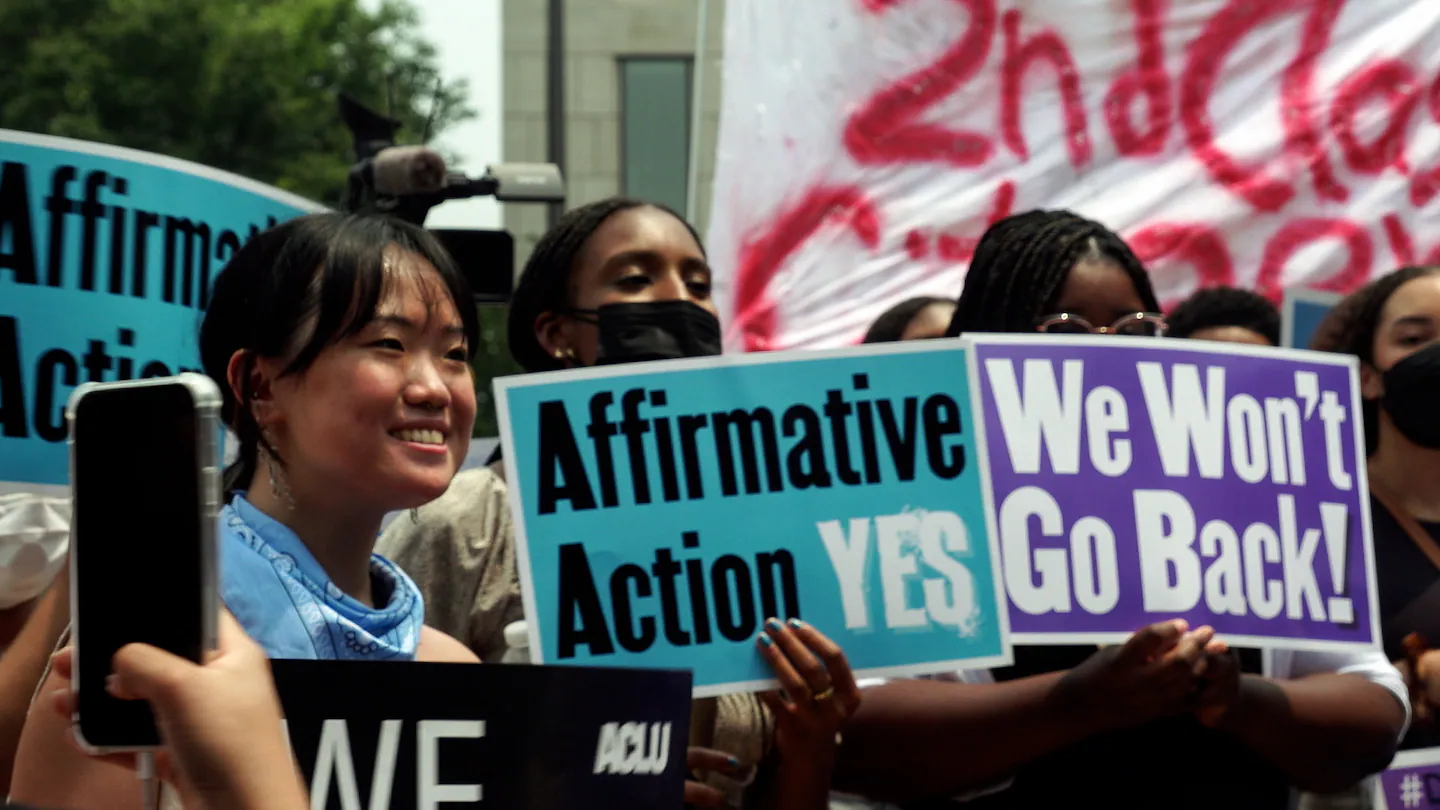
The recent Supreme Court ruling that colleges cannot consider race in admissions has caused turmoil among college applicants and admissions counselors. Students of color are concerned about their chances of getting into competitive colleges, while counselors are unsure how to advise them. The ruling is expected to diminish minority enrollment at top schools, while less selective public universities may see an increase in diversity. The ruling also raises new questions for students of color about how to discuss their racial identity in personal essays. Some students fear mentioning their race, while others believe the ruling will benefit them. The long-term impact on college campuses and underrepresented groups remains uncertain.