The student housing sector is experiencing a shift away from luxury amenities towards more affordable, functional living spaces due to economic concerns and changing student preferences, with increased focus on large public universities and a slowdown in new development, which may boost existing asset values.

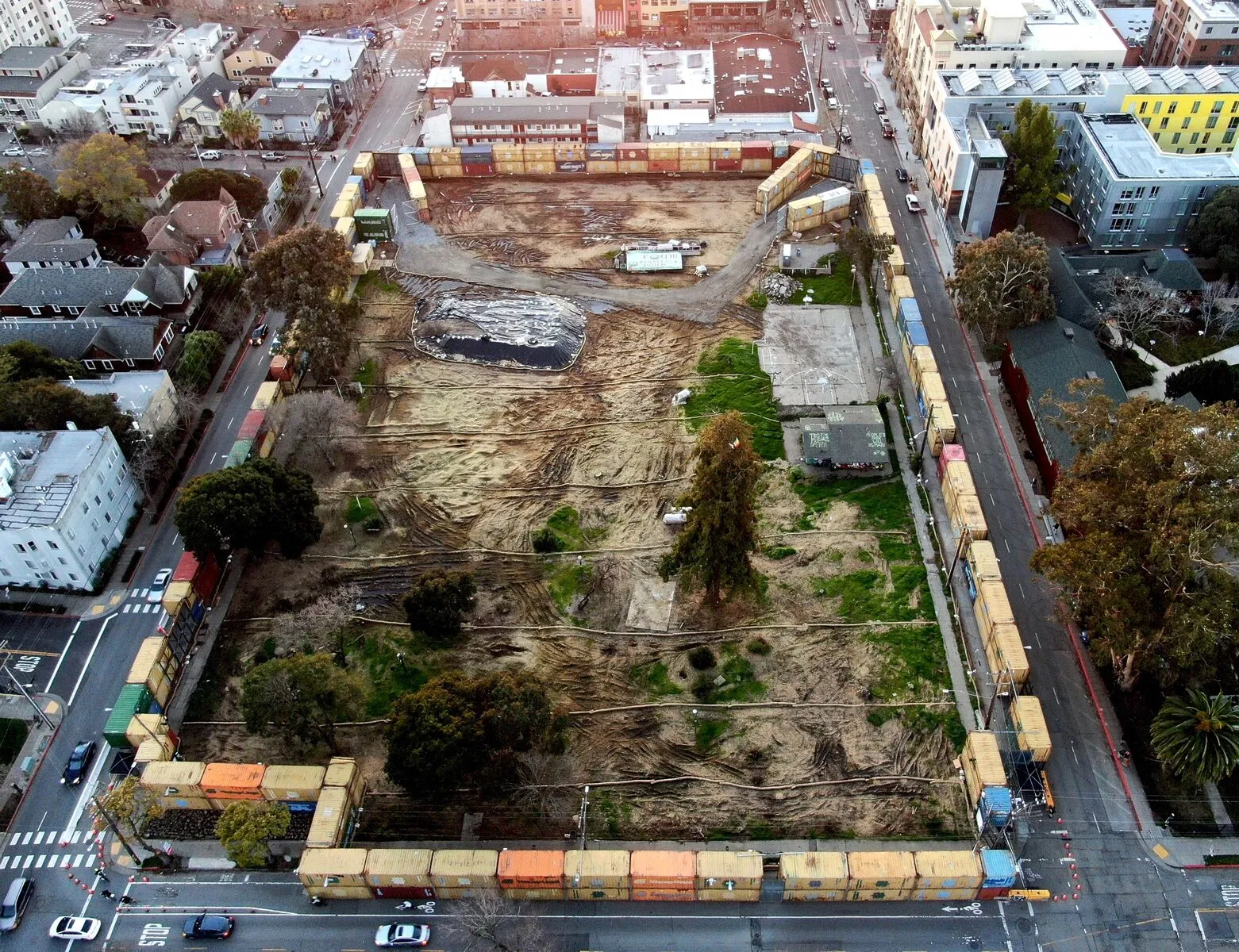
The California Supreme Court has ruled that UC Berkeley can convert the historic People's Park into student housing, ending a lengthy legal battle. The decision follows a new law that exempts housing projects from noise impact studies under the California Environmental Quality Act. The $312 million project will provide housing for 1,100 students and preserve over 60% of the park as open space. The park, a symbol of counterculture and protest since the 1960s, has been a contentious site for development.
The California Supreme Court has ruled in favor of UC Berkeley's plan to build student housing on People’s Park, dismissing a lawsuit from neighborhood groups and activists who argued the project violated environmental regulations and would create excessive noise. The decision, influenced by a new state law AB 1307, allows the university to proceed with constructing 1,100 student beds and 100 supportive beds for formerly homeless residents, addressing a significant housing shortage.
Patrick Nelson, a pioneer in off-campus student housing, is facing a $115 million bill and numerous lawsuits from angry investors and lenders. His business has soured in recent years, leading to escalating fines and interest, as well as civil contempt charges from judges over alleged misuse of company money. Despite the mounting legal challenges, Nelson maintains that he is doing everything he can to live up to his obligations.
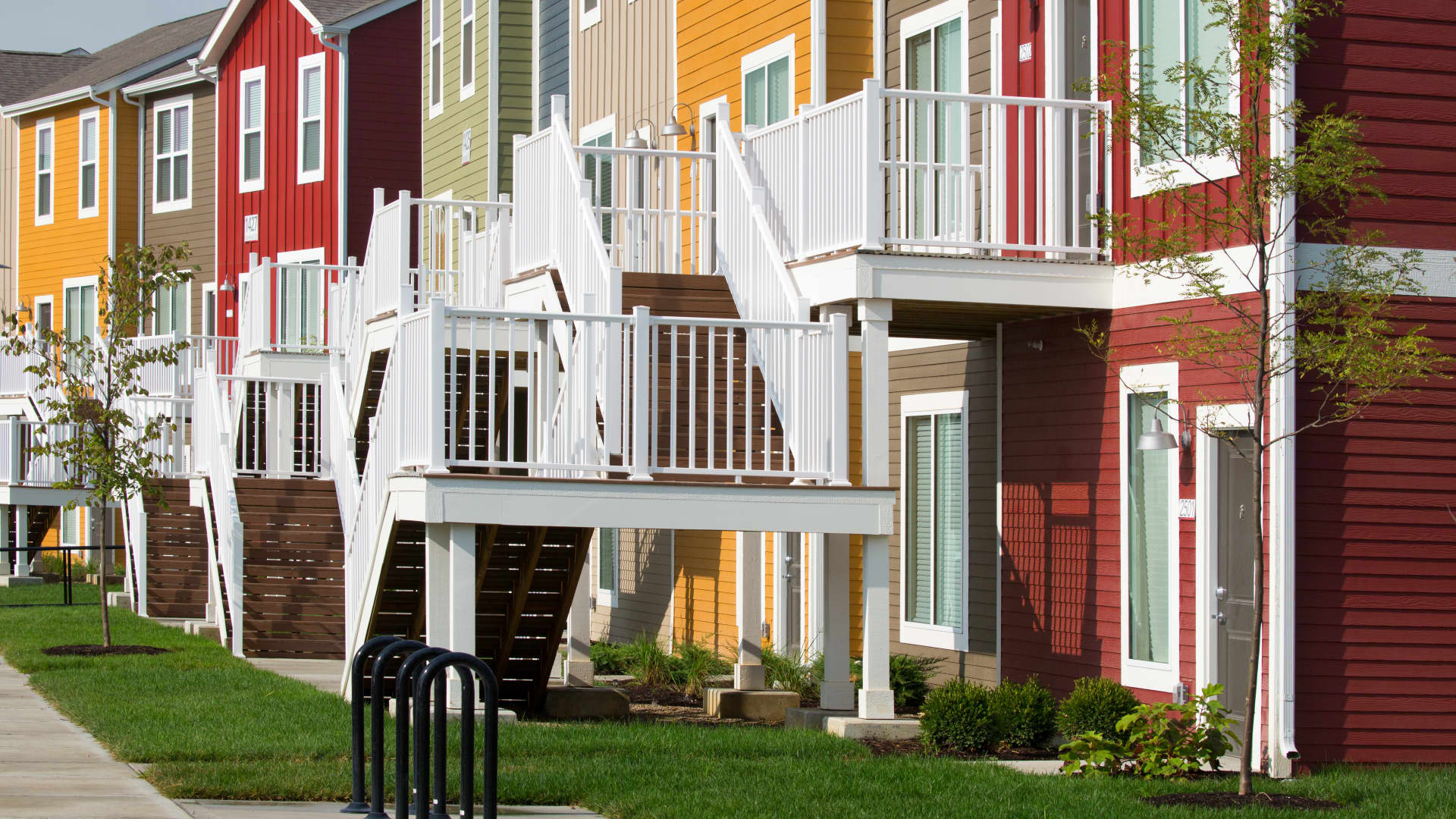
Off-campus student housing complexes are becoming larger, with some accommodating over 1,500 students and offering resort-like amenities such as pickleball courts and motion sports simulators. The move towards bigger complexes is driven by the desire to spread costs over a larger number of beds and attract institutional and global investors, although developers face challenges such as higher land costs and potential declines in college enrollment.
Blackstone, the largest owner of commercial real estate globally, is focusing on the student housing rental market due to increasing demand. Kathleen McCarthy, Blackstone's global co-head of real estate, highlighted the acquisition of American Campus Communities as a way to address the shortage of student accommodations. Blackstone also sees rental housing as resilient and has made investments in countries like Australia, Canada, and the UK, where universities are growing but require housing. McCarthy also mentioned datacenters and logistics as other key areas of interest in the real estate market.
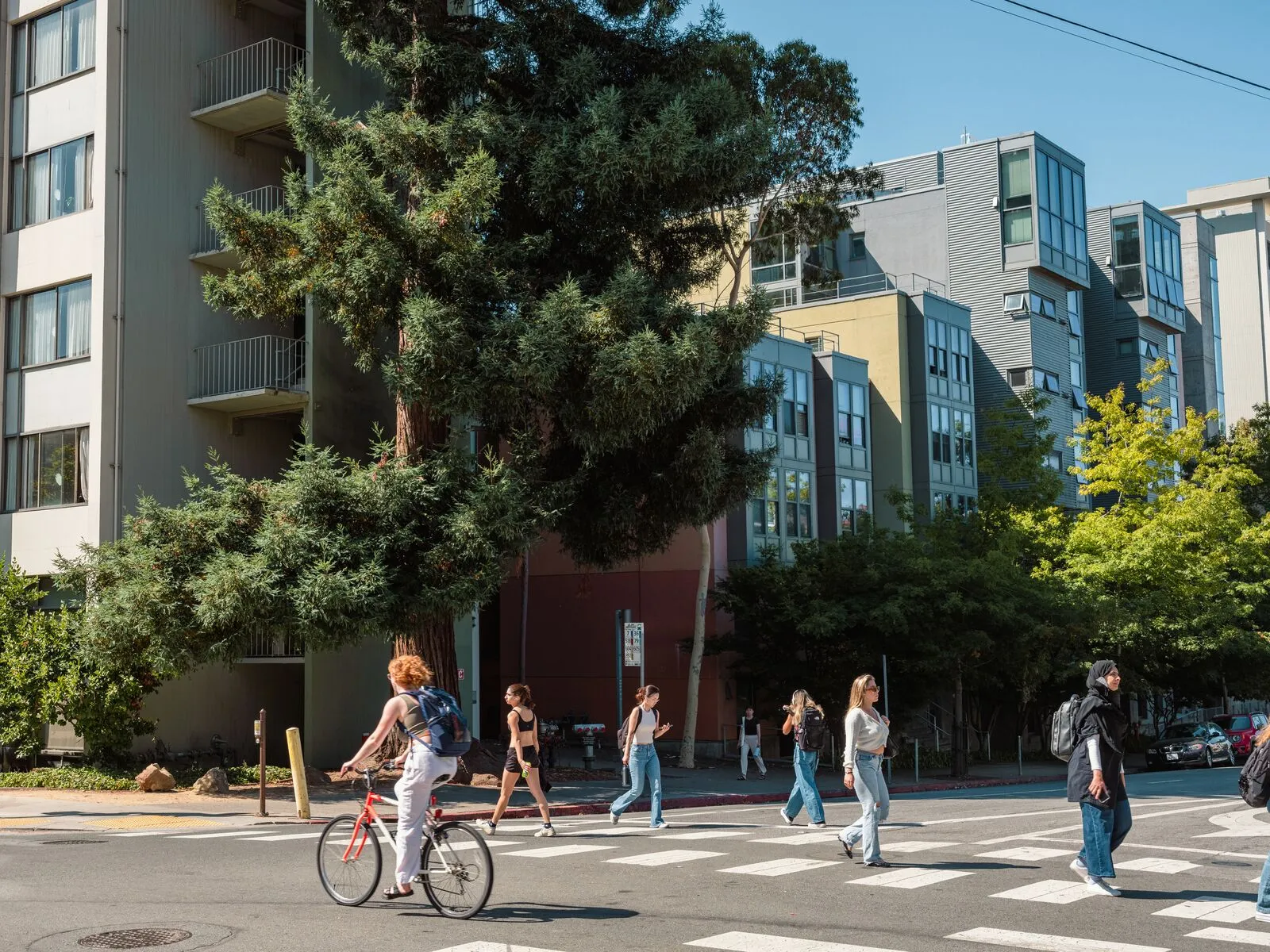
The city of Berkeley is considering raising the height limit for buildings in the Southside neighborhood to 12 stories in an effort to address the student housing crunch. The proposed zoning changes would allow developers to construct taller apartment buildings along Telegraph Avenue and surrounding blocks. Supporters argue that increasing housing options near the campus will alleviate pressure on the rental market and prevent students from competing with long-time residents for apartments elsewhere in the city. The changes are part of a larger effort by the Berkeley Planning Commission to rewrite zoning rules and encourage more construction throughout the city.
Hundreds of University of Texas at Austin students were informed just 24 hours before their scheduled move-in that their new apartment building, The Rambler, had failed a fire inspection and would not be ready for occupancy until August 26. Students expressed frustration and concern about their living situations as classes were set to begin. The Rambler is offering financial assistance and alternative housing options while working to rectify the issues and pass the necessary inspections.
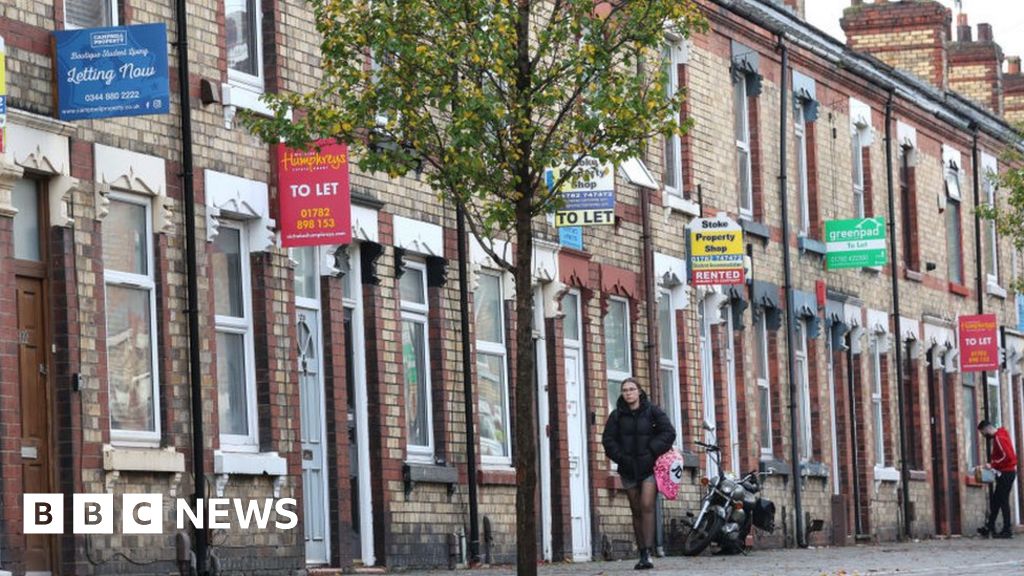
Landlords have warned that the Renters Reform Bill, which proposes to abolish fixed-term tenancies in England, would "decimate" the student housing market. The National Residential Landlords Association (NRLA) said a lack of certainty properties would be available at the start of the academic year could cause "chaos". However, the National Union of Students said if students were exempt from reforms they would become an "underclass". The government said it was engaging with students and landlords.
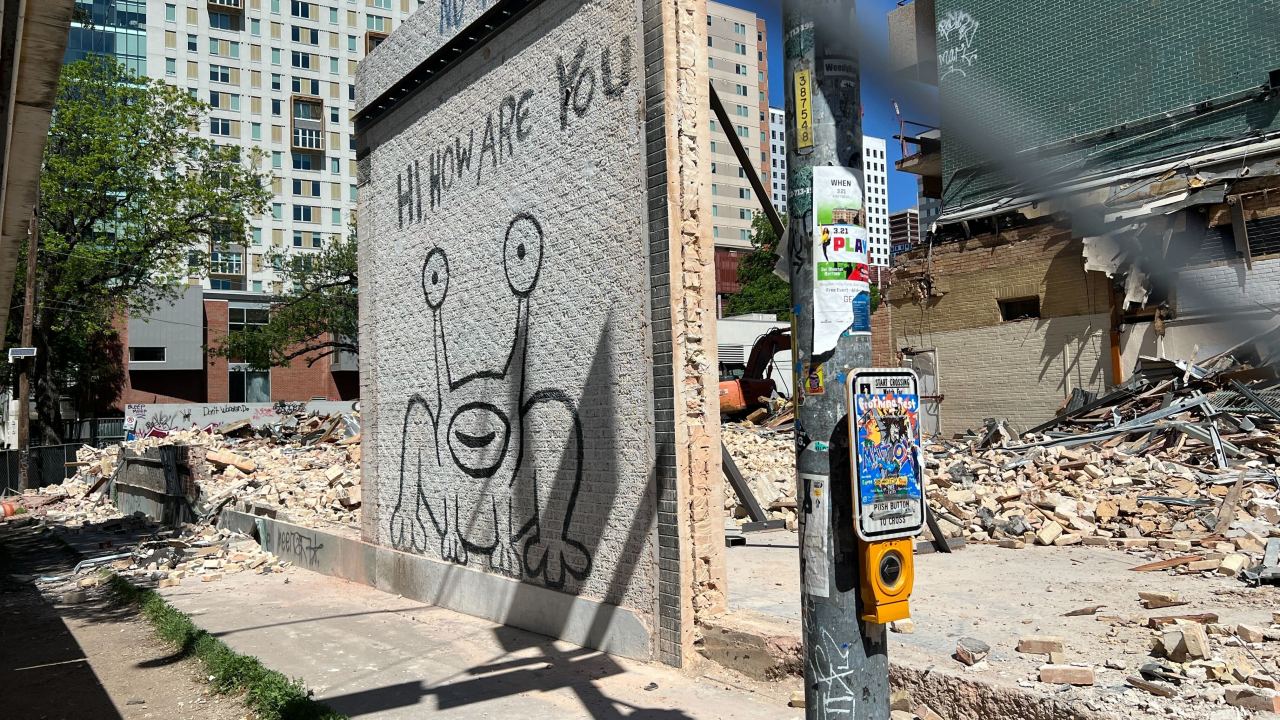
The "Hi, How Are You" mural in Austin, Texas, created by artist and musician Daniel Johnston in 1993, remains standing despite the demolition of the building it was attached to. The nonprofit Hi, How Are You Project announced on Instagram that the mural will be preserved during the construction of a new student housing project by American Campus Communities. The mural features a creature named Jeremiah with the words "Hi, How Are You" above him and has become a cultural staple in the city.
Twelve people were injured, some seriously, after the second floor of an apartment building collapsed in Pennsylvania, just over a mile from Indiana University of Pennsylvania. The complex advertises its apartments as off-campus housing for students of the nearby university, although it's not known at this time if any of the injured were students. The cause of the collapse remains under investigation.