Medical Properties Trust has sold the majority of its interests in five Utah hospitals for $886 million to an unspecified investment firm’s joint venture, while also receiving a $190 million non-recourse secured loan. This comes after the recent sale of five hospitals to Prime Healthcare for $350 million. The company is aiming to free up liquidity following financial challenges related to its exposure to Steward Health Care's financial instability, which led to a net loss of $556 million for fiscal year 2023. With the Utah deal closed, MPT's CEO is confident that the company will exceed its $2 billion liquidity threshold.

Steward Health Care, a tenant of Medical Properties Trust, is reportedly selling its physician network to UnitedHealth's Optum Care arm in an effort to strengthen its national network of hospitals and resolve financial issues. The sale, which is expected to enable Steward to repay outstanding obligations to Medical Properties Trust, is pending regulatory approval and the price has not been disclosed. While seen as a positive step, uncertainties remain, leading to a neutral sentiment from analysts.
Steward Health Care's physician group has been purchased by OptumCare, a subsidiary of UnitedHealth Group, prompting state health care officials to review the proposed sale's potential impacts on health care costs, quality, access, and equity. The Health Policy Commission will assess the transaction and may initiate a full Cost and Market Impact Review if significant impacts are anticipated. Sen. Ed Markey expressed concerns about Steward's financial instability and urged Optum to prioritize controlling costs and preserving health care access in Massachusetts. Steward also indicated that it anticipates providing notices of material change regarding transactions involving its acute care hospitals and other provider operations in the next 12 months.
Steward Health Care plans to sell its doctor network to UnitedHealth's subsidiary, Collaborative Care Holdings, prompting concerns from Massachusetts officials and community leaders about the impact on the state's healthcare system. The proposed deal, which includes Steward's primary care doctors and clinicians in nine states, is subject to review by state regulators and potential antitrust scrutiny. Critics worry about the potential negative effects on Steward hospitals and the growing market power of UnitedHealth's Optum, which has been aggressively expanding its presence in Massachusetts through acquisitions.
Glenwood Regional Medical Center in West Monroe, Louisiana, faces recurrent supply and staffing shortages as part of a financial crisis affecting its national for-profit health care chain owner, Steward Health Care. The hospital, restricted to one-third capacity, has been cited for inadequate staffing and supplies, leading to patient safety concerns. The situation has raised questions about the stability of private equity health care deals, with local officials expressing alarm and a desire for the hospital to be sold to another owner.
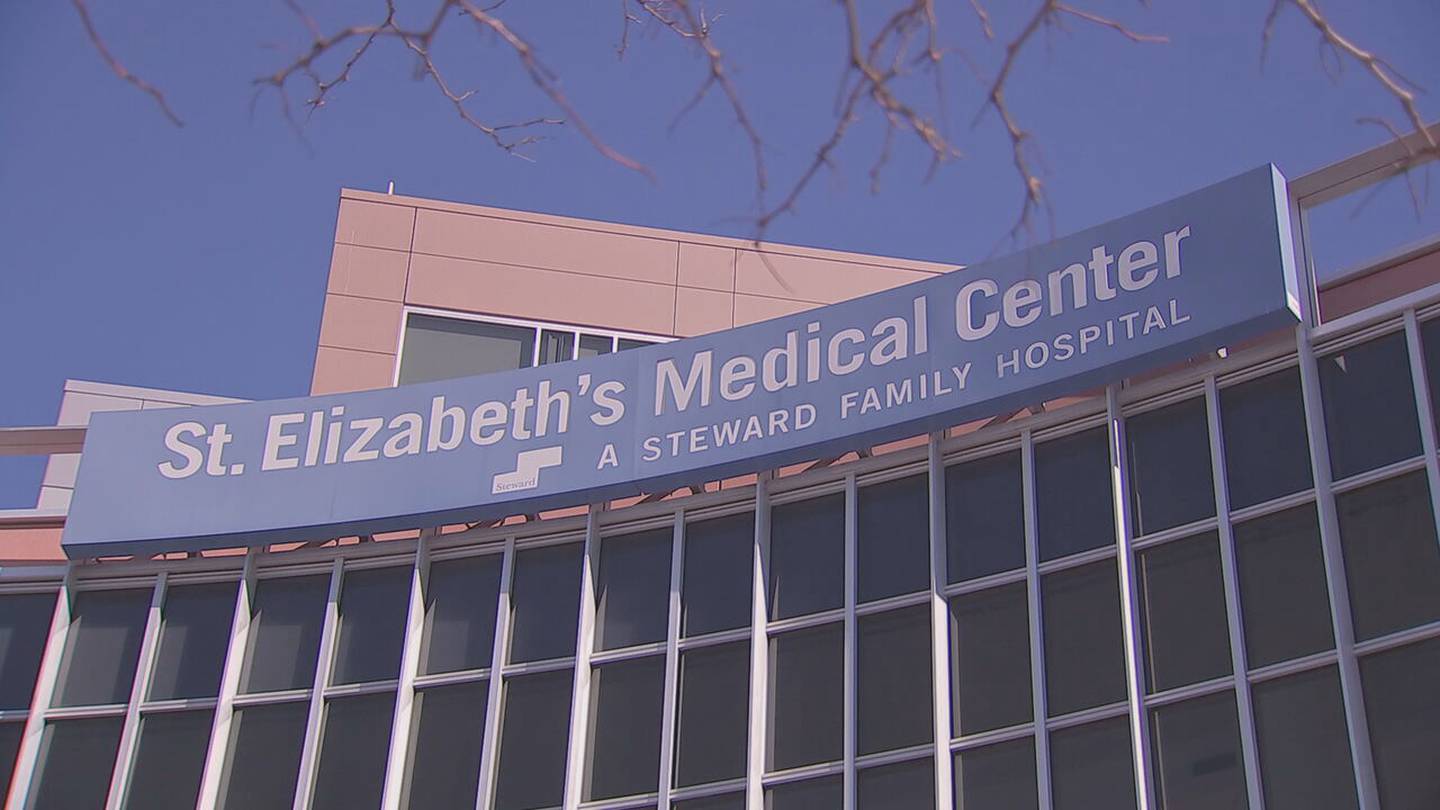
Sungida Rashid died after giving birth at Boston's St. Elizabeth's Medical Center, triggering public scrutiny into the patient risks and compromises at hospitals owned by private equity-backed companies like Steward Health Care. The hospital was ill-prepared for her urgent needs, and she was transferred to another hospital where she died, leading to allegations of corporate greed and financial mismanagement. Concerns have been raised about unpaid bills, shortage of life-saving supplies, and the closure of hospitals owned by Steward, prompting a state investigation and calls for the company to no longer operate in Massachusetts.
Governor Healey's office has called for an "orderly transition" of Steward Health Care out of Massachusetts due to incomplete financial information and concerns about the company's financial stability. Elected officials and healthcare workers have criticized the for-profit health care system for falling behind on rent, not paying vendors, and causing a shortage of supplies, impacting patient care. Senator Warren has blamed private equity for the company's financial troubles, while there are worries about the potential impact on patient care if Steward shuts down locations.
Governor Maura Healey has demanded that Steward Health Care transfer ownership of its hospitals in Massachusetts, citing the company's lack of financial transparency and failure to maintain staffing and supply levels necessary for patient safety. Healey's letter to Steward's CEO also referenced the company's ongoing legal battle over financial disclosure. Steward Health Care operates several hospitals in Massachusetts, and Healey's ultimatum comes amid concerns about the company's financial troubles and its impact on patient care.
Steward Health Care, a hospital chain that sold its Utah facilities last year, is facing lawsuits from investors, including physicians and state lawmakers, alleging that the chain shortchanged them millions of dollars. The lawsuits claim that Steward took funds from its Utah hospitals to pay bills in other states, leading to unpaid debts to businesses and vendors. Steward's financial troubles, attributed to the COVID-19 pandemic and low reimbursement rates, highlight the challenges of for-profit hospital management, with experts warning of potential negative impacts on patient care.
Steward Health Care, operator of nine Massachusetts hospitals, faces financial struggles as some former supporters criticize CEO Ralph de la Torre for prioritizing personal wealth over hospital and patient care. De la Torre's ambitious leadership led to the transformation of Caritas into a national company, but critics point to deals with private equity firms and real estate investment as turning points. Steward's future remains uncertain as state officials closely monitor the company and questions arise about its financial stability and the quality of patient care.
Steward Health Care has announced a financing deal to stabilize its operations, including the resumption of elective cases, amidst mounting financial struggles. The company is considering transferring one or more hospitals to other operators and has received bids in a merger and acquisition process to bring in an equity partner. Steward Health Care is facing demands for unpaid rent and lawsuits alleging failure to pay for goods and services at some of its locations. The company spokesperson cited the COVID-19 pandemic's impact and stated that Steward is working on an action plan to strengthen its liquidity and continue providing healthcare services.
Steward Health Care announces significant funding to stabilize its Massachusetts hospitals and considers transferring some medical centers to other companies amid a financial crisis, with plans to sell some hospitals and bring in an equity partner. The company attributes its struggles to pandemic challenges and unfair Medicare and Medicaid reimbursement rates, and the bridge financing will provide the necessary capital for operations while the M&A process progresses.
Steward Health Care has secured financing to keep its Massachusetts hospitals open while working on potentially transferring ownership of some medical centers to other companies. The company reassured its 16,000 employees that it does not plan to close any hospitals in Massachusetts but is considering transferring one or more to other operators. Steward is also in advanced stages of a mergers and acquisitions process to bring in a significant equity partner for its physician organization. The for-profit system has been facing economic issues, including struggles with low rates for treating government-insured patients, and has been in talks with state officials about its challenges.
Steward Health Care's financial struggles have sparked discussions about the role of for-profit companies in healthcare, with lawmakers and officials expressing concern over the potential closure of its Massachusetts hospitals. The company's executives have indicated plans to exit the state, citing financial losses and blaming low reimbursement rates for Medicare and Medicaid patients. Congressional representatives are seeking answers about the company's finances and future plans, while some analysts point to significant debts and a complex real estate arrangement as contributing factors to Steward's difficulties.
Steward Health Care employees and patients are grappling with a mounting financial crisis, with reports of understaffing, lack of resources, and deteriorating facilities. Some employees have left due to concerns about job security and the ability to provide quality care, while others are holding out hope for a new owner to step in. Patients have experienced difficulties accessing care and have noticed deteriorating conditions in the hospitals. The situation has led to increased stress among employees and concerns about the potential impact on the community if the hospitals were to shut down.