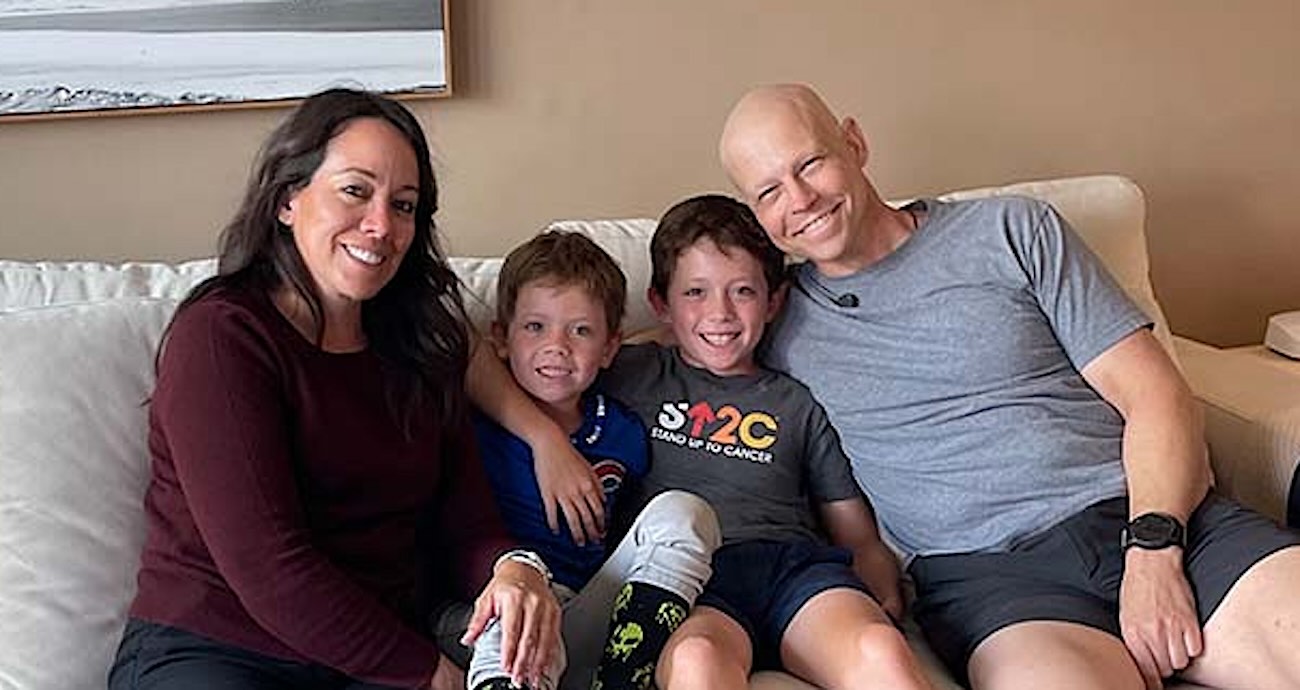
A 9-year-old boy, Stephen Mondek, became one of the world's youngest stem cell donors, saving his father from relapsed leukemia through a successful donation and transplant, highlighting a remarkable act of family heroism.
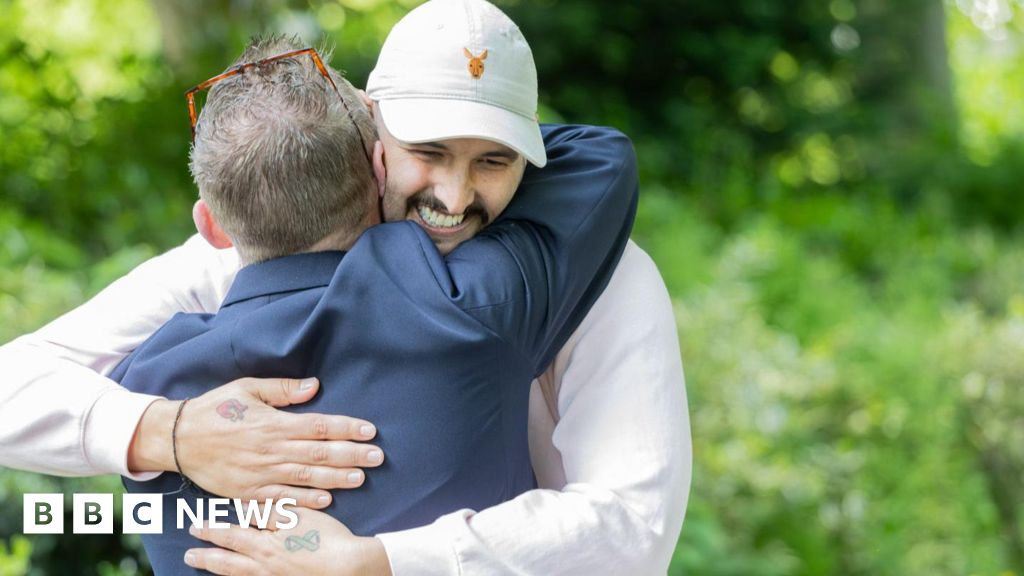
A man from Australia with blood cancer traveled 10,000 miles to meet the stranger who donated stem cells that saved his life, highlighting the importance of joining the NHS Stem Cell Donor Registry to help more patients.
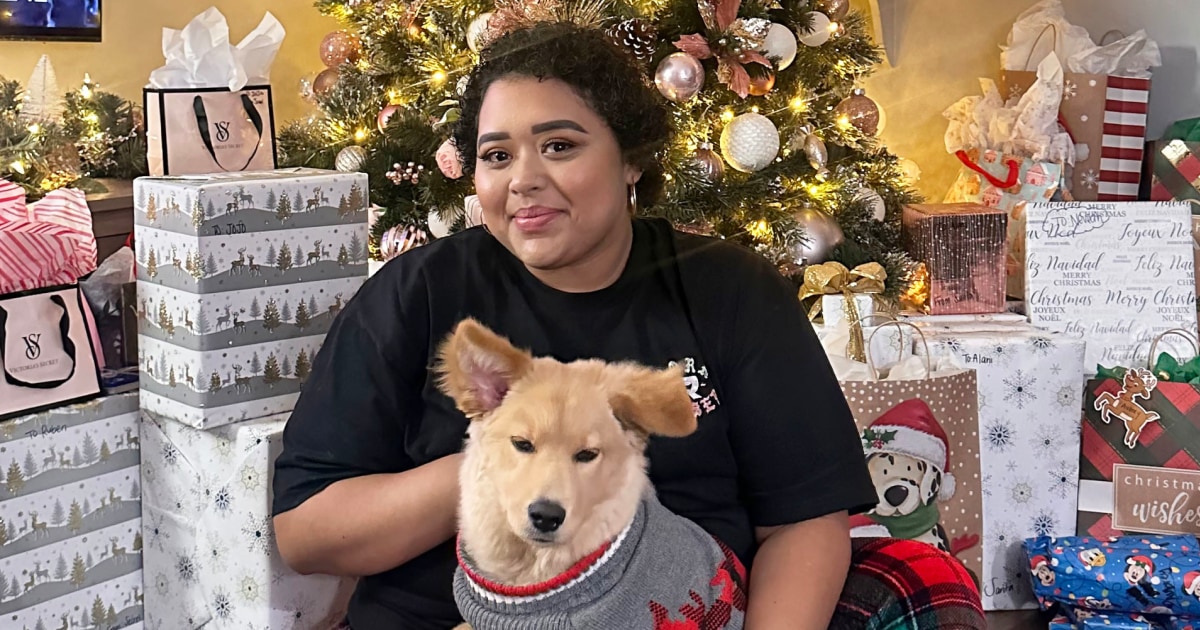
Johanna Mendoza, 22, was diagnosed with acute lymphocytic leukemia (ALL) after developing red splotches on her skin while on vacation in Mexico. She required a blood stem cell transplant and underwent months of treatment, including chemotherapy. Finding a suitable donor was challenging, but she eventually received a partial bone marrow match and underwent a successful transplant. Medical research is exploring the use of partial matches and post-transplant medication to prevent complications. Mendoza is now cancer-free and sharing her story to inspire others facing similar challenges.
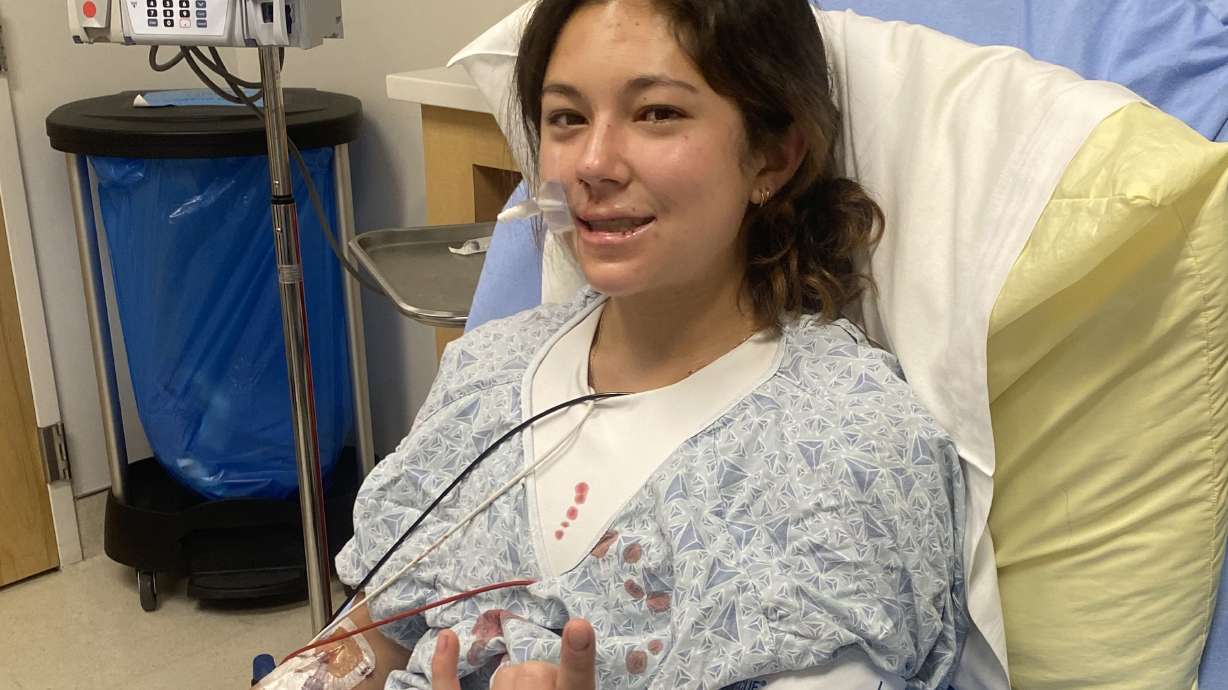
Kaiya Endo, an 18-year-old diagnosed with aplastic anemia, a rare blood condition, is in urgent need of a stem cell transplant. However, finding a suitable donor is challenging due to her unique ethnicity (50% Japanese, 50% Caucasian) and the limited options for treatment. The risk of relapse is high, making a bone marrow transplant the only viable solution. Endo is now on Be the Match's stem cell donor registry, which emphasizes the need for diverse donors as matching is done genetically. If a match is found, Endo will undergo chemotherapy, radiation, and immunosuppressive therapy before receiving the stem cells. The struggle highlights the importance of ethnic diversity in the donor pool to increase the odds of finding a match for patients in need.