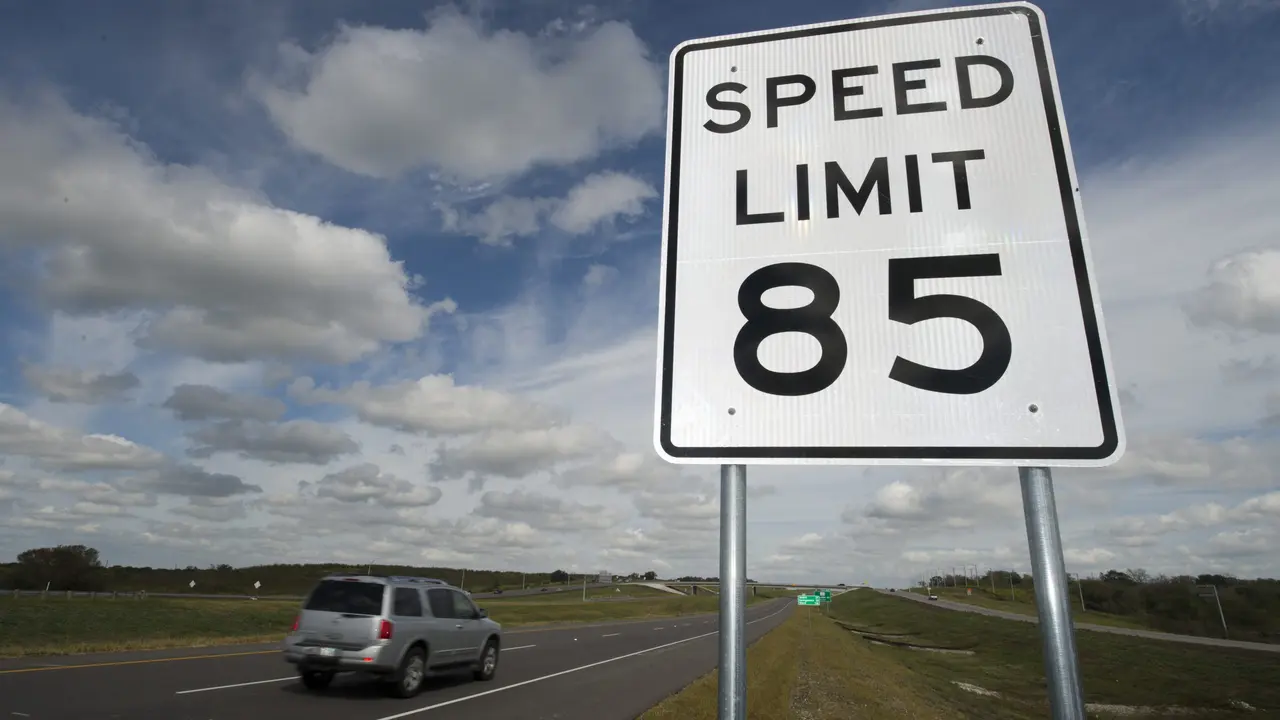
Texas has introduced variable speed limit signs on highways, including the fastest speed limit in the country at 85 mph on SH130, as part of a new law inspired by a deadly 2021 pileup during winter weather, aiming to improve safety during hazardous conditions.
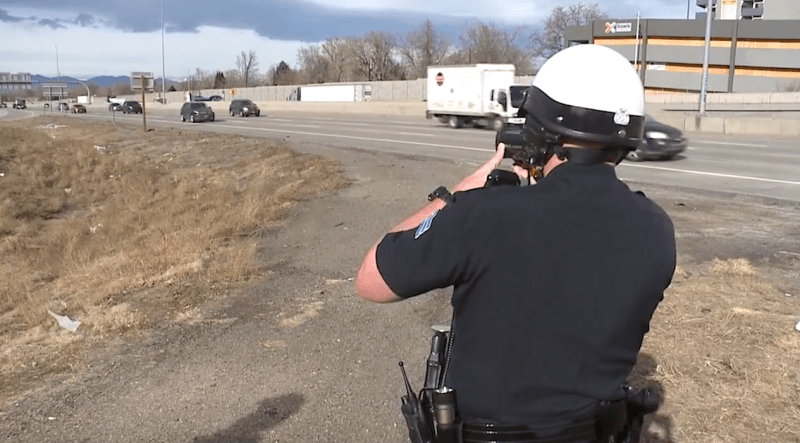
Colorado State Patrol warns that exceeding the posted speed limit, even by 5 mph, can be dangerous as it affects reaction time and stopping distance. They emphasize the importance of maintaining proper distance between vehicles and highlight that speeding contributes to a significant number of fatal and injury-causing crashes. CSP stresses that any speed over the posted limit is considered speeding and subject to potential citation.
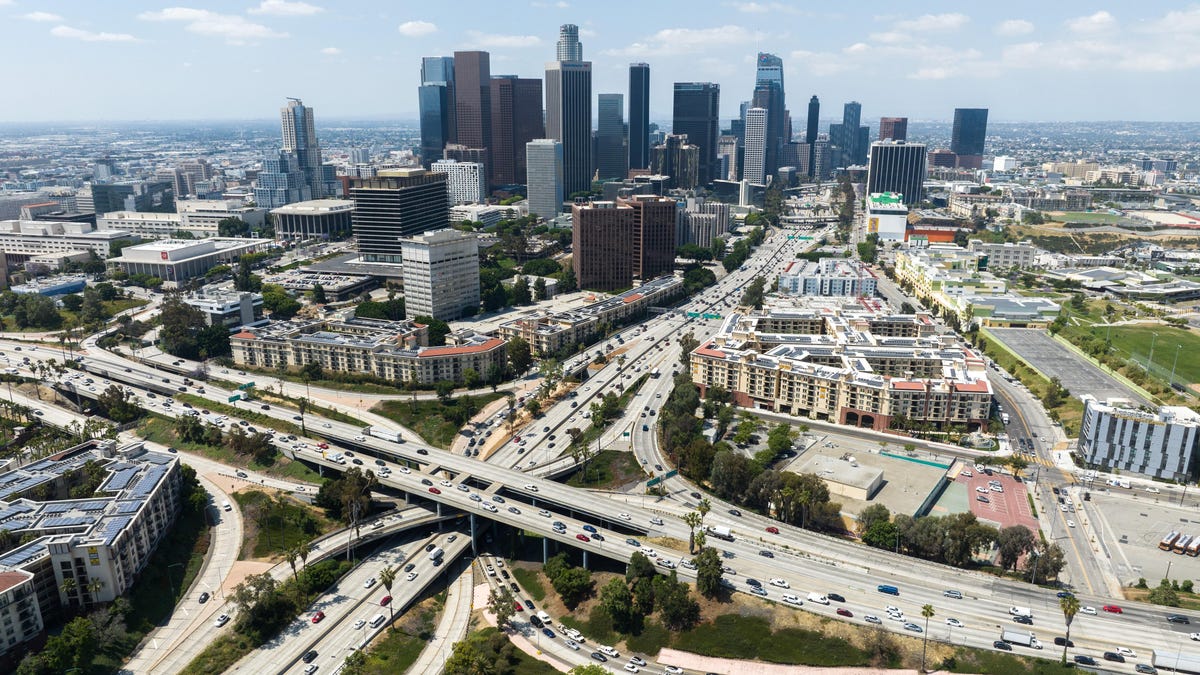
Experts and road safety advocates are questioning whether high speed limits and bad road designs contribute to the high number of traffic deaths in Dallas. They argue that Texas road design and speed limit rules encourage higher speeds and prioritize moving traffic fast over safety. The Texas Department of Transportation (TxDOT) has been criticized for designing roads to accommodate speeds higher than the posted limit, leading to a feeling of discomfort for drivers who follow the speed limit. Some safety advocates believe that the "85th percentile rule" used by TxDOT to set speed limits encourages engineers to raise the speed limit based on the fastest drivers, potentially resulting in unsafe speeds. The federal government has moved away from using this rule, and TxDOT has stated that they will incorporate other factors into determining speed limits. However, the process to change speed limits on state highways is frustrating and time-consuming, leaving dangerous roads unchanged and potentially leading to more deaths and injuries.
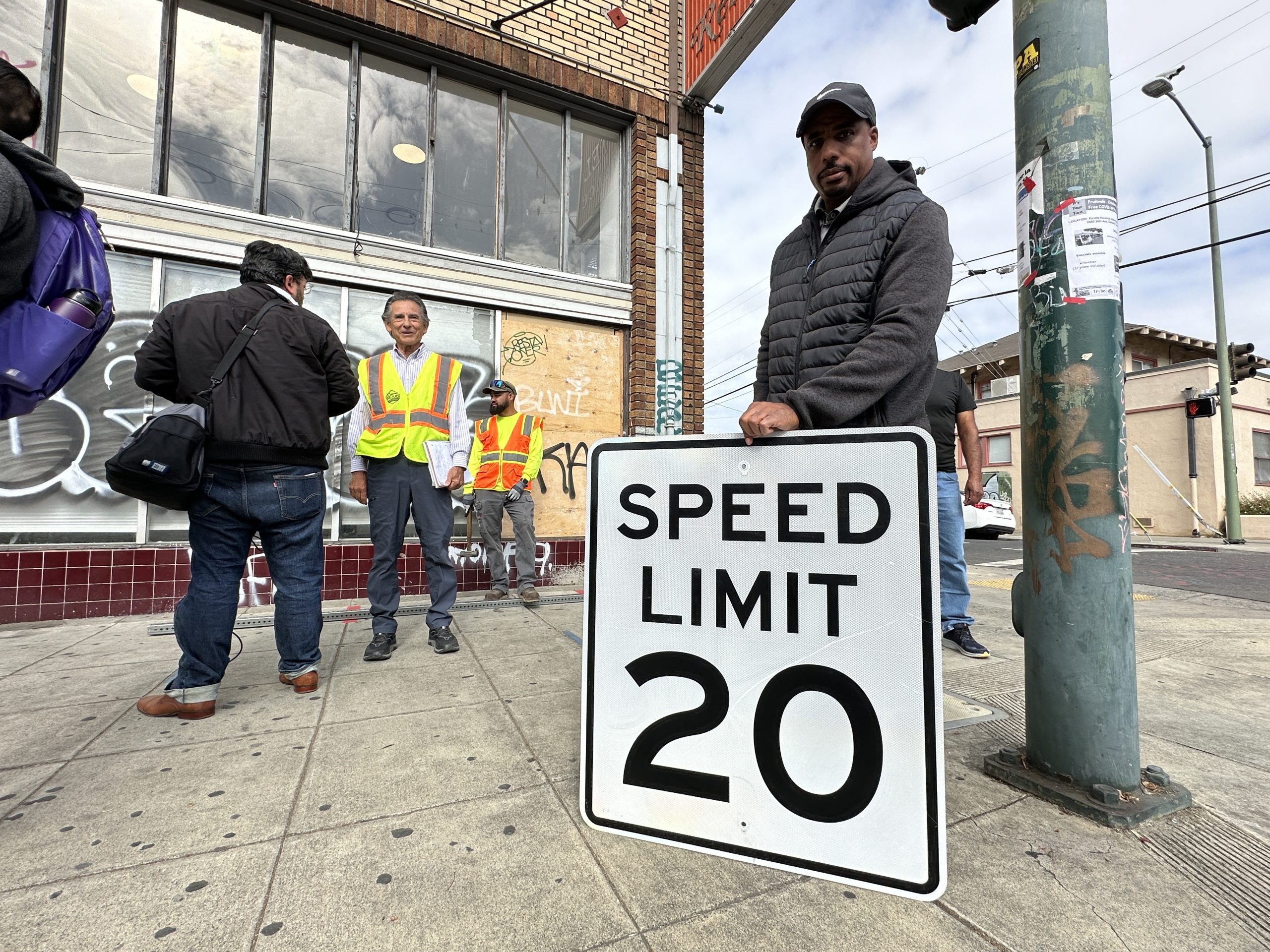
Eight roads in Oakland, California, will have their speed limits reduced by five miles per hour in an effort to improve traffic safety and reduce collisions. The speed limit reductions are part of Oakland's citywide Safe Oakland Streets (SOS) initiative, with the goal of eliminating severe and fatal crashes by 2042. The initiative focuses on neighborhoods disproportionately impacted by poor road infrastructure, where low-income Black, brown, and Asian communities, seniors, and persons with disabilities reside. While some business owners welcome the speed limit reductions, others express skepticism about their effectiveness and call for additional measures such as increased enforcement and physical road markings to ensure compliance.
A study by AAA has found that raising speed limits offers little benefit in terms of travel time but significantly increases crash and fatality rates, particularly on busy urban roads. The research analyzed speed limit adjustments on 12 different types of roadways and found that raising limits led to more crashes on interstate highways, while lowering limits resulted in reduced crashes but higher rates of speeding. The study highlights the importance of considering safety implications when making changes to speed limits and emphasizes the need for prioritizing road safety over the culture of speed and independence in the U.S.
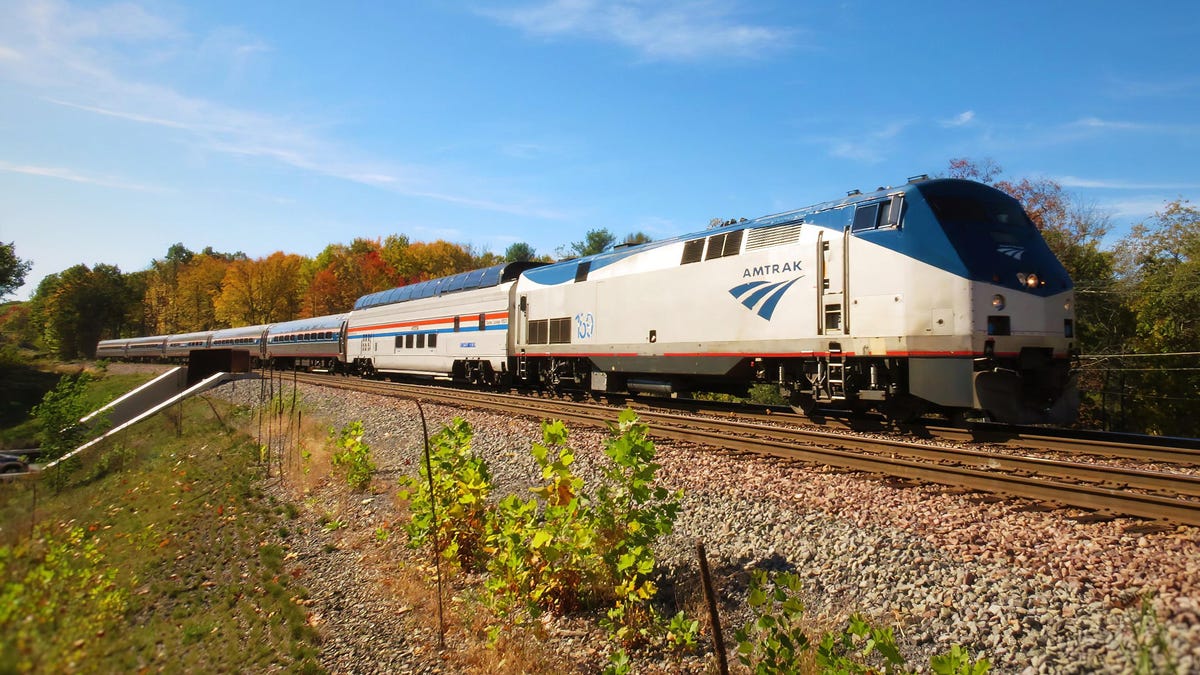
Amtrak has resumed its Adirondack service between New York City and Montreal, Canada, after the closure of the US-Canada border due to the pandemic. However, the trip is now 30 minutes longer due to lower speed limits, mainly in Canada. The longer journey time is due to lower speed limits along the route imposed by host railroads, mostly in Canada. The Adirondack’s return is a sign that there is a demand for more long-distance rail travel in the United States, especially outside of cities.