The U.S. Air Force has canceled the E-7 Wedgetail program due to rising costs and concerns about its survivability in contested environments, shifting focus towards space-based sensing capabilities to cover global and theater-specific needs instead.
NASA's Innovative Advanced Concepts (NIAC) program is supporting the development of a potentially game-changing antenna design called the Large Balloon Reflector (LBR). The LBR is an inflatable device that creates wide collection apertures for space-based sensing and communications. The concept turns part of the inside surface of an inflated sphere into a parabolic antenna, offering a lightweight alternative to current deployable antennas. With funding from NIAC and the U.S. Naval Research Laboratory, a 33-foot-diameter LBR was successfully demonstrated. This innovative technology has the potential to revolutionize space-based communication systems.
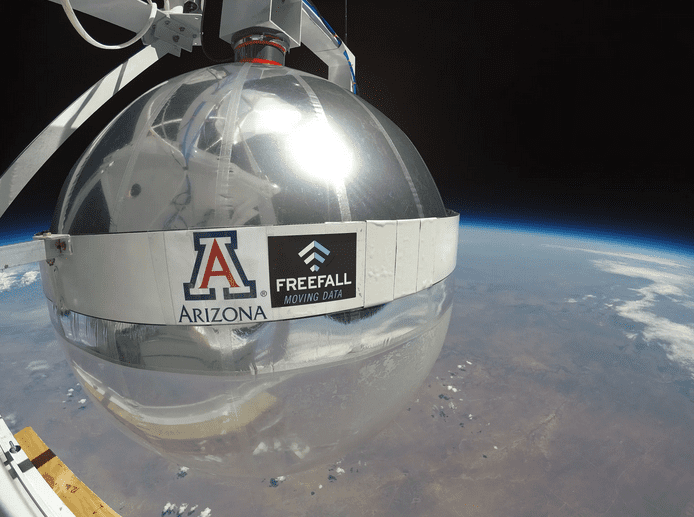
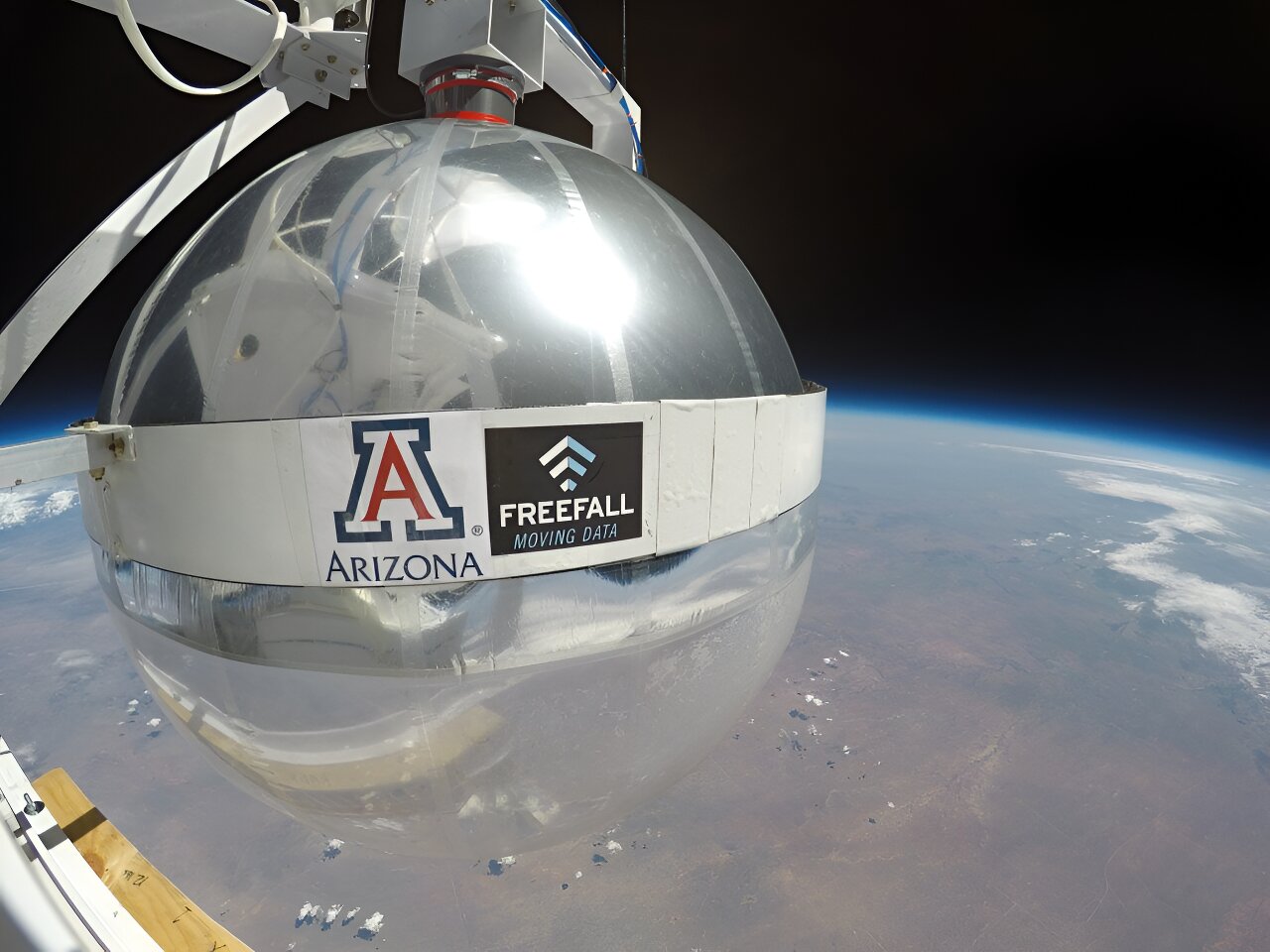
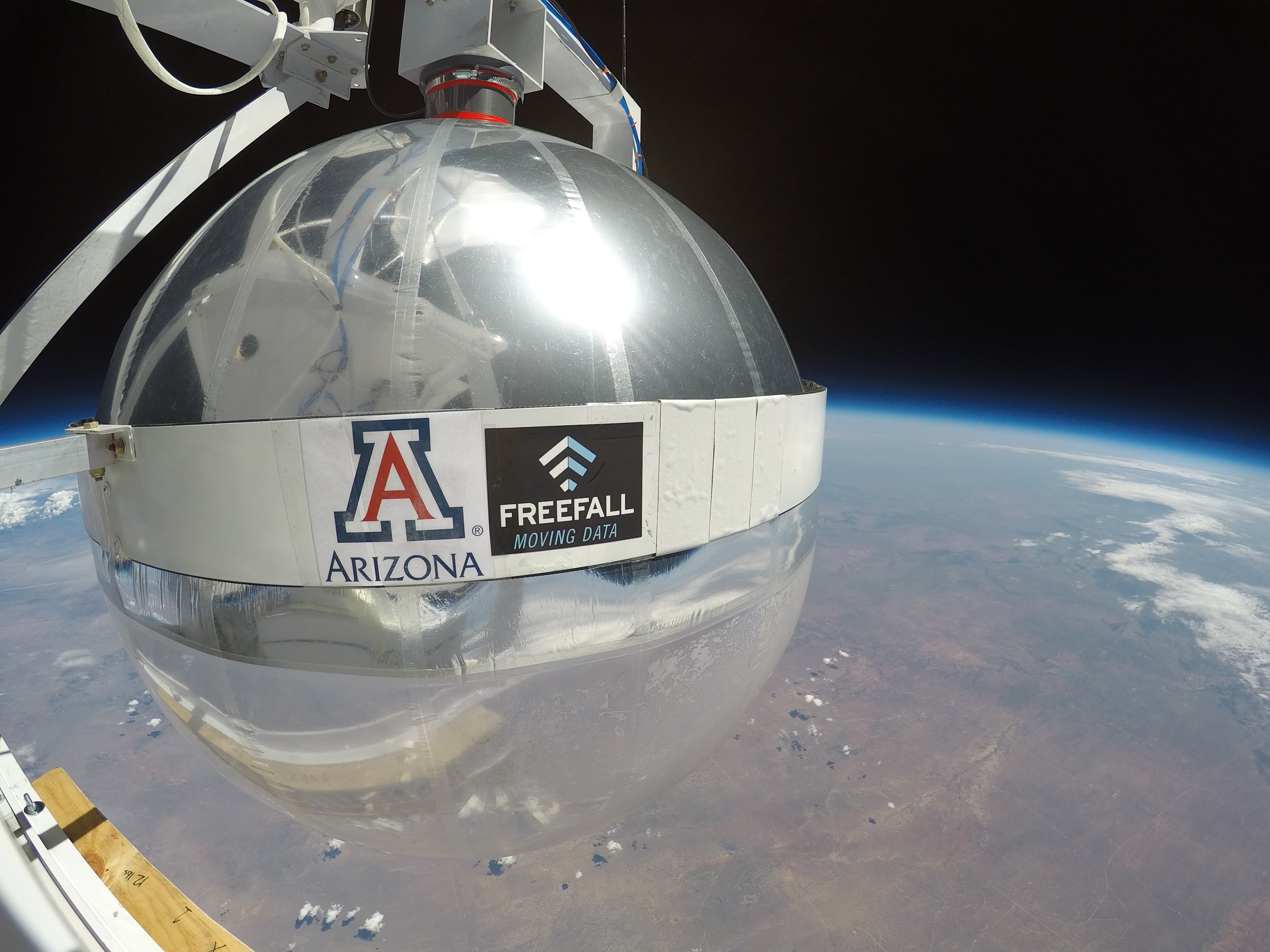
NASA's Innovative Advanced Concepts (NIAC) program has supported the development of a potentially game-changing antenna design called the Large Balloon Reflector (LBR). The LBR is an inflatable device that creates wide collection apertures for space-based sensing and communications. It uses a section of the inside surface of an inflated sphere as a parabolic antenna, providing a lightweight and compact alternative to traditional reflector antennas. The technology has been successfully demonstrated on a stratospheric balloon and will soon be tested in low Earth orbit. The LBR opens up possibilities for future lunar, planetary, and deep-space missions using CubeSats.
NASA engineer Christopher Walker's idea for an inflatable device that creates wide collection apertures has received funding from NASA's Innovative Advanced Concepts (NIAC) program. The Large Balloon Reflector (LBR) uses a section of an inflated sphere as a parabolic antenna, providing a lightweight and compact alternative to traditional reflector antennas. The technology has been successfully demonstrated aboard a stratospheric balloon and will soon be tested in low Earth orbit aboard a CubeSat called CatSat. The LBR's potential for future lunar and deep-space missions using CubeSats is being explored.