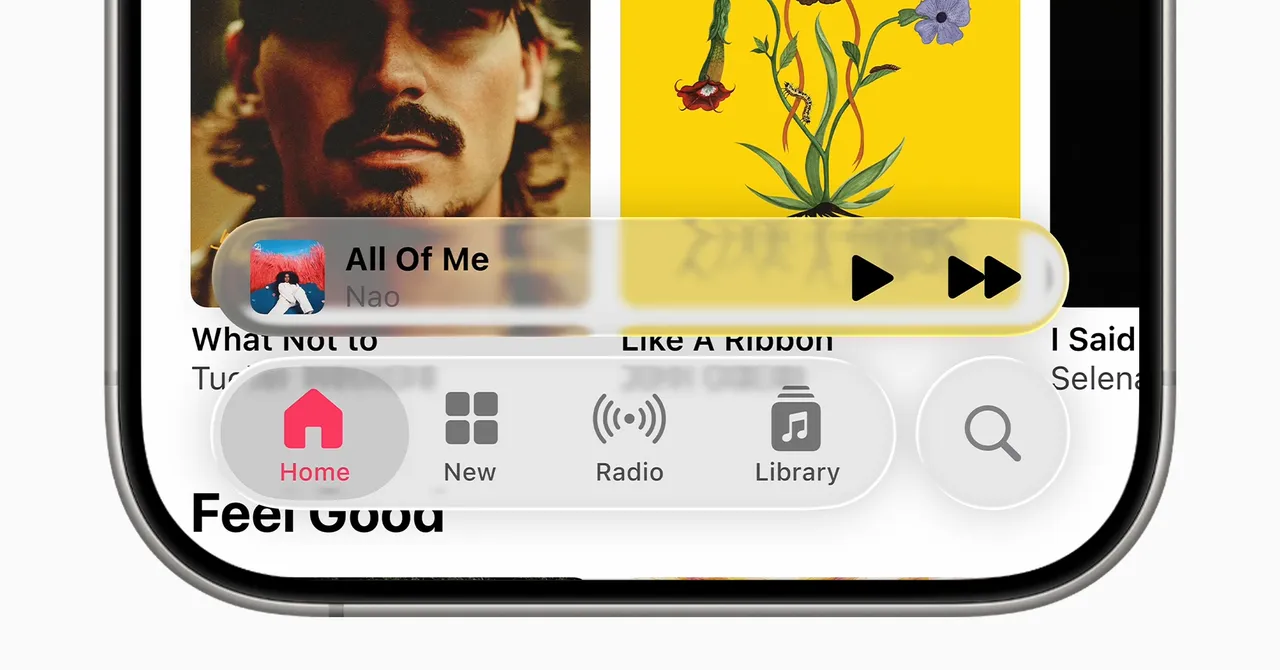
Apple's new Liquid Glass design, announced at WWDC and now launching globally, aims to create a dynamic, focus-enhancing user interface that reflects and refracts its surroundings, but it has received mixed reactions from designers and app creators regarding its effectiveness.

Originally Published 4 months ago — by Hacker News
The article emphasizes that cognitive load, or the mental effort required to understand and modify code, is crucial in software design. It discusses how simplicity, subjective perceptions of what is simple, and practices like minimizing complexity, proper naming, and commenting can reduce cognitive load. The author advocates for balancing rules with judgment, understanding that complexity is inevitable but manageable through experience, good design, and team practices. Ultimately, minimizing cognitive load helps make software more maintainable and adaptable, aligning with principles from John Ousterhout's philosophy.
VRROOM, a social XR platform for concerts and live shows, reflects on the lessons learned from building their own VR platform, emphasizing the importance of carefully considering the need for a proprietary platform, securing adequate funding, and assembling a skilled team. The CTO shares insights on the challenges and complexities of the project, stressing the significance of defining a clear vision, starting with a minimum viable product, and meticulously designing the software.
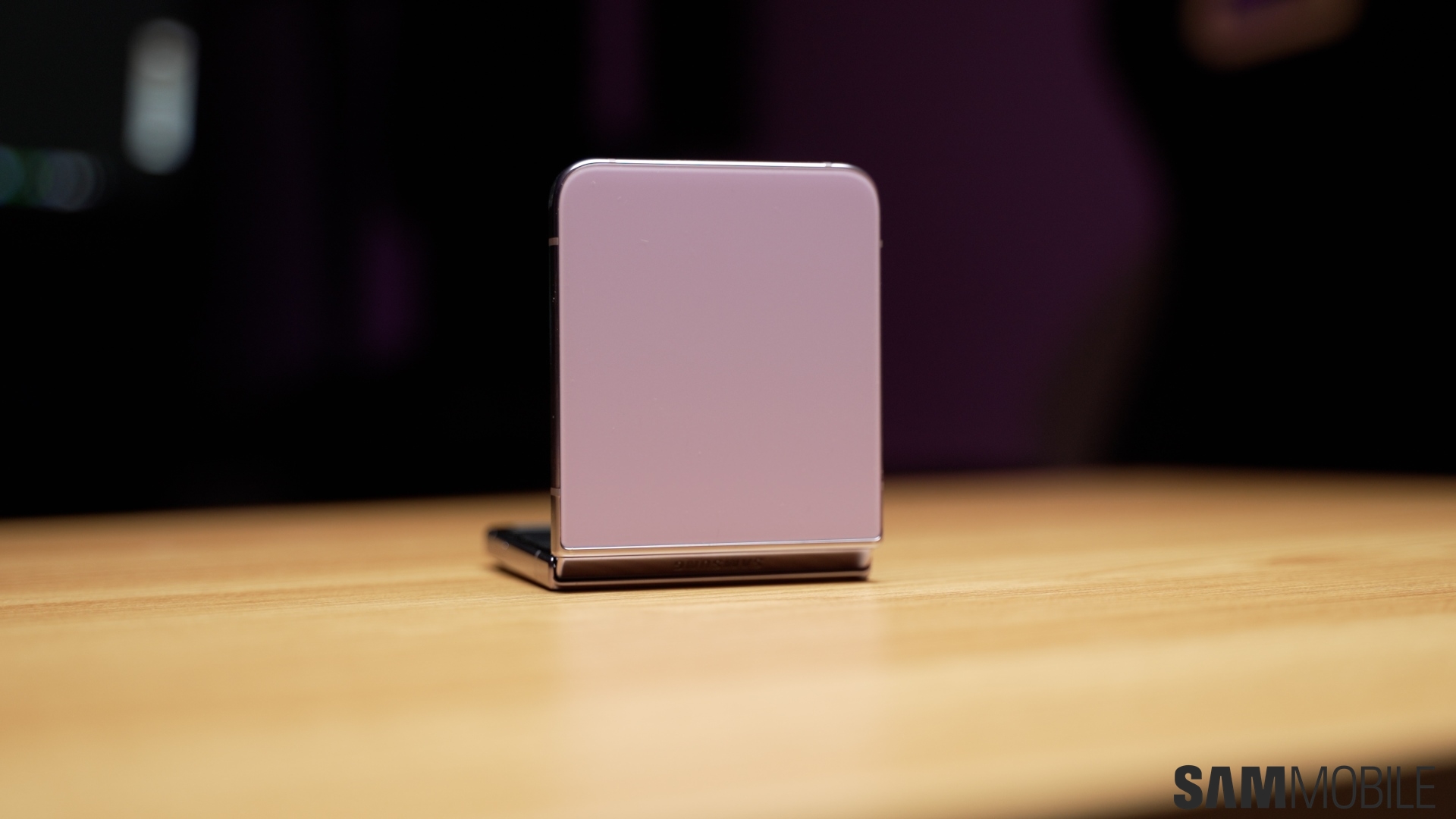
Samsung's upcoming Galaxy Z Flip 5 foldable phone will reportedly feature a larger cover display with an irregular folder-like shape. The design has been "confirmed" by tipster @UniverseIce, who claims that Samsung is adapting the software to match the cover screen's design. The bigger size of the cover screen should lend more usability to the device, and it will be one of the most significant upgrades the series has ever gotten. The Galaxy Z Flip 5 is expected to be released in July and will have a 3.4-inch panel.