
Tag

Soft Matter Physics

All articles tagged with #soft matter physics

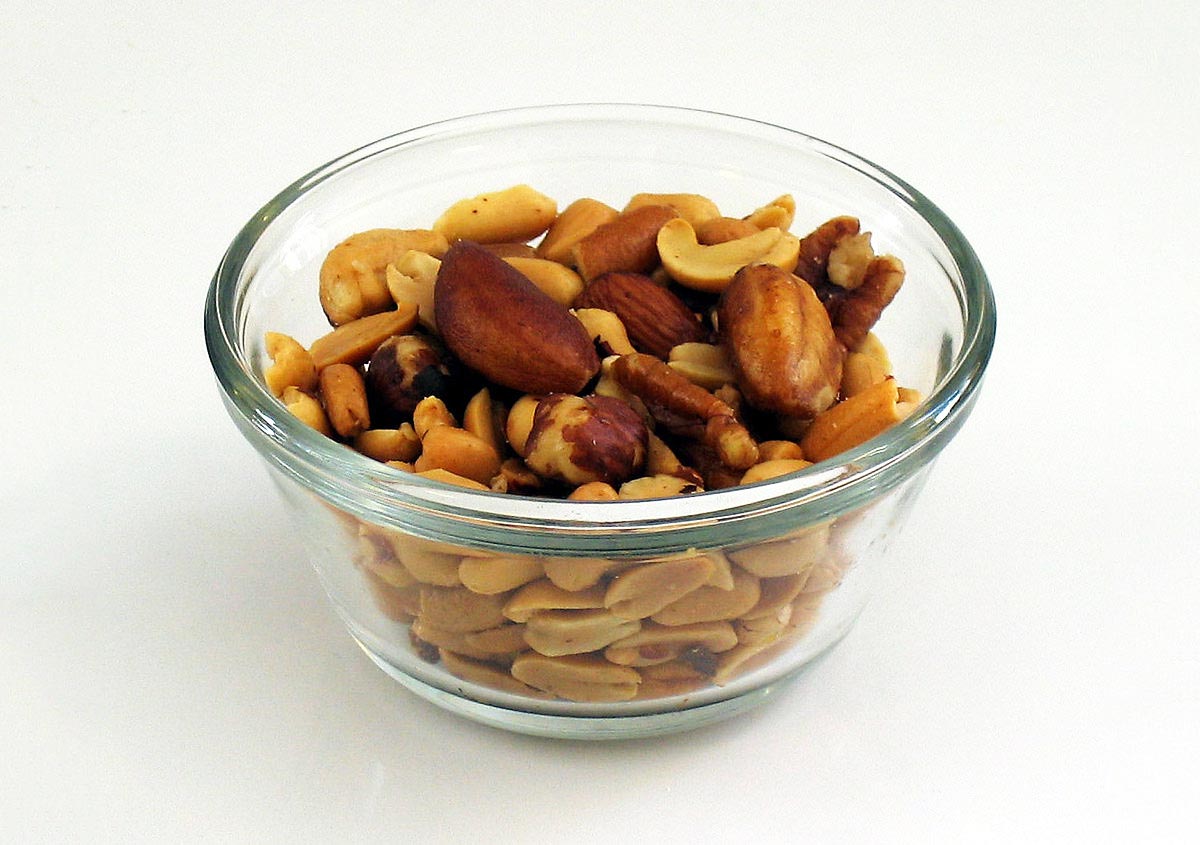
The Physics of the Brazil Nut Effect.

Originally Published 2 years ago — by SciTechDaily

Featured image for The Physics of the Brazil Nut Effect.
Source: SciTechDaily

Physicists from the University of Utrecht and the Faculty of Physics at the University of Warsaw have observed the Brazil nut effect in a mixture of charged colloidal particles, confirming that the process can occur spontaneously without the need for external energy. The discovery could have applications in fields such as geology and soft matter physics, as well as in industry for the stability of paint and ink.
"Mastering the Brazil Nut Effect: Defying Gravity"

Originally Published 2 years ago — by Phys.org

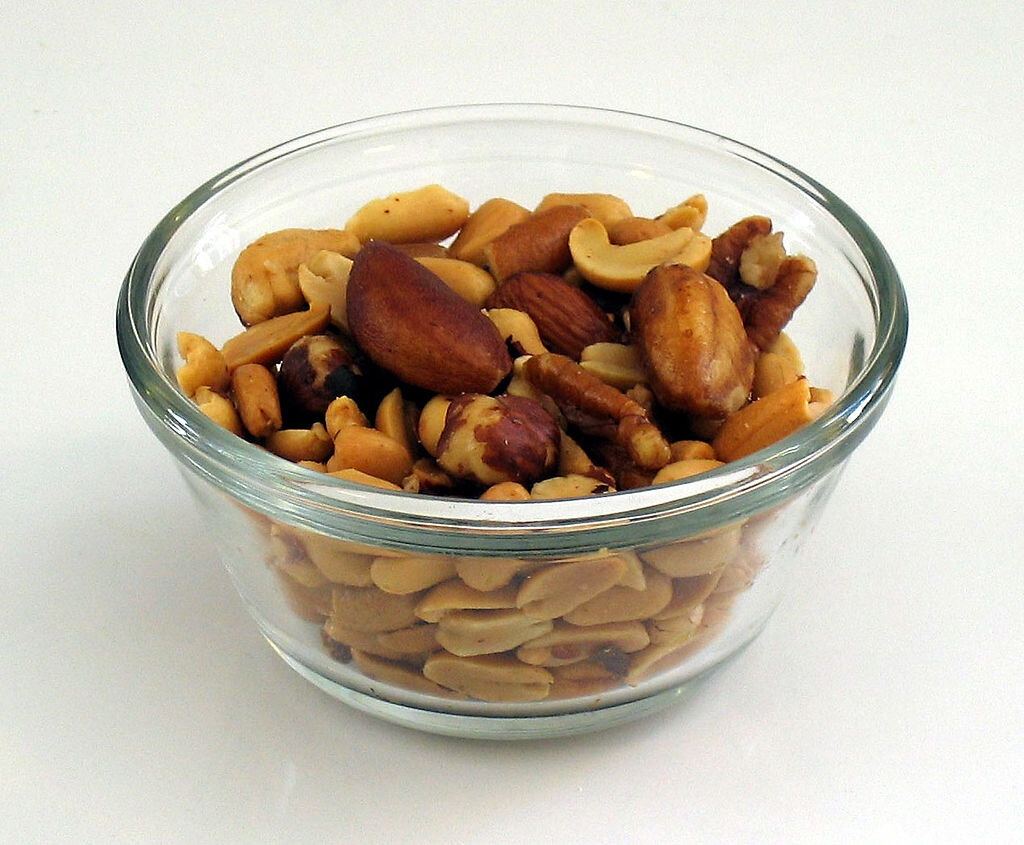
Featured image for "Mastering the Brazil Nut Effect: Defying Gravity"
Source: Phys.org

Physicists have observed the Brazil nut effect in a mixture of charged colloidal particles, confirming that the process can occur spontaneously without external energy. The Brazil nut effect is the phenomenon of large objects rising to the surface of a mixture of small objects, which contradicts the intuition that heavier objects should sink to the bottom due to gravity and inertia force. The discovery could find applications in a wide range of fields, from geology to soft matter physics.

Celebrating the Best in Soft Matter Physics and Breakfast Cereal Innovation.

Originally Published 2 years ago — by Ars Technica

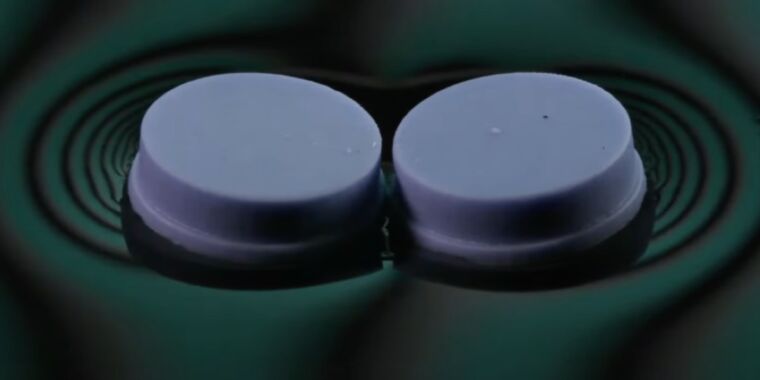
Featured image for Celebrating the Best in Soft Matter Physics and Breakfast Cereal Innovation.
Source: Ars Technica

The winners of this year's Gallery of Soft Matter Physics were announced at the American Physical Society March Meeting in Las Vegas. The winning videos showcased the Cheerios effect, the physics of clogs, and exploiting the physics behind wine tears to make bubbles last longer. The submissions were judged on both striking visual qualities and scientific interest. Brown University scientists used two 3D-printed plastic disks to explore the Cheerios effect and derived a scaling law relating the strength of the capillary action in the Cheerios effect to the mass, diameter, and spacing of the disks.