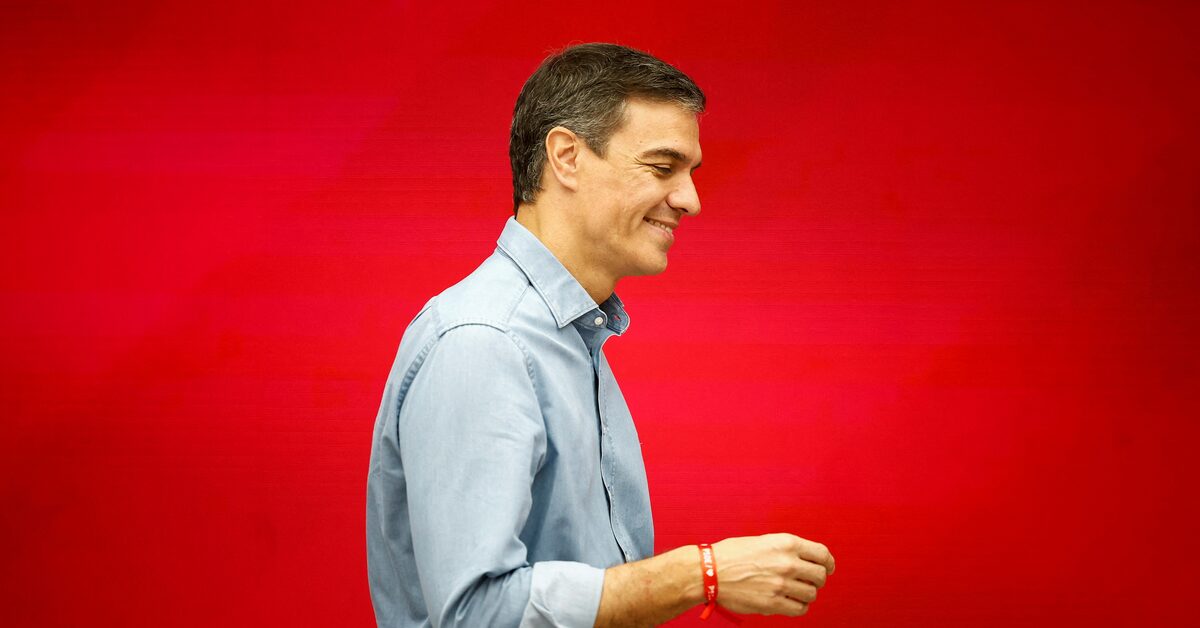
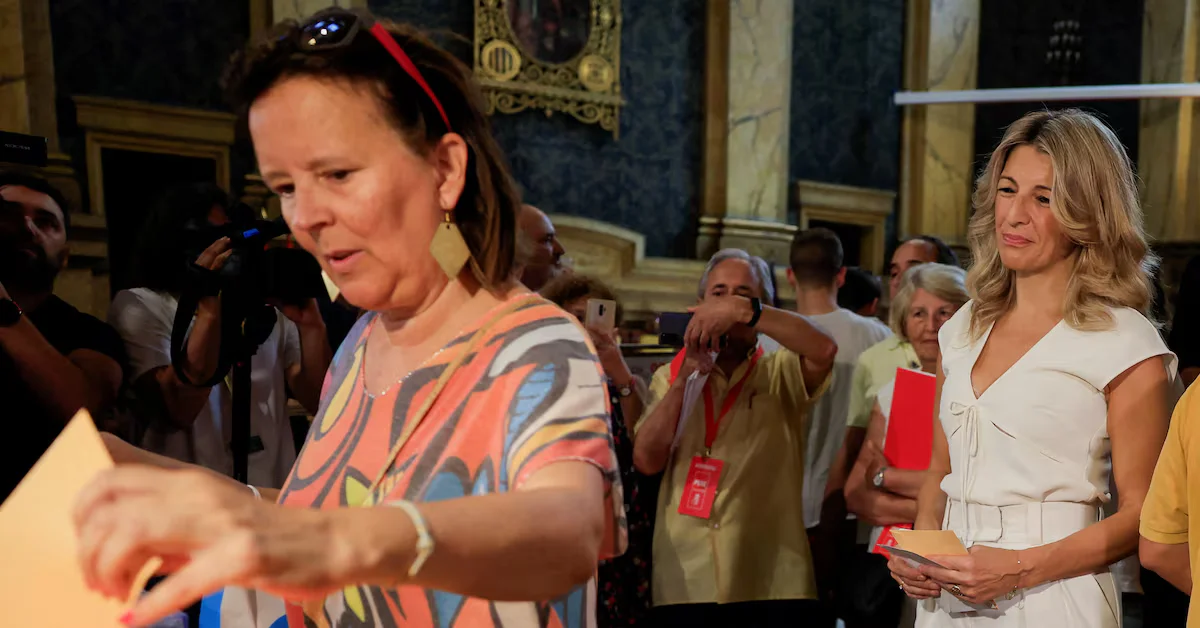
Spain's ruling Socialists suffered a historic defeat in the Extremadura regional election, losing ground to the conservative Popular Party and far-right Vox, amid corruption scandals and internal controversies, signaling challenges for the party's wider prospects.
French Prime Minister Sébastien Lecornu's government has received a temporary reprieve after the Socialist Party decided not to support efforts to topple it, largely due to concessions including suspending pension reforms. This political maneuvering comes amid ongoing instability following Macron's failed gamble in dissolving parliament, leading to a fragile government facing a no-confidence vote and economic uncertainty in France.
French Prime Minister Michel Barnier's government faces potential collapse as the Socialist Party plans to vote against his budget, which includes significant spending cuts and tax hikes. Without Socialist support, Barnier may need backing from the far-right National Rally, which has also signaled opposition. The government's survival hinges on avoiding a no-confidence vote, as public sentiment largely favors ousting Barnier's administration.
The left-wing coalition New Popular Front in France is struggling to agree on a Prime Minister, with France Unbowed suspending discussions and accusing the Socialists of sabotage. The Socialists have proposed a new candidate and urged a return to negotiations. Meanwhile, the Court of Auditors has raised concerns about France's public finances, exacerbated by political uncertainty.
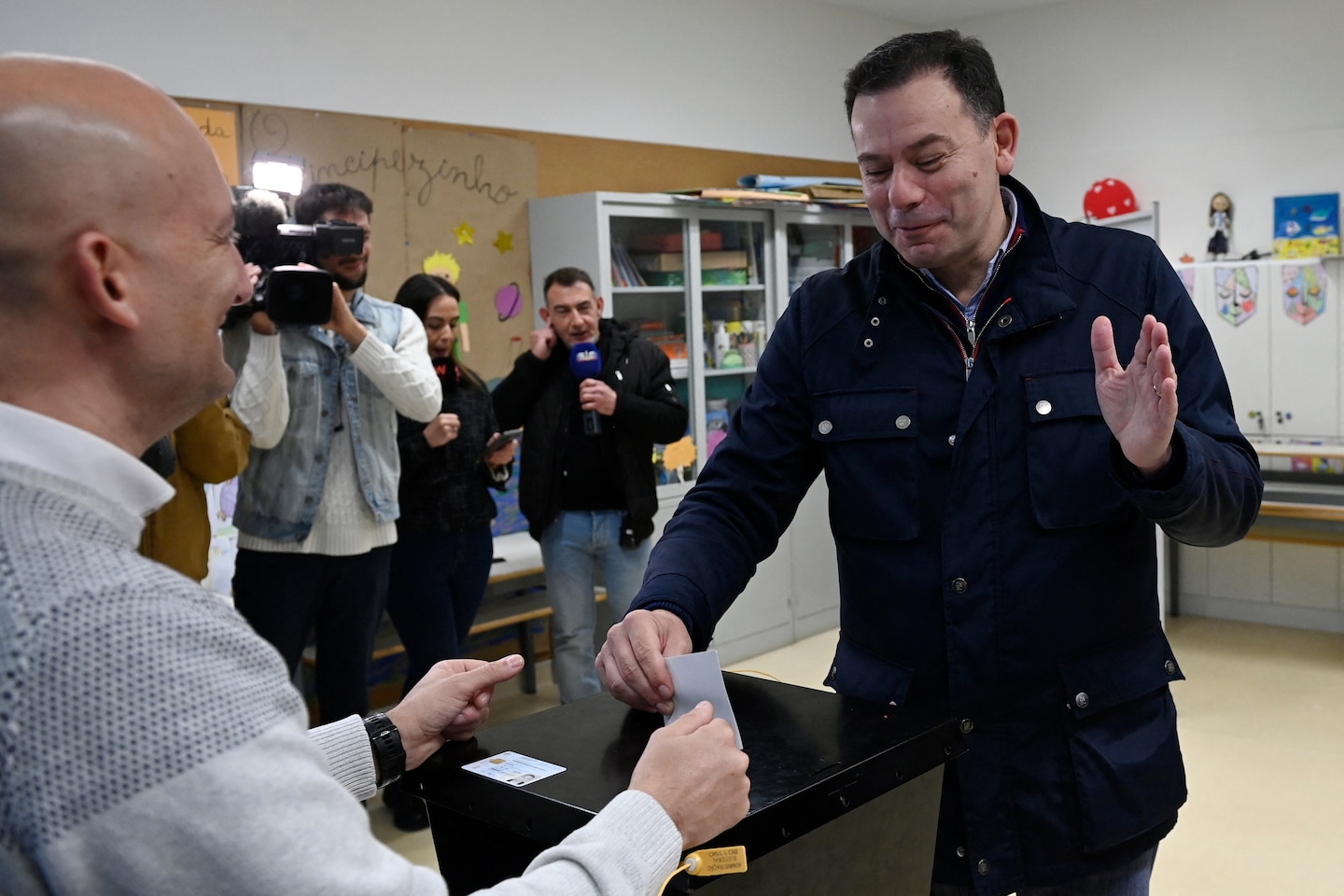
In one of the closest elections in Portuguese history, the ruling Socialists conceded defeat to a center-right alliance, with major gains for the far right Chega Party, potentially reshaping the country's political landscape. The center-right Democratic Alliance and the center-left Socialists were separated by only 438 votes, while Chega overperformed in third place. The far-right party's rise has sparked concerns about potential coalition formations and the future of governance in Portugal, as it seeks to address political corruption scandals, a housing crisis, and other pressing issues.
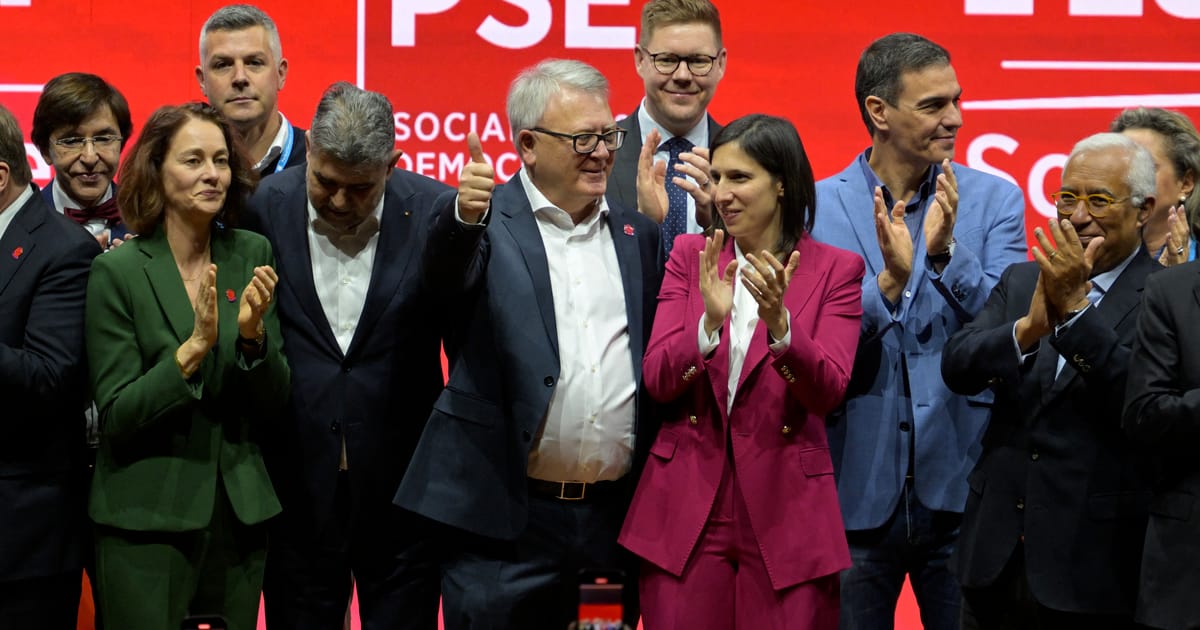
Europe's Socialists are struggling to combat the rise of the far-right, with lead candidate Nicolas Schmit expressing confidence in their victory despite the surge. The Party of European Socialists is ramping up attacks on conservatives and liberals in their EU election manifesto, as they face the challenge of countering the far-right's momentum.
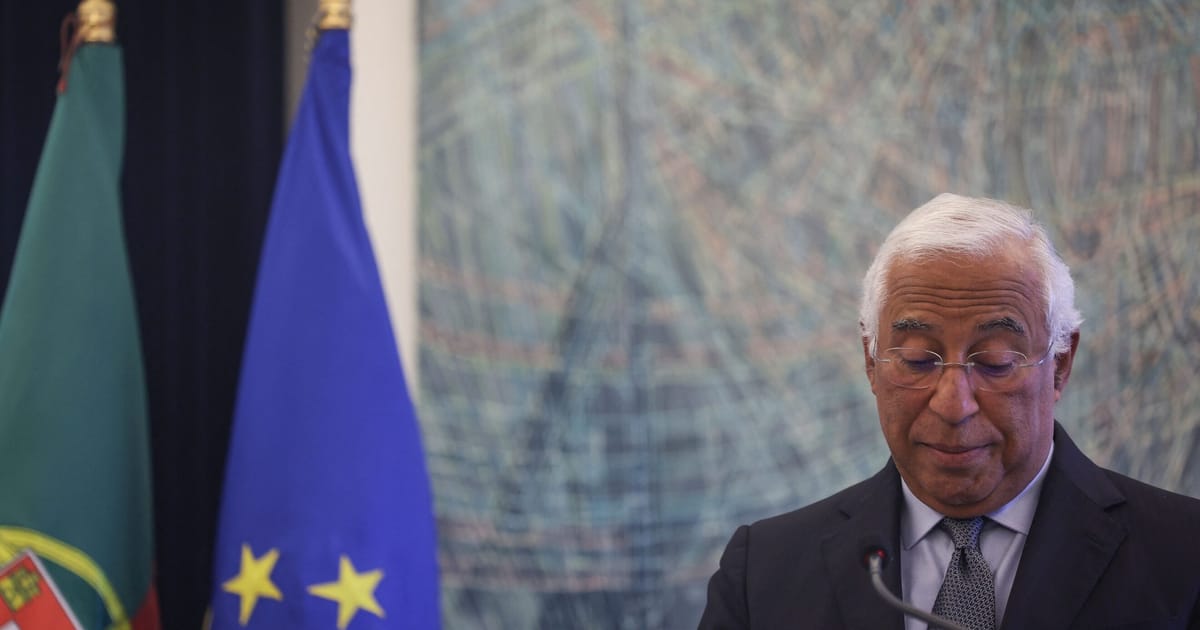
António Costa's resignation as prime minister of Portugal has dashed the hopes of Europe's socialists for him to secure a powerful role in Brussels after the 2024 European election. Costa was the socialists' pick to succeed Charles Michel as European Council president, but his resignation due to a corruption probe has thrown his future into uncertainty. Spain's Pedro Sánchez is a potential alternative, but his minority government and challenges from right-wing opposition may make a high-profile post in Brussels appealing. Other former socialist prime ministers, such as Sanna Marin and Mette Frederiksen, face criticism and potential obstacles in securing top EU jobs. Mario Draghi, the former president of the European Central Bank, is considered a long shot due to his technocratic background and lack of party affiliation.
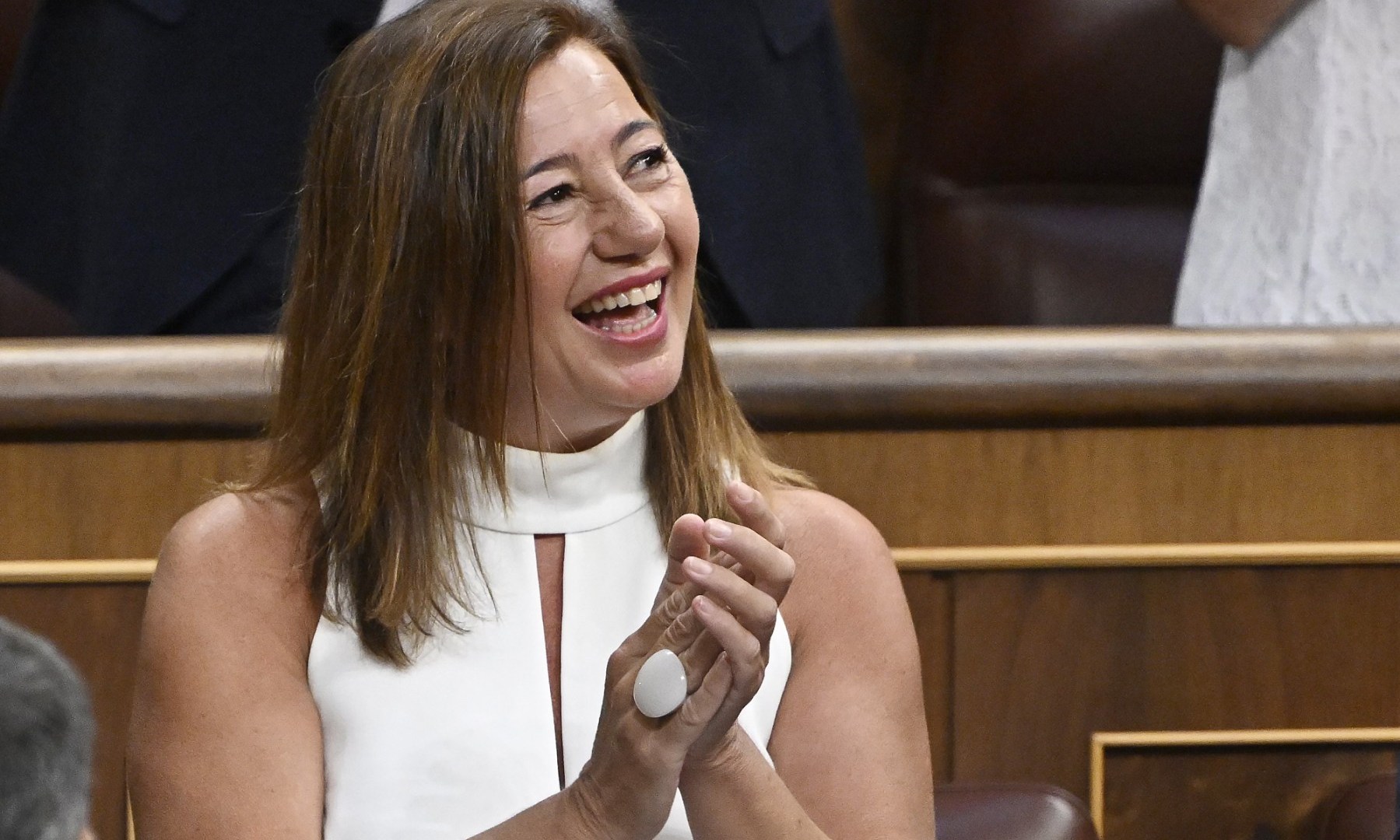
Francina Armengol, candidate of the Spanish Socialist Workers' Party, has been elected as the parliamentary speaker in Spain, signaling a positive outcome for Pedro Sanchez's bid to become prime minister. Armengol's election was secured through a last-minute deal with the Catalan separatist party JxCat, which holds significant influence. However, negotiations for Sanchez's investiture vote are expected to be more complex. The vote also highlighted challenges for Alberto Nunez-Feijoo of the right-wing Popular Party, who will need the support of the far-right Vox to form a government. The next step for parliament is to choose a prime minister, with an investiture vote scheduled for later this month or early September. The separatists have set high demands, including amnesty for those involved in the failed 2017 independence bid and a referendum on self-determination.
Spain's Socialists have lost one seat after the count of votes from abroad, making it more difficult for them to form a left-wing coalition government without the active support of hardline Catalan separatists. The revised seat count means that Prime Minister Pedro Sanchez would need the backing of Junts, a more hardline Catalan party, in addition to Esquerra Republicana de Catalunya, to secure a majority. The PP could potentially form a government with the support of Vox and other regional parties, but no other parties have expressed willingness to support an administration that includes Vox. The Canarian Coalition has not yet decided if it will support Sanchez. Junts has stated its conditions for support, including permission to hold a referendum on Catalan independence and amnesty for separatists facing legal charges.
Spaniards are voting in a general election that could see Prime Minister Pedro Sanchez's governing Socialists lose power and a far-right party, Vox, enter government for the first time since the 1970s. Opinion polls suggest a win for the centre-right People's Party, but they would need to form a coalition with Vox to govern. The final result is expected to be decided by a narrow margin, and the outcome could hinge on whether smaller parties support Sanchez or the People's Party leader, Alberto Nunez Feijoo. The election has been called early after the left's poor performance in local elections in May.
Spanish voters are heading to the polls in a snap general election that could see the far-right Vox party enter government for the first time. Most polls predict the center-right Popular Party will win but fall short of an absolute majority, likely necessitating a coalition with Vox. Prime Minister Pedro Sanchez called the election after his party suffered setbacks in regional and local elections, while the Popular Party made significant gains. The Socialists currently run the country in a minority government with a junior coalition partner, Podemos, and support from other leftist forces. The election outcome will determine whether Spain will have a new government coalition on the right or a repeat of the left-wing coalition.
Spain's conservative People's Party (PP) has won big in local elections, dealing a blow to the ruling Socialists and signaling a political shift in the country. The PP won in 12 of the 13 regions up for grabs, including Madrid and Valencia, while the Socialists only managed to hold on to their stronghold in Andalusia. The results suggest a growing dissatisfaction with the current government's handling of the pandemic and economic crisis.
Spain's ruling Socialists suffered heavy losses to opposition conservatives in Sunday's local election, with the conservative People's Party (PP) likely to take control of most regions. The gains for the PP indicate the conservatives could unseat the current left-wing coalition led by the Partido Socialista Obrero Español (PSOE) if they replicate the performance in national elections by December. The counting showed a return to a two-party system dominated by the PSOE and PP after a decade of greater involvement by smaller parties such as the left-wing Podemos and centrist Ciudadanos.